

 EN
EN English
  русский
  Español
  عربى
عربى 

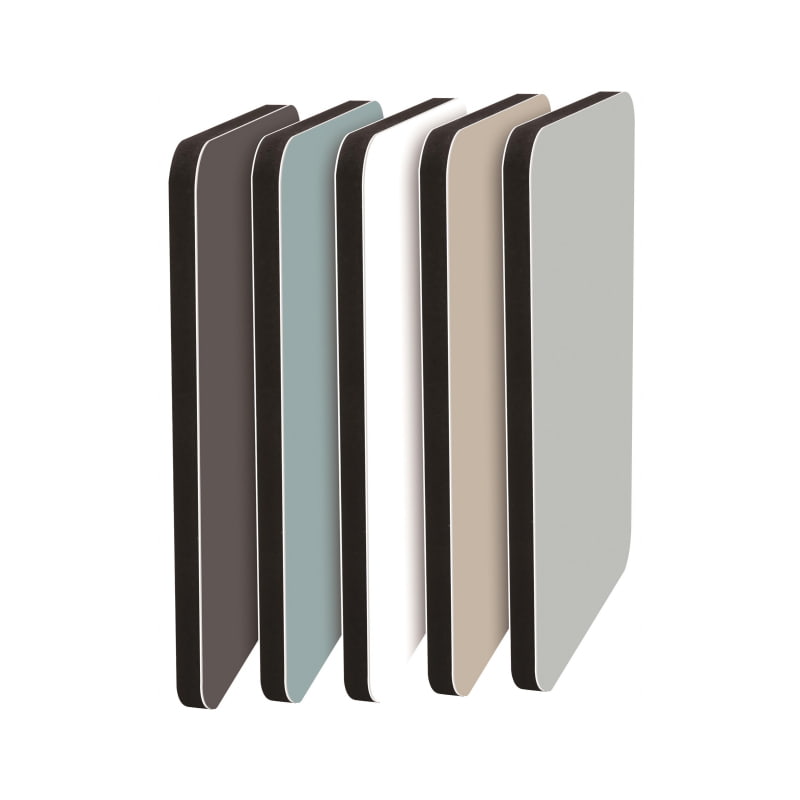
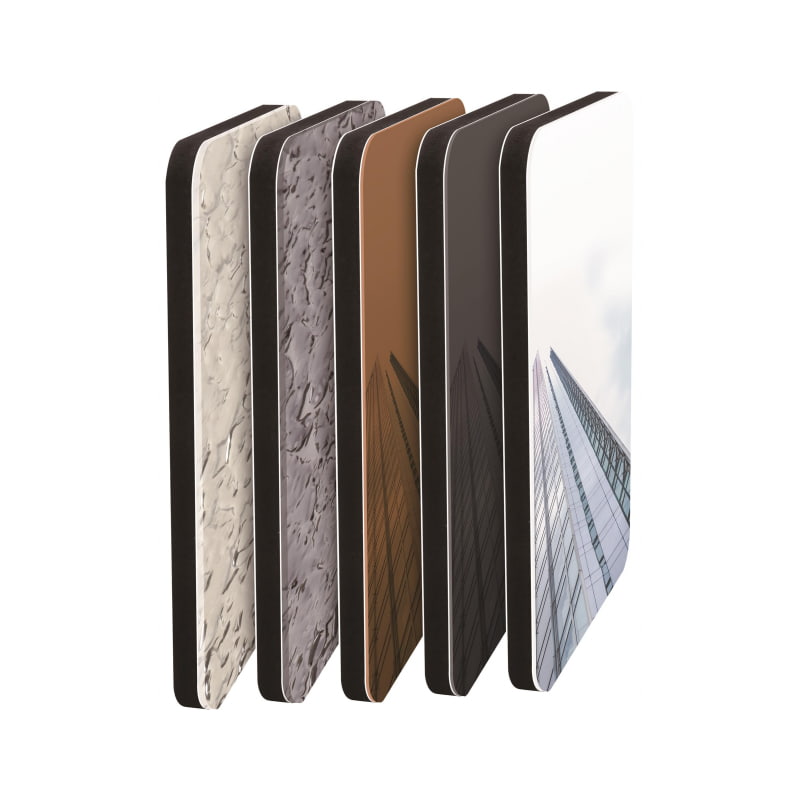
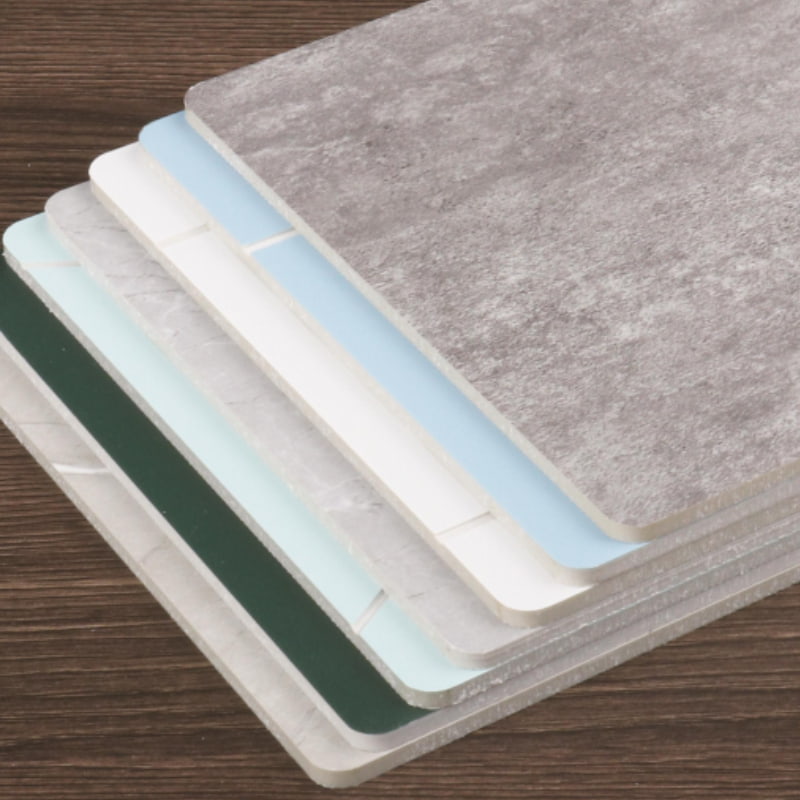
The Definitive Guide to Carbon Crystal Wall Panels: Integrating Warmth and Design
The evolution of interior surfaces is moving towards multifunctional integration, where aesthetics meet tangible benefits. The Carbon Crystal Wall Panel epitomizes this trend. Also referred to as Carbon Crystal Board or Carbon Crystal Plate, this innovative product category merges efficient heating technology directly into a decorative wall cladding system. It represents a significant leap from traditional, separate heating solutions, offering space-saving, comfort, and style in one unit. Manufacturers with expertise in advanced decorative materials, such as Zhejiang Highsea New Material Co., Ltd., are at the forefront of bringing these sophisticated, functional finishes to global markets.
| Core Product | Carbon Crystal Wall Panel |
| Common Names | Carbon Crystal Board, Carbon Crystal Plate |
| Core Materials | Modified polymer composite, carbon crystal heating layer, far-infrared emission layer |
| Core Function | Electric radiant heating, far-infrared wellness, decorative wall surface |
| Key Features | Integrated heating, energy-efficient, rapid heat-up, far-infrared therapeutic benefits, easy installation, aesthetic appeal |
| Heating Principle | Electro-thermal conversion; the carbon crystal layer emits far-infrared radiant heat under an electric field |
| Installation | Modular panel splicing, dry construction (can replace traditional radiators) |
| Applications | Residential feature walls (living room, bedroom), office accent walls, yoga/wellness rooms, hotel suites |
1. Product Definition and Technology
A Carbon Crystal Wall Panel is a revolutionary integrated functional cladding system. It combines a high-efficiency heating element within a durable and decorative panel substrate. When energized, it directly converts electricity into comfortable, gentle heat primarily through far-infrared radiation. This creates a unified "decorative heating" solution, eliminating the need for separate radiators or baseboard heaters and reclaiming valuable floor and wall space.
2. Core Advantages and Performance
Dual-Function Integration
- Space-Saving Design: Unifies heating and decoration, freeing up space occupied by traditional heaters and offering complete design freedom for interior layouts.
Healthy, Comfortable Heat
- Far-Infrared Warmth: Emits radiant heat in the beneficial far-infrared spectrum (typically 8-15μm), which warms objects and people directly—similar to sunlight—rather than just the air. This can promote a sense of well-being and improved circulation.
Energy Efficiency and Responsiveness
- Direct Heating: Radiant heat minimizes losses and provides rapid warmth exactly where it's needed, leading to potential energy savings compared to convective systems that heat the entire air volume.
3. Primary Application Fields
- Modern Residential Heating: Ideal for creating warm, inviting feature walls in living areas, bedrooms, or bathrooms, serving as a primary or supplemental heat source with a sleek, built-in look.
- Commercial Wellness Spaces: Perfectly suited for yoga studios, spa treatment rooms, saunas, and hotel bathrooms where gentle, even heat and a premium aesthetic are required.
- Office and Hospitality: Provides efficient, zoned heating in offices, hotel suites, or lobbies while contributing to a high-end, modern interior design.
- Renovation Projects: An excellent solution for adding efficient heating to older homes without existing hydronic systems or for room additions, thanks to its dry, simple installation.
FAQ
How energy-efficient are Carbon Crystal Wall Panels compared to traditional electric heaters or central heating?
Carbon Crystal Panels can be highly efficient due to their radiant heating principle. Unlike forced-air systems that lose heat through ducts or convective heaters that create warm air ceilings, radiant heat warms solid objects (people, furniture, floors) directly. This often allows for a lower thermostat setting to achieve the same level of personal comfort, leading to energy savings. Their efficiency is quantified by their near 100% electro-thermal conversion rate at the panel. True overall savings depend on proper installation, insulation of the room, and using zonal/thermostat control to heat only occupied spaces.
Are the far-infrared rays emitted by these panels safe and truly beneficial for health?
Yes, the far-infrared radiation (FIR) emitted is perfectly safe. It is a form of non-ionizing radiation, similar to the gentle heat from the sun but without the UV light. The wellness benefits are associated with the deep, gentle warming effect, which may help improve local circulation and relax muscles—similar to the feeling of warmth from a hot water bottle. It is important to note that these panels are wellness-oriented comfort heaters, not medical devices. High-quality panels are designed to emit FIR within a specific, beneficial wavelength range and comply with all relevant electrical and electromagnetic safety standards.
What is the installation process like? Can I install it myself, or do I need an electrician?
Installation is a two-part process that requires a licensed electrician for the electrical connections. The mounting of the panels themselves to the wall is often straightforward, similar to hanging other types of interlocking wall panels—a dry process using clips or adhesives. However, the system must be properly wired to a dedicated circuit with the correct voltage and amperage, grounded, and connected to a thermostat. This crucial electrical work must always be performed by a qualified professional to ensure safety, compliance with local building codes, and system warranty validity.
Can Carbon Crystal Panels be used as a primary heat source for an entire room or house?
They can be used as a primary heat source, but careful planning is essential. Their effectiveness depends on:
- Room Insulation: They work best in well-insulated rooms with minimal drafts.
- Heat Loss Calculation: The total wattage of the installed panels must meet or exceed the room's calculated heat loss. This requires a professional assessment.
- Layout and Coverage: For whole-room heating, panels should be installed on an exterior wall or in areas where heat loss is greatest, not just as a small decorative accent. They are ideal for creating comfortable zones rather than uniformly heating large, open, or poorly insulated spaces like a traditional furnace might.
How safe are these panels, especially in bathrooms or around children?
Modern Carbon Crystal Panels are engineered with multiple safety features:
- Low Surface Temperature: They operate at safe-to-touch temperatures, significantly reducing burn risk.
- Built-in Protections: Quality units include overheat protection, waterproofing for bathroom-grade models (look for appropriate IP ratings), and robust electrical insulation.
- Solid-State Design: With no moving parts, exposed coils, or burning elements, they are inherently safer than many traditional heaters. For ultimate peace of mind, always choose panels from reputable manufacturers that provide full safety certification documentation (like CE, RoHS) and have them installed by a professional.
