EN
EN English
  русский
  Español
  عربى
عربى 
In the world of interior design, the search for materials that offer both aesthetic appeal and functional durability has been ongoing for centuries. Traditional materials, such as wood, brick, and drywall, have been the go-to options for constructing walls. However, a new player has emerged: 3D printed wall panels. These innovative products are revolutionizing the way we think about wall design, combining cutting-edge technology with personalized decoration. But how do they stack up against traditional materials when it comes to strength and durability?
What Are 3D Printed Wall Panels?
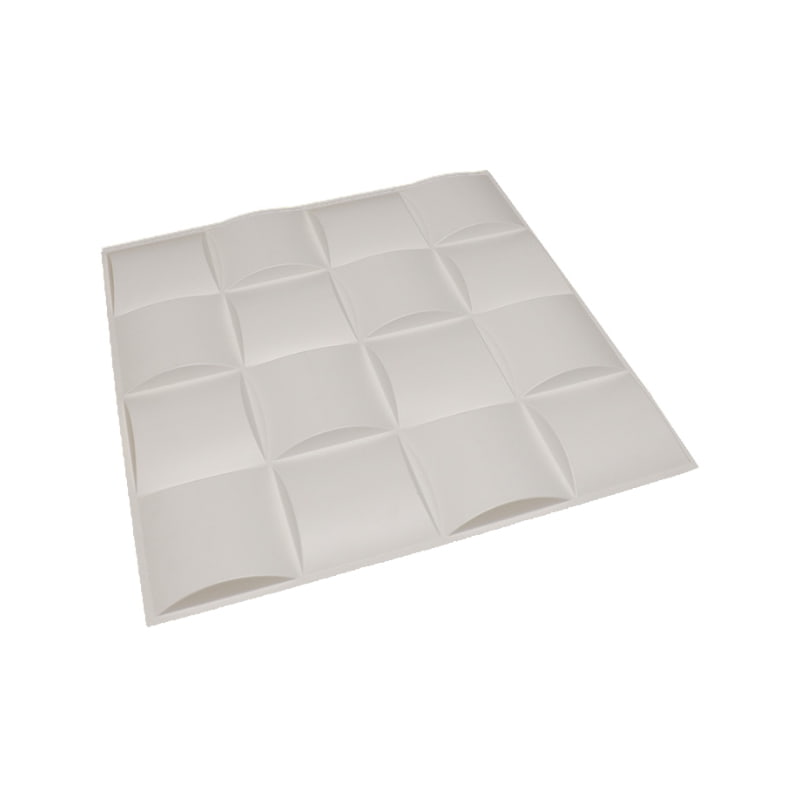
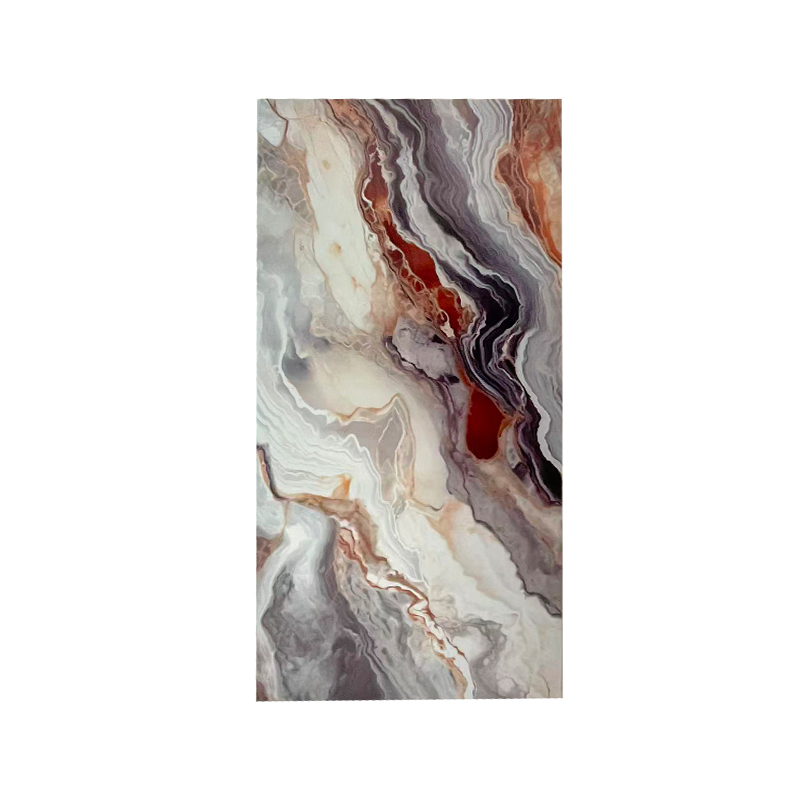
3D printed wall panels are made using advanced 3D stereoscopic inkjet printing technology. This process allows for the creation of wall panels that are tailored to individual tastes and needs. The panels can feature a wide range of patterns, including abstract art, natural scenery, or even personalized images, all thanks to high-definition printing technology. This makes them not only functional but also unique and customizable. The material used in these panels typically combines high-quality polymers, resins, or other composite materials designed to withstand the rigors of daily life.
Unlike traditional wall materials that require substantial labor for installation, 3D printed panels offer an efficient alternative. The printing process itself is often quicker, reducing both time and labor costs. This efficiency also results in a product that is lightweight compared to heavy traditional materials like brick or stone, making installation even easier.
Durability of 3D Printed Wall Panels
When comparing 3D printed wall panels to traditional wall materials, durability is one of the most critical factors. Traditional materials such as concrete, brick, and wood are known for their ability to withstand physical wear and tear, weather conditions, and general environmental stress. But how do 3D printed wall panels measure up?
-
Impact Resistance
3D printed wall panels are typically made from materials that are engineered to be durable. Some manufacturers use composite materials or resin-based compounds, which offer a high degree of impact resistance. While they may not be as strong as concrete or steel, these panels are certainly resilient enough to handle typical wear and tear in residential or light commercial environments. -
Environmental Resistance
In terms of resistance to moisture, temperature changes, and other environmental factors, 3D printed panels have made impressive strides. Many of these panels are designed to be waterproof, resistant to mold, and capable of withstanding humidity. However, their performance may vary depending on the material used. While traditional materials like brick and concrete are excellent at resisting moisture, 3D printed panels made with high-quality materials can offer similar levels of protection. -
Scratch and Abrasion Resistance
For high-traffic areas, traditional materials often come with concerns about scratches, dents, and other forms of abrasion. 3D printed wall panels, particularly those made with reinforced polymers or specialized coatings, can stand up to such conditions. Though not indestructible, the surface of these panels is designed to maintain its aesthetic appeal even with regular use.
Strength Comparison: 3D Printed vs. Traditional Materials
To compare the strength of 3D printed wall panels with traditional materials, we need to look at various factors, including structural integrity, weight distribution, and load-bearing capacity.
| Material | Strength Features | Advantages | Disadvantages |
|---|---|---|---|
| 3D Printed Wall Panels | Customizable strength, lightweight, impact-resistant | High design flexibility, faster installation, unique aesthetics | May have lower load-bearing capacity in extreme conditions |
| Wood | Good for insulation, sturdy if properly treated | Renewable, aesthetic appeal, easy to work with | Susceptible to rot, termites, and weather damage |
| Brick | High load-bearing capacity, durable | Classic appearance, highly durable, fire-resistant | Heavy, difficult to install, expensive |
| Concrete | Extremely strong, good for structural integrity | Ideal for large constructions, resistant to moisture | Heavy, difficult to modify, slow to install |
| Drywall | Lightweight, easy to install | Cost-effective, versatile, soundproofing | Not as durable, prone to cracking under stress |
From the table above, we can see that 3D printed wall panels hold an edge in certain aspects. They are lightweight, highly customizable, and resistant to impacts. However, they may not always compete with the load-bearing capacity of traditional materials like brick or concrete in heavy-duty applications.
Advantages of 3D Printed Wall Panels
3D printed wall panels are gaining attention not only for their aesthetic flexibility but also for their practical benefits. Here are a few of the standout advantages:
-
Customization
The ability to create personalized designs makes 3D printed wall panels ideal for both residential and commercial interiors. Whether it’s a custom logo, a photo, or an intricate piece of artwork, these panels can be made to match any decor theme. This level of personalization is something traditional materials simply can’t offer. -
Speed of Installation
One of the key selling points of 3D printed wall panels is the speed at which they can be installed. Traditional materials require significant time for construction, whether it’s bricklaying or drywall installation. In contrast, 3D printed panels can be produced and installed in a fraction of the time. -
Sustainability
Many 3D printed wall panels are made from eco-friendly materials, including recyclable resins and biodegradable polymers. This makes them a more sustainable choice compared to traditional materials, which may involve energy-intensive production processes and contribute to higher carbon footprints. -
Cost-Effectiveness
Due to their ease of production and quick installation, 3D printed wall panels can be more cost-effective than traditional options. With lower material costs and less labor required, the overall expense is typically reduced.
Applications and Use Cases
3D printed wall panels are suitable for a wide range of applications, from residential homes to commercial spaces. Some of the most common use cases include:
-
Residential Interior Design
In homes, 3D printed wall panels can add a personalized touch to living rooms, bedrooms, kitchens, and more. With the option to include artwork, scenic views, or personal photos, homeowners can create unique environments tailored to their preferences. -
Commercial and Office Spaces
For businesses, 3D printed panels offer the ability to create custom branding and signage. Additionally, they can be used to design themed rooms, accent walls, or even partition walls, allowing companies to reflect their brand identity in a creative way. -
Hotels and Hospitality
In the hospitality industry, the need for unique and attractive design elements is constant. 3D printed wall panels can provide a luxurious touch to lobbies, guest rooms, and dining areas, ensuring that guests are impressed by their surroundings.
Conclusion
In conclusion, while 3D printed wall panels may not yet fully rival the strength and load-bearing capacity of traditional materials like concrete or brick, they offer several advantages that make them an attractive option for modern interior design. Their lightweight nature, ease of installation, customization options, and eco-friendly appeal make them a viable alternative to conventional wall materials for both residential and commercial spaces.
FAQ
1. How long do 3D printed wall panels last?
3D printed wall panels, when made from high-quality materials, can last for many years. Their durability depends on the type of material used and the environmental conditions they are exposed to.
2. Are 3D printed wall panels suitable for exterior use?
While 3D printed wall panels are primarily designed for indoor use, some manufacturers produce panels that are weather-resistant and can be used for exterior applications, provided they are made from appropriate materials.
3. Do 3D printed wall panels require special maintenance?
Generally, 3D printed wall panels are easy to maintain. They can be cleaned with standard cleaning products, and their resistance to moisture and stains helps keep maintenance costs low.
4. Can 3D printed wall panels be used in high-traffic areas?
Yes, 3D printed wall panels can withstand normal wear and tear, but areas with heavy traffic may require panels made with reinforced materials to enhance their durability.
5. Are 3D printed wall panels affordable?
While 3D printed wall panels may be slightly more expensive than some traditional materials upfront, their ease of installation and customization options often make them a cost-effective choice in the long run.