EN
EN English
  русский
  Español
  عربى
عربى 
Introduction
When considering building or renovating your home, one of the most important decisions revolves around the materials used for wall cladding. Traditionally, wooden panels have been a staple choice due to their natural aesthetic and ease of installation. However, over the years, alternative materials like Wood-Plastic Composite (WPC) wall panels have gained significant traction in the construction industry.
Durability and Longevity
One of the most significant advantages of WPC wall panels over traditional wooden panels is their superior durability. While wood can be prone to cracking, warping, and rotting over time, WPC panels are engineered to withstand harsh environmental conditions, including moisture, temperature fluctuations, and UV rays. WPC is made by combining wood fibers with plastics, which provides added resilience against wear and tear.
Advantages of WPC Wall Panels:
- Moisture Resistance: WPC panels are resistant to water, reducing the chances of warping or rotting that often affects wood.
- Pest Resistance: Unlike wood, which can attract termites and other pests, WPC is not a suitable environment for these creatures.
- UV Stability: WPC panels maintain their color and texture for a longer time, even when exposed to sunlight, compared to wooden panels that tend to fade.
Environmental Sustainability
Sustainability is increasingly becoming a priority in modern construction. WPC wall panels are made from a combination of recycled wood fibers and plastic, making them an eco-friendly choice for builders and homeowners alike. By using WPC, the demand for timber is reduced, which helps conserve forests and natural resources.
Why WPC Is Sustainable:
- Recycled Materials: WPC panels utilize recycled wood fibers and plastics, which helps divert waste from landfills.
- Reduced Deforestation: Since WPC panels do not require the use of freshly cut timber, choosing them reduces the environmental impact of deforestation.
- Recyclability: WPC panels can also be recycled at the end of their lifecycle, contributing to a circular economy.
Low Maintenance Requirements
One of the most appealing features of WPC wall panels is their low-maintenance nature. Unlike wood, which requires regular sealing, staining, and treatment to prevent decay and damage from insects, WPC panels are virtually maintenance-free. They do not need periodic painting or treatment, saving both time and money for homeowners.
Maintenance Comparison:
| Feature | Wooden Panels | WPC Wall Panels |
|---|---|---|
| Maintenance Frequency | High (annual sealing) | Low (occasional cleaning) |
| Susceptibility to Moisture | High (prone to rotting) | Low (resistant to moisture) |
| Pest Resistance | Low (can attract pests) | High (no attraction to pests) |
| Color Retention | Fades over time | Maintains color longer |
Cost-Effectiveness
While the initial cost of WPC wall panels may be slightly higher than traditional wooden panels, their long-term value makes them a cost-effective choice. The durability, low maintenance, and long lifespan of WPC panels lead to significant savings over time. Additionally, the reduction in energy consumption due to better insulation properties makes WPC an attractive option for energy-efficient homes.
Cost Comparison Over Time:
- Wooden Panels: High long-term costs due to ongoing maintenance and replacements.
- WPC Panels: Lower long-term costs due to reduced maintenance and greater durability.
Aesthetic Appeal and Versatility
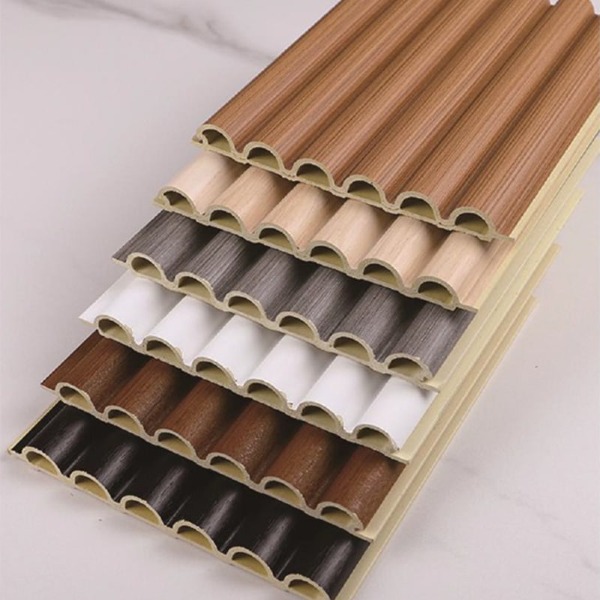
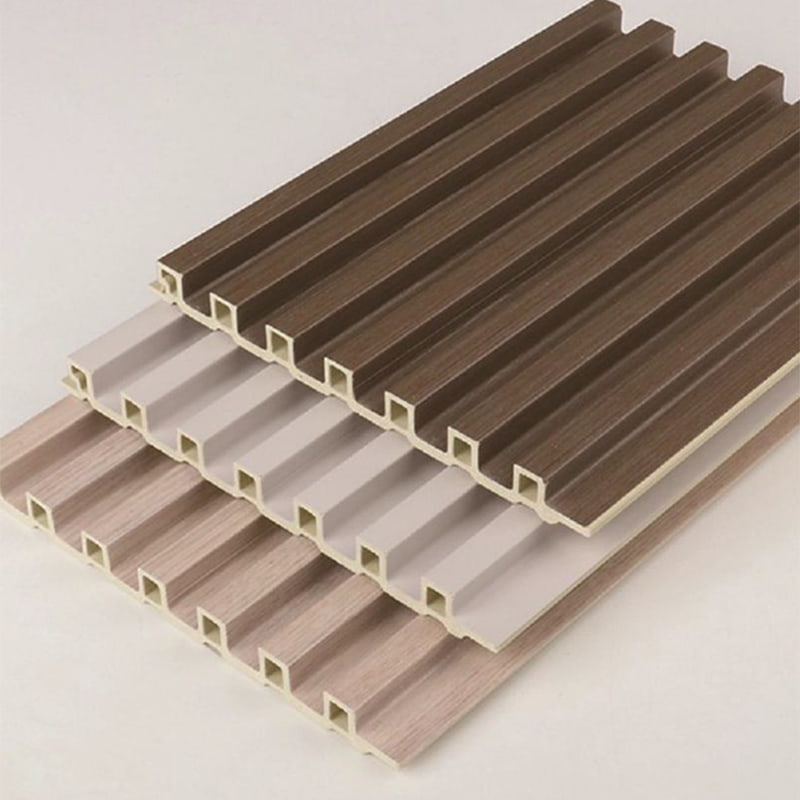
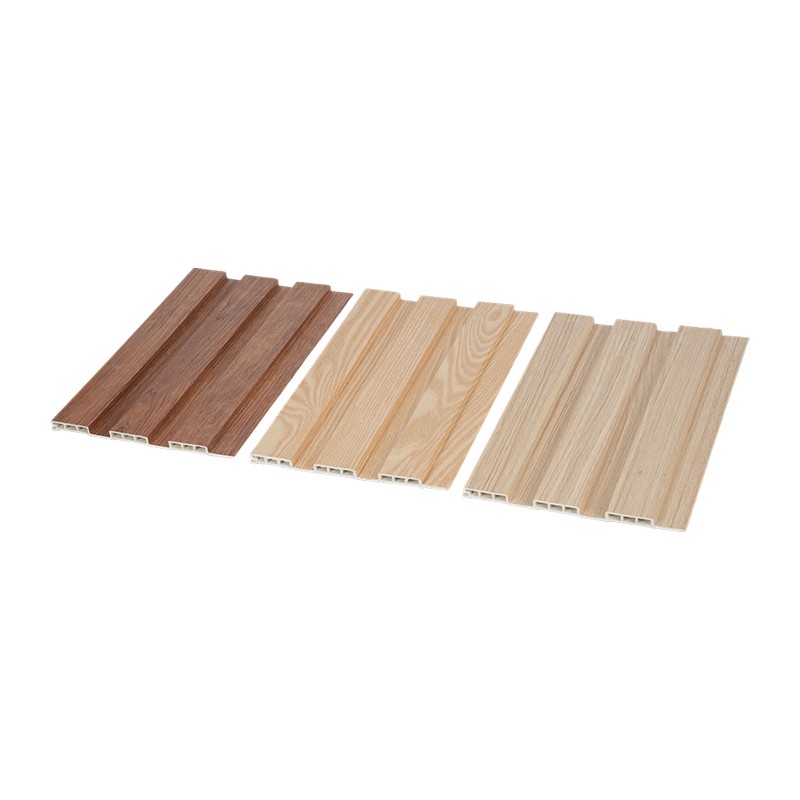
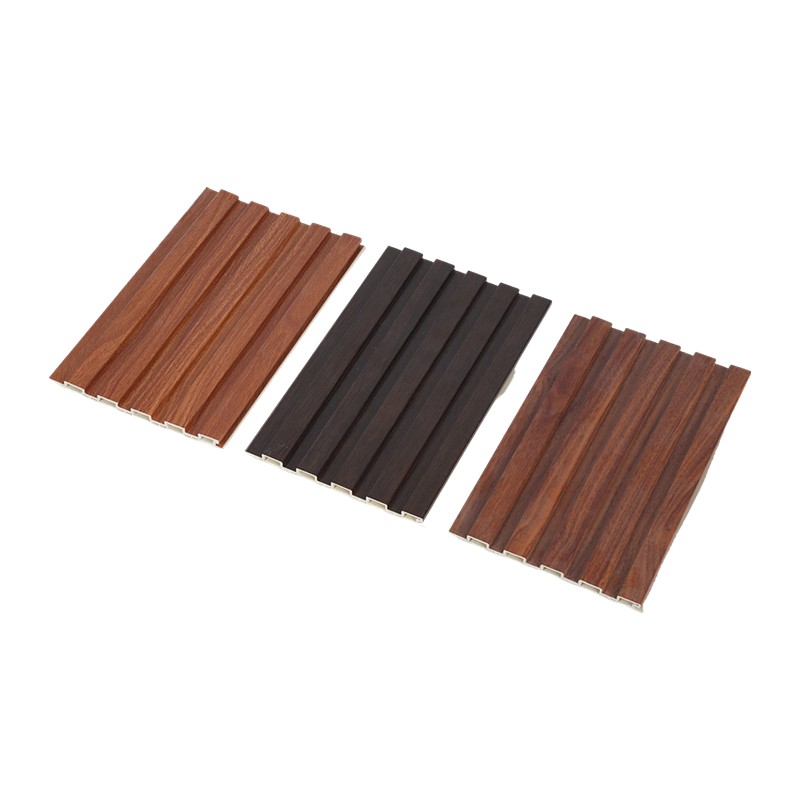
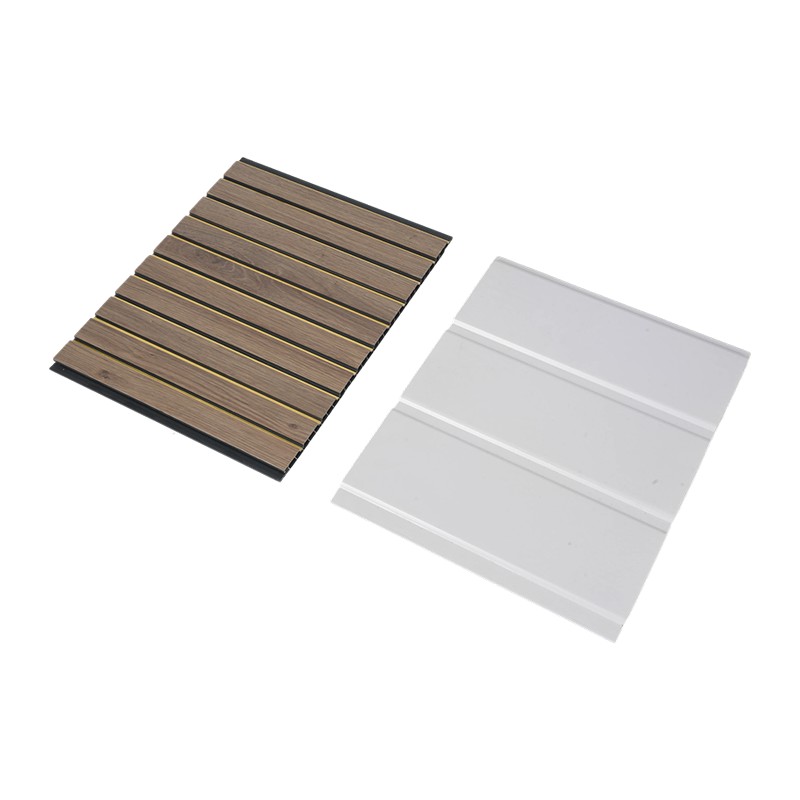
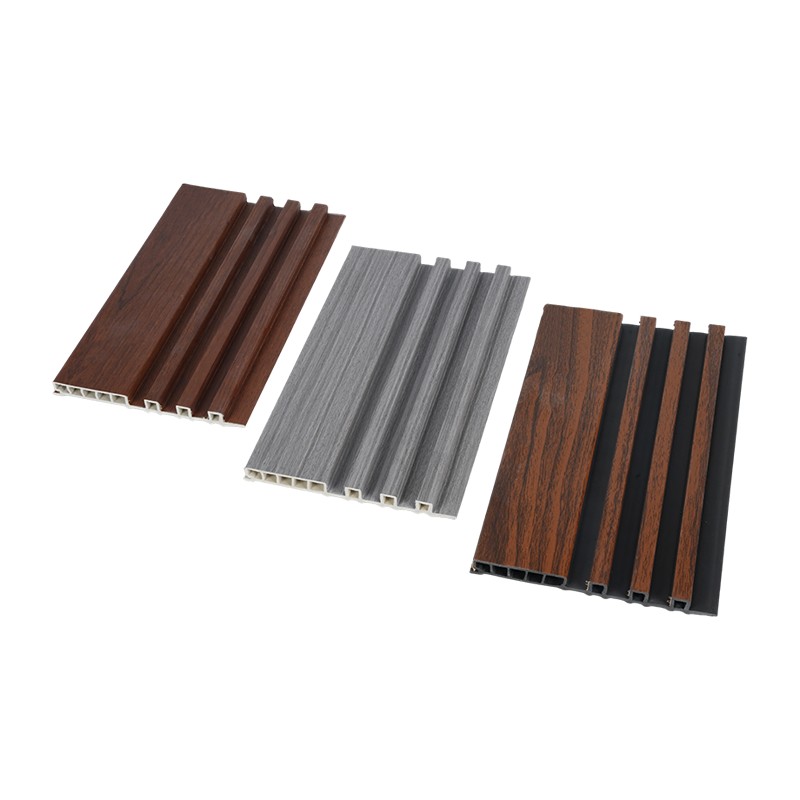
WPC wall panels offer a modern and sleek aesthetic while maintaining the natural look of wood. Available in a variety of textures, finishes, and colors, WPC panels can be customized to suit different architectural styles, from contemporary to rustic. This versatility makes WPC an excellent choice for both interior and exterior applications.
Design Flexibility:
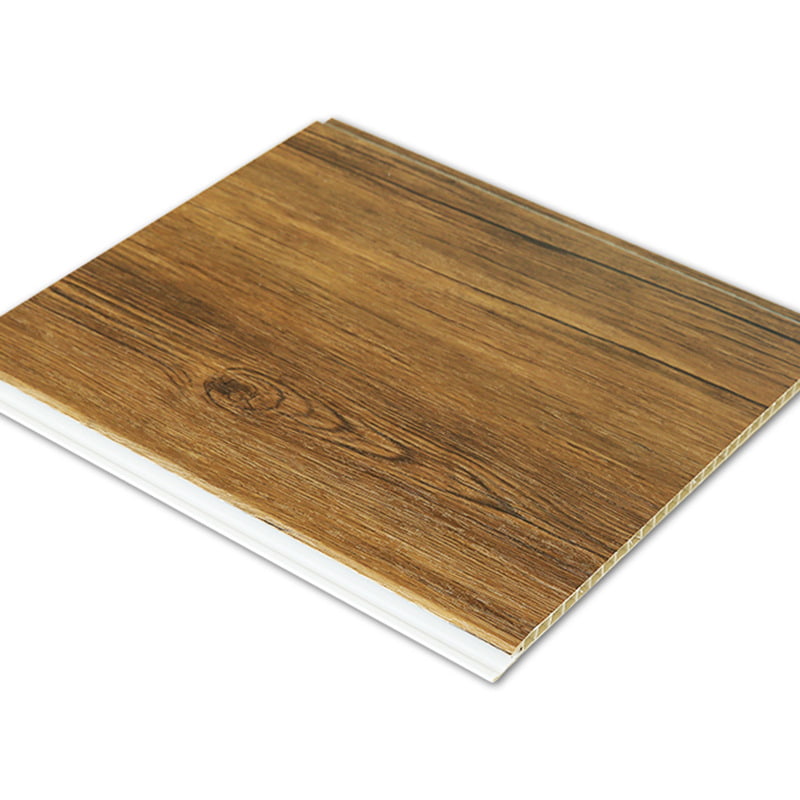
- Natural Look: WPC can replicate the appearance of real wood while offering enhanced durability.
- Wide Range of Finishes: Choose from different textures and colors to match your design vision.
- Suitable for Interior & Exterior: WPC panels are perfect for both indoor walls and outdoor cladding, making them a versatile building material.
Resistance to Weather Extremes
Unlike traditional wooden panels, WPC panels are designed to perform well in a variety of weather conditions, from intense heat to freezing temperatures. Wood can swell, warp, or crack when exposed to extreme weather, but WPC’s composite material structure ensures it remains intact and durable regardless of weather conditions.
Weather Resistance:
- Hot Climates: WPC panels resist the expansion and contraction that can damage wooden panels in hot weather.
- Cold Climates: WPC does not become brittle or crack in freezing temperatures, unlike wood.
- Rain and Snow: WPC panels do not absorb moisture, making them ideal for wet or snowy environments.
Conclusion
WPC wall panels provide a range of benefits over traditional wooden panels, including superior durability, sustainability, low maintenance, cost-effectiveness, and versatility in design. Whether you’re building a new home or renovating an existing one, WPC wall panels offer a modern and eco-friendly alternative to wood, with the added benefit of reduced long-term maintenance costs.
FAQ
1. What are the key advantages of using WPC wall panels?
- WPC wall panels offer superior durability, moisture resistance, pest resistance, and low maintenance compared to traditional wooden panels.
2. Are WPC panels eco-friendly?
- Yes, WPC panels are made from recycled wood fibers and plastics, making them an environmentally sustainable option.
3. How long do WPC wall panels last?
- WPC wall panels are highly durable and can last for several decades with minimal maintenance.
4. Can WPC panels be used for both indoor and outdoor applications?
- Yes, WPC panels are versatile and suitable for both indoor walls and outdoor cladding.
5. How do WPC panels compare in cost to traditional wooden panels?
- While WPC panels may have a higher initial cost, they are more cost-effective in the long run due to lower maintenance and longer lifespan.