EN
EN English
  русский
  Español
  عربى
عربى 
Introduction
Renovating your home or commercial space can be an exciting yet challenging endeavor. One of the most important aspects of any renovation project is choosing the right materials. When it comes to wall coverings, PVC wall panels are quickly becoming a popular choice due to their versatility, durability, and cost-effectiveness.
What Are PVC Wall Panels?
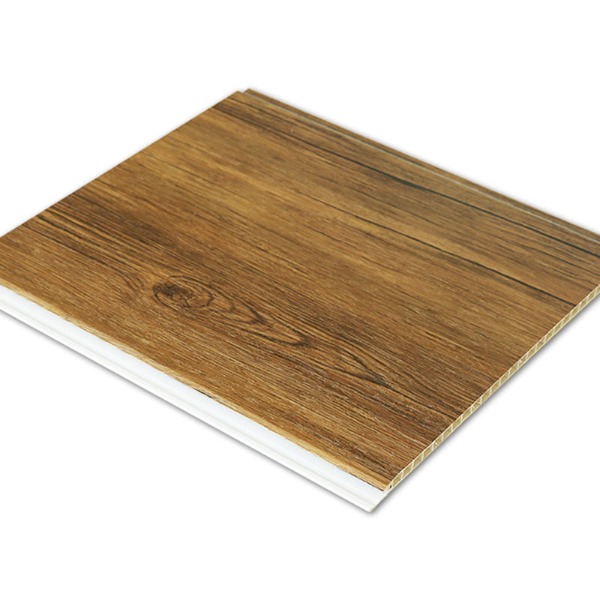
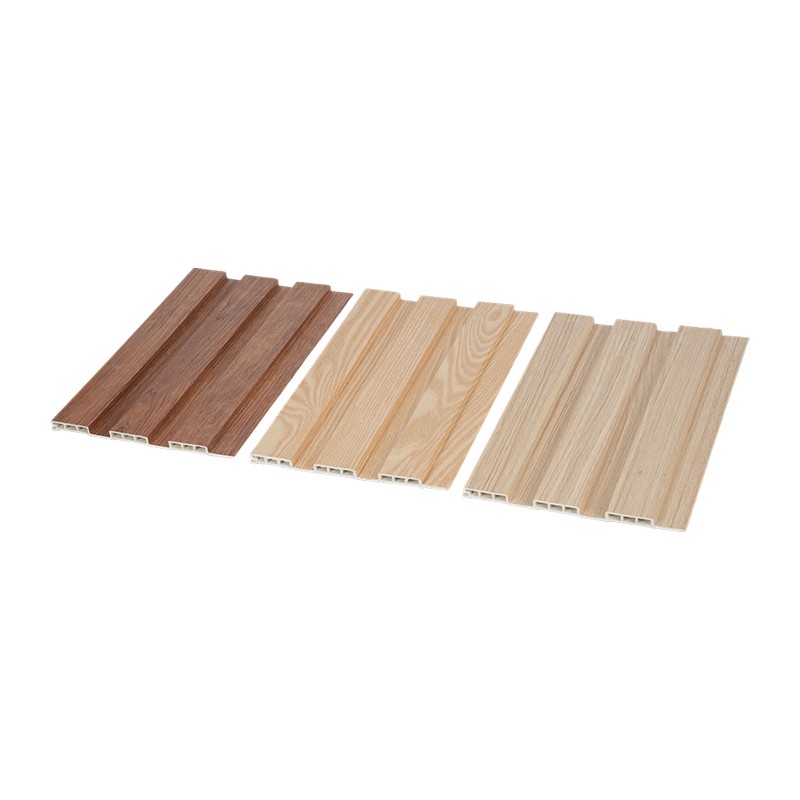
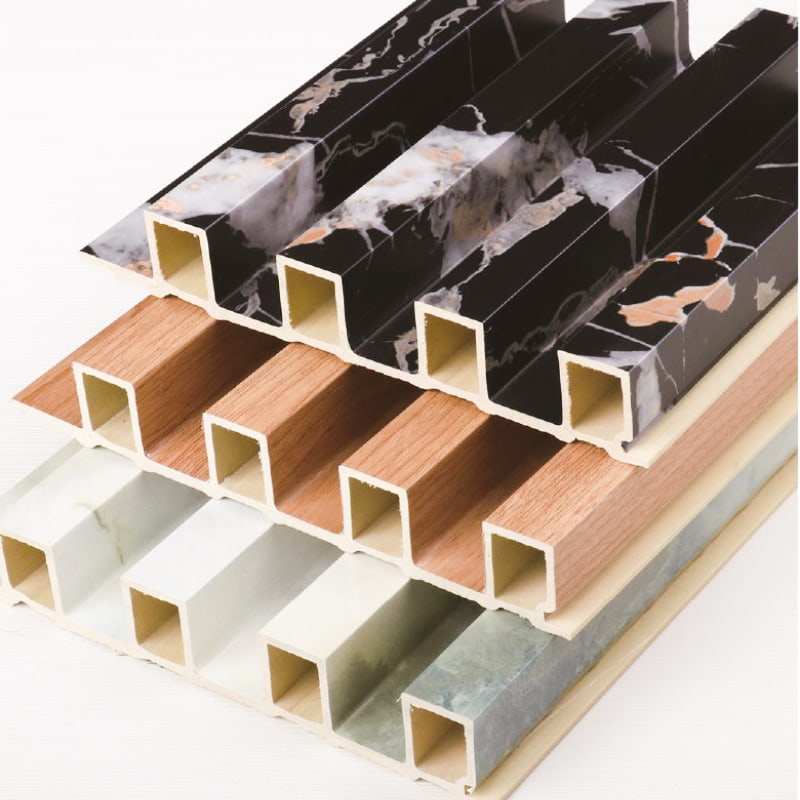
PVC wall panels are engineered from high-grade polyvinyl chloride, designed to provide a perfect blend of style and functionality. These panels are available in a variety of finishes, colors, and designs, making them an attractive option for both residential and commercial applications.
- Substrate Layer: The foundation of the panel, providing structural integrity.
- PVC Resin Layer: The resilient core, offering strength and flexibility.
- Decorative Film Layer: Customizable with designs, colors, and patterns.
- Protective Layer: Shields against moisture, impacts, mold, and termites.
Advantages of PVC Wall Panels
Before diving into the selection process, it’s essential to understand the benefits of PVC wall panels. These panels offer numerous advantages, making them an ideal choice for various renovation needs.
- Durability: PVC panels are resistant to moisture, mold, and termites, unlike wood or stone.
- Low Maintenance: They require minimal upkeep, only occasional cleaning.
- Cost-Effective: PVC wall panels are more affordable than many traditional wall materials.
- Versatility: Available in a wide range of designs, from classic to contemporary.
- Easy Installation: PVC panels can be installed with minimal effort, saving time and labor costs.
Factors to Consider When Choosing PVC Wall Panels
When selecting the best PVC wall panels for your renovation project, several factors should be considered to ensure that you choose the right product for your needs.
Location of Use (Indoor vs. Outdoor)
PVC wall panels can be used for both indoor and outdoor applications, but it’s essential to choose the right type for each environment.
- Indoor Applications: If you are using PVC panels in interior spaces, consider panels with decorative finishes that complement your home’s decor. PVC panels are ideal for bathrooms, kitchens, living rooms, and bedrooms.
- Outdoor Applications: For exterior use, opt for UV-resistant panels that can withstand harsh weather conditions. These panels are ideal for areas like patios, balconies, and even the exterior of buildings.
Design and Aesthetic Appeal
The design of your PVC wall panels can drastically change the look and feel of a room. Here are a few things to keep in mind:
- Color and Texture: Choose a color and texture that fits your overall design scheme. PVC panels come in a range of finishes, from smooth, glossy surfaces to textured, wood-like appearances.
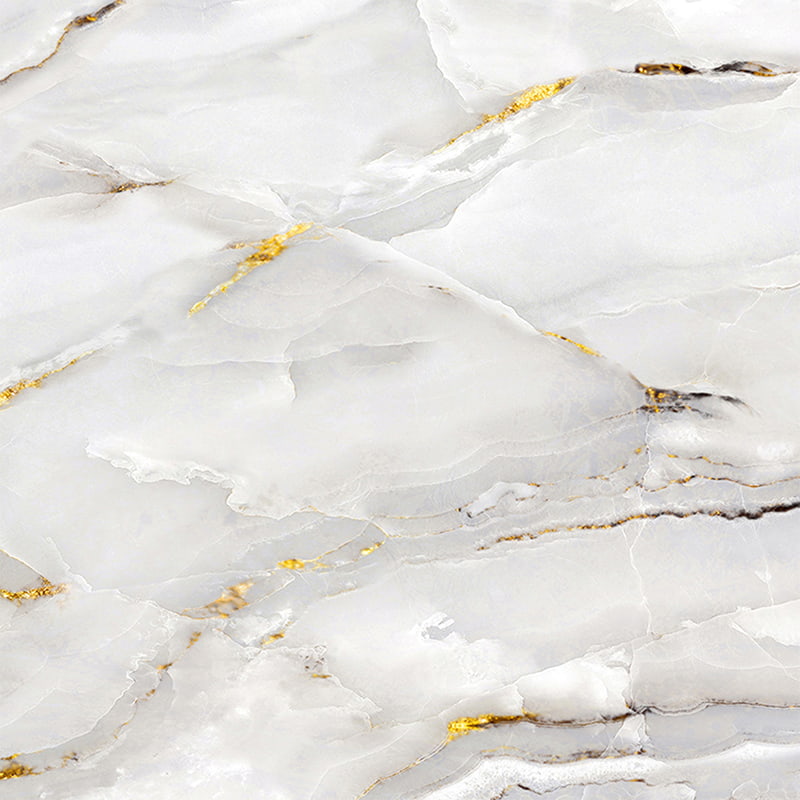
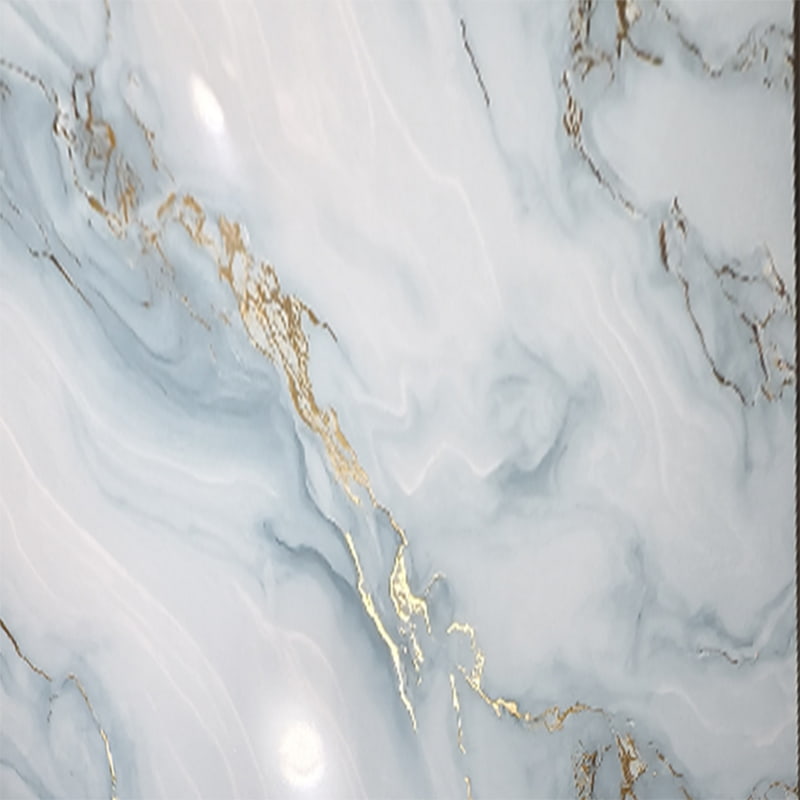
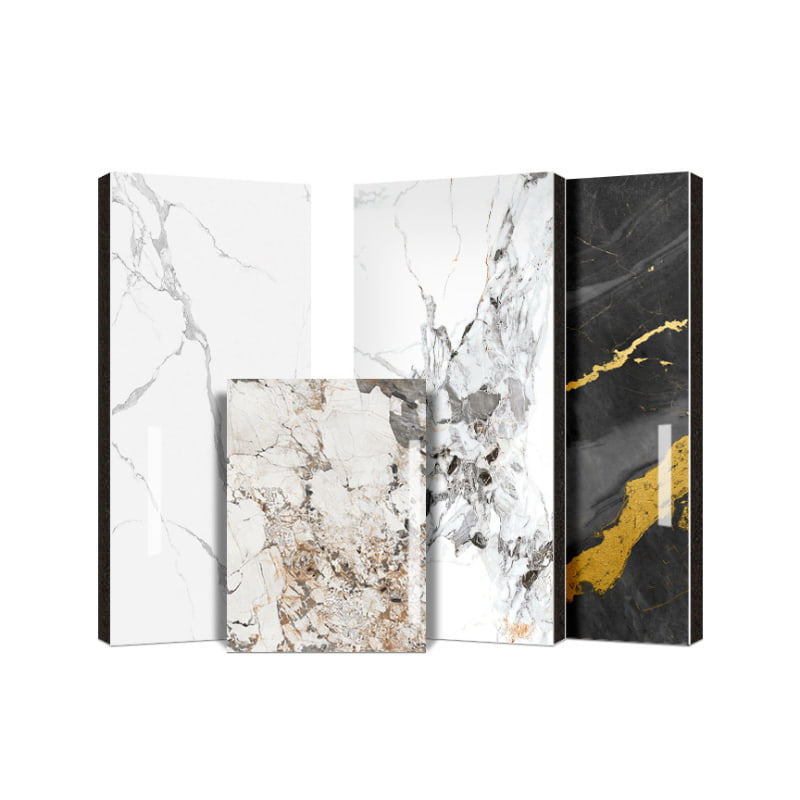
- Patterns: Many PVC panels offer customizable designs, including patterns such as marble, stone, or woodgrain, to match your aesthetic preferences.
Panel Thickness and Durability
The thickness of the PVC panel impacts its strength and longevity. Thicker panels tend to be more durable and provide better insulation, while thinner panels are more flexible and lightweight.
| Panel Thickness | Applications | Advantages | Disadvantages |
|---|---|---|---|
| 5-7mm | Interior walls, ceilings | Affordable, lightweight | Less durable |
| 8-10mm | High-traffic areas, exterior | More durable, better insulation | Heavier |
| 12mm+ | Outdoor walls, industrial applications | Long-lasting, sturdy | Expensive, harder to install |
Water Resistance and Moisture Protection
For areas exposed to high humidity or moisture, such as bathrooms or kitchens, it’s essential to choose PVC panels that are water-resistant. PVC is naturally resistant to water, but some panels have additional protective coatings to enhance their waterproof capabilities.
Installation Process
Ease of installation is one of the major advantages of PVC wall panels. These panels can be installed with adhesive, nails, or clips, making the process relatively simple compared to traditional materials like drywall or wood. Some panels come with interlocking edges, making them easier to install seamlessly.
| Installation Method | Pros | Cons |
|---|---|---|
| Adhesive | Quick and easy | Can be messy |
| Clips | Durable, secure | Requires tools |
| Nails | Strong, long-lasting | Takes more time |
Maintenance and Cleaning
PVC wall panels require minimal maintenance compared to wood or stone walls. However, it’s essential to know the best cleaning methods to preserve their appearance.
- Regular Cleaning: Wipe the panels down with a damp cloth and mild soap solution.
- Avoid Harsh Chemicals: Do not use abrasive cleaners or solvents that can damage the protective layer.
Cost vs. Quality
As with any product, there is a balance between cost and quality. While PVC wall panels are generally more affordable than traditional materials, it’s important not to compromise on quality for the sake of a lower price. Ensure that the panels you select are made from high-quality PVC and are suitable for your specific application.
How to Choose the Best PVC Wall Panel for Your Project
Now that we have covered the essential factors, here’s a step-by-step guide to help you select the best PVC wall panels for your renovation project:
Define Your Budget: Determine how much you are willing to spend on wall panels, keeping in mind the size of the area to be covered and the quality you need.
Assess the Area: Consider the location (indoor or outdoor) and the moisture levels in the area. This will help you choose the right type of PVC panel.
Choose Your Design: Pick a design that complements your space. Consider the colors, textures, and patterns available in PVC wall panels.
Check Thickness and Durability: Choose a panel thickness that matches the wear and tear of the space where it will be used.
Evaluate Installation Method: Decide whether you want to install the panels yourself or hire a professional.
Conclusion
PVC wall panels offer a cost-effective and practical solution for various renovation projects. By carefully considering factors such as location, design, durability, and installation, you can make an informed decision that best suits your needs. Whether you’re renovating a bathroom, updating your living room, or enhancing your exterior walls, PVC wall panels provide a versatile, stylish, and long-lasting option for your space.
FAQ
1. What are the benefits of PVC wall panels over traditional materials?
PVC panels are more durable, cost-effective, and require less maintenance than traditional materials like wood or stone.
2. Can PVC wall panels be used outdoors?
Yes, but it’s important to choose UV-resistant panels for outdoor applications to withstand the elements.
3. How do I clean PVC wall panels?
Simply wipe them with a damp cloth and mild soap solution. Avoid using harsh chemicals.
4. Are PVC wall panels easy to install?
Yes, PVC wall panels are easy to install, with methods such as adhesive, clips, or nails available for different needs.
5. What is the average lifespan of PVC wall panels?
With proper maintenance, PVC wall panels can last for many years, making them a long-term investment.