EN
EN English
  русский
  Español
  عربى
عربى 
In recent years, interior design has seen a shift toward more sustainable, aesthetic, and cost-effective solutions. Wood veneer wall panels have emerged as a leading choice for enhancing interior spaces with a natural, timeless appeal. Whether you’re redesigning a home or outfitting a commercial property, wood veneer wall panels offer a combination of functionality, style, and environmental benefits.
Aesthetic Appeal of Wood Veneer Wall Panels
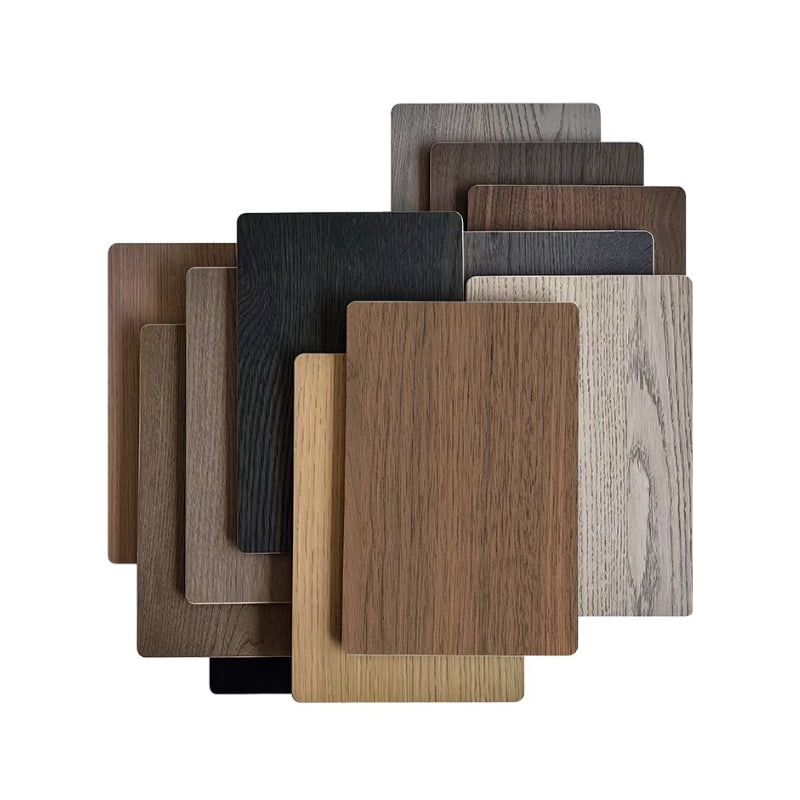
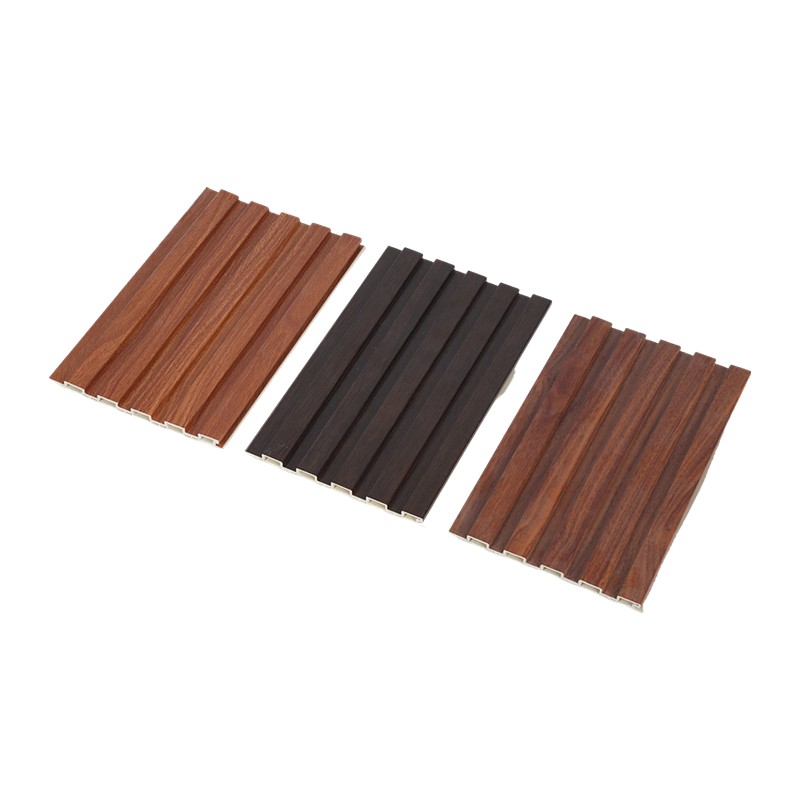
Wood veneer wall panels, particularly wood veneer WPC (Wood Plastic Composite) panels, provide an elegant, natural appearance that transforms any space. The natural wood grain patterns bring warmth and sophistication to interiors, making them an excellent choice for both modern and traditional design schemes. Available in various finishes, wood veneer panels can be used to create a high-end look without the prohibitive costs associated with solid wood.
Key Benefits of Aesthetic Appeal:
- Warmth & Texture: The natural wood appearance brings a touch of nature indoors, making spaces feel cozy and inviting.
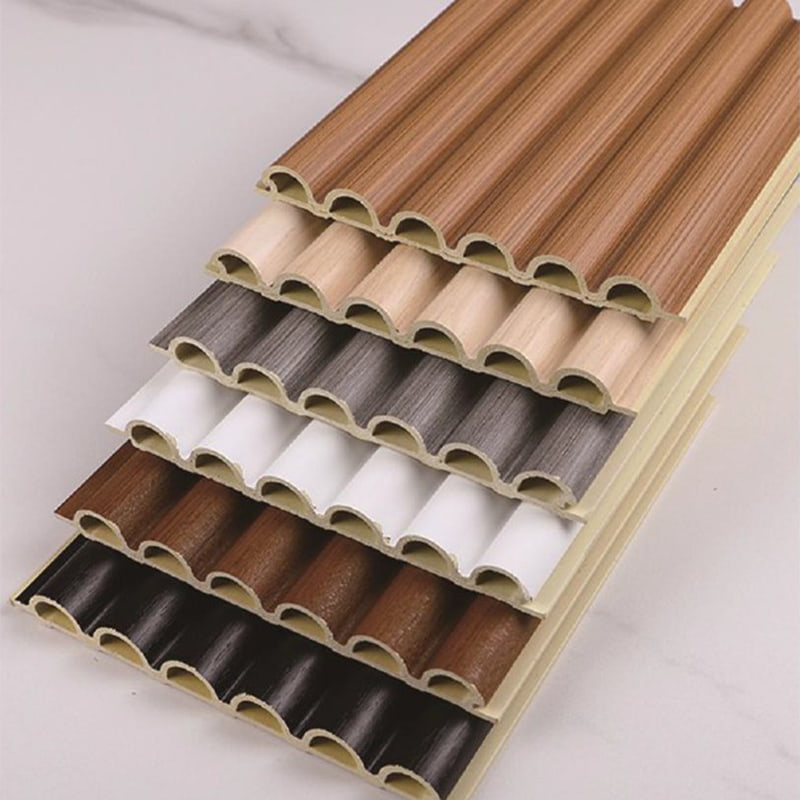
- Customization: With a variety of color choices and finishes available, wood veneer wall panels can suit any design style, from rustic to contemporary.
- Versatility: These panels can be installed in different parts of a room, including accent walls, ceilings, and partitions, to enhance the overall interior aesthetic.
Durability and Longevity
One of the primary reasons wood veneer WPC panels are increasingly favored in interior design is their exceptional durability. The three-layer construction of these panels enhances their strength and resilience, ensuring they maintain their appeal for years to come. The core layer is made from a robust composite of wood fibers and plastic, giving the panels a firm structural integrity that resists wear and tear.
Core Layer Features:
- Moisture Resistance: The wood plastic composite material is highly resistant to moisture, reducing the risk of warping or degradation, making it ideal for areas such as kitchens and bathrooms.
- Impact Resistance: The layered construction provides excellent protection against impacts and scratches, ensuring the panels stay in pristine condition over time.
Sustainability and Eco-Friendliness
Sustainability has become a core consideration in interior design, and wood veneer wall panels offer an eco-friendly alternative to traditional materials. By opting for wood veneer WPC panels, you contribute to environmental conservation efforts. These panels are made using a blend of wood fibers and recycled plastic materials, offering a solution that reduces the reliance on solid wood and minimizes waste.
Sustainability Advantages:
- Reduced Deforestation: Using wood veneers rather than solid wood helps preserve forests and supports sustainable timber management.
- Recycled Materials: WPC panels incorporate recycled plastic materials, reducing the environmental impact of manufacturing and waste production.
Cost-Effectiveness
When compared to traditional solid wood panels or luxury wall coverings, wood veneer wall panels are significantly more affordable. The lower cost does not mean sacrificing quality or aesthetics. With wood veneer WPC panels, you can achieve the same look and feel of solid wood at a fraction of the price.
Financial Benefits:
- Affordable Luxury: Wood veneer wall panels provide the high-end look of real wood without the high price tag.
- Low Maintenance: Unlike solid wood, which requires frequent maintenance and refinishing, wood veneer panels are easy to care for, saving on long-term maintenance costs.
Easy Installation and Maintenance
Wood veneer wall panels are relatively lightweight and easy to install, making them a convenient option for both professional designers and DIY enthusiasts. Their flexibility allows them to be applied in various configurations, whether you’re aiming for sleek, uniform wall coverage or a more textured and layered look.
Installation and Care Tips:
- Quick Setup: The panels can be easily cut and adjusted to fit any room size, making the installation process smoother and faster.
- Low Maintenance: Simply wipe down with a damp cloth to keep the surface clean. WPC panels are highly resistant to stains, mold, and mildew.
Weather and UV Resistance
One of the standout features of wood veneer WPC panels is their resistance to UV radiation. Traditional wood surfaces tend to fade or degrade under direct sunlight, but WPC panels are designed to resist UV damage, ensuring their color and appearance remain vibrant over time. This makes them an excellent choice for spaces with abundant natural light or areas exposed to sunlight.
Benefits of UV Resistance:
- Color Retention: WPC panels maintain their rich, wood-like color without fading, even when exposed to sunlight.
- Outdoor Use: These panels are suitable for both indoor and outdoor applications, providing versatility for any project.
Product Features Table: WPC Wood Veneer Wall Panels
| Feature | Description |
|---|---|
| Material | A mix of wood fibers and virgin polymer resins for enhanced durability. |
| Core Layer | Robust composite that provides structural strength and longevity. |
| Decorative Layer | Available in various colors and finishes for aesthetic customization. |
| Protective Layer | Guards against moisture, UV radiation, mold, and termite damage. |
| Applications | Suitable for both interior and exterior cladding, walls, and ceilings. |
| Sustainability | Made from recycled materials, reducing deforestation and environmental impact. |
| Maintenance | Low-maintenance and easy to clean, offering long-term cost savings. |
Conclusion
Wood veneer wall panels, particularly wood veneer WPC panels, represent a significant leap forward in both design and functionality. Their aesthetic appeal, durability, sustainability, and cost-effectiveness make them a compelling choice for modern interior spaces.
FAQ
1. What are wood veneer wall panels made of?
Wood veneer wall panels are typically made from a composite material, which includes wood fibers and virgin polymer resins. This combination gives the panels strength, durability, and a natural wood-like appearance.
2. Can wood veneer wall panels be used outdoors?
Yes, wood veneer WPC panels are UV-resistant and moisture-resistant, making them suitable for both indoor and outdoor applications.
3. How long do wood veneer wall panels last?
Wood veneer wall panels are designed to be long-lasting. Thanks to their durable core and protective layers, they resist wear and tear, making them a great investment for any interior design project.
4. Are wood veneer WPC panels more affordable than solid wood?
Yes, wood veneer WPC panels are significantly more affordable than solid wood, offering the same aesthetic appeal at a fraction of the price.
5. How should I maintain wood veneer wall panels?
Wood veneer wall panels are easy to maintain. Simply wipe them with a damp cloth to remove dust and dirt. They are also resistant to mold, mildew, and stains, reducing long-term maintenance costs.