EN
EN English
  русский
  Español
  عربى
عربى 
When it comes to interior design, architecture, and even automotive applications, decorative PVC film has become an increasingly popular choice. It provides aesthetic appeal, durability, and versatility in various design environments. Whether you are renovating your home, designing a commercial space, or working on a product development project, selecting the right decorative PVC film is crucial to achieving your desired results.
Material Composition and Durability
The material composition of decorative PVC film plays a significant role in its durability, resistance, and overall quality. PVC (polyvinyl chloride) is a versatile and widely-used plastic that can be manufactured in different forms to achieve various levels of flexibility, thickness, and texture.
-
Thickness: Decorative PVC films come in a range of thicknesses. Thicker films tend to be more durable and resistant to wear and tear, making them ideal for high-traffic areas or surfaces that experience frequent handling.
-
Wear and Tear Resistance: High-quality decorative PVC films are resistant to scratches, stains, and fading. This makes them suitable for applications in environments where long-lasting performance is required, such as office furniture, flooring, and wall coverings.
-
Environmental Resistance: Certain decorative PVC films offer enhanced resistance to factors such as UV radiation, moisture, and extreme temperatures. This is particularly important for outdoor applications or in spaces exposed to high humidity.
Factors to consider:
| Feature | Recommended for |
|---|---|
| Thickness | Heavy-duty areas (furniture, walls) |
| Scratch resistance | High-traffic areas |
| UV and moisture resistance | Outdoor or high-humidity applications |
Aesthetic Appeal and Design Flexibility
One of the main reasons people opt for decorative PVC film is its ability to enhance the aesthetic appeal of a space or product. Decorative PVC films are available in various colors, textures, and finishes, offering extensive design flexibility.
-
Colors and Patterns: Decorative PVC films come in solid colors, patterns, and even custom designs. Whether you are looking for a modern, minimalist look or something more vibrant and bold, there are countless options to suit your aesthetic needs.
-
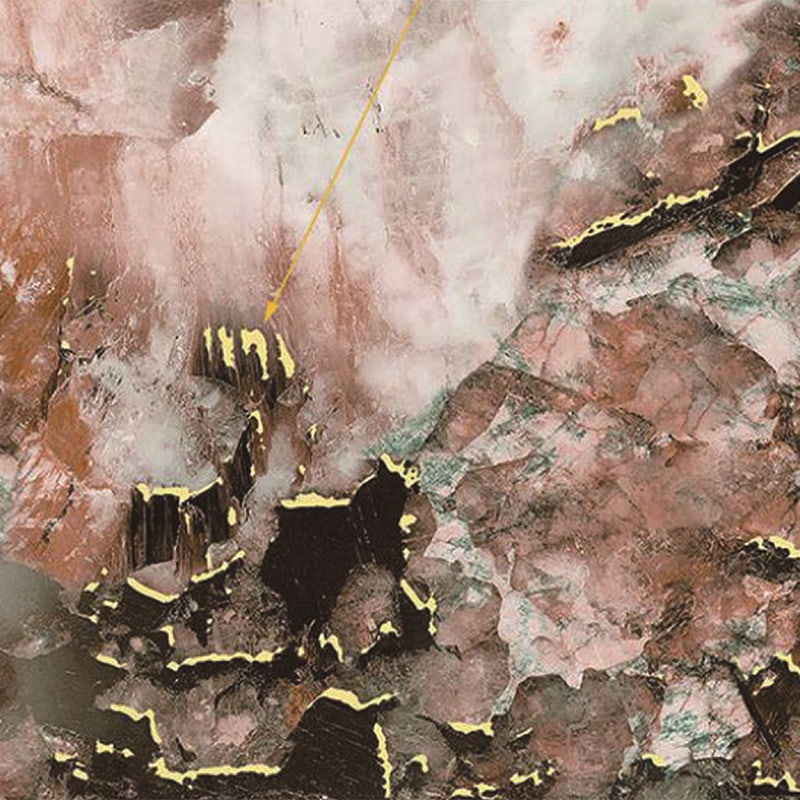
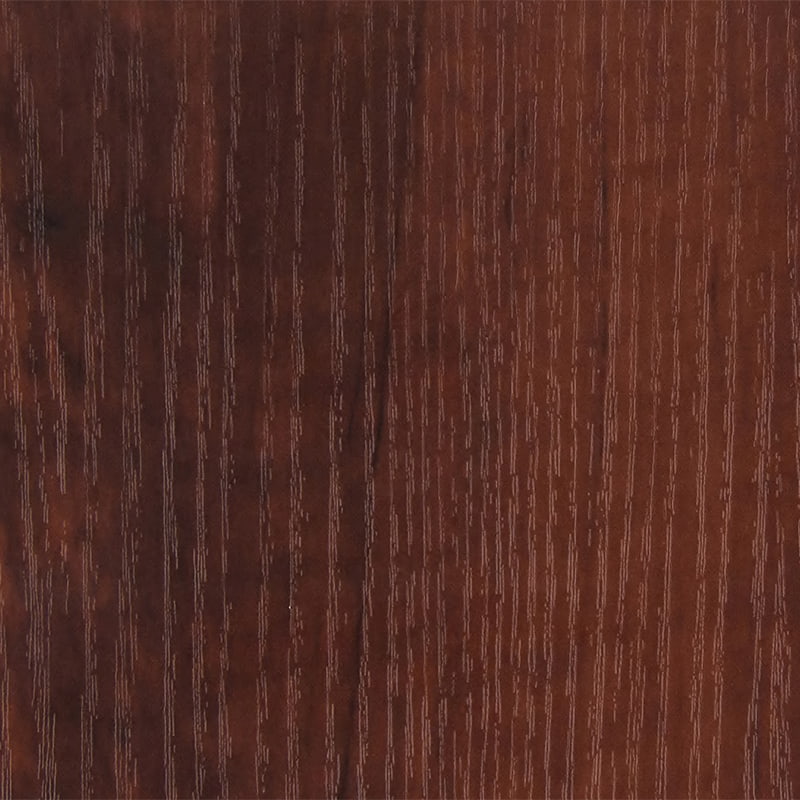
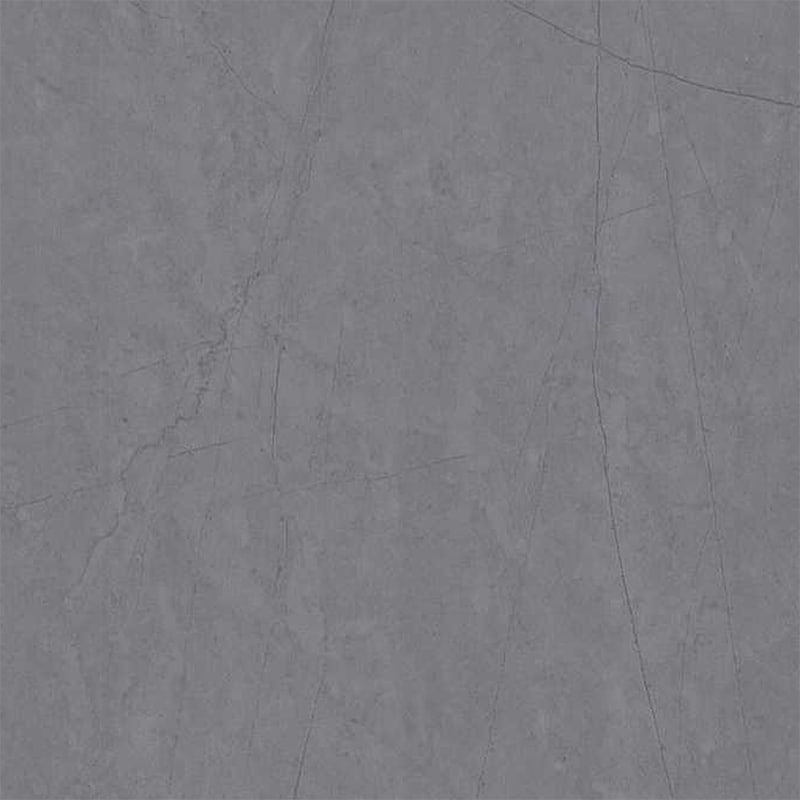
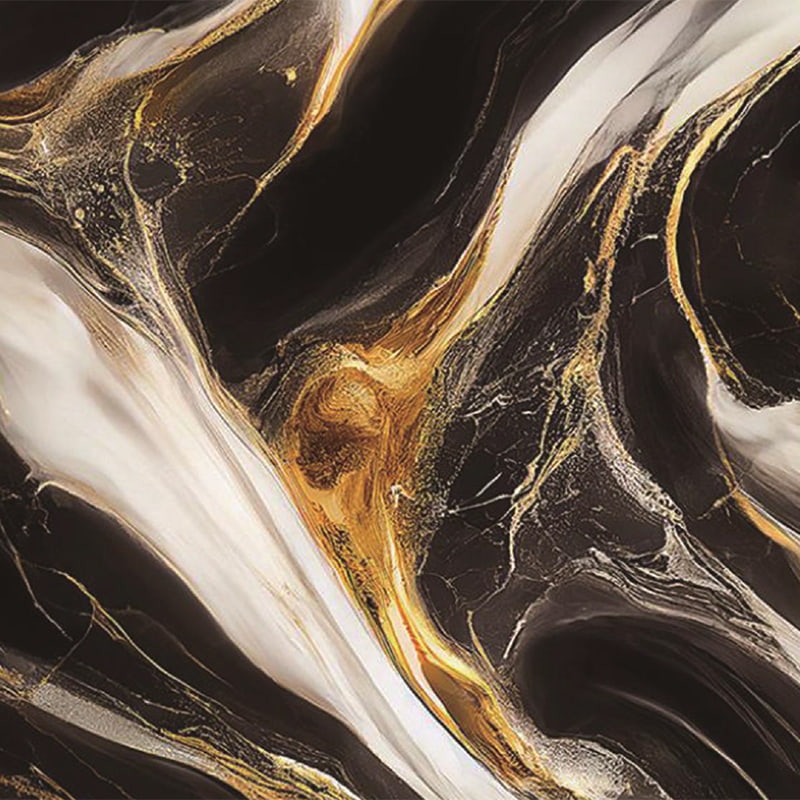
Textures and Finishes: PVC films can mimic various textures such as wood, stone, leather, fabric, and metal. Additionally, the finish of the film, whether matte, gloss, or satin, can significantly impact the overall look and feel of the surface.
-
Customization: Some manufacturers offer the ability to create custom designs for decorative PVC films. This can be particularly useful when working on branding, signage, or unique architectural projects.
Key aesthetic considerations:
| Feature | Recommended for |
|---|---|
| Color and pattern variety | Interior design, commercial spaces |
| Textures (wood, fabric, metal) | Furniture, walls, automotive interiors |
| Customization options | Branding, unique designs |
Application Method
The ease of application is another important factor to consider when selecting a decorative PVC film. Depending on your project, you may need a film that is easy to install, remove, and reposition.
-
Self-Adhesive PVC Films: These are easy to apply and are ideal for DIY projects. They come with an adhesive backing that sticks directly to the surface, requiring no additional glue or tools.
-
Heat Transfer Films: Heat transfer PVC films are applied using heat and pressure, making them suitable for industrial or large-scale projects.
-
Vinyl Wraps: PVC films are often used in vinyl wraps, especially for vehicles. These films require professional installation to ensure a smooth and wrinkle-free finish.
Application methods:
| Method | Recommended for |
|---|---|
| Self-adhesive | DIY home projects, furniture, small décor |
| Heat transfer | Industrial use, large-scale applications |
| Vinyl wrap | Automotive applications |
Environmental and Health Considerations
PVC film, like other synthetic materials, has potential environmental and health concerns. When selecting a decorative PVC film, it’s essential to consider the environmental impact of the material as well as any potential health risks associated with its use.
-
Eco-friendly Options: Some manufacturers offer PVC films made from recycled materials or using environmentally friendly processes. These options are becoming more popular as sustainability becomes a top priority in construction and interior design.
-
Low-VOC and Non-Toxic Films: For applications in indoor spaces, it’s important to choose PVC films that are low in volatile organic compounds (VOCs) and non-toxic. This ensures better air quality and a healthier environment.
Environmental considerations:
| Feature | Recommended for |
|---|---|
| Eco-friendly films | Sustainable building, interior design |
| Low-VOC, non-toxic options | Indoor applications, health-conscious projects |
Cost and Budget Considerations
Cost is a significant factor when choosing decorative PVC films for a project. The price of PVC films varies based on factors such as quality, thickness, and design complexity.
-
Standard PVC Films: Basic PVC films in simple designs and finishes tend to be more affordable and suitable for budget-conscious projects.
-
Premium PVC Films: High-end decorative films with custom designs, superior durability, and advanced features (such as UV resistance and eco-friendly materials) may come at a higher price point.
While premium options offer more long-term value, budget-conscious projects may find standard PVC films sufficient for their needs.
Budget considerations:
| Film Type | Cost Range |
|---|---|
| Standard PVC films | Affordable, suitable for simple designs |
| Premium PVC films | Higher cost, durable, and feature-rich |
Maintenance and Cleaning
Decorative PVC films are relatively low maintenance, but some films may require more frequent cleaning or care than others. The choice of film can impact how easy it is to maintain the appearance of your surfaces over time.
-
Easy-to-Clean Films: Some PVC films have smooth, glossy finishes that resist dirt and stains, making them easier to clean with a simple wipe down.
-
High-Traffic Areas: For areas with high foot traffic or use, choose films with higher resistance to scratches and stains to maintain their appearance over time.
Maintenance considerations:
| Film Type | Maintenance Level |
|---|---|
| Glossy, smooth finishes | Low maintenance, easy to clean |
| High-traffic area films | Moderate maintenance, durable |
FAQ
1. What is the difference between decorative PVC film and regular PVC film?
Decorative PVC films are specifically designed to enhance the aesthetic appeal of a surface. They come in a wide variety of textures, colors, and patterns, while regular PVC films are primarily used for functional purposes, such as packaging and protection.
2. Can I use decorative PVC film on outdoor surfaces?
Yes, but ensure that the PVC film you choose is specifically designed for outdoor use. Look for films with UV resistance and high durability to withstand environmental conditions.
3. How can I apply decorative PVC film to furniture?
Most decorative PVC films are self-adhesive, making them easy to apply to furniture surfaces. Simply clean the surface, peel off the backing, and apply the film smoothly, using a tool to eliminate any air bubbles.
4. Is decorative PVC film a sustainable choice for eco-conscious projects?
While traditional PVC film can have environmental concerns, many manufacturers now offer eco-friendly PVC films made from recycled materials or using low-impact processes.
5. How long does decorative PVC film last?
The lifespan of decorative PVC film depends on factors such as thickness, UV resistance, and the environment in which it’s used. High-quality PVC films can last for several years with proper care and maintenance.