EN
EN English
  русский
  Español
  عربى
عربى 
What Are WPC Wall Panels?
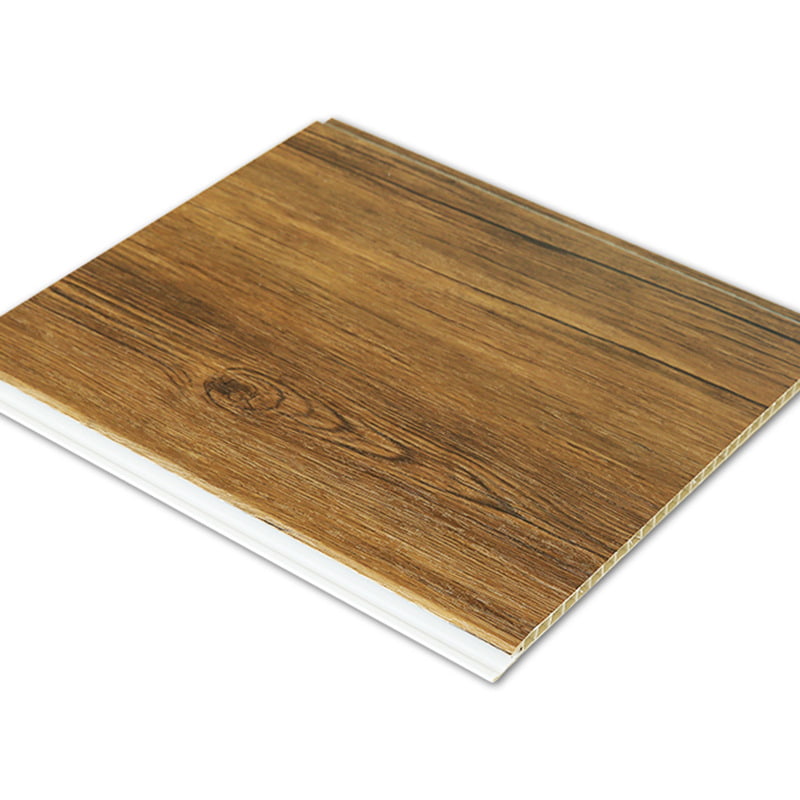
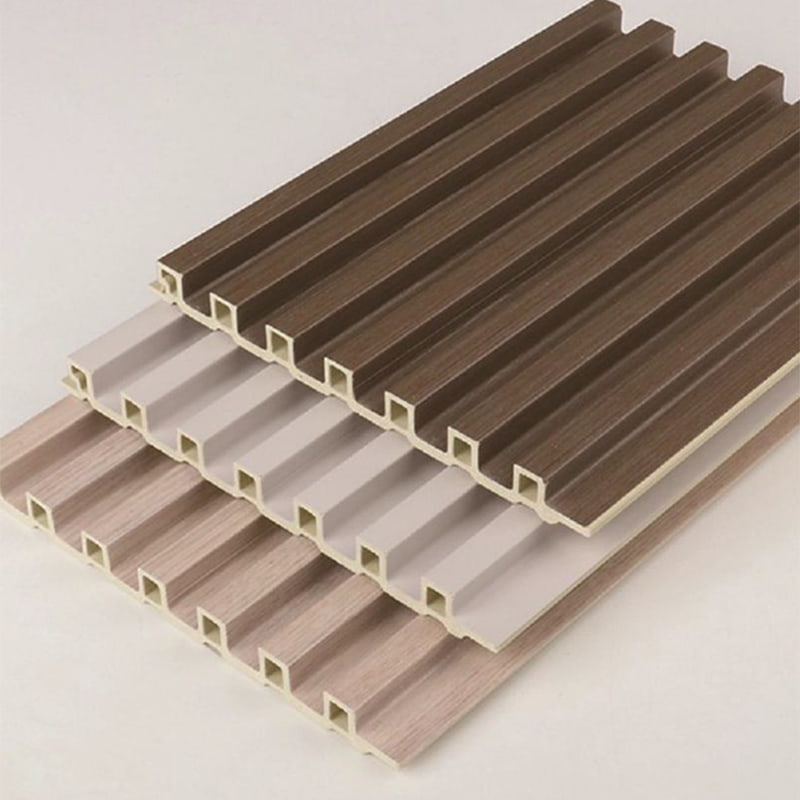
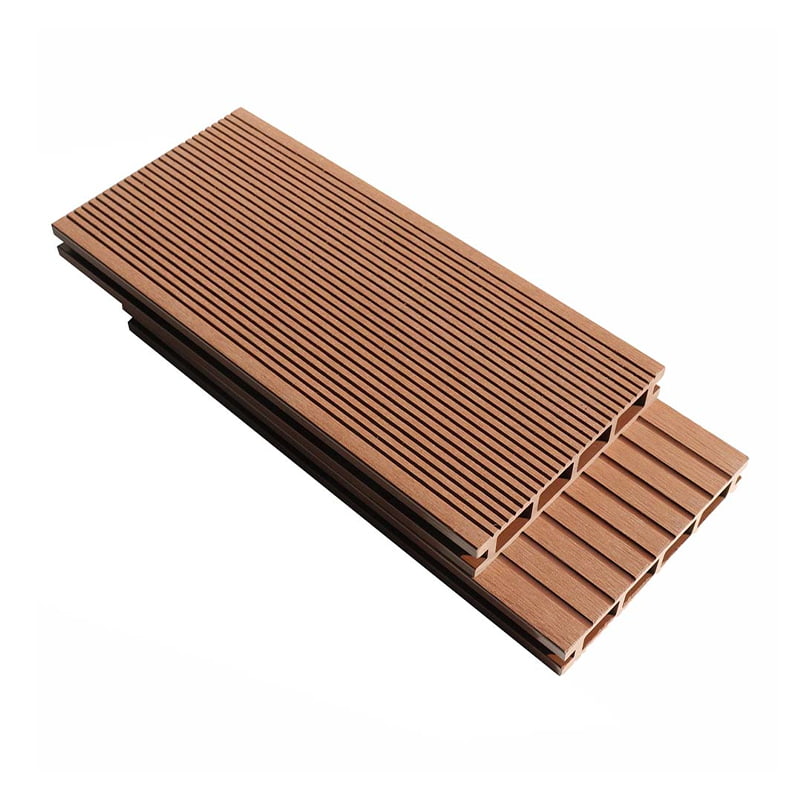
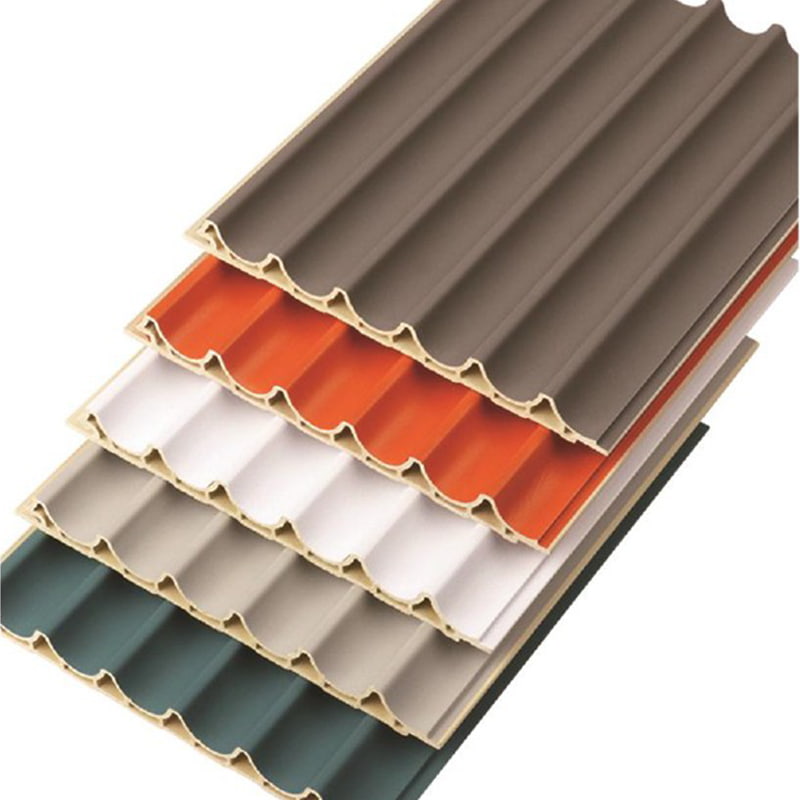
Wood-Plastic Composite (WPC) wall panels are engineered hybrid materials that combine natural wood fibers with thermoplastics and performance additives. Unlike traditional timber, WPC is designed to withstand moisture, extreme temperatures, and insect attacks without warping or rotting.
Core Composition (with real data)
40–60% recycled wood fibers / bamboo powder – provides natural texture and grain.
30–40% thermoplastics (PVC, PE, or PP) – delivers waterproofing, impact resistance, and structural integrity.
5–10% specialty additives – includes UV inhibitors, anti-oxidants, and fire retardants to prevent fading and enhance safety.
This composition is extruded under high heat to form dense, rigid panels that mimic real wood but eliminate its weaknesses. Typical density ranges from 1.2 to 1.4 g/cm³, making WPC much more stable than natural wood.
Key Advantages of WPC Exterior Panels (Data‑Driven)
WPC panels outperform traditional siding materials in several quantifiable ways:
Moisture resistance: Water absorption rate ≤ 1.5% (compared to 15–30% for untreated wood).
Durability: Expected service life 20–30 years with minimal degradation.
UV stability: High-quality panels retain ≥90% of original color after 1000 hours of accelerated weathering.
Fire performance: Achieves Class B or C fire rating (self-extinguishing) vs. untreated wood (Class C/D).
Maintenance reduction: Requires only soap-and-water cleaning every 6–12 months – no staining or sealing needed.
These panels also provide improved sound insulation (STC rating increase of 5–8 points) compared to vinyl or bare wood siding, making homes noticeably quieter.
Technical Specifications & Performance Data
Below is a clear comparison of WPC versus natural wood and PVC panels – essential for selecting the right material for your exterior.
| Property | WPC Panels | Natural Wood | PVC Panels |
|---|---|---|---|
| Water absorption | <1.5% | 15–30% (swells) | ~0.1% (brittle) |
| Thermal expansion coefficient | 4–6 × 10⁻⁵ /°C | 3–5 × 10⁻⁵ /°C (but unpredictable) | 7–8 × 10⁻⁵ /°C |
| UV resistance (fading) | High with additives | Poor (requires annual coating) | Moderate – yellows over time |
| Lifespan (exterior) | 20–30 years | 10–15 years (with heavy maintenance) | 15–20 years (cracking risk) |
How to Choose a Reliable WPC Wall Panel Manufacturer
Since WPC quality varies significantly across producers, evaluating manufacturers is crucial for long-term performance. Use the following checklist to identify a trustworthy partner:
Flowchart: 4 Steps to Verify a WPC Manufacturer
Manufacturer Evaluation Checklist
| Criteria | What to look for |
|---|---|
| Material composition transparency | Exact % of recycled wood/plastic, additive type (e.g., HALS for UV) |
| Environmental certifications | FSC for wood fibers, REACH or RoHS compliance for safety |
| Minimum order quality consistency | Bulk density tolerance ±5%, color consistency ΔE ≤ 1.5 |
| After-sales support | Installation guidelines, replacement policy, technical hotline |
Key takeaway: A manufacturer that openly shares test data and offers a comprehensive warranty is far more reliable than one that only provides generic marketing claims.
Installation Essentials for a Flawless Finish
Correct installation determines the long-term appearance and stability of WPC cladding. Follow these mandatory rules:
Leave expansion gaps – 5–8 mm between panels and at ends for every 10 m of length (prevents buckling in summer heat).
Use a starter strip – ensures the first row is perfectly level; non‑negotiable for professional results.
Substrate preparation – the wall must be clean, dry, flat (deviation ≤ 3 mm per 2 m).
Fastener selection – stainless steel or coated screws, pre‑drilling recommended to avoid material stress.
Ignoring expansion gaps is the #1 cause of wavy or cracked WPC facades. Always consult the manufacturer’s specific spacing chart – some products require different gaps based on core density.
Maintenance Tips to Prolong Panel Life
One of the biggest advantages of WPC is its low maintenance. A simple routine keeps it looking new for decades:
Cleaning: Hose down or wipe with mild soap and soft brush twice a year. Avoid pressure washers above 800 PSI.
Inspect seals/caulking – reapply exterior-grade sealant every 5–7 years at corners and window junctions.
Scratch removal: Lightly sand with 180–220 grit paper along the grain, then clean. Deep scratches are not structural.
No staining, sealing, or painting is ever required – saving you at least 40–60 hours of labor and hundreds of dollars over a 10‑year period compared to natural wood siding.
Frequently Asked Questions (FAQ)
How long do WPC wall panels actually last outdoors?
High-quality WPC panels have a proven lifespan of 20 to 30 years in exterior applications, even in coastal or freeze-thaw climates. Lower density or additive‑poor products may degrade faster.
Can WPC panels be painted if I want a different color?
Not recommended. The color is integral to the material; painting would require regular repainting and defeats the low‑maintenance purpose. Choose a manufacturer with a wide color range upfront.
Do WPC panels fade in direct sunlight?
All materials fade slightly, but premium WPC includes UV stabilizers that limit fading to ΔE ≤ 3 after 5 years (barely perceptible to the eye). Cheaper panels without additives can fade noticeably within 2 years.
Are WPC panels fire‑safe for homes near wildland areas?
Many WPC products achieve Class B or C fire ratings (self‑extinguishing). Always check the manufacturer’s test report – they are generally safer than untreated wood but not as fire‑resistant as fiber cement.