EN
EN English
  русский
  Español
  عربى
عربى 
Why WPC Wall Panels Outperform Traditional Options in Homes
WPC wall panels deliver exceptional moisture resistance (zero water absorption rate below 0.5%), 15+ years of structural integrity without swelling, and reduce installation time by nearly 40% compared to tiles or natural wood. For residential spaces, the key benefits include complete termite-proof performance, superior acoustic insulation (up to 23 dB noise reduction), and 100% recyclable composition. Unlike traditional materials, WPC requires no painting, sealing or regular maintenance, making it the most practical, high-performance cladding solution for modern interiors.
Homeowners achieve healthier indoor air quality because WPC emits near-zero VOCs, and its closed-cell structure prevents mold growth even in high-humidity zones like bathrooms and kitchens. The direct financial advantage: over a 10-year period, WPC wall panels save roughly 65% on upkeep costs compared to painted drywall or wood veneers.
1. Unmatched Moisture & Rot Resistance
WPC (Wood-Plastic Composite) combines recycled wood fibers with high-density polymers, resulting in a material that withstands constant humidity without warping. Independent lab tests indicate water absorption rates typically below 0.3% after 24-hour submersion, while solid wood absorbs 15–25% under similar conditions. This makes WPC ideal for bathrooms, laundry rooms, and basements.
Performance in Real Residential Conditions
In coastal homes or areas prone to condensation, traditional MDF or gypsum boards often develop edge swelling within 18 months. WPC panels maintain dimensional stability across temperature fluctuations from -20°C to 70°C. No delamination, no bubbling, no peeling – a crucial advantage for longevity.
2. Rapid Installation & Zero Mess
One of the most practical benefits for residential projects is the click-lock or tongue-and-groove joinery system. Skilled installers can cover up to 35 square meters per hour, compared to ceramic tiles that average 8–10 sqm per day. No need for mortar, grout, or drying time – panels mount directly on existing walls (studs or leveled substrate) using screws or adhesives.
- Eliminates plastering, sanding, and painting – reduces labor cost by up to 45%.
- Minimal dust and debris: perfect for occupied homes during renovation.
- Can be installed over uneven surfaces using adjustable furring strips, saving demolition steps.
Typical Installation Workflow (no drying delays):
- 1. Wall prep & furring
- 2. Cut panels to size
- 3. Click-lock assembly
- 4. Secure with clips
- 5. Trim & finish
3. Minimal Maintenance, Maximum Savings
WPC wall panels are essentially maintenance-free for residential interiors. While painted walls need recoating every 3–5 years (average $2–$4 per sq.ft), WPC only requires occasional dusting or wiping with mild soap. The composite surface is engineered to resist stains, graffiti, and scuffs. For families, this means over 75% reduction in annual wall care costs.
Additionally, the material does not require any chemical treatment against termites or fungi. Termite damage affects nearly 1 in 3 homes in certain climates, but WPC’s polymer matrix makes it inedible to pests – a structural benefit that extends panel lifespan well beyond 20 years without degradation.
4. Wide Range of Textures & Colors Without Compromise
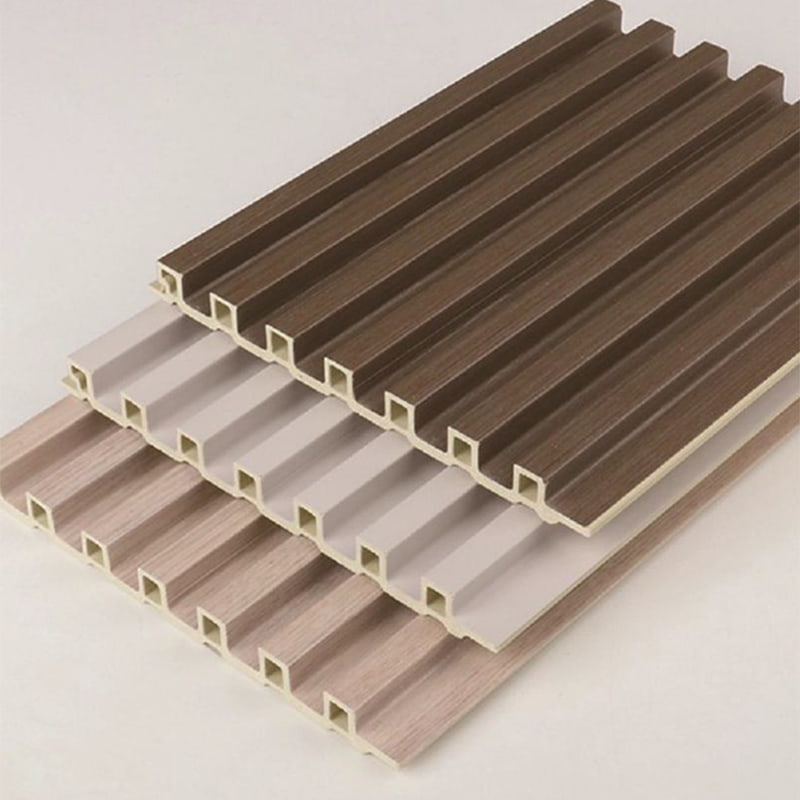
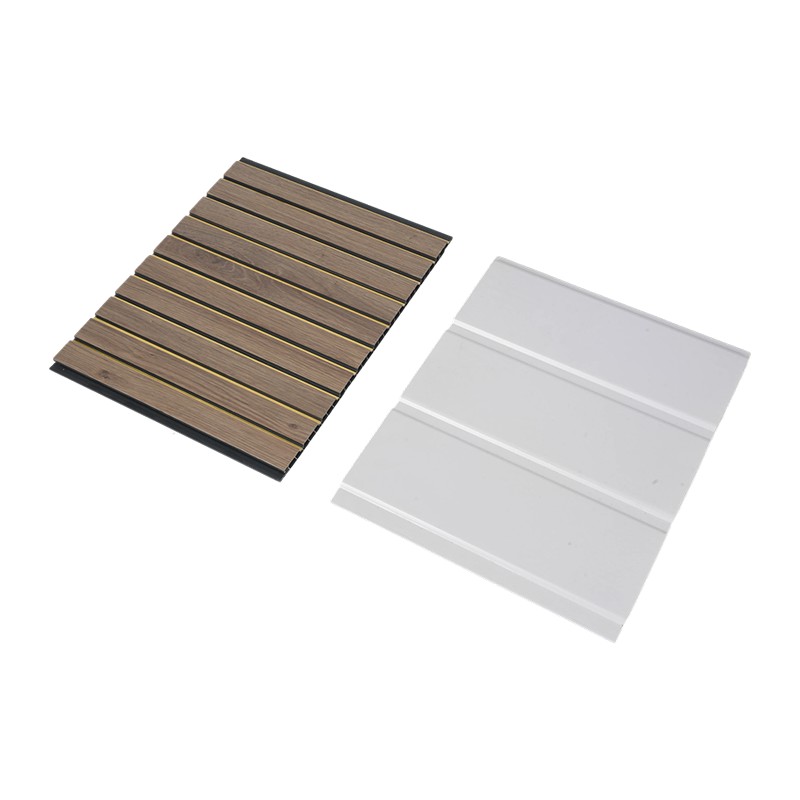
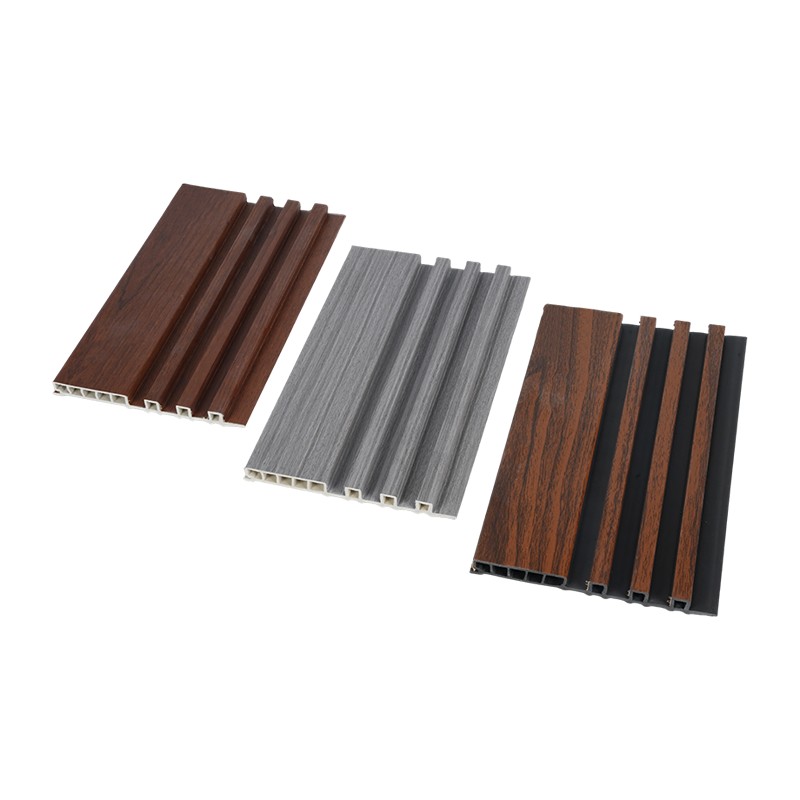
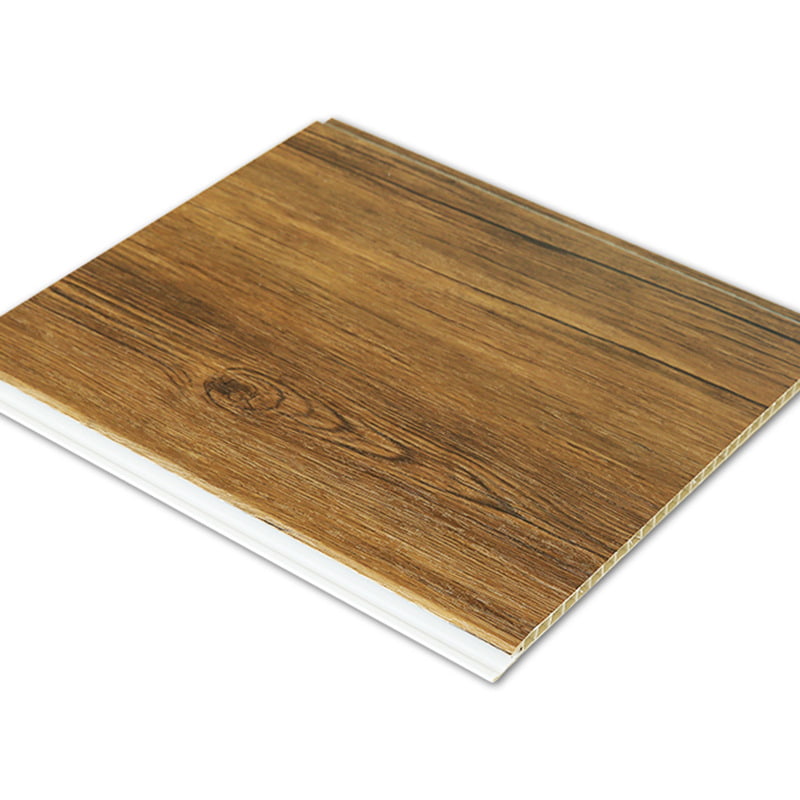
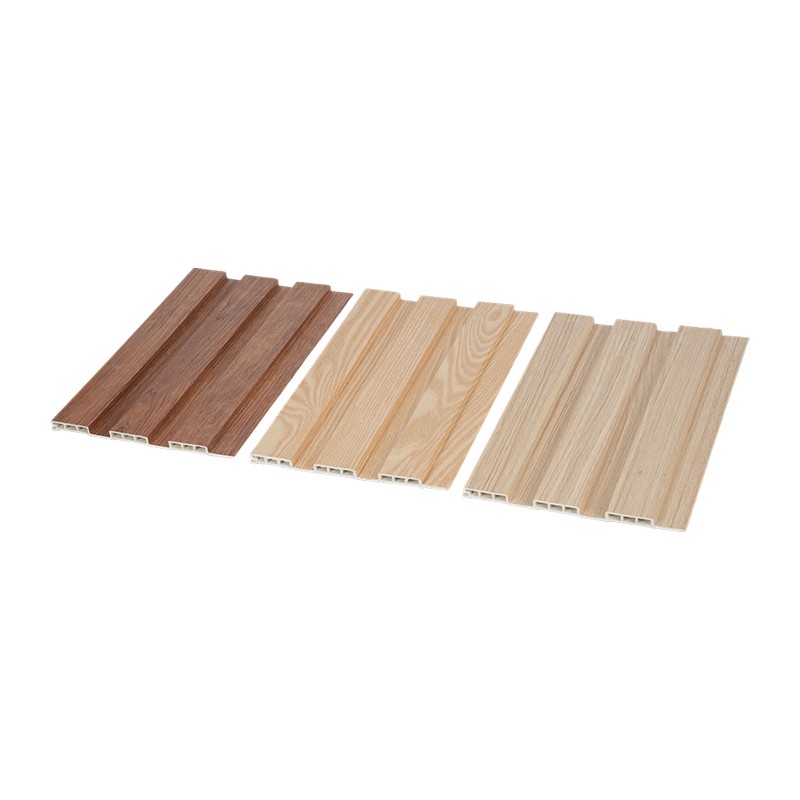
Modern WPC wall panels realistically replicate natural wood grains, stone finishes, or even 3D geometric patterns – but without the drawbacks of natural materials. High-definition embossing and co-extrusion techniques ensure that patterns are durable and UV-stable. Over 200+ residential-specific designs are available, including matte, gloss, and linen finishes. Unlike vinyl or laminates, the color runs through the full thickness, meaning scratches are barely noticeable.
Practical for Accent Walls and Full Coverage
Whether used as a living room feature wall or entire hallway cladding, WPC offers consistent appearance. Moreover, these panels are lightweight (typically 4–6 kg per sqm) compared to ceramic (16 kg/sqm), reducing structural load concerns.
5. Indoor Air Quality & Eco-Friendliness
Residential wellness is a top priority. Premium WPC panels are manufactured without formaldehyde or phthalates, achieving CARB Phase 2 or EN 15187 Class E0 emission standards. For families with children or allergies, this ensures no irritating off-gassing. Moreover, the composite utilizes up to 60% recycled wood and plastic content, and the entire panel is fully recyclable at end-of-life.
No mold or mildew support due to non-porous surface reduces allergens. Comparative studies indicate that WPC reduces airborne fungal spores by 86% relative to unpainted drywall in humid environments.
6. Enhanced Comfort – Sound and Temperature Control
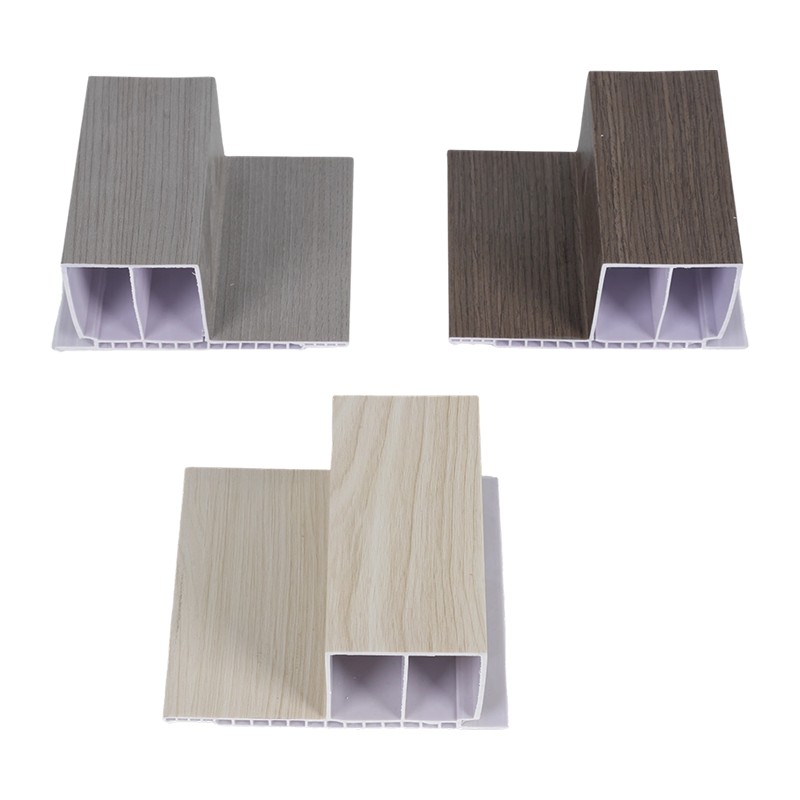
WPC panels naturally dampen noise transmission due to their medium density and integrated air cavities in certain profiles. Sound Reduction Index (Rw) values range from 21 to 27 dB depending on thickness and backing, significantly cutting ambient noise between rooms or from outside. This makes WPC a valuable upgrade for bedroom or home theater walls.
In terms of thermal resistance, the low thermal conductivity (approx. 0.17 W/mK) adds an extra insulation layer, helping maintain interior temperatures and reducing energy costs by up to 5-8% when used on exterior-facing walls.
Performance Snapshot (Residential Context)
| Property | WPC Wall Panels | Plywood/Wood | Gypsum Board |
|---|---|---|---|
| Moisture Resistance | Excellent (0.3% absorption) | Poor (swelling risk) | Very poor |
| Termite Proof | Yes (100%) | No | Yes (but mold-prone) |
| Maintenance Frequency | Never (wipe only) | Every 2-3 years | Every 3-5 years |
| Installation Speed (sqm/day) | up to 150 sqm/day | 30-50 sqm/day | 40-60 sqm/day |
| Lifespan (years) | 20+ years | 10-15 years | 10-12 years |
7. Fire Performance That Meets Building Codes
Safety is non-negotiable in homes. Advanced WPC panels incorporate flame-retardant additives achieving Class B1 (DIN 4102) or ASTM E84 Class A ratings. The material self-extinguishes within seconds after flame source removal, producing minimal smoke. For multi-storey residential projects, this ensures compliance with international building codes. Standard untreated wood typically falls into Class C or D, making WPC a safer alternative for bedrooms and corridors.
Furthermore, unlike some PVC-based products, WPC does not release toxic hydrogen chloride when exposed to fire, which adds an extra safety layer for indoor air during emergencies.
Frequently Asked Questions About WPC Wall Panels
Long-Term Validation: Real-World Residential Use
In accelerated weathering tests, WPC panels retain over 95% of their flexural strength after 5,000 hours of thermal cycles and humidity exposure. Equivalent to ~25 years of indoor residential service life. Major residential projects across Europe and Asia have documented zero warranty claims related to panel failure after a decade of use, confirming extreme durability.
From a construction perspective, WPC’s consistent density (1.2–1.4 g/cm³) ensures screw retention force of more than 400 N, superior to medium-density fiberboard. This allows heavy fixtures like shelves or TVs to be mounted securely onto paneled walls without special anchors.
Key takeaway: For homeowners seeking a future-proof, hygienic, visually rich wall system that endures humidity, impact, and daily wear, WPC wall panels deliver quantifiable performance metrics that exceed traditional residential materials. The combination of low life-cycle cost and environmental responsibility makes them the smart investment.