EN
EN English
  русский
  Español
  عربى
عربى 
Installing PVC decorative film is a practical and cost-effective way to upgrade furniture, walls, cabinets, and interior surfaces. With the right preparation and installation method, beginners can achieve a professional-looking finish with over 90% fewer surface imperfections. The key to success is surface preparation, accurate measurement, careful alignment, and bubble-free application.
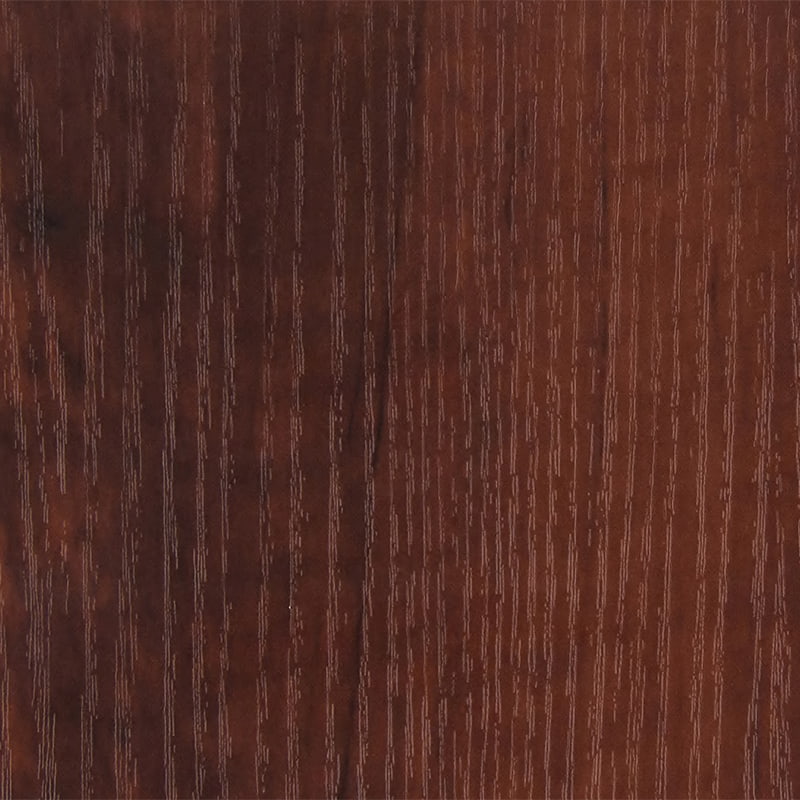
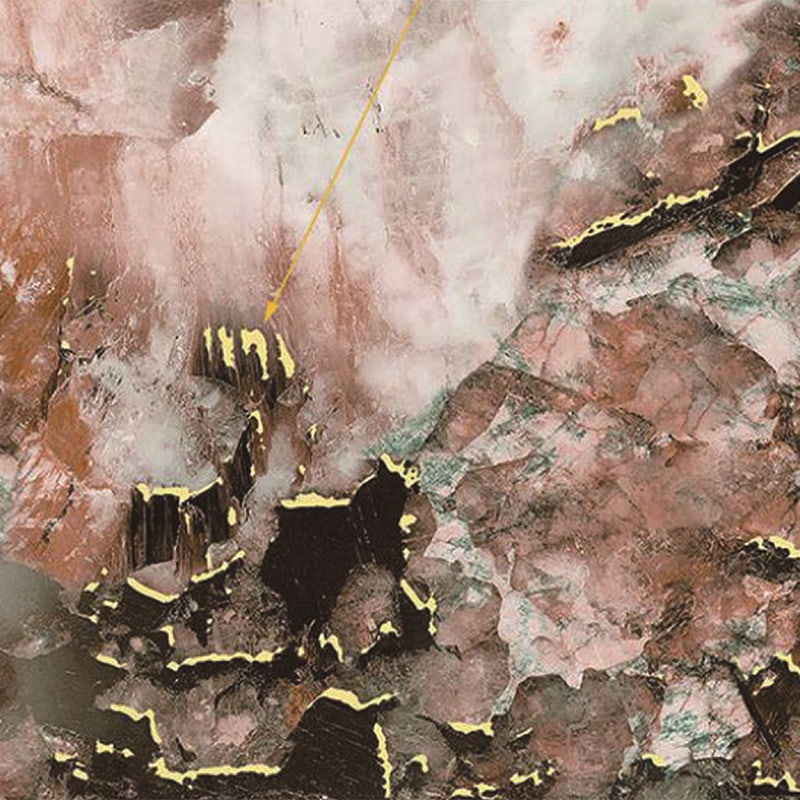
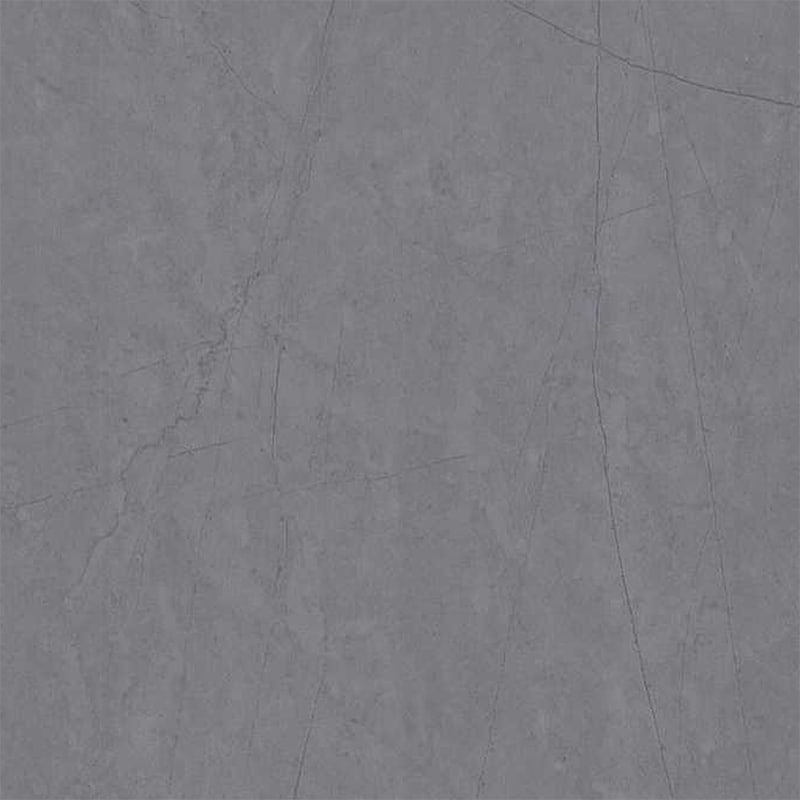
PVC decorative film offers an affordable solution for renovation projects because it mimics natural wood, marble, metal, and textured finishes while remaining durable and easy to maintain.
Why PVC Decorative Film Is Popular for Surface Upgrades
PVC decorative film has become widely used in residential and commercial interiors due to its versatility and durability. It is designed to resist moisture, scratches, and fading, making it ideal for high-contact areas.
| Feature | Benefit |
|---|---|
| Water Resistance | Suitable for kitchens and bathrooms |
| Scratch Protection | Extends surface lifespan |
| Flexible Design Options | Matches modern and classic interiors |
| Easy Cleaning | Requires minimal maintenance |
Tools You Need Before Installation
Gathering the correct tools improves installation accuracy and reduces waste.
- Measuring tape
- Utility knife
- Plastic squeegee
- Heat gun or hair dryer
- Microfiber cloth
- Cleaning alcohol
- Masking tape
Proper tools can reduce application errors by nearly 30% compared to improvised methods.
Preparing the Surface Correctly
Clean Thoroughly
Remove grease, dust, and residue using alcohol-based cleaner. Even small particles can create visible bumps.
Repair Imperfections
Fill dents or scratches before installation. Uneven surfaces may show through thin PVC decorative film.
Dry Completely
Moisture trapped beneath the film can weaken adhesion over time.
Step-by-Step PVC Decorative Film Installation
Measure and Cut
Cut the film with 2–3 cm extra margin on all sides for adjustments.
Position Carefully
Use masking tape as alignment guides before peeling the backing layer.
Apply Gradually
Peel backing slowly while pressing with a squeegee from the center outward.
Remove Air Bubbles
Push trapped air toward edges. Small bubbles can be punctured with a fine pin.
Use Heat for Curves
Heat softens the PVC decorative film, making it easier to stretch around corners and edges.
Trim Excess Material
Use a sharp blade for clean finishing lines.
Common Beginner Mistakes to Avoid
- Applying to dusty surfaces
- Stretching the film too aggressively
- Using dull cutting blades
- Ignoring temperature recommendations
- Rushing alignment
Most installation failures occur during preparation rather than final application.
How to Maintain PVC Decorative Film After Installation
Proper maintenance can extend the decorative surface life for 5–10 years.
- Clean with soft cloth and mild soap
- Avoid abrasive chemicals
- Protect from prolonged direct heat exposure
- Inspect edges periodically for lifting
Final Thoughts
Installing PVC decorative film is beginner-friendly when approached methodically. Accurate preparation, controlled application, and careful finishing are the three essential steps for professional-quality results. With practice, PVC decorative film can transform ordinary surfaces into attractive, durable finishes without expensive renovation costs.