EN
EN English
  русский
  Español
  عربى
عربى 
The Direct Answer: Prioritize Environment, Density, and Fire Safety
Selecting the best outdoor WPC wall panel for your project starts with three non-negotiable pillars: project climate, panel density, and certified fire performance. Do not begin with color or surface texture. Begin by defining your geographic exposure and minimum technical thresholds. A panel that fails on water absorption or structural integrity will result in costly replacements within a few seasons, regardless of its initial visual appeal.
For any exterior application, mandate panels with a density of 1.25–1.45 g/cm³, a water absorption rate below 0.8% (measured over 24-hour immersion per EN 317), and a fire rating of at least B1 (EN 13501-1) or Class A (ASTM E84). These three metrics eliminate over 75% of underperforming products from consideration. Once these fundamentals are verified, then evaluate aesthetics, installation convenience, and finishing options.
Decoding WPC Material Composition for Outdoor Durability
Outdoor WPC (Wood-Plastic Composite) panels are engineered from 50–70% wood fibers and 30–50% high-density polyethylene (HDPE) or recycled PVC, combined with essential additives including UV inhibitors, color pigments, and flame retardants. The precise balance between organic fibers and thermoplastic polymers dictates how the panel reacts to moisture, heat, and physical stress.
Wood-Fiber vs. Plastic Ratio: The Performance Balance
Panels with a wood content exceeding 60% offer a richer, more natural wood texture but exhibit higher moisture affinity. For exterior cladding, a plastic content of 40% or higher is strongly recommended to guarantee dimensional stability under rain and humidity. This ratio ensures the panel maintains its shape and structural integrity across seasonal temperature swings.
Critical Additives That Extend Service Life
Premium outdoor WPC panels incorporate UV stabilizers to resist color fading and surface degradation, anti-fungal agents to prevent mold growth in damp conditions, and halogen-free flame retardants to achieve stringent fire classifications. Panels validated by 2,500 hours of QUV accelerated weathering (ASTM G154) demonstrate superior real-world color retention and surface resilience over 15+ years of exposure.
Five Performance Metrics That Define Quality
When comparing exterior WPC cladding, always request third-party test reports. Marketing claims are insufficient. Focus on these five quantifiable indicators to make a data-backed decision.
Density (g/cm³)
Density directly affects impact resistance, screw-holding power, and overall ruggedness. Superior outdoor panels range from 1.25 to 1.45 g/cm³. Anything below 1.0 g/cm³ is typically a hollow-core or foam profile, which is unsuitable for wall cladding exposed to wind loads or accidental impacts. Higher density ensures the panel can withstand heavy installation torque and physical wear.
Water Absorption (24-hour immersion)
This is the single most critical metric for exterior applications. High-quality WPC panels achieve water absorption below 0.8%. For coastal or extremely humid regions, specify panels with absorption below 0.4%. Lower absorption directly translates to reduced swelling, minimal edge cracking, and extended freeze-thaw resistance in cold climates.
Fire Performance Classification
For commercial, multi-residential, and high-rise projects, fire safety is mandatory. B1 (EN 13501-1) or Class A (ASTM E84) ratings indicate the material has limited combustibility and will not significantly contribute to flame spread. Always verify that the certification matches your local building code requirements.
UV Resistance and Color Stability
Continuous sun exposure degrades both appearance and surface polymer. Select panels that have passed 2,500+ hours of QUV testing with a color change (ΔE) below 4. This level of stability translates to 12–18 years of consistent aesthetic appearance without noticeable fading or chalking.
Flexural Strength (MPa)
This metric measures the panel's resistance to bending under load. Quality WPC wall panels deliver flexural strength between 34 and 38 MPa, ensuring they can withstand high wind pressures, building movements, and thermal expansion cycles without cracking or permanent deformation.
| Performance Metric | Quality Benchmark | Impact on Project |
|---|---|---|
| Density | 1.25 – 1.45 g/cm³ | Impact strength, screw retention, longevity |
| Water Absorption (24h) | < 0.8% (ideal < 0.4%) | Prevents swelling, warping, and freeze damage |
| Fire Rating | B1 (EN) / Class A (ASTM) | Code compliance, life safety, insurance approvals |
| UV Resistance (QUV) | 2,500+ hours (ΔE < 4) | Color retention, surface integrity over time |
| Flexural Strength | 34 – 38 MPa | Wind load resistance, structural stability |
Climate-Specific Selection: Adapt to Your Environment
The microclimate of your project site should drive your final selection more than any aesthetic preference. Here is how different exposure conditions modify your requirements.
High-Humidity and Rainfall Zones
In regions with persistent rain or high relative humidity, prioritize panels with water absorption below 0.4% and integrated anti-mold additives. Co-extruded panels with a dense, protective cap layer offer an additional barrier against moisture ingress. Opt for the higher end of the density spectrum (1.35–1.45 g/cm³) to further resist moisture penetration through the core material.
Intense UV and Hot Climates
For sun-baked locations, UV-stabilized panels with cap-layer protection are essential. Lighter color shades are strongly recommended as they reflect more solar radiation, reduce surface temperatures, and minimize thermal expansion. Darker shades can absorb significant heat, accelerating aging and increasing gap variations. Always demand the 2,500-hour QUV test report for these climates.
Coastal and Salt-Spray Environments
Salt mist is highly corrosive to certain polymer matrices. Specify panels manufactured with HDPE as the primary plastic component rather than PVC, as HDPE exhibits superior resistance to salt-induced degradation. Water absorption should be below 0.3% to prevent salt crystallization within the panel structure, which can cause micro-cracking over time.
Freeze-Thaw Cycles
In cold climates where temperatures fluctuate across freezing point, exceptionally low water absorption is non-negotiable. Trapped moisture expands upon freezing, creating internal pressure that leads to surface blistering and edge delamination. Panels with absorption below 0.5% and verified freeze-thaw stability (tested per EN 15534) are mandatory for these applications.
Installation Best Practices for Maximum Longevity
Even the most advanced WPC panel will underperform if installed incorrectly. Adhering to proper installation protocols is the most effective way to realize the 25–30 year service life that these materials offer.
Substrate Preparation and Structure
Always install WPC cladding on a clean, dry, level, and structurally rigid substrate. Remove any protruding nails, fill uneven areas, and ensure the surface is free of dust and grease. Install panels from the bottom upward, overlapping joints correctly to shed water. Use stainless steel or coated screws and the manufacturer's recommended mounting clips to secure panels.
Expansion Gap Management
WPC materials expand and contract with temperature changes. Leave a minimum 6–8 mm expansion gap at all edges and junctions, particularly in climates with high thermal variation. For ventilated facade systems, maintain a 20 mm air gap behind the panel to allow moisture evaporation and reduce thermal stress on the cladding.
Maintenance Routine
One of WPC's greatest strengths is its low maintenance profile. No painting, staining, or sealing is ever required. Simple cleaning every 3–4 months using a soft brush, mild detergent, and water is sufficient to preserve appearance. Regular cleaning has been shown to reduce surface mold accumulation by 58% and significantly slow UV-related gloss reduction.
Design and Aesthetic Considerations with Practical Implications
With performance criteria satisfied, aesthetics become the final differentiator. However, even aesthetic choices have practical consequences that should influence your decision.
Texture and Visual Depth
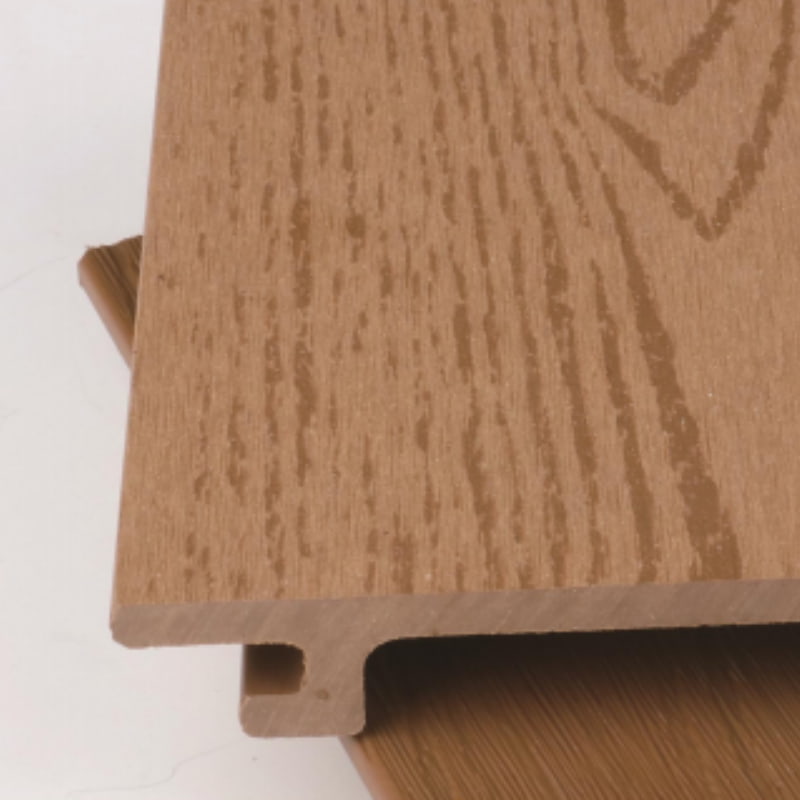
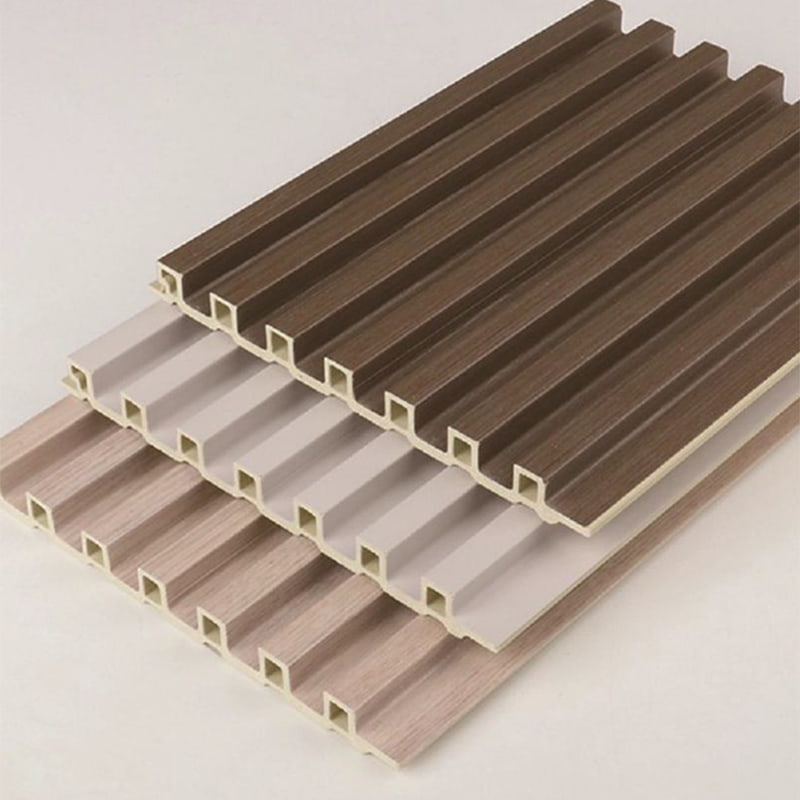
Embossed wood-grain finishes remain the most popular choice for residential, hospitality, and biophilic commercial projects, offering warmth and tactile appeal. 3D deep-embossed textures create dramatic shadow effects on feature walls. For contemporary commercial facades, smooth, linear, or brushed finishes convey a minimalist, high-end architectural language.
Color Choice and Thermal Behavior
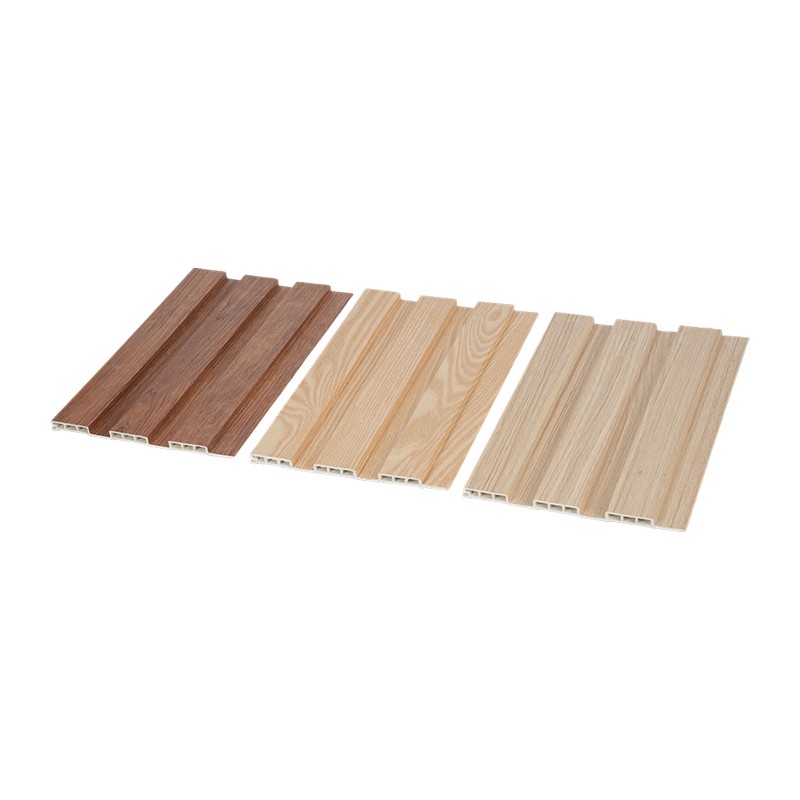
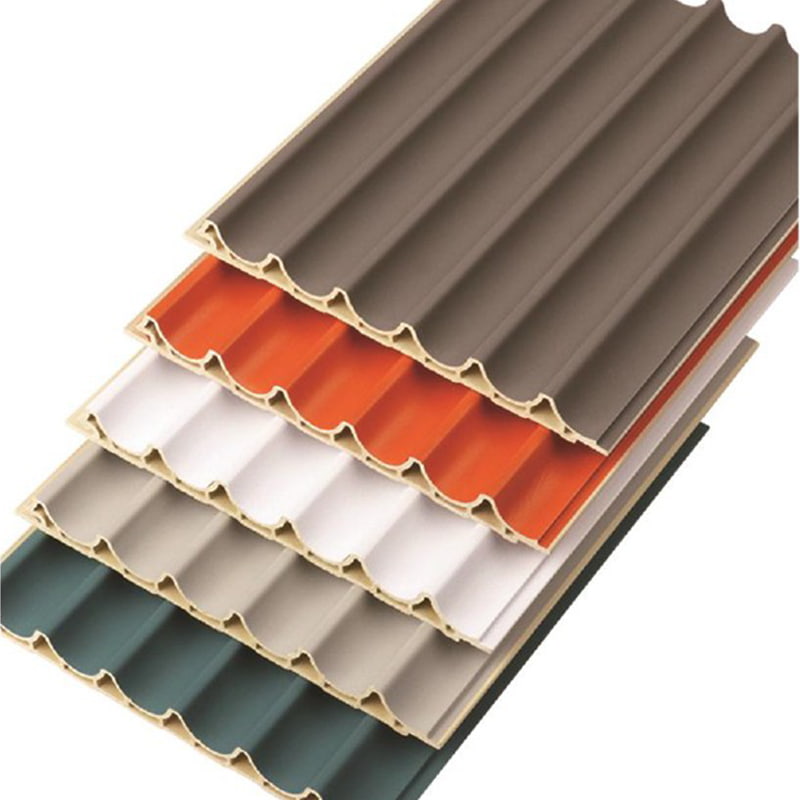
Lighter shades and natural wood tones are the most versatile and forgiving, as they reflect more sunlight and experience lower surface temperatures. Darker or charcoal colors make bold architectural statements but absorb significantly more heat, which can amplify thermal expansion. Most quality suppliers offer 80–120 standard color options with custom match services available for specific project palettes.
Frequently Asked Questions
Q: What is the primary difference between WPC and PVC for exterior walls?
WPC panels offer superior strength, UV resistance, and a natural wood aesthetic. PVC panels are more affordable and fully waterproof but tend to become brittle and fade significantly faster under direct sunlight. For long-term exterior cladding, WPC is the strongly preferred choice due to its durability and weather resilience.
Q: How long can I expect outdoor WPC wall panels to last?
With correct specification and proper installation, high-quality WPC panels provide a service life of 25 to 30 years. Routine cleaning every 3–4 months ensures the surface remains pristine and fully functional throughout this period.
Q: Do I need to apply any protective coating after installation?
No. WPC is inherently weather-resistant and requires no painting, staining, sealing, or waterproofing. Regular cleaning with mild detergent and water is all that is needed to maintain its appearance and performance.
Q: What fire rating should I look for in outdoor WPC cladding?
For most commercial and multi-family projects, B1 (EN 13501-1) or Class A (ASTM E84) is required. Always confirm that the product's certification is current and recognized by your local building authority.
Q: Can WPC panels be installed over existing brick or concrete walls?
Yes, provided the existing surface is structurally sound, clean, and reasonably flat. For best results, install a ventilated aluminum or steel substructure that allows air circulation behind the panels, which prevents moisture accumulation and optimizes thermal performance.
Systematic Selection Decision Flow
Follow this step-by-step decision sequence to confidently select the optimal outdoor WPC wall panel for your specific project requirements.
- Step 1 – Define Environmental Exposure
Identify climate: annual rainfall, UV index, temperature range, proximity to saltwater. - Step 2 – Set Minimum Performance Thresholds
Density ≥ 1.25 g/cm³ | Absorption < 0.8% | Fire Rating ≥ B1 | UV tested to 2,500h. - Step 3 – Verify with Test Certificates
Request and review EN 15534, ASTM G154, and EN 13501-1 reports from the supplier. - Step 4 – Assess Installation System
Confirm compatible clip systems, required expansion gaps, and substructure specifications. - Step 5 – Finalize Aesthetic Parameters
Select texture, color, and finish that harmonize with the architectural design intent. - Step 6 – Confirm Supply and Support Terms
Review warranty conditions, technical support availability, and quality assurance processes.