EN
EN English
  русский
  Español
  عربى
عربى 
Direct Answer: Yes — PVC Wall Paneling Is One of the Best Options for Most Bathrooms
For the vast majority of bathroom renovations, PVC wall paneling is indeed the best option when you balance cost, installation time, durability, and maintenance. PVC wall panels are 100% waterproof, resistant to mold and mildew, and can be installed in a fraction of the time required for traditional tiles. While tiles remain a classic choice, PVC panels offer a modern, practical solution that outperforms traditional materials in key areas — especially for homeowners seeking a fast, low-maintenance, and cost-effective bathroom upgrade.
What Makes PVC Wall Paneling Ideal for Bathrooms
100% Waterproof Protection
PVC wall panels are manufactured from polyvinyl chloride with a 100% waterproof core that guarantees complete protection from moisture. Unlike traditional tiles that rely on grout — which is porous and can absorb water over time — PVC panels have minimal joins and require no grout, eliminating the primary pathway for water ingress. This makes them particularly suitable for showers, wet rooms, and high-humidity environments.
Superior Mold and Mildew Resistance
Because PVC wall panels are grout-free and waterproof, they dramatically reduce the risk of mold and mildew buildup. Grout lines in traditional tiled bathrooms are notorious for trapping moisture and becoming breeding grounds for mold. With PVC panels, there are no grout lines to scrub — simply wipe the surface clean. This hygienic advantage is particularly valuable in family bathrooms and rental properties where consistent maintenance may be challenging.
Rapid Installation — Hours Instead of Days
Installation speed is one of the most compelling advantages of PVC wall panels. PVC panels can be installed in approximately half the time required for traditional tiling. While tiling a bathroom typically takes several days — involving adhesive application, tile spacing, grouting, and drying time — PVC panel installation can often be completed in a single day. Panels cover large wall sections at once and can be fitted directly over existing tiles or plasterboard with no specialist skills required.
Minimal Maintenance, Maximum Longevity
PVC wall panels are exceptionally low-maintenance. Regular cleaning requires only a wipe with a damp cloth and mild detergent — no harsh chemicals, no scrubbing, and no regrouting. With proper care, quality PVC panels can last 10 to 15 years or more, maintaining their appearance without fading, cracking, or chipping. They resist scratches, dents, and stains far better than painted walls.
PVC Wall Panels vs. Traditional Tiles: A Head-to-Head Comparison
To determine whether PVC wall paneling is the best option for your bathroom, it helps to compare it directly against the traditional alternative — ceramic tiles. Below is a side-by-side comparison across the factors that matter most to homeowners.
While tiles offer greater customization and a traditional aesthetic, PVC panels excel in waterproofing, maintenance, and installation speed — making them the more practical choice for most bathroom applications.
The Rise of PVC Marble Wall Panels
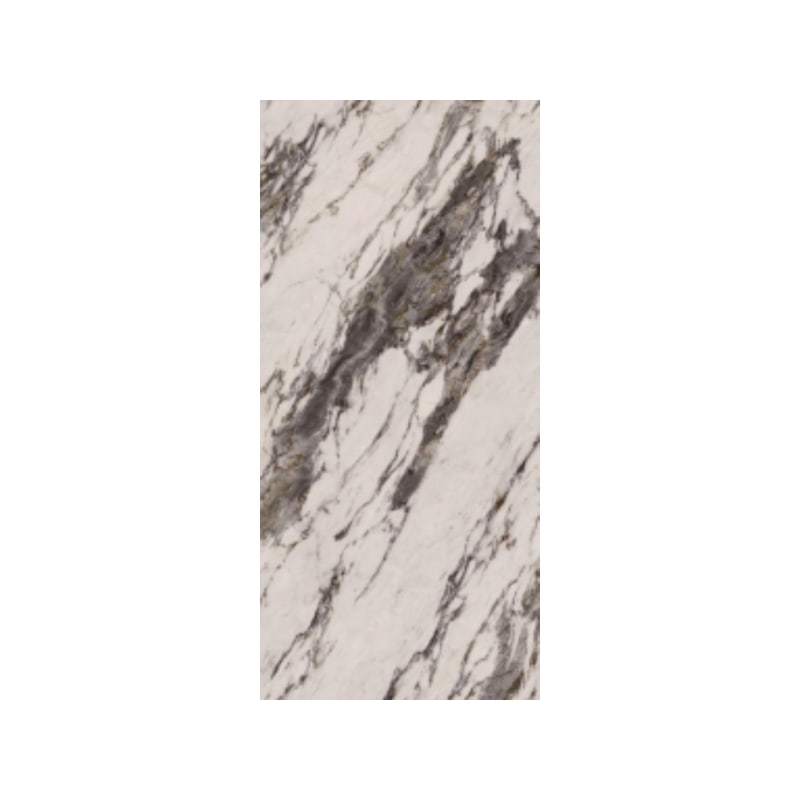
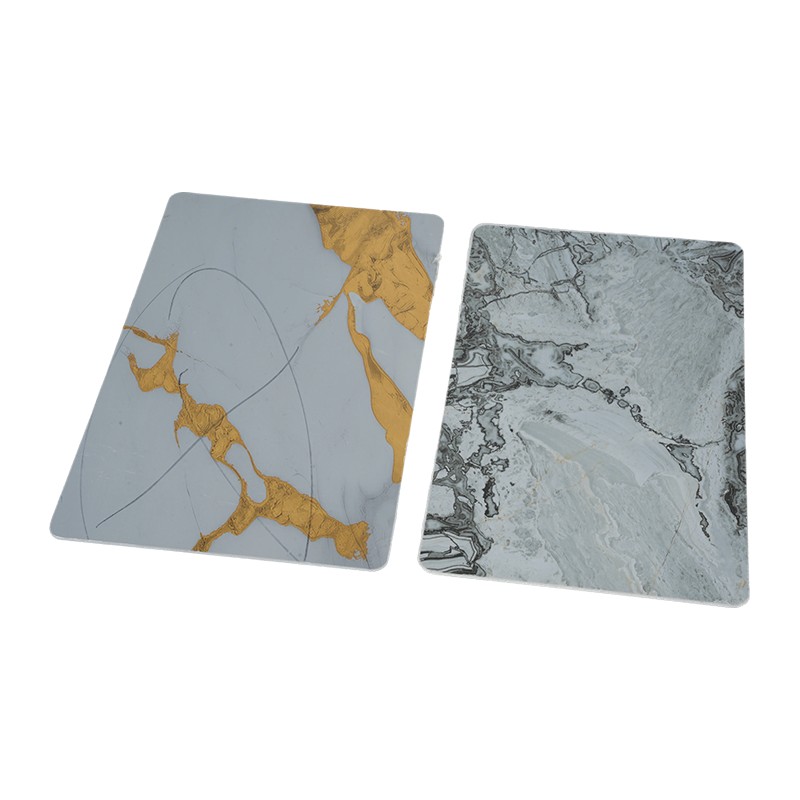
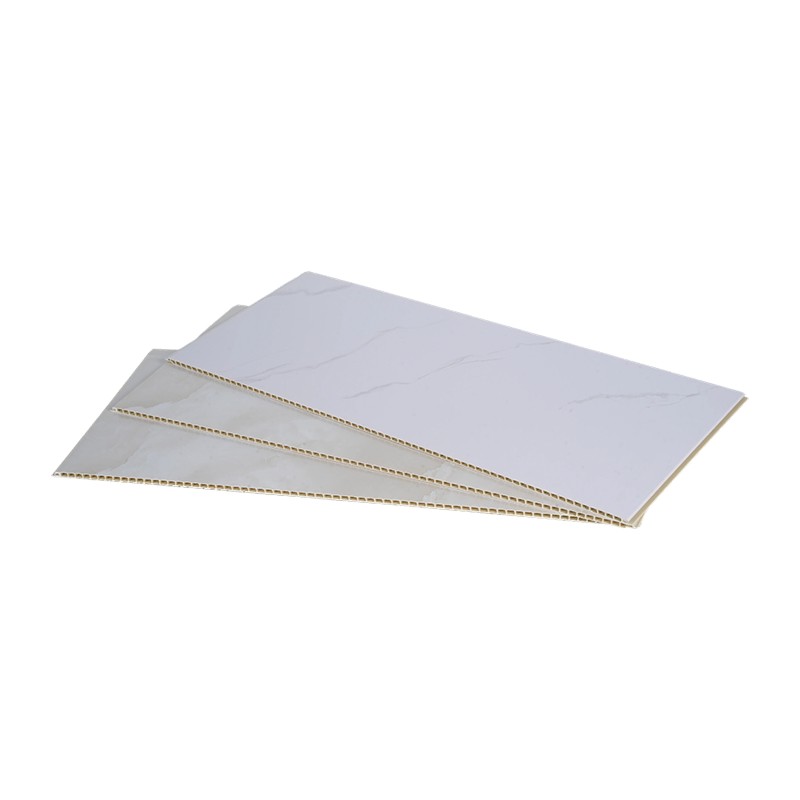
Among the various PVC wall panel options, PVC marble wall panels have gained particular popularity for bathroom applications. These panels replicate the luxurious appearance of natural marble while offering superior performance in wet environments.
Unlike real marble, which is porous and requires regular sealing, PVC marble wall panels are 100% waterproof and non-porous, making them far more practical for bathrooms. Modern manufacturing techniques produce highly realistic marble patterns with UV-coated surfaces that resist fading, scratching, and staining. The glossy finish of many marble-effect panels also helps reflect light and make small bathrooms appear larger.
For homeowners who desire the elegance of marble without the maintenance headaches and cost, PVC marble wall panels represent an ideal compromise — delivering aesthetic appeal with practical, long-lasting performance.
Potential Limitations to Consider
While PVC wall panels offer numerous advantages, it is important to consider their limitations before making a final decision.
Heat Sensitivity
PVC panels have limited heat resistance, with most products handling temperatures up to approximately 60°C (140°F). They should not be installed directly behind stoves, fireplaces, or other high-heat sources without appropriate heat-resistant barriers.
Aesthetic Perception
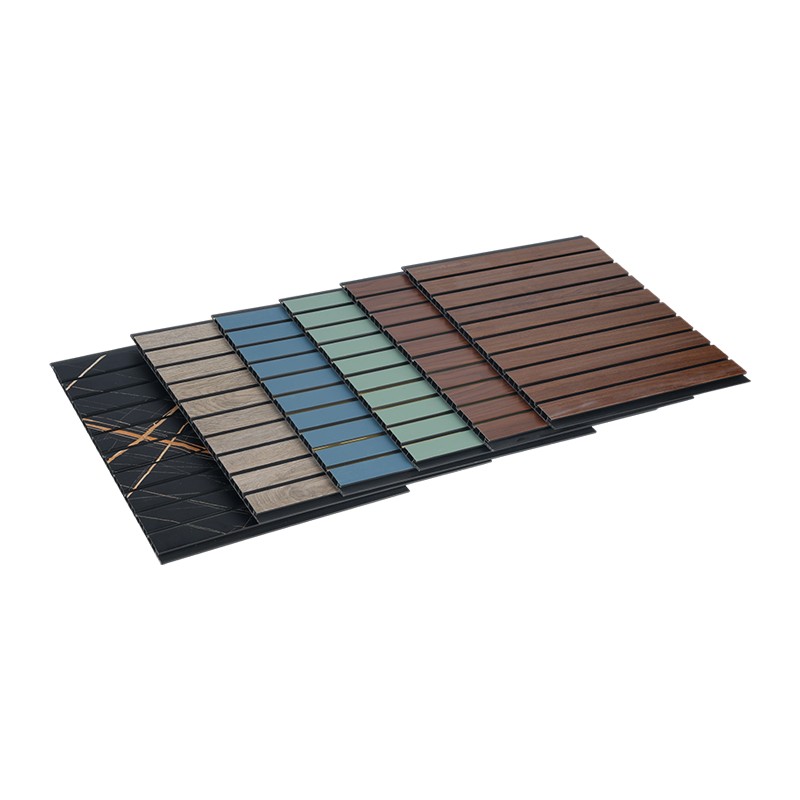
Lower-quality PVC panels can appear "plasticky" or artificial. However, modern PVC panels with textured, matte finishes convincingly replicate natural materials like marble, wood, and stone. Choosing high-quality panels with realistic finishes is essential for achieving a premium look.
Environmental Considerations
PVC is a plastic product, and its production and disposal raise environmental concerns. However, many manufacturers now offer panels with recycled content or participate in take-back recycling programs. The longevity of quality PVC panels — 10 to 15 years with minimal maintenance — also means they stay out of landfills longer than cheaper, shorter-lived alternatives.
Installation Overview: What to Expect
Installing PVC wall panels is a straightforward process that most competent DIY enthusiasts can handle. The basic steps flow logically from preparation to final finishing.
Surface preparation — Ensure walls are clean, dry, and free from loose material
Measurement and cutting — Measure wall areas and cut panels to size using standard tools
Adhesive application — Apply PVC-specific adhesive in vertical lines
Panel fitting — Press panels firmly onto walls, ensuring proper alignment
Sealing edges — Use waterproof silicone sealant around edges and fixtures
One of the most convenient aspects of PVC panel installation is that panels can be fitted directly over existing tiles in many cases, eliminating the need for costly and messy tile removal.
Maintenance: Keeping Your PVC Panels Looking New
Maintaining PVC wall panels requires minimal effort. Regular cleaning with a soft cloth, warm water, and mild detergent is sufficient to keep panels looking fresh. For tougher stains, a diluted vinegar solution can be effective.
Key maintenance tips include:
Avoid abrasive cleaners and scouring pads that could scratch the surface
Wipe down panels after showering to prevent soap scum buildup
Use non-abrasive sponges or microfiber cloths for cleaning
Address any sealant gaps promptly to maintain waterproof integrity
With this simple care routine, PVC wall panels will maintain their appearance for many years without the need for painting, regrouting, or other intensive maintenance.
Frequently Asked Questions
Are PVC wall panels completely waterproof?
Yes. Quality PVC wall panels are 100% waterproof with a waterproof core and moisture-resistant surface. They are specifically designed for use in bathrooms, showers, and wet rooms.
Can PVC wall panels be installed over existing tiles?
Yes. PVC panels can be fitted directly over existing tiles in most cases, provided the surface is sound, clean, and dry. This eliminates the need for costly tile removal.
How long do PVC wall panels last in a bathroom?
With proper installation and maintenance, quality PVC wall panels can last 10 to 15 years or more. They resist cracking, chipping, and fading, providing long-lasting performance.
Do PVC wall panels look cheap?
Not when quality panels are chosen. Modern PVC panels are available in textured, matte finishes that convincingly replicate marble, wood, stone, and tile. Low-quality panels with glossy, plasticky finishes should be avoided.
Are PVC wall panels suitable for shower enclosures?
Absolutely. PVC wall panels are ideal for shower enclosures and wet areas due to their 100% waterproof properties and mold-resistant surface.