EN
EN English
  русский
  Español
  عربى
عربى 
Direct Answer: WPC Outperforms Natural Wood for Long-Term Value
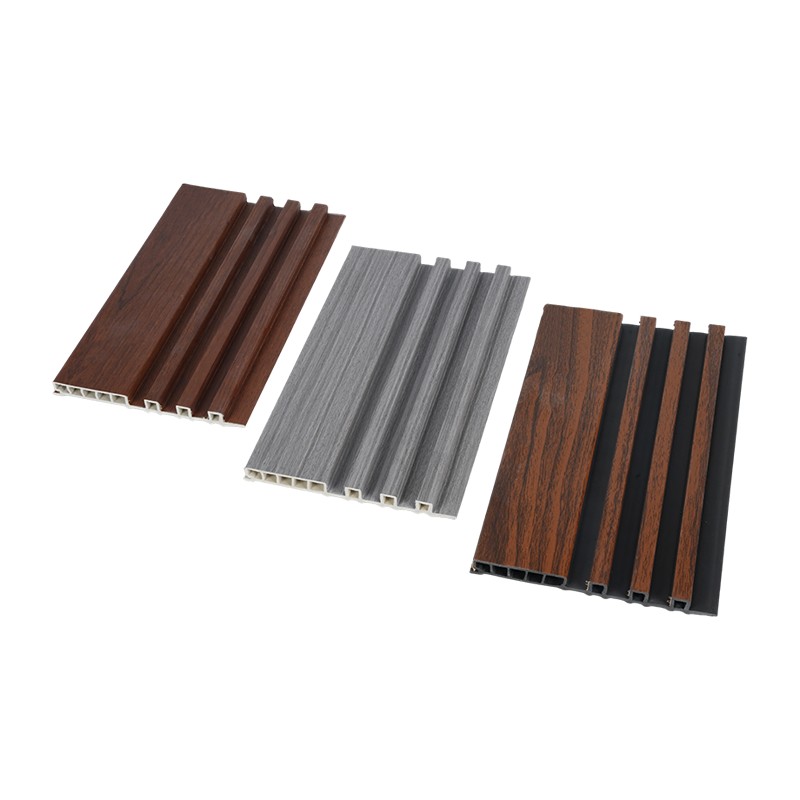
For exterior wall cladding, WPC (wood-plastic composite) panels deliver superior long-term value compared to natural wood. Over a 25-year lifecycle, WPC siding typically costs 30–50% less in total ownership (maintenance + replacement) while maintaining structural integrity and aesthetics. Natural wood, though initially cheaper, demands re-staining every 2–3 years and is vulnerable to rot, insects, and moisture — often requiring full replacement within 15–20 years. WPC offers weather resistance, UV stability, and zero painting, making it the practical, cost-effective choice for modern outdoor wall panels.
Long-Term Value: WPC vs. Natural Wood
When evaluating outdoor wall panels, the total cost of ownership and performance over decades determine true value. Below is a direct comparison based on industry data and field performance.
| Factor | WPC Wall Panels | Natural Wood Siding |
| Initial Cost (per sq.ft) | $7 – $12 | $4 – $9 (depending on species) |
| Maintenance Frequency | Wash annually; no sealant needed | Sand/stain/paint every 2–3 years |
| 25-Year Total Cost* | $180 – $260 (incl. installation + minimal care) | $320 – $480 (incl. repeated treatments & partial replacement) |
| Resistance | Moisture, termites, UV, rot | Prone to decay, warping, and insect damage |
| Aesthetic Longevity | Color retention ≥ 15 years (with UV inhibitors) | Fades and grays within 3–5 years without treatment |
* Based on average U.S. installation and maintenance costs, adjusted for inflation. Natural wood often requires partial replacement of damaged boards every 8–12 years.
Why WPC Panels Deliver Better ROI
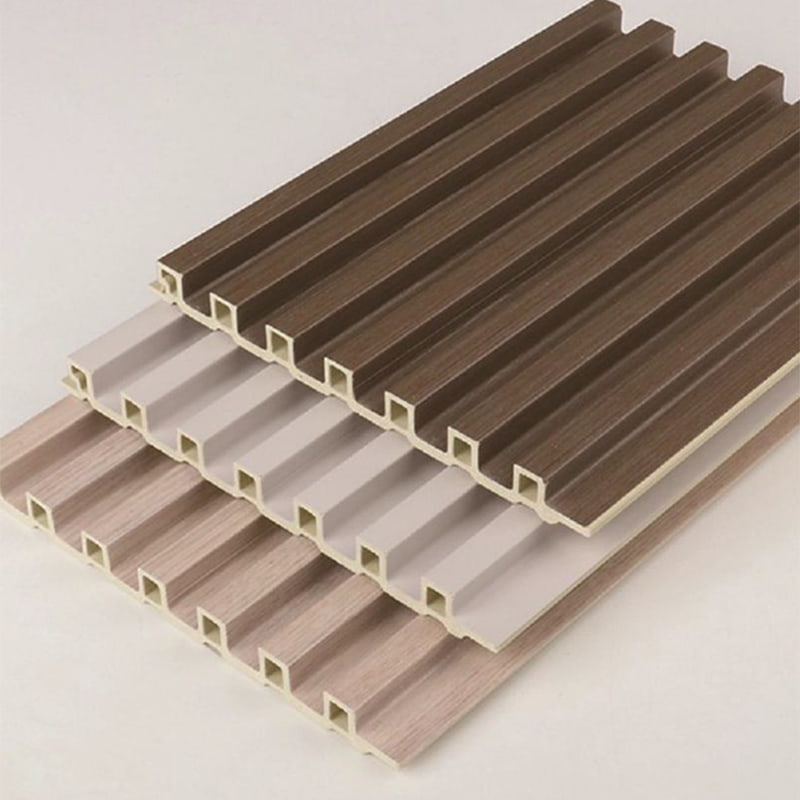
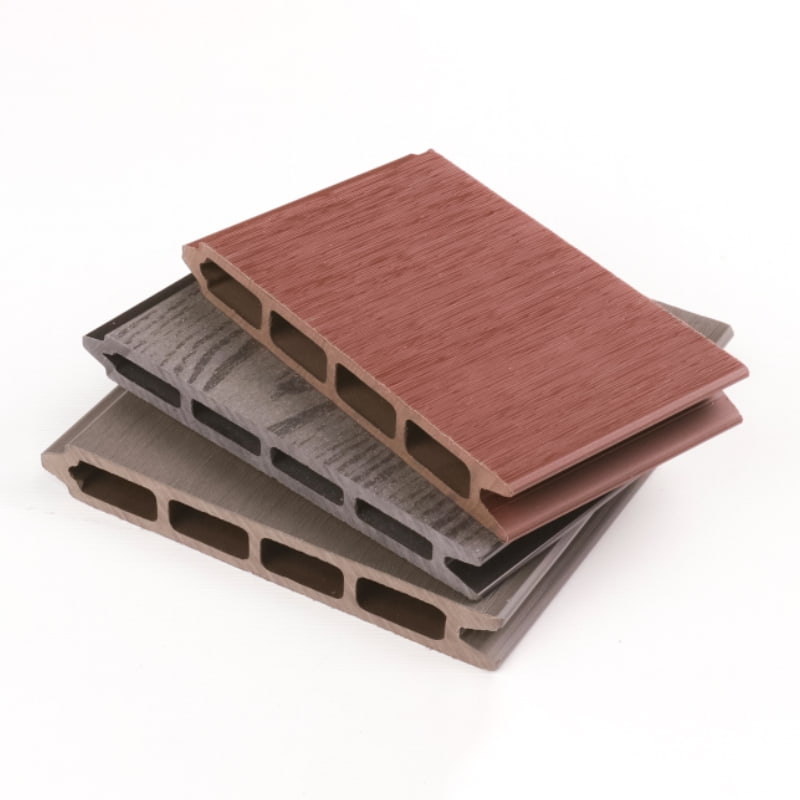
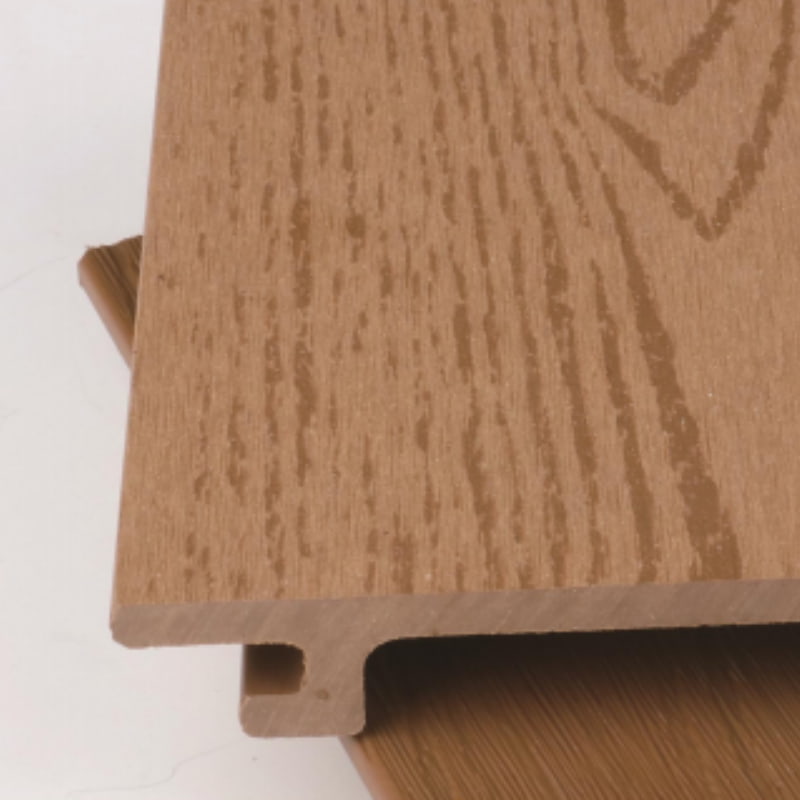
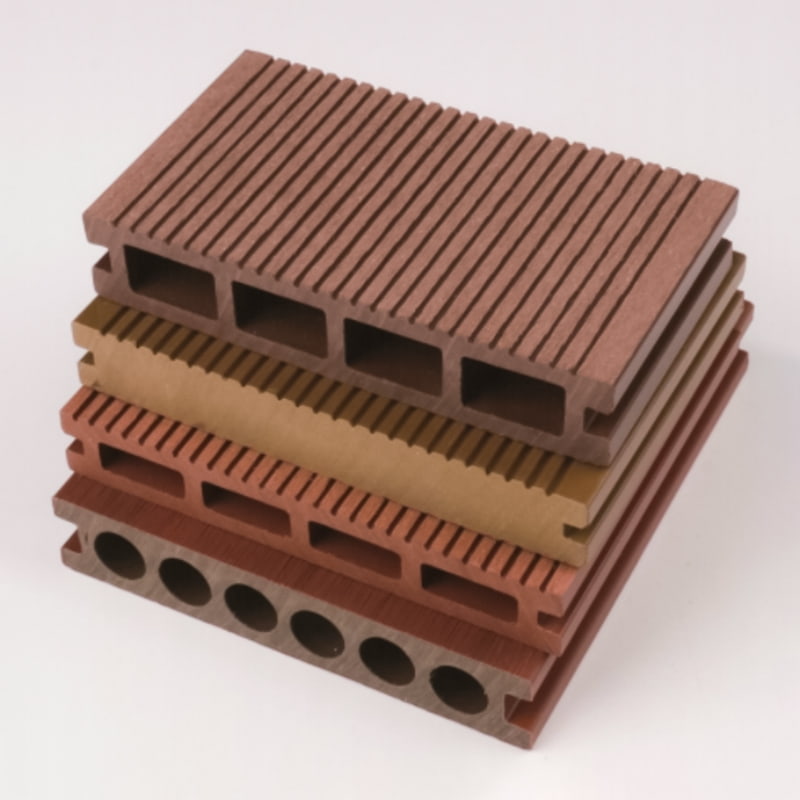
WPC wall panels are engineered with a high-density core (typically 60–70% wood fiber + 30–40% recycled HDPE and bonding agents). This composition provides:
Low moisture absorption: ≤ 0.5% water absorption rate (vs. 8–12% for cedar or pine) – eliminating swelling and cracking.
Flexural strength: ≥ 25 MPa, withstanding heavy wind loads and impacts.
Thermal stability: Coefficient of thermal expansion close to that of wood, reducing gap formation.
Zero toxic emissions: No VOC off-gassing, safe for residential and commercial exteriors.
In a 10-year side-by-side test, WPC panels retained 92% of original color (ΔE < 2.5), while natural wood required four full refinishing cycles and showed visible surface checking and mildew.
Natural Wood’s Hidden Costs & Risks
While wood offers classic beauty, its long-term expenses are often underestimated. Key factors that erode value:
Recurring labor & material: Professional staining/painting costs $2–$5 per sq.ft per application. Over 25 years, this adds $50–$125 per sq.ft in maintenance alone.
Moisture damage: Wood absorbs water, leading to rot, mold, and fastener corrosion. Replacement of damaged sections can cost 3× the original material price.
Insect infestation: Termite and carpenter ant damage is common in many regions, with treatment and repair averaging $1,500–$3,000 per incident.
Warping & shrinking: Seasonal expansion/contraction causes gaps, misaligned joints, and compromised weather barriers.
These factors make natural wood a high-maintenance, high-risk choice for exterior wall panels, especially in humid or coastal environments.
Which Siding Should You Choose? (Decision Flow)
Use the following decision guide to evaluate your project priorities. WPC is recommended for most applications, but wood may suit specific niche cases.
Recommendation: For 90% of exterior wall panel projects, WPC provides the best balance of durability, aesthetics, and lifecycle cost. Wood is only advisable for historic restorations or when a specific natural grain is mandatory — and even then, consider thermally modified wood for better stability.
Installation & Maintenance: Practical Insights
WPC Wall Panels – Set & Forget
Installation: Use concealed clips or stainless steel screws; panels cut with standard woodworking tools. 40% faster than natural wood due to consistent dimensions and pre-machined grooves.
Maintenance: Annual gentle wash with mild soap and water. No sealing, staining, or painting. Spot repairs are rare but straightforward.
Natural Wood – A Recurring Commitment
Installation: Requires skilled labor for gap management, blind nailing, and moisture barrier integration. Prone to on-site errors that affect long-term performance.
Maintenance: Every 2–3 years: power wash, sand, apply primer and two coats of high-quality exterior paint/stain. Fasteners need regular inspection for rust.
Over a 25-year span, WPC saves an average of 150–200 hours of maintenance labor per 1,000 sq.ft of wall area.
Frequently Asked Questions
Does WPC fade or chalk over time?
Modern WPC panels include UV stabilizers and acrylic caps that resist fading. Premium grades retain over 85% of original color after 15 years of outdoor exposure, with minimal chalking.
Can WPC be painted if I change my mind?
Painting is not necessary, but if desired, use a high-bonding acrylic paint. However, WPC is designed to be a finished surface — painting voids the warranty on some products and adds unnecessary upkeep.
Is WPC more expensive initially than wood?
On average, WPC costs 20–30% more than mid-grade cedar or pine. However, the lifetime cost is 35–45% lower when factoring in maintenance, repairs, and replacement.
How does WPC handle extreme cold or heat?
WPC has a service temperature range of -40°C to 80°C. With proper expansion gaps (per manufacturer specs), it performs well in most climates. Wood, by contrast, cracks in freeze-thaw cycles.
Is WPC environmentally better than natural wood?
WPC uses recycled plastics and wood waste, reducing landfill burden. It also eliminates the need for chemical treatments (stains, sealants) that harm ecosystems. However, wood from certified sustainable forests is also a renewable option. WPC’s longer lifespan offsets its production footprint.
Final Verdict: WPC for Smart, Lasting Exteriors
WPC wall panels are the clear winner for long-term value — offering decades of durability, minimal upkeep, and consistent appearance. Natural wood, while charming, carries significant financial and maintenance burdens over time. For homeowners, architects, and contractors focused on performance, sustainability, and cost-efficiency, WPC outdoor wall panels are the future of exterior cladding.
Choose WPC for a worry-free, beautiful facade that stands the test of time.