EN
EN English
  русский
  Español
  عربى
عربى 
Acoustic wall panels have become a critical component in modern interior design, addressing the growing demand for noise control in residential, commercial, and hospitality spaces. These panels are engineered to manage sound reflections, reduce reverberation, and improve overall acoustic comfort. Among the most innovative materials available today are wpc wall panel solutions and carbon crystal panels, each offering distinct advantages in sound management, durability, and environmental resistance. This article provides a technical examination of acoustic wall panel functions, compares material performance, and offers practical guidance for specification.
How Acoustic Wall Panels Work: The Science of Sound Control
Acoustic wall panels operate on fundamental principles of sound energy management. When sound waves encounter a wall surface, three outcomes are possible: reflection, absorption, or transmission. Acoustic panels are designed to optimize absorption and minimize unwanted reflection, thereby reducing echo and reverberation.
The acoustic performance of a panel is quantified by its Noise Reduction Coefficient (NRC), a metric ranging from 0 to 1 that indicates the proportion of sound energy absorbed. For example, an NRC of 0.85 means the panel absorbs 85% of incident sound, with only 15% reflected. Industry studies show that high-performance panels can reduce ambient noise levels by up to 30% in occupied spaces. Wall panels with NRC values between 0.7 and 0.9 are generally specified for applications where speech intelligibility and acoustic comfort are priorities.
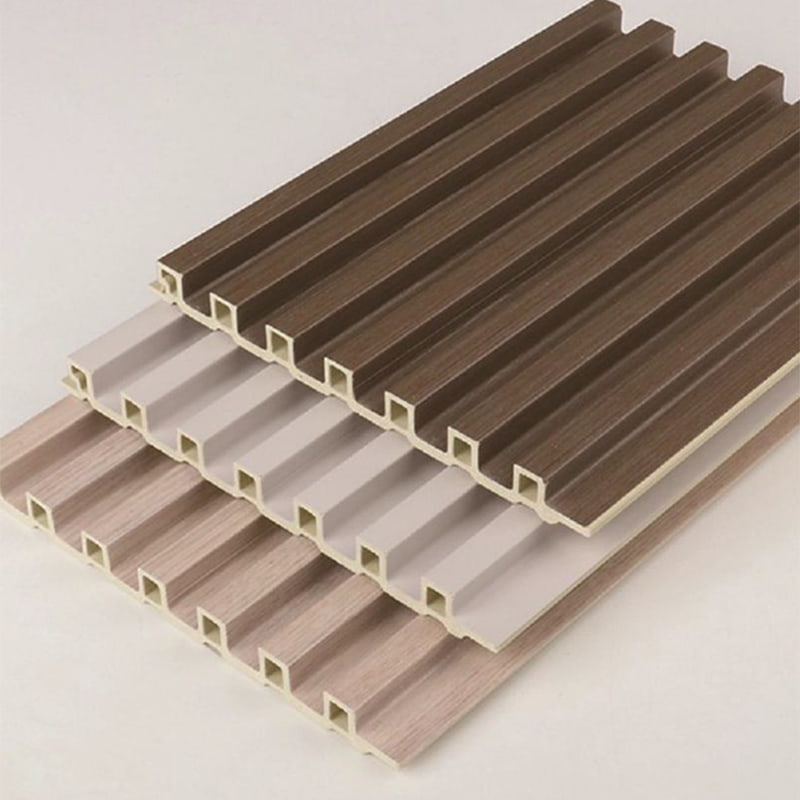
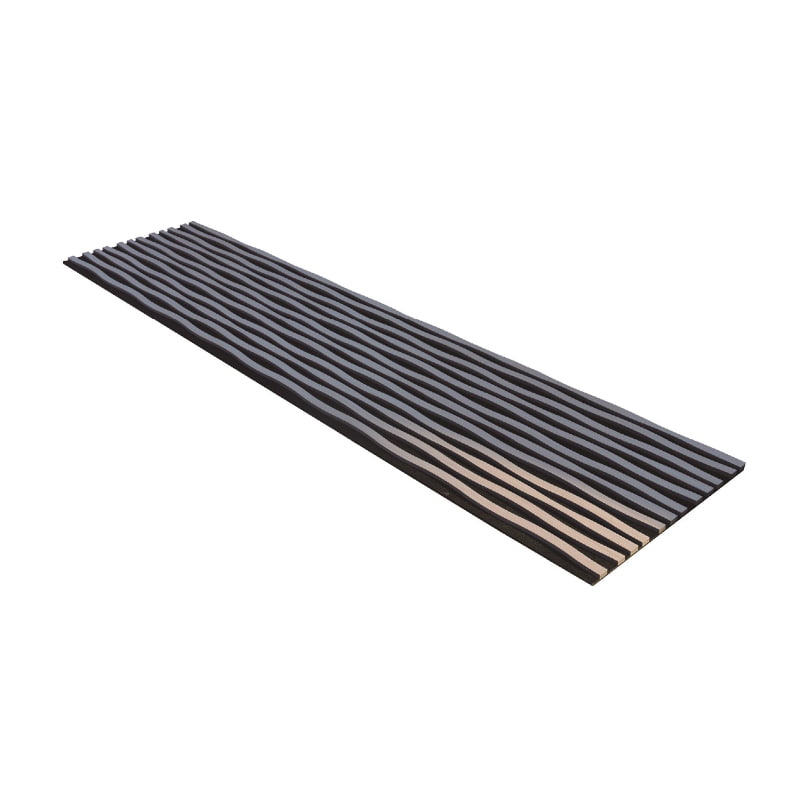
Panel geometry also influences acoustic behavior. Fluted or grooved surfaces create additional surface area and trap sound waves through a mechanism known as Helmholtz resonance, where air within the grooves vibrates and dissipates acoustic energy. This is why fluted wpc wall panel designs often outperform flat panels in mid-frequency sound absorption, delivering up to 20% better acoustic performance in controlled tests.
Material Comparison: WPC vs. Carbon Crystal Panels
Understanding the material composition of acoustic wall panels is essential for selecting the right solution for a given application. Both wood-plastic composite (WPC) and carbon crystal panels offer acoustic benefits, but their underlying material properties differ significantly.
WPC Wall Panel Composition and Acoustic Properties
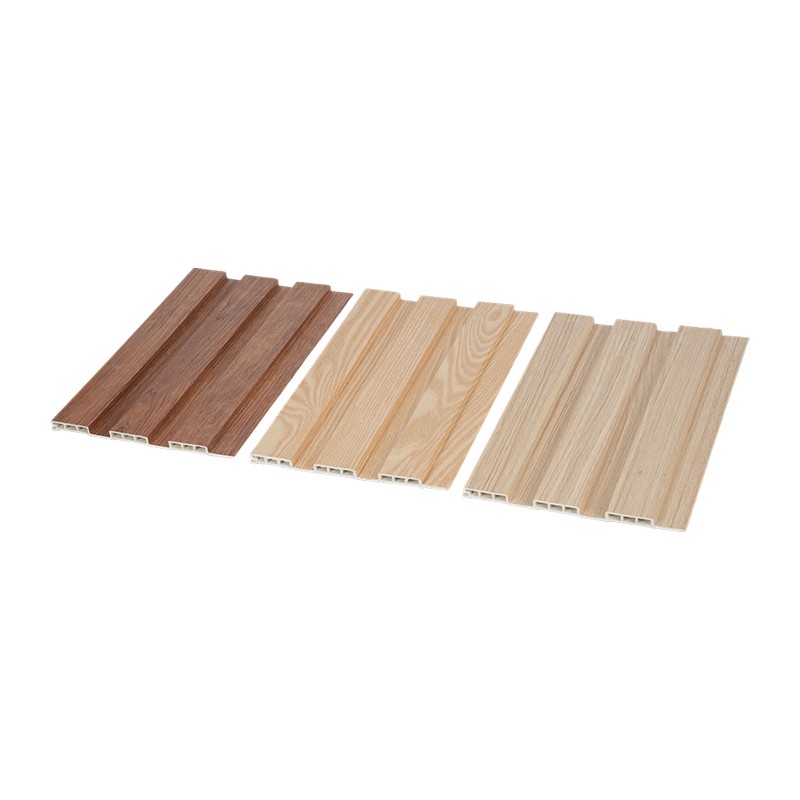
A wpc wall panel is manufactured by combining wood fibers, typically constituting 60% to 80% of the formulation, with thermoplastic polymers such as PVC or polyethylene. This composite material is extruded at high temperatures to create a dense, stable panel structure. The inherent density of WPC contributes to its sound-dampening characteristics, as the material mass resists sound transmission while the surface texture promotes absorption.
Testing data indicates that WPC panels can achieve sound reduction levels ranging from 20 dB to 30 dB depending on thickness and surface design. For indoor applications, indoor wpc wall panel products with NRC ratings of 0.6 to 0.85 are common, with premium models reaching up to NRC 0.9 through enhanced surface treatments and increased material density.
Carbon Crystal Panel Composition and Acoustic Properties
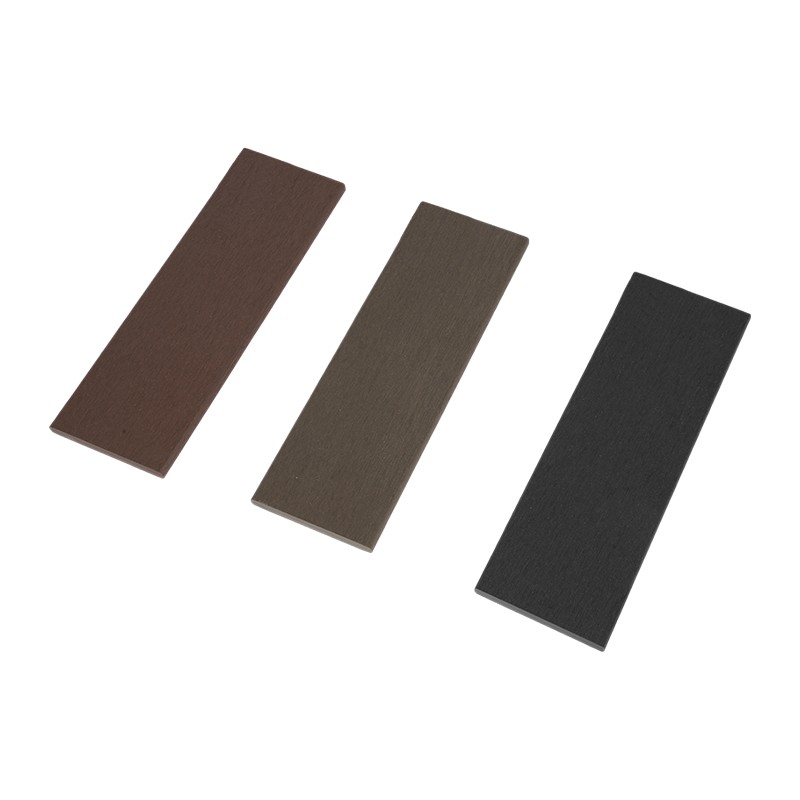
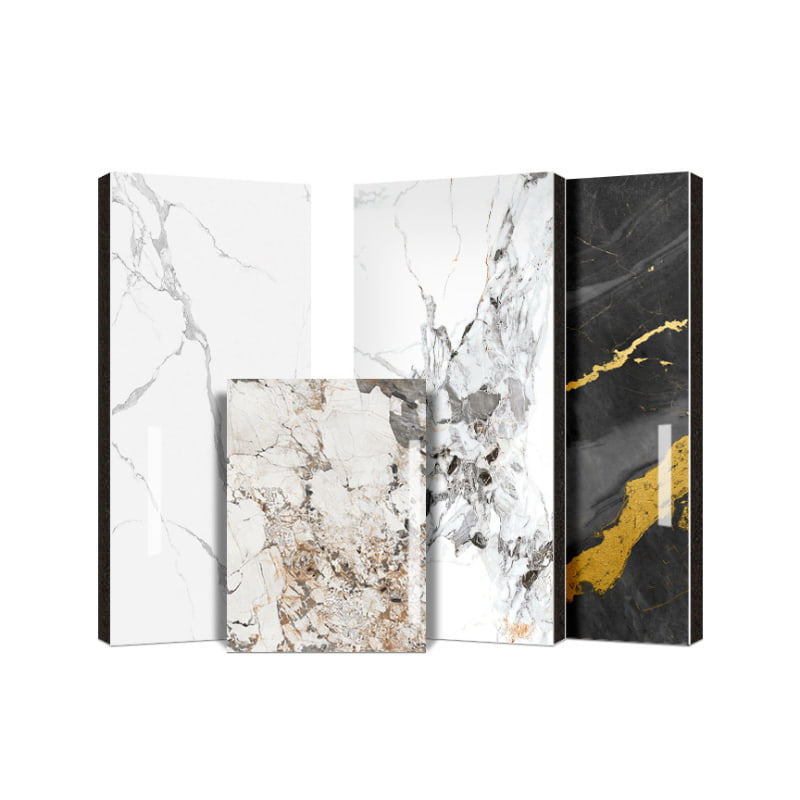
Carbon crystal panels are a newer category of wall cladding material, composed of thermoplastic resins combined with mineral fillers such as calcium carbonate. This formulation yields a panel that is highly rigid, impact-resistant, and dimensionally stable. From an acoustic perspective, carbon crystal panels primarily provide sound insulation through mass and density rather than absorption. They are particularly effective at blocking sound transmission between spaces, with performance measured in Sound Transmission Class (STC) ratings.
The key distinction lies in application: carbon crystal panels excel at soundproofing—preventing sound from traveling between rooms—while acoustic WPC panels are optimized for sound absorption—improving the acoustic quality within a space.
Side-by-Side Comparison: Acoustic Performance Metrics
| Feature | WPC Wall Panel | Carbon Crystal Panel |
|---|---|---|
| Primary Function | Sound absorption | Sound insulation |
| Noise Reduction Coefficient | 0.6 - 0.9 | 0.3 - 0.5 |
| Sound Transmission Class | 25 - 35 | 35 - 45 |
| Moisture Resistance | High (IPX4 - IPX6) | High |
| Fire Resistance | Class B - Class A | Class B |
| Surface Texture Options | Fluted, grooved, embossed | Smooth, flat, minimal texture |
This comparison demonstrates that while both materials contribute to acoustic control, the choice depends on whether the objective is to reduce echo within a room or to isolate sound between adjacent spaces.
Core Functions of Acoustic Wall Panels
Speech Intelligibility Enhancement: Excessive reverberation interferes with speech clarity, making communication difficult in open-plan offices, conference rooms, and educational facilities. Acoustic panels reduce reverberation time by absorbing sound that would otherwise bounce between hard surfaces. Research indicates that reducing reverberation by even 0.3 seconds can improve speech intelligibility scores by 10% to 15%.
Noise Reduction in Commercial Spaces: Commercial environments such as restaurants, hotels, and retail stores benefit from acoustic treatments that lower background noise levels. In open-plan office settings, acoustic wall panels help reduce the cognitive load associated with ambient chatter, improving employee concentration and productivity.
Privacy and Confidentiality: In healthcare and legal environments, acoustic panels contribute to speech privacy by reducing sound transmission between consultation rooms. While no wall treatment provides complete soundproofing, acoustic panels combined with appropriate wall construction can significantly reduce sound leakage.
Integration with HVAC and Building Systems: Acoustic panels can also mask or reduce noise from building services, including HVAC systems, plumbing, and electrical equipment. The sound-absorbing properties of panels help mitigate low-frequency noise from mechanical systems, contributing to occupant comfort.
Why Specifiers Choose Indoor WPC Wall Panels
Moisture Resistance and Dimensional Stability
One of the primary advantages of indoor wpc wall panel systems is their exceptional resistance to moisture. Traditional wood veneers and MDF panels are prone to swelling, warping, and mold growth in humid environments. In contrast, WPC panels incorporate polymer binders that prevent water absorption, making them suitable for bathrooms, kitchens, and other high-humidity zones. Data shows that WPC panels absorb less than 0.5% moisture by weight over 24 hours of submersion, compared to over 15% for conventional medium-density fiberboard.
Durability and Impact Resistance
WPC panels exhibit high impact resistance due to their composite structure. Laboratory tests indicate that a 10mm thick WPC panel can withstand an impact force of up to 40 joules without surface cracking, significantly outperforming traditional gypsum boards or wood veneers. This durability translates to long service life, typically exceeding 20 years in indoor environments.
Fire Safety Performance
Modern china wpc wall panel products are formulated with flame-retardant additives that achieve Class A or Class B fire ratings according to ASTM E84 or equivalent standards. This provides specifiers with confidence in the safety performance of these materials in commercial and institutional buildings.
Outdoor WPC Wall Panels: Special Considerations
While much attention focuses on interior applications, outdoor wpc wall panel products are increasingly used for exterior cladding, facades, and balcony enclosures. These panels must endure UV radiation, temperature fluctuations, and moisture ingress. Manufacturers of wpc wall panel exterior products typically incorporate UV stabilizers and enhanced surface coatings to prevent fading and degradation over time.
Acoustic performance for exterior applications is primarily concerned with sound reflection and traffic noise reduction. Exterior WPC cladding can reduce sound reflection from building surfaces by up to 60% compared to bare concrete or metal panels, contributing to quieter urban environments. For projects where sound insulation is critical, the combination of exterior WPC panels with appropriate insulation backing can achieve STC ratings of 45 or higher.
Installation Best Practices for WPC Wall Panels
Substrate Preparation
Regardless of the panel type, proper substrate preparation is essential for acoustic performance. The wall surface must be clean, dry, and level. For optimal acoustic absorption, an air gap of 15-25mm between the panel and the substrate is recommended, as this allows sound waves to be absorbed on both the front and rear surfaces of the panel.
Fixing Methods
Wpc wall paneling systems can be fixed using adhesive, mechanical fasteners, or a combination of both. Adhesive fixing minimizes visible hardware and is preferred for wpc wall panel interior applications. Mechanical fixing with concealed clips is recommended for wpc wall panel exterior installations to accommodate thermal expansion.
Acoustic Sealants
To maximize acoustic performance, all joints and edges should be sealed with non-hardening acoustic sealant. This prevents sound leakage through gaps, which can compromise the overall effectiveness of the acoustic treatment.
Frequently Asked Questions
Q1: What is the primary function of acoustic wall panels?
Acoustic wall panels primarily manage sound by absorbing reverberation, reducing echo, and improving speech clarity within a space. They do this by converting sound energy into minimal heat through friction within the panel material. Additionally, some panels provide sound insulation, blocking transmission between adjacent rooms.
Q2: Can WPC wall panels be used for both interior and exterior applications?
Yes, WPC panels are available in formulations for both interior and exterior use. Indoor wpc wall panel products are optimized for acoustic absorption and aesthetic finish, while outdoor wpc wall panel products are treated with UV stabilizers and enhanced moisture barriers for external durability. Always verify the product specifications for your specific application.
Q3: How do fluted WPC wall panels improve acoustic performance?
Fluted or grooved surfaces create additional surface area and trap sound waves through Helmholtz resonance, where air within the grooves vibrates and dissipates acoustic energy. This mechanism is particularly effective for mid-frequency sound absorption, providing up to 20% better acoustic performance compared to flat panels.
Q4: What is the difference between NRC and STC ratings?
NRC (Noise Reduction Coefficient) measures sound absorption within a room; higher NRC indicates better echo reduction. STC (Sound Transmission Class) measures sound insulation between spaces; higher STC indicates better sound blocking. Acoustic WPC panels typically have high NRC, while carbon crystal panels are often selected for higher STC.
Q5: Are WPC wall panels environmentally friendly?
WPC panels incorporate recycled wood fibers and plastics in many formulations, reducing reliance on virgin timber and plastic. They also require less energy to produce compared to aluminum or steel cladding. Additionally, their long service life reduces material replacement frequency, contributing to lower environmental impact over the building lifecycle.