EN
EN English
  русский
  Español
  عربى
عربى 
The Shift Toward WPC Wall Systems in Global Sourcing
Import buyers across furniture, hardware, and building material sectors are reshaping their wall covering catalogs. Traditional solid timber and PVC laminate options are losing share to composite alternatives that combine wood fiber with polymer binders. A wpc wall panel now appears in sourcing lists for hospitality renovation, residential retrofits, and commercial fit-outs across North America, Europe, and the Middle East.
This change is not cosmetic. Buyers report measurable differences in claims ratios, container efficiency, and installer feedback when comparing composite panels to legacy materials. The following sections walk through the five drivers behind this sourcing shift, with data points and technical detail rather than general marketing language.
Driver One: Moisture Stability Reduces Post-Installation Claims
Solid wood paneling reacts to humidity swings by expanding, contracting, and eventually cupping or splitting at joints. In climates with seasonal humidity variation exceeding 30 percentage points, this becomes a recurring warranty issue for distributors.
Wood plastic composite panels use a polymer matrix that encapsulates wood fiber, limiting direct moisture absorption. This matters most in two product categories:
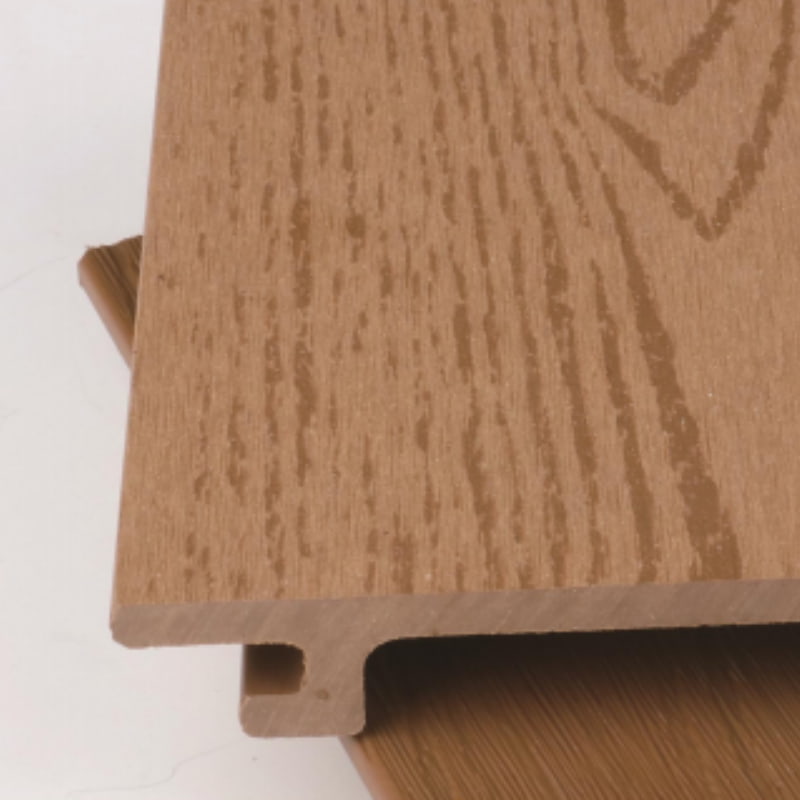
- An exterior wpc wall panel used on facades, fences, or covered porches, where rain exposure and condensation cycles are constant
- A wpc wall panel outdoor application near pools, patios, or coastal properties with high ambient moisture
Distributors who switched a portion of their catalog to composite cladding report fewer return authorizations tied to warping within the first year of installation, based on feedback collected from regional installer networks rather than a single controlled study.
Sourcing note: Ask suppliers for accelerated weathering test data (UV exposure plus moisture cycling) rather than relying on marketing claims alone. Request results in writing before committing to a container order.
Driver Two: Design Flexibility Across Interior and Exterior Lines
One Material Category, Multiple Finish Options
Buyers increasingly prefer suppliers who can cover both interior and exterior product lines from a single manufacturing base, simplifying quality control and reducing the number of factory relationships needed.
| Application | Typical Finish | Common Buyer Segment |
|---|---|---|
| Interior feature walls | Wood grain embossed slats | Residential retailers, interior contractors |
| Commercial lobbies | Matte or brushed texture | Hospitality and office fit-out firms |
| Exterior facades | Co-extruded UV resistant cap layer | Building material distributors |
| Fencing and screening | Solid or louvered profile | Landscape and outdoor living suppliers |
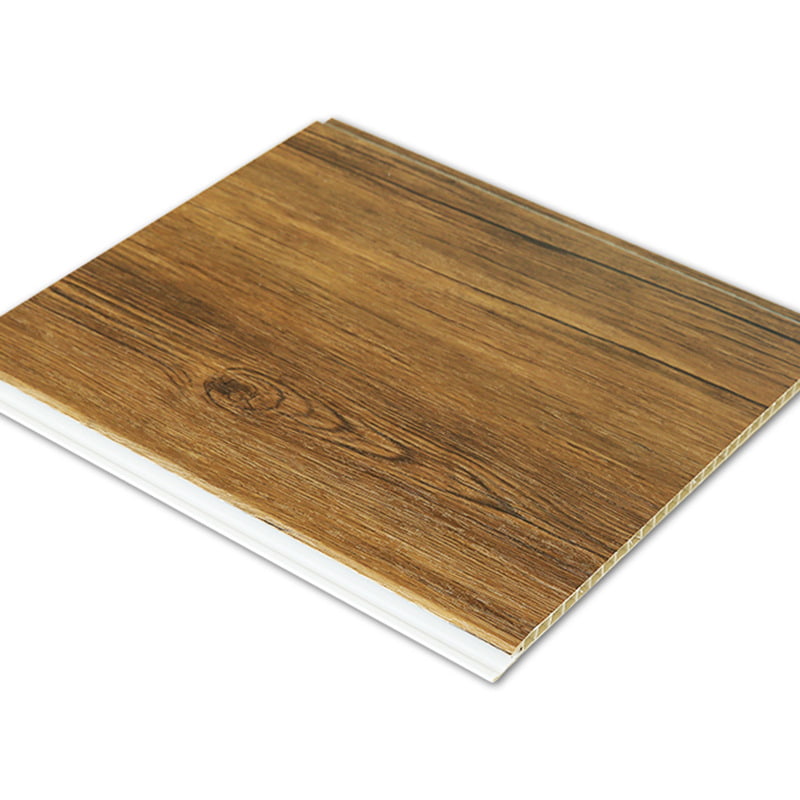
For buyers targeting the residential remodel segment specifically, wpc panels for interior walls deliver a warm, natural appearance without the maintenance schedule tied to solid wood, which helps close sales with homeowners comparing multiple wall treatment options.
Slat and Louvre Profiles Driving Design Trends
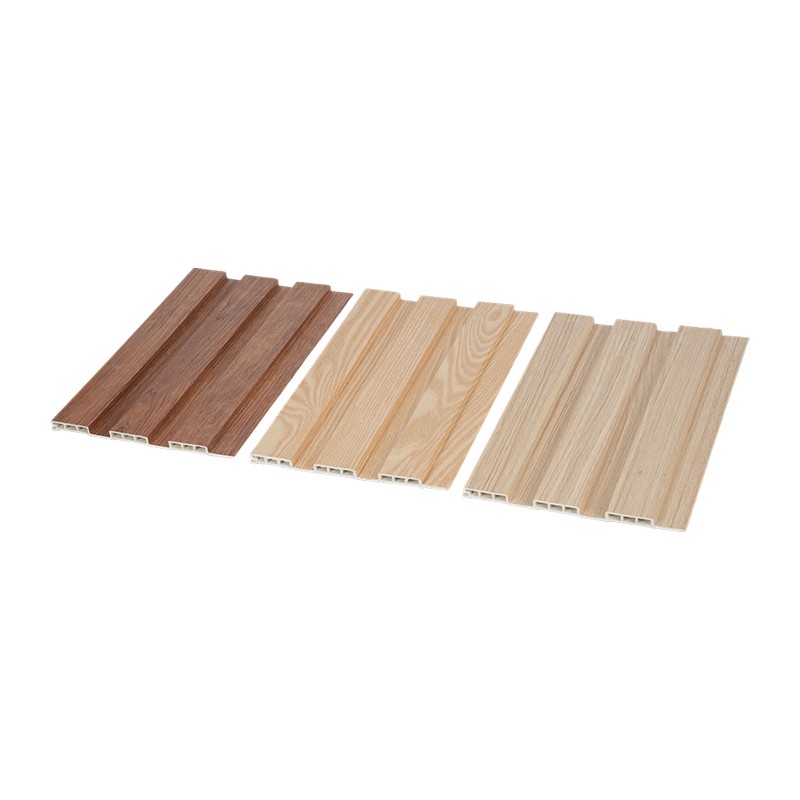
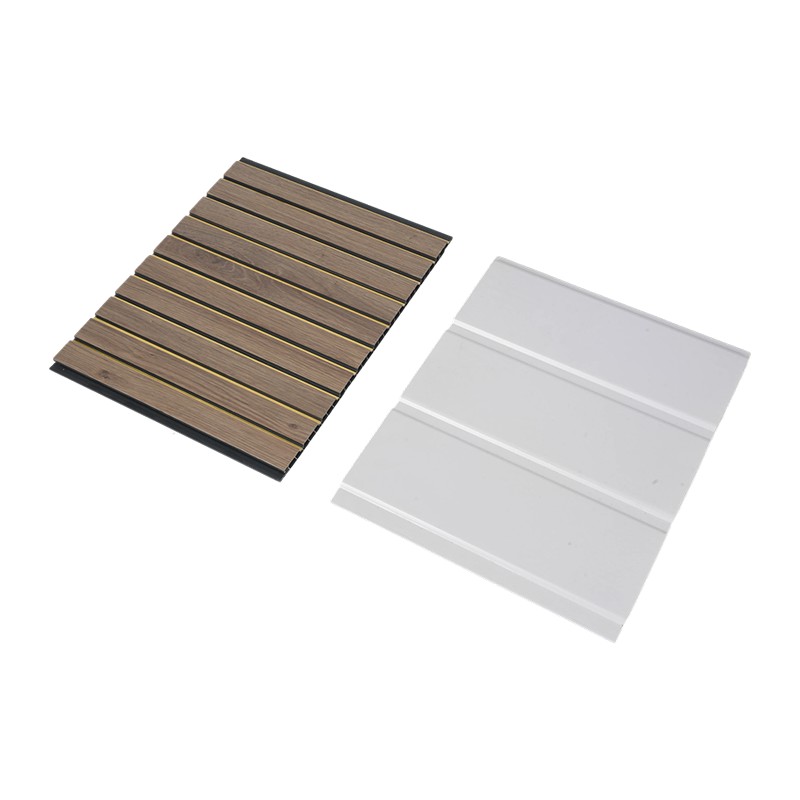
Slatted wall treatments have moved from a niche architectural detail to a mainstream request across residential and commercial projects. A wpc wood slat panel line typically ships in tongue-and-groove or click-lock formats, allowing installers to complete a feature wall without specialized tools.
Driver Three: Landed Cost and Logistics Efficiency
Weight and packaging density directly affect freight cost per unit area, a factor that matters more as ocean freight rates fluctuate. Composite panels generally offer a favorable weight-to-coverage ratio compared to solid hardwood boards of equivalent thickness.
| Factor | Solid Hardwood Panel | WPC Composite Panel |
|---|---|---|
| Approx. weight per sqm | Higher, varies by species | Moderate, consistent by formulation |
| Container fill efficiency | Limited by board thickness variance | Higher due to uniform extrusion profile |
| Moisture-related transit damage risk | Elevated in humid transit routes | Reduced due to polymer encapsulation |
| Finishing required after install | Often needs sealing or staining | Typically pre-finished at factory |
Because panels arrive pre-finished, buyers also avoid the added cost and delay of on-site staining or sealing, which shortens project turnaround for contractor clients and improves cash flow on distributor-side installation services.
Driver Four: Simplified Installation Lowers Labor Disputes
Installer callbacks and labor disputes are a hidden cost for import distributors who also manage regional contractor networks. Panel systems with pre-engineered locking mechanisms reduce on-site cutting, adhesive use, and measurement error.
- Wall surface is checked for flatness and moisture barrier is applied if required
- Starter track or first panel row is fixed using concealed clips or screws
- Subsequent panels are locked into the tongue-and-groove or click system
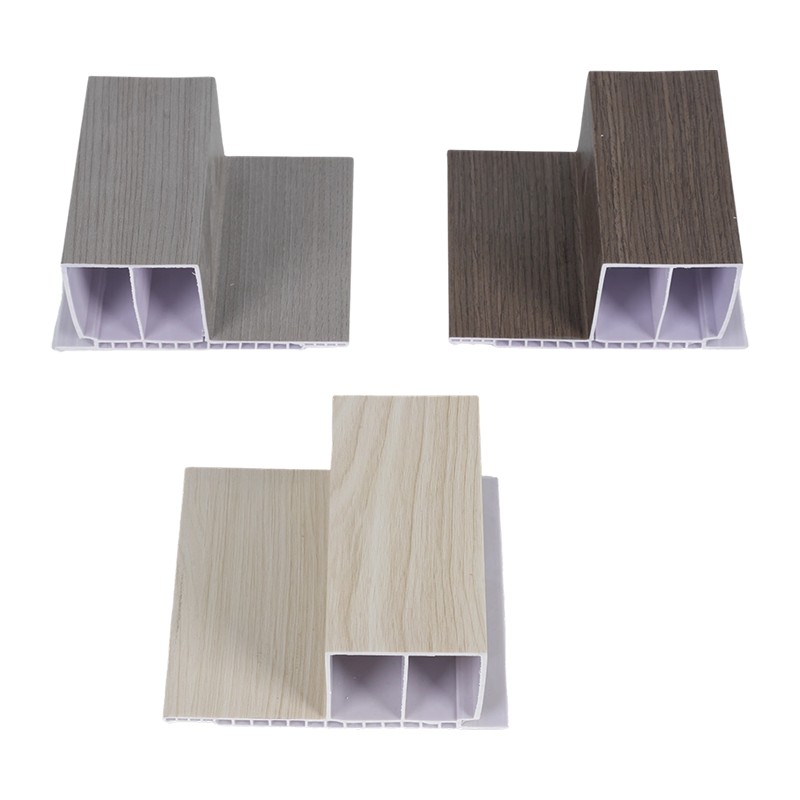
- Trim and corner pieces are fitted to finish exposed edges
- Final inspection checks for gap consistency and surface alignment
This installation sequence typically takes less time than solid wood paneling, which often requires additional cutting, sanding, and finishing steps on site.
Driver Five: Pricing Transparency Improves Buyer Negotiation
As more manufacturers publish tiered specifications, buyers gain leverage to negotiate based on thickness, density grade, and surface treatment rather than accepting a single blended rate.
| Specification Factor | Impact on Cost |
|---|---|
| Panel thickness | Thicker profiles increase raw material use and unit cost |
| Wood fiber to polymer ratio | Higher fiber content can lower cost but may affect moisture resistance |
| Surface texture complexity | Deep embossing or multi-tone finishes add tooling cost |
| Cap layer for UV protection | Co-extruded protective layer adds cost but extends outdoor lifespan |
| Order volume and container load | Full container loads generally reduce per-unit pricing |
Understanding realistic wpc wall panel price ranges by specification helps buyers avoid underpricing quotes to end customers and prevents margin erosion when raw material costs shift.
Evaluating a WPC Wall Panel Manufacturer or Factory
Sourcing decisions carry more weight than a single purchase order. Buyers building a recurring supply relationship should evaluate production consistency, not just sample quality.
Key Evaluation Points
- Request batch consistency data across at least three production runs, not a single sample set
- Confirm whether the wpc wall panel manufacturer operates in-house extrusion or subcontracts, which affects lead time reliability
- Ask about minimum order quantities tied to specific colorways or textures
- Review documentation for raw material sourcing, particularly wood fiber origin and recycled content ratios
- Clarify packaging standards for ocean freight, including moisture barrier wrapping
A reliable wpc wall panel factory should be able to provide third-party test reports for fire rating, impact resistance, and dimensional stability rather than relying solely on internal claims.
Practical tip: Order a pre-shipment sample from the actual production batch, not a showroom sample, to confirm color and texture consistency before container loading begins.
Cladding and Decorative Panel Applications Worth Tracking
Two categories are seeing particular growth in import order volume this year.
Facade and Exterior Cladding Systems
A wpc wall cladding panel system is increasingly specified for multi-family housing renovation projects, where building owners want a low-maintenance exterior upgrade without the recurring cost of repainting or resealing traditional siding.
Interior Decorative and Acoustic Applications
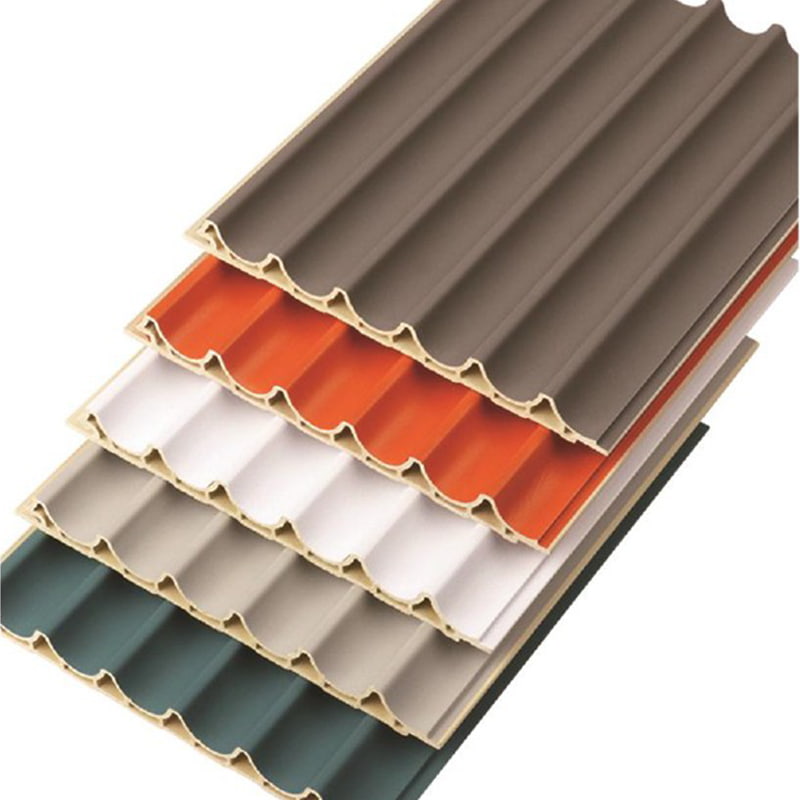
A wpc decorative wall panel is also being paired with acoustic backing in office and hospitality projects, combining visual texture with sound dampening properties for open-plan spaces.
Regional Demand Patterns Buyers Should Note
North America
Strong demand tied to residential remodel activity and outdoor living space upgrades, particularly in suburban markets.
Europe
Growth concentrated in renovation of aging multi-family housing stock, with emphasis on low-maintenance exterior facades.
Middle East
Demand driven by hospitality construction and interior fit-out projects requiring UV-stable and heat-tolerant materials.
Frequently Asked Questions
Q1: What Is the Typical Lifespan of an Exterior WPC Wall Panel?
Service life varies by climate exposure and formulation, but properly installed exterior composite panels with a protective cap layer commonly perform well for over a decade with minimal maintenance, based on installer and distributor feedback.
Q2: Are WPC Panels Suitable for High Humidity Interior Spaces?
Yes. Because the polymer matrix limits direct moisture absorption, these panels are frequently specified for bathrooms, kitchens, and covered outdoor living areas where solid wood would be a poor fit.
Q3: How Does WPC Wall Panel Price Compare to Solid Wood Paneling?
Pricing depends heavily on thickness, finish complexity, and order volume. In many cases, composite panels are competitively priced against mid-range solid wood options while offering lower long-term maintenance costs.
Q4: What Should Importers Check Before Placing a Bulk Order?
Buyers should confirm batch consistency, request third-party test documentation, verify packaging standards for ocean freight, and order a pre-shipment sample from the actual production run.
Q5: Can WPC Wood Slat Panels Be Installed Without Professional Tools?
Most click-lock and tongue-and-groove slat systems are designed for straightforward installation with basic tools, though professional installation is recommended for large-scale commercial projects to ensure alignment consistency.