EN
EN English
  русский
  Español
  عربى
عربى 
The outdoor decking landscape has shifted dramatically over the past decade. Where homeowners once had limited choices between natural wood and basic composites, today's market offers sophisticated alternatives that challenge traditional materials on nearly every front. Outdoor wpc decking has emerged as a compelling solution, but understanding how it stacks against time-tested wood requires examining multiple dimensions: durability, aesthetics, cost, environmental responsibility, and long-term maintenance commitments.
This comprehensive comparison helps you navigate the decision by exploring what each material genuinely delivers and where compromises actually matter for your specific needs.
Understanding Material Composition and Structure
Traditional Wood Decking: Natural Characteristics
Pressure-treated lumber has been the industry standard for decades, engineered by forcing preservative chemicals into wood fibers under high pressure. This process extends the wood's resistance to rot and insect damage, though it doesn't eliminate the need for ongoing maintenance. Natural variations in grain, color, and texture make each board unique, contributing to the aesthetic appeal that many homeowners value. However, this organic composition also means the material remains vulnerable to moisture infiltration, UV degradation, and biological growth.
WPC Decking: Engineered Composite Technology
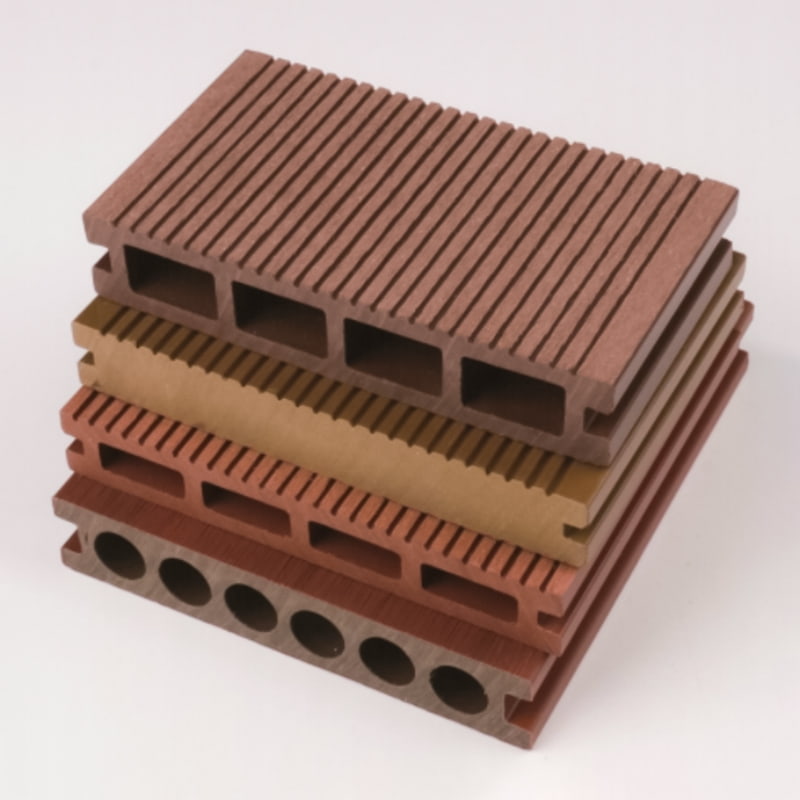
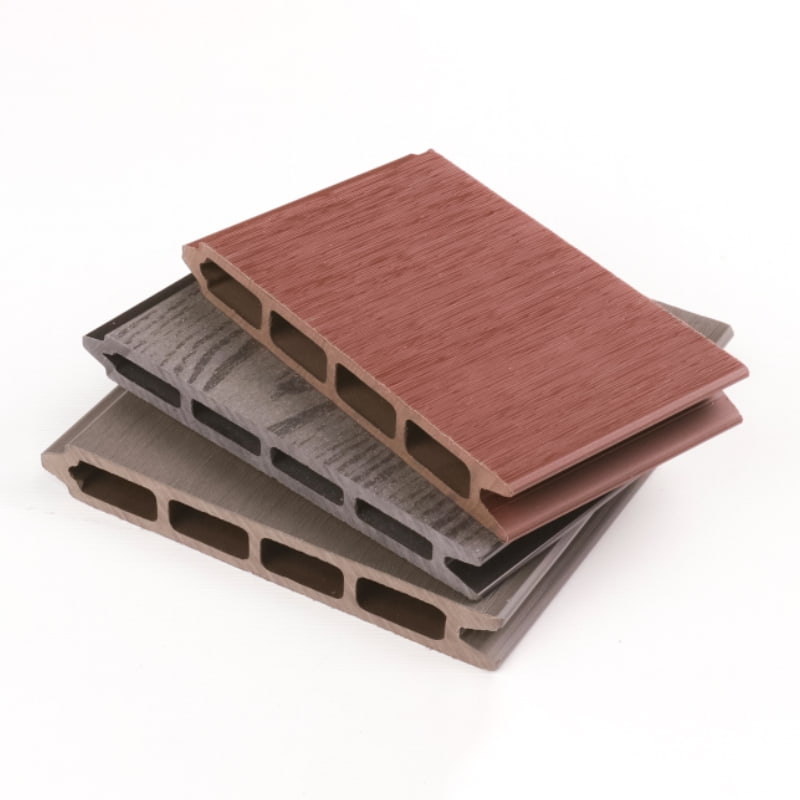
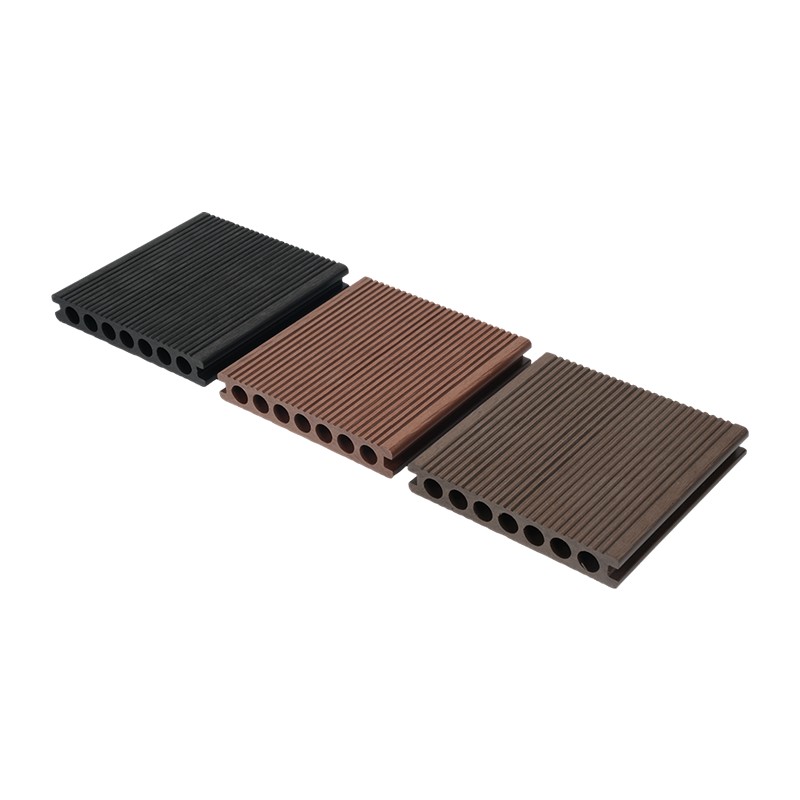
WPC decking combines wood fibers or wood flour with plastic polymers, typically polyethylene or polypropylene, in carefully controlled ratios. This hybridization creates a material with distinct performance characteristics: the wood content provides texture and warmth, while plastic polymers contribute water resistance and structural stability. The manufacturing process produces uniform boards with consistent color and performance properties across entire batches. Advanced formulations often include UV stabilizers, colorants, and antimicrobial additives that address common failure points of traditional wood.
Durability Comparison: Performance Over Time
Weather Resistance and Environmental Factors
Traditional wood decking deteriorates when exposed to moisture cycles. Repeated wetting and drying causes the wood to swell and shrink, creating micro-fissures that eventually allow water penetration. Within 5-8 years, untreated wood typically shows significant weathering, graying, and surface checking. Even pressure-treated lumber succumbs to these forces, though the preservatives extend useful life to 15-20 years depending on climate and maintenance.
WPC materials inherently resist moisture absorption due to their plastic content. Lab testing shows that quality wpc composite decking absorbs less than 3% of its weight in water, compared to wood's 10-20% absorption rate. This fundamental difference dramatically slows the degradation process, with many products backed by warranties extending 20-30 years against structural failure.
Insect and Rot Resistance
Termites, carpenter ants, and wood-boring beetles view traditional decking as a food source. Pressure treatment deters some insects but doesn't provide permanent immunity. Rot fungi attack compromised wood fibers, creating soft spots that reduce structural integrity. The combination of chemical treatment and maintenance can slow these problems but never fully eliminate them.
Since WPC contains minimal organic matter in the form of wood flour, it offers natural resistance to insect infestation. Termites and beetles cannot digest plastic components, making the material inherently unpalatable. Fungal growth cannot establish itself in the non-organic matrix, eliminating rot as a failure mechanism.
Comparative Lifespan Data
| Material Type | Typical Lifespan | Primary Failure Mode |
|---|---|---|
| Untreated Wood | 5-8 years | Moisture damage, rot |
| Pressure-Treated Wood | 15-20 years | Rot, insect damage after treatment degrades |
| WPC Decking | 20-30+ years | Color fading, surface wear |
Maintenance Requirements: Time and Cost Investment
Traditional Wood Decking Maintenance Schedule
Properly maintaining a wood deck requires significant ongoing commitment. Annual inspection for signs of rot, insect damage, and moisture penetration should happen before winter in most climates. Every 2-3 years, power washing removes dirt, mold, and mildew growth. Sealing or staining typically requires application every 2-3 years, involving surface preparation, application, and cure time. This means dedicating multiple weekends annually to deck care, or hiring professional services at $500-1,500 per treatment cycle.
Beyond regular maintenance, wood decks often require board replacement as individual planks fail. Finding matching boards after a few years becomes increasingly difficult as manufacturers change lumber grading and treatment processes. Labor-intensive repairs accumulate over the deck's lifespan, representing hidden costs that extend well beyond the initial construction investment.
WPC Maintenance Reality
WPC decking fundamentally changes the maintenance paradigm. The material doesn't require sealing, staining, or chemical treatments. Routine cleaning with mild soap and water, performed annually or after harsh weather, maintains the deck's appearance. Most staining can be addressed with appropriate cleaning solutions rather than surface treatments. The absence of wood chemistry means there are no toxic fumes, no complex application procedures, and no multi-day cure times.
Quality WPC formulations include mold and mildew inhibitors, reducing the growth of these organisms even in humid climates. The color consistency of modern WPC means minor surface wear doesn't compromise appearance the way it does with wood that weathers to gray.
Maintenance Burden Comparison
Wood Decking: Seal every 2-3 years, power wash annually, replace failing boards as needed, inspect regularly for damage
WPC Decking: Rinse with water annually, address stains with appropriate cleaners, minimal replacements needed
Over a 20-year period, the cumulative maintenance effort and cost difference becomes substantial. A homeowner spending 40-60 hours and $2,000-3,000 on wood deck maintenance might spend 5-10 hours and $200-400 on WPC maintenance.
Cost Analysis: Initial Investment Versus Lifetime Value
Material and Installation Pricing
WPC decking typically costs 30-50% more than pressure-treated lumber at the point of purchase. A 200-square-foot deck project might involve materials costing $1,500-2,000 for wood versus $2,500-3,000 for WPC. This premium reflects the manufacturing complexity, additives for durability, and research investments in formulation. Installation costs remain comparable between materials when using similar structural approaches.
The price differential narrows significantly when considering mid-range to premium wood options. Cedar and tropical hardwoods often exceed WPC pricing, particularly for species selected specifically for outdoor durability.
Total Cost of Ownership Model
Long-term cost analysis reveals a different picture. A wood deck requiring $200-300 in annual maintenance over 20 years accumulates $4,000-6,000 in additional costs beyond the initial investment. Adding one major repair cycle (replacing 20-30% of boards) adds another $1,500-2,500. By year 15-20, the deck typically requires full restoration or replacement.
WPC decking with minimal maintenance costs and a 25-30 year lifespan shows lower total cost of ownership despite the higher initial expense. The material retains structural integrity through most of its life, with appearance degradation (slight color fading) being the primary cosmetic change rather than functional failure.
Financial Comparison Over 25 Years
| Cost Component | Pressure-Treated Wood | WPC Decking |
|---|---|---|
| Initial Materials & Installation | $3,500 | $5,000 |
| Maintenance (annual average) | $250/year = $6,250 | $50/year = $1,250 |
| Repairs & Replacements | $3,000-5,000 | $500-1,000 |
| Total Investment | $12,750-14,750 | $6,750-7,250 |
Aesthetics and Visual Performance
Wood Decking Aesthetic Appeal
Natural wood's primary aesthetic advantage lies in its organic character. Grain patterns, color variations, and the material's warmth create a distinct visual presence. Fresh pressure-treated lumber displays a uniform, industrial appearance that many consider less appealing than aged wood. Over time, untreated wood weathers to silver-gray, a transformation some find attractive while others view it as deterioration.
The aesthetic drawback of wood is its unpredictability. UV exposure, moisture, and weathering create uneven appearance across the deck surface. Some boards fade faster than others, mold and mildew create dark spots, and surface checking creates a worn appearance within a few years.
WPC Decking Appearance Characteristics
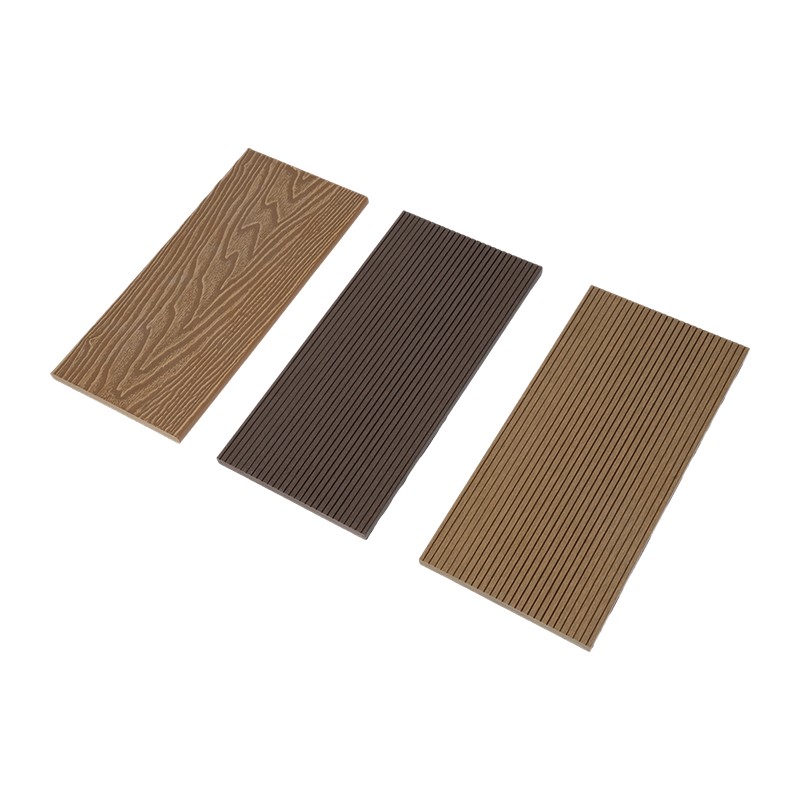
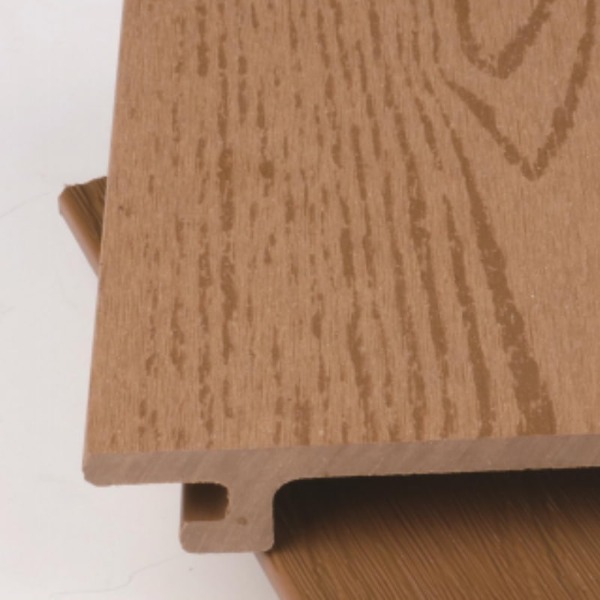
Modern WPC products have dramatically improved in aesthetic performance. Contemporary formulations offer wood-grain textures that closely mimic authentic wood appearance, with color depth and variation that surprised skeptics. The material retains color consistency far longer than wood, maintaining the appearance you selected even after years of exposure. Unlike wood, WPC won't develop dark mold spots, uneven weathering, or visible surface degradation in the first decade of use.
The primary aesthetic trade-off is loss of the organic authenticity that some homeowners prioritize. WPC's uniformity, while an advantage for consistent appearance, lacks the unique character of natural wood grain variation. Some composite formulations have historically appeared plastic-like, though modern products have largely overcome this perception through improved texture and coloration techniques.
Color Retention and Fade Resistance
UV stabilizers incorporated into quality WPC formulations protect against color fading. While some subtle lightening occurs over 20+ years, the material maintains 85-95% of original color according to accelerated weathering tests. Wood's graying process happens dramatically faster—within 3-5 years, pressure-treated wood shows significant color change. Some homeowners embrace this patina; others see it as unwanted deterioration requiring intervention through staining.
Installation and Performance Across Climate Conditions
Installation Considerations
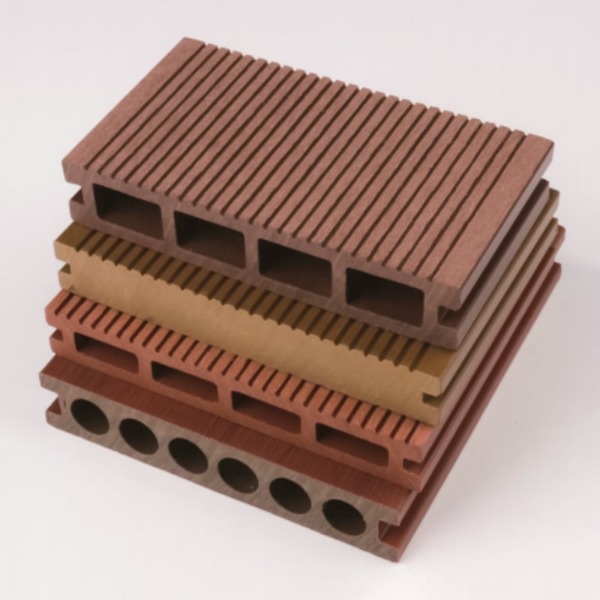
WPC decking requires slightly different installation practices compared to wood. The material expands and contracts with temperature changes more than wood, necessitating proper spacing between boards and fastening techniques that allow for this movement. Proper ventilation beneath the deck becomes even more critical with WPC, as trapped moisture can contribute to mold growth on the underside.
Both materials benefit from proper structural support, quality fastening, and appropriate flashing at connection points. The installation cost typically doesn't vary significantly between materials when using competent contractors familiar with both types.
Climate-Specific Performance
In hot, humid climates, wood decking faces constant moisture pressure and mold growth challenges. WPC significantly outperforms in these conditions, resisting the biological growth that plagues wood. Coastal environments introduce salt air corrosion challenges—while WPC's plastic content resists salt damage well, wood's metallic fasteners can corrode unless upgraded to stainless steel.
Cold climates present different challenges. Freeze-thaw cycles cause wood to split and checking to accelerate. WPC's plastic content doesn't absorb water, eliminating the ice lens formation that damages wood. However, WPC becomes slightly more rigid in extreme cold, which some users find affects foot comfort on particularly cold mornings.
In moderate climates with low humidity, both materials perform acceptably with appropriate maintenance. The performance gap narrows, making aesthetics and personal preference more significant decision factors.
Environmental and Sustainability Considerations
Sourcing and Natural Resource Impact
Traditional wood decking sourcing requires harvesting trees, an activity with significant environmental implications. Sustainable forestry practices mitigate but don't eliminate these impacts. Pressure treatment chemicals, while improved from historical formulations, still involve chemical processing and environmental considerations. Some regional deforestation concerns exist depending on wood species selection.
WPC decking, depending on formulation, may utilize recycled plastic content that diverts waste from landfills. A growing number of products incorporate reclaimed wood fiber from manufacturing waste, creating a beneficial use for materials that would otherwise be discarded. This circular economy approach appeals to environmentally conscious consumers.
Lifecycle Environmental Assessment
The manufacturing energy required to produce WPC is higher than pressure treating wood. However, the extended lifespan and reduced maintenance requirements offset this initial impact. A wood deck requiring replacement every 15-20 years and regular maintenance chemical applications involves more total environmental cost over a 50-year period than a single WPC installation lasting 25-30 years with minimal intervention.
End-of-life considerations differ significantly. Wood decking returns to the environment or requires disposal, while WPC's plastic content creates recycling challenges. However, some manufacturers now accept WPC materials for recycling or repurposing, creating a closing loop in the product lifecycle.
Environmental Impact Summary
Wood: Renewable resource, lower manufacturing impact, biodegradable, but higher maintenance chemical use and shorter lifespan
WPC: Potentially incorporates recycled content, extended lifespan reduces replacement cycles, but plastic-based with recycling challenges
Decision Framework: Matching Material to Your Priorities
Choose Traditional Wood If:
Authentic natural aesthetics are your highest priority
You enjoy hands-on deck maintenance and view it as an engaging outdoor project
Your budget is constrained for upfront investment
You prefer materials with established historical performance data
Your climate is moderate and dry with minimal moisture exposure
You plan to replace or substantially update the deck every 15-20 years
Choose WPC Decking If:
Long-term durability with minimal maintenance is important
You have limited time or physical ability for regular deck care
Your climate is humid, coastal, or otherwise challenging for wood
You want maximum lifespan before replacement consideration
Consistent appearance over years is important
You prefer calculating total cost of ownership over 25+ years
You want to avoid pressure treatment chemicals or wood preservatives
You value reduced environmental impact from extended lifespan and minimal maintenance
Quick Selection Matrix
Hybrid Approaches and Emerging Solutions
Combining Materials for Optimal Results
Some homeowners adopt hybrid strategies, using WPC for main deck surfaces where durability and low maintenance matter most, while incorporating wood elements in railings or accents where aesthetics take priority. This approach leverages each material's strengths while managing compromises.
Another emerging approach involves advanced wood treatments that fall between traditional preservation and composite materials. These involve nano-technology coatings or modified wood species that offer improved durability without requiring plastic components. These solutions remain less established than traditional or composite options, but represent the evolving market response to homeowner demands.
Future Material Innovations
The decking market continues innovating. Manufacturers develop WPC formulations with enhanced wood-grain appearance, lower carbon manufacturing processes, and improved recycling capabilities. Some products now incorporate thermally modified wood, a process that alters wood structure without chemicals to increase durability. Others experiment with novel plastic formulations from renewable sources.
The trajectory points toward materials that combine wood's aesthetic appeal with composite's durability, though perfect solutions remain elusive. Staying informed about these developments helps you make decisions appropriate for your timeline and values.
Installation Best Practices for Maximum Longevity
Preparation and Foundation
Regardless of material choice, proper substructure determines long-term success. Ground-level joists and beams must have adequate ventilation and drainage. Posts should rest on concrete footings extending below frost line to prevent heaving. This foundational work costs the same for wood and WPC but pays enormous dividends in longevity.
Material-Specific Installation Techniques
Wood decking benefits from stainless steel fasteners or hot-dipped galvanized hardware to prevent rust staining and accelerated decay. Proper spacing between boards allows for wood movement while promoting water drainage and airflow.
WPC installations require slightly different fastening approaches. The material's different expansion coefficient means tighter spacing tolerance considerations become important. Some manufacturers specify particular fastener types and spacing requirements—following these specifications ensures warranty coverage and optimal performance. Proper ventilation beneath WPC decks prevents moisture accumulation on the underside, where it could support unwanted biological growth.
Flashing and Water Management
Both materials require careful flashing where the deck connects to the house. Improper flashing allows water penetration behind the deck, damaging house structure regardless of deck material. This critical detail often receives insufficient attention but represents one of the most important installation considerations for long-term structural integrity.
Special Considerations for Different Deck Applications
Ground-Level vs. Elevated Decks
Ground-level decks face constant moisture exposure and biological growth pressure. WPC significantly outperforms wood in these challenging conditions, where wood requires exceptional maintenance efforts. Elevated decks benefit from superior airflow and drying potential, reducing the performance gap between materials. If you're planning a ground-level deck, WPC's advantages become compelling.
Poolside and Spa Applications
Proximity to chlorine, salt water, or treated water creates harsh chemical environments. Wood decking deteriorates rapidly in these applications, with fasteners corroding and wood fibers breaking down from chemical exposure. WPC's plastic component provides superior chemical resistance, making it the more practical choice for pools, spas, or coastal properties where salt spray exposure is constant.
High-Traffic Areas
Decks that receive heavy foot traffic develop surface wear patterns over time. Wood develops darker paths and accelerated weathering in high-traffic zones. WPC's uniform structure resists this differential wear better, maintaining more consistent appearance despite heavy use. This consideration matters for decks adjacent to frequently-used access points.
Sloped or Complex Designs
Complex deck geometries with multiple angles and transitions require careful flashing and substructure planning. Material properties become less significant than installation quality in these applications. Both wood and WPC perform adequately if properly installed, though WPC's reduced maintenance requirements provide an advantage over the years when fixing problems becomes necessary.
Insights From Industry Experience and Research
Contractor Perspectives
Experienced contractors note that customer satisfaction levels differ significantly between materials. Wood deck owners often express frustration with maintenance demands that seemed manageable until execution became part of their routine. They appreciate the material's aesthetics but find the ongoing effort demanding. WPC deck owners consistently report high satisfaction with minimal maintenance involvement, though some note initial sticker shock at material costs fades once they experience year-round performance.
Performance Data from Installations
Long-term performance data from installations across diverse climates consistently shows WPC maintaining structural integrity and appearance longer than wood. In warm, humid regions, the performance gap widens dramatically. In moderate, dry climates, both materials age more slowly, but WPC still requires less intervention. Coastal installations tell the most dramatic stories, with WPC decks looking relatively new while nearby wood decks show significant salt-air damage.
Common Misconceptions
Many consumers believe WPC is significantly heavier than wood, potentially complicating installation. In reality, most WPC boards weigh within 10-15% of equivalent wood boards. This minor difference doesn't affect installation complexity. Another common misconception involves WPC slipping when wet. Modern formulations incorporate anti-slip textures that provide traction comparable to or exceeding weathered wood surfaces. Heat absorption concerns exist—dark WPC surfaces can become warm in direct sunlight—but this equals or remains less than dark wood in comparable conditions.
Regional Factors and Local Considerations
Climate Impact on Material Selection
Desert climates with extreme temperature swings and minimal moisture create different demands than humid tropical environments. In arid regions, both materials age more slowly, and wood's maintenance requirements decrease. Humidity and rainfall dramatically shift the equation toward WPC. Coastal salt spray, freeze-thaw cycles, and persistent moisture create environments where WPC's advantages become significant factors in cost calculations over decades.
Local Material Availability and Supplier Networks
In some regions, established pressure-treated lumber suppliers and local contractor expertise strongly favor traditional wood. Finding experienced installers and suppliers for specialized WPC products may require additional research. Conversely, in areas where WPC adoption has advanced, the supply chain becomes efficient and local expertise abundant. Researching local market conditions helps inform decisions aligned with your regional resources.
Building Codes and Permit Considerations
Most building codes accept both materials without restriction. However, some jurisdictions historically expressed preferences for established materials or specific treatment standards. Modern codes generally accommodate both options, though understanding local requirements prevents surprises during the permitting process. Building officials can clarify local standards for your specific project.
Frequently Asked Questions
Q1: Will WPC decking stain or discolor over time?
WPC may develop surface stains from organic debris, algae, or environmental pollutants, particularly in shaded areas. However, these are cleaning issues rather than structural problems. Most stains respond to appropriate cleaning solutions and can be removed without damaging the material. Unlike wood, which permanently weathers to gray, WPC maintains its structural color beneath surface soiling. The staining tendency varies among formulations, with premium products incorporating additives that reduce staining susceptibility.
Q2: How much more expensive is WPC decking compared to pressure-treated wood?
Material costs typically run 30-50% higher for WPC than pressure-treated lumber. However, this comparison should include maintenance costs over the deck's lifespan. When calculating total investment over 25+ years, including maintenance, repairs, and eventual replacement, WPC often proves more cost-effective despite the higher initial expense. Comparing total cost of ownership rather than upfront material cost provides a more accurate financial picture.
Q3: Can you repair or replace individual WPC deck boards if they become damaged?
Yes, individual WPC boards can be replaced, though color matching becomes challenging after a few years as manufacturers update formulations and colorants. For this reason, some homeowners keep spare boards from their original purchase. Minor damage like dents or surface gouges can sometimes be repaired, though the repair may be visible. Major structural damage requires board replacement, though this happens much less frequently with WPC than wood due to its superior durability.
Q4: Does WPC decking get slippery when wet?
Modern WPC formulations include textured surfaces providing anti-slip properties that match or exceed wet wood traction. Some early-generation composite products did have slipperiness concerns, but contemporary manufacturing has addressed this issue. If slip resistance is particularly important for your application, verify that your selected product includes anti-slip texturing, and always address algae or mold growth promptly, as biological films can reduce traction on any surface.
Q5: What is the environmental impact of WPC decking?
Environmental impact varies based on formulation. Products incorporating recycled plastic content and reclaimed wood fiber offer better environmental profiles than virgin material versions. WPC's extended lifespan (25-30 years versus 15-20 for wood) means fewer replacement cycles over a building's lifetime, reducing cumulative environmental cost. However, WPC's plastic content creates end-of-life recycling challenges that wood doesn't present. Look for manufacturers employing recycled materials and offering recycling programs for their products.
Q6: How does WPC perform in extreme weather like heavy snow or high winds?
WPC's structural properties support equivalent snow loads and wind resistance as similarly constructed wood decks. The material's uniformity actually provides consistent performance across the entire deck surface, unlike wood where varying grain and moisture content create strength variations. Proper structural design determines wind and snow performance more than material choice. Ensuring adequate support beneath decks in heavy snow regions remains critical regardless of material selection.
Q7: Can I use WPC decking with existing wood structures or railings?
Yes, hybrid applications combining WPC decking surfaces with wood railings or accents are common and practical. The two materials connect using standard fastening techniques, though you should verify compatibility with your specific products. Combining materials allows leveraging each option's strengths—WPC's durability for high-wear surfaces and wood's aesthetic appeal for accent elements.
Q8: What warranty protection do WPC decking products typically offer?
WPC warranties vary widely by manufacturer, ranging from limited coverage on specific failure modes to comprehensive 25-30 year warranties. Read warranty terms carefully, noting what's covered, exclusions, and requirements for maintaining coverage. Some warranties cover structural failure but not cosmetic changes like minor color fading. Understanding warranty specifics helps predict long-term costs and identifies products standing behind their performance promises.
Q9: Is composite decking made from recycled materials?
Many manufacturers incorporate recycled plastic content, diverting waste from landfills. However, not all WPC products contain recycled materials—some use virgin polymers. If environmental responsibility drives your decision, specifically seek products highlighting recycled content percentages. Some manufacturers also accept used WPC boards for recycling at end of life, creating closed-loop programs that enhance environmental performance.
Q10: How do thermal properties of WPC compare to wood for comfort underfoot?
WPC absorbs and retains heat more readily than wood, potentially creating uncomfortably warm surfaces on intense sunny days. Dark-colored WPC surfaces in full sun can become noticeably warm, though this equals or remains less than dark-stained wood. Light-colored products and strategic shading from nearby structures or trees mitigate this concern. Most users find any difference minor and not a significant decision factor, though it warrants consideration in very hot climates.
Making Your Final Decision
The choice between wpc outdoor decking and traditional wood ultimately reflects your priorities, circumstances, and lifestyle. Neither material represents a universally correct answer applicable to all situations.
Traditional wood remains the choice when natural aesthetics, heritage appeal, and hands-on maintenance involvement matter most. Its proven track record, availability, and established contractor expertise provide comfort for many homeowners. The authentic character of wood continues resonating with those who value organic materials and are willing to invest time in maintenance.
WPC decking emerges as the pragmatic choice for those prioritizing durability, minimal maintenance, and long-term cost efficiency. The technology has matured to the point where aesthetic concerns have largely resolved, leaving primarily practical considerations in favor of composite materials. In challenging climates or situations where maintenance time and effort are limited, WPC's advantages become substantial.
Your investment in a deck represents a significant commitment to your property and outdoor living. Taking time to understand these materials, evaluating your personal priorities honestly, and researching products specific to your climate ensures satisfaction with your decision. Whether you choose the timeless appeal of natural wood or the modern efficiency of engineered composites, an informed decision leads to an outdoor space you'll enjoy for years to come.