EN
EN English
  русский
  Español
  عربى
عربى 
Wet areas, tight renovation timelines, and budgets that do not stretch to tile or plaster all point toward the same material category. A PVC Wall Ceiling Panel covers a wall or ceiling faster, lighter, and with less ongoing upkeep than most traditional finishing options, provided the panel itself is specified correctly.
01What a PVC Wall Ceiling Panel Actually Is
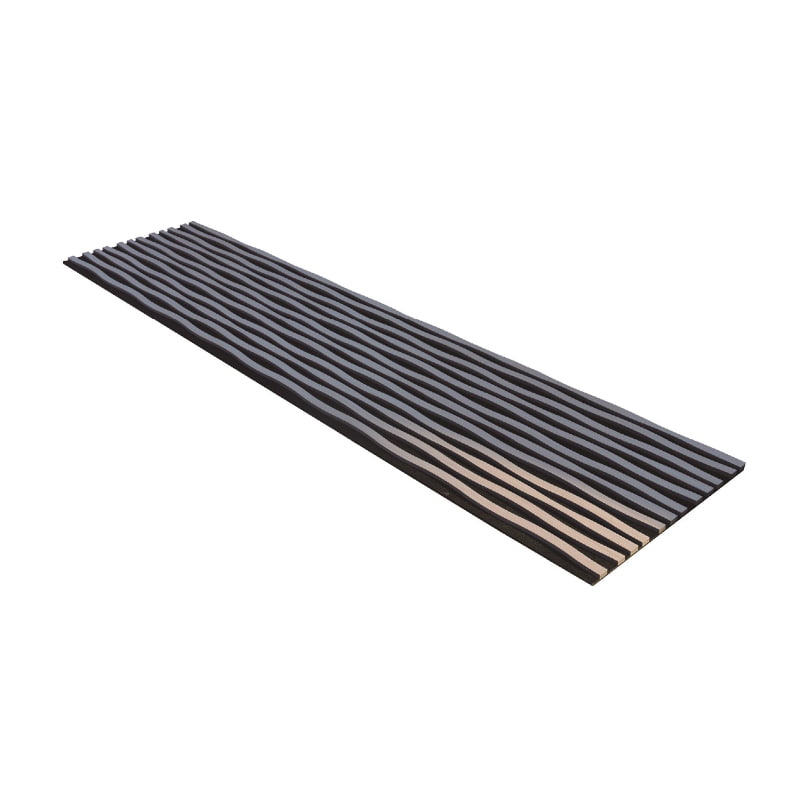
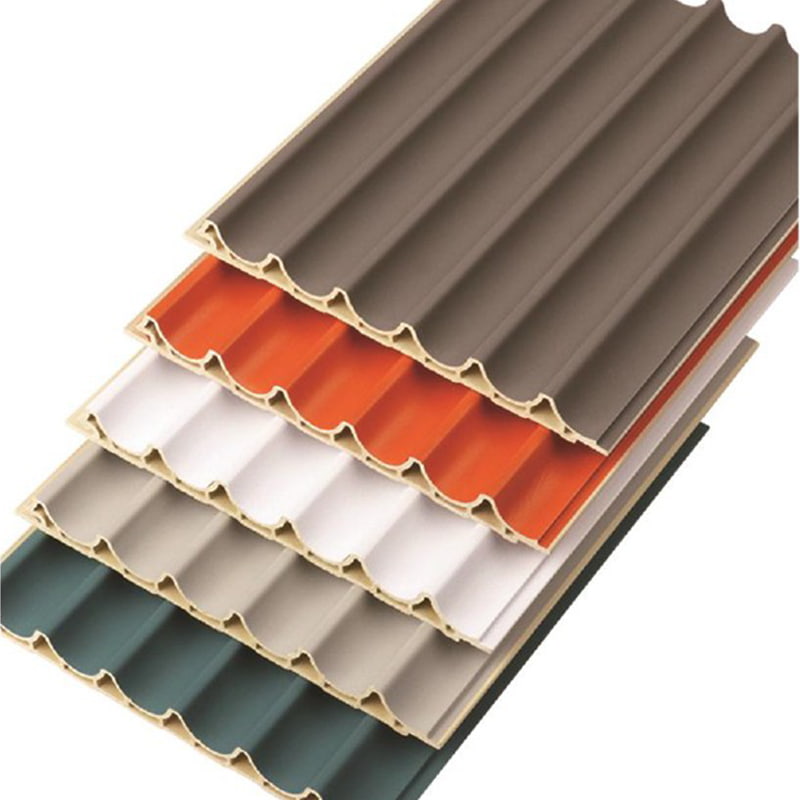
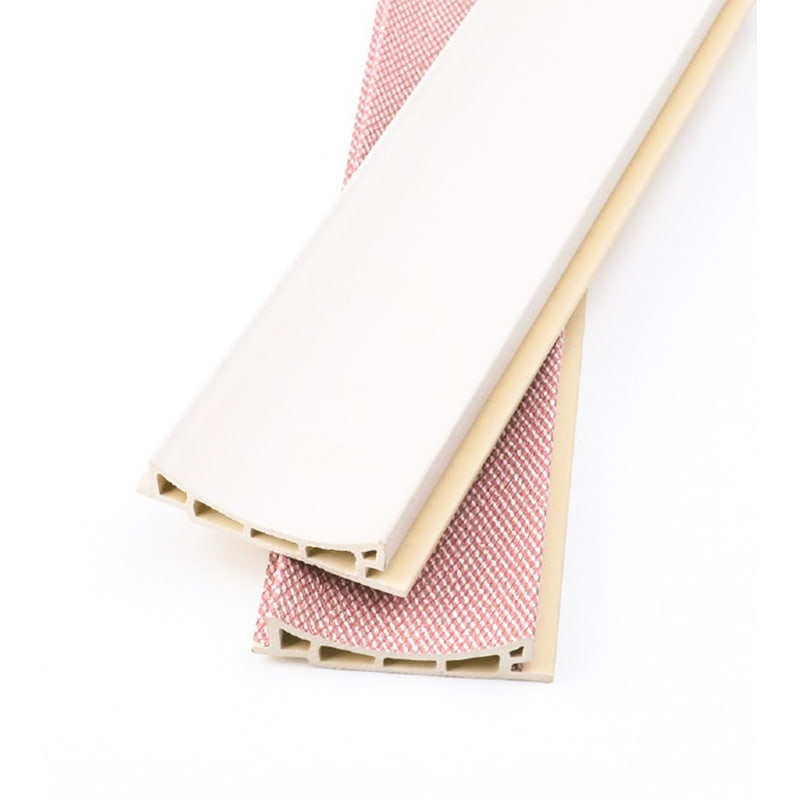
A PVC Wall Ceiling Panel is a lightweight interior covering made from polyvinyl chloride resin, built up in layers to deliver both structural stability and finished appearance. It installs directly over prepared walls or ceilings and protects the surface beneath it from moisture, dust, and daily wear.
02Performance Factors That Decide Long-Term Durability
Panels that look identical in a showroom can perform very differently once installed. These factors explain why.
Panel thickness
Thicker panels resist bowing and impact damage over time
PVC density
Higher density improves rigidity and long-term shape retention
Fire resistance rating
Determines suitability for commercial and public building codes
Installation method
Interlocking systems reduce labor time and visible seams
03Where PVC Panels Solve Real Installation Problems
The same waterproof, lightweight qualities apply differently depending on the space being finished.
Residential
Bathrooms, kitchens, and living spaces needing fast, moisture-safe finishing
Commercial
Offices and retail spaces that need durable surfaces on a tight renovation schedule
Hospitality
Hotel rooms and public areas where appearance and easy cleaning both matter
Industrial
Workshops and facilities needing washable, low-maintenance wall protection
04PVC Wall Ceiling Panel vs Traditional Interior Materials
| Factor | PVC Wall Ceiling Panel | Traditional Interior Materials |
| Moisture resistance | Naturally waterproof | Performance varies by material type |
| Installation time | Faster, less labor intensive | Often requires longer construction time |
| Maintenance | Easy cleaning, stain resistant | Often requires regular upkeep |
| Weight | Lightweight, easier to handle | Depends on material chosen |
A properly specified PVC Wall Ceiling Panel turns a renovation timeline measured in weeks into one measured in days, without giving up moisture protection or finished appearance.
05Choosing Panel Specs for Your Project
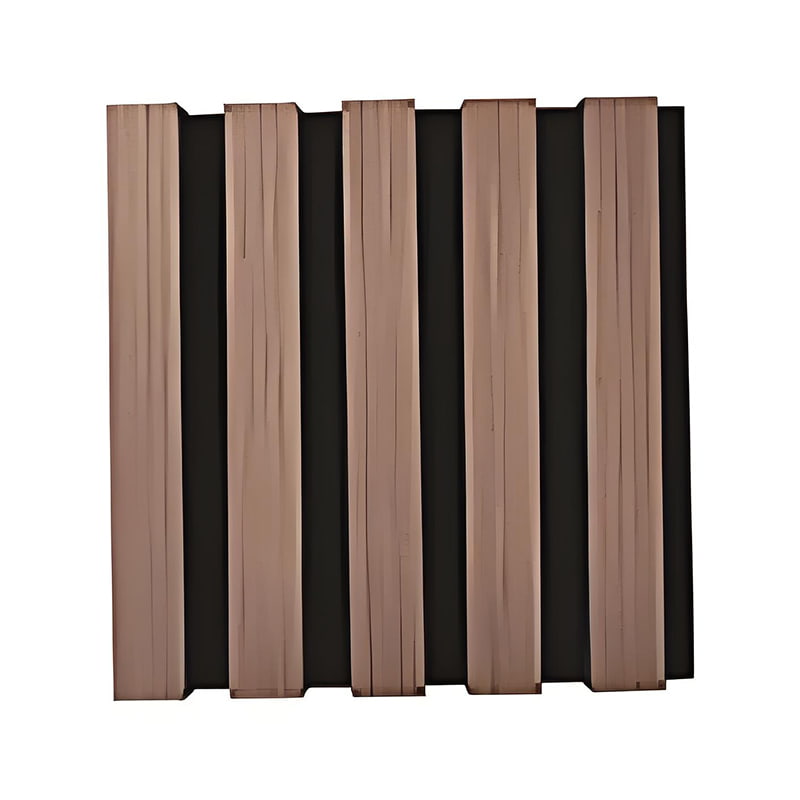
Wet areas like bathrooms and kitchens call for panels prioritizing waterproof performance above all else. Commercial and public buildings need fire resistance ratings that meet local code requirements. High-traffic spaces benefit from thicker, higher-density panels that resist impact and daily wear. Decorative-forward projects can lean into wood grain or marble-textured surface films without sacrificing the underlying performance.
Getting the specification right up front avoids the more expensive problem of replacing panels that looked fine at installation but failed to hold up to the space's real conditions.
Specify With Confidence
Share your installation environment, fire rating requirements, and design preferences with a PVC panel manufacturer who can match thickness, density, and finish to the project rather than offering a single generic option.