EN
EN English
  русский
  Español
  عربى
عربى 
When renovating a bathroom, one of the most critical decisions homeowners and contractors face is selecting the right wall covering for shower areas. The traditional debate between tiles and modern bathroom shower wall panel solutions has evolved significantly over the past decade. Both options offer waterproof protection, but they differ substantially in installation complexity, long-term maintenance, aesthetic flexibility, and overall cost-effectiveness. This comprehensive guide examines the key differences between these two waterproofing approaches, helping you make an informed decision for your next bathroom project.
Understanding Traditional Tile Installations
Ceramic and porcelain tiles have dominated bathroom design for generations. Their popularity stems from durability, water resistance, and the vast array of aesthetic options available in the market. However, the installation process for tile-based showers requires meticulous attention to detail and professional expertise.
The Tile Installation Process
Installing tiles involves multiple layers of preparation and materials. The process begins with substrate preparation, where the wall surface must be perfectly level and often requires cement backer board or waterproofing membranes. Tiles are then adhered using thin-set mortar, requiring careful spacing and alignment. After the tiles cure, grout—a cement-based material—fills the gaps between tiles. This multi-step process typically takes several days and demands skilled labor.
Grout: The Vulnerability Point
While tiles themselves are waterproof, grout presents an ongoing challenge. Grout is porous and absorbs water unless sealed. Even with proper sealing, grout requires periodic resealing every one to three years. Over time, grout lines can develop cracks, allowing moisture to penetrate behind the tiles and compromise the substrate. This moisture intrusion often leads to mold growth, structural damage, and costly repairs that may not be immediately visible.
Tile Maintenance Requirements
Maintaining tiled shower walls demands consistent effort. Regular scrubbing between grout lines prevents mold and mildew buildup. The grout joints are particularly susceptible to discoloration and degradation. Homeowners must also contend with occasional loose tiles, which require professional regrouting or replacement. These maintenance tasks, while not catastrophic individually, accumulate into significant time and expense over years.
Modern Waterproof Shower Wall Panels: A Contemporary Alternative
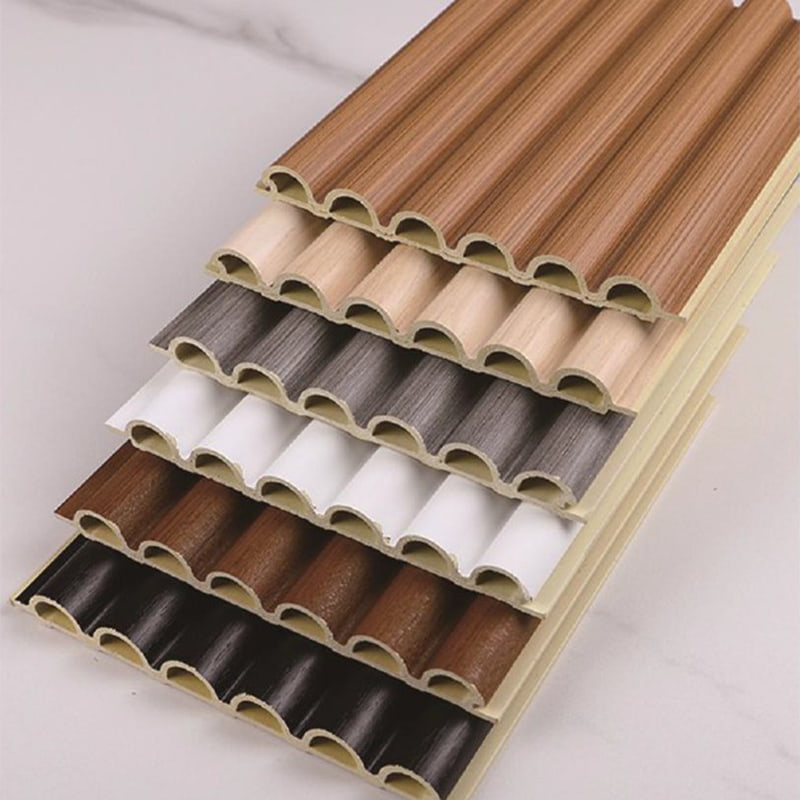
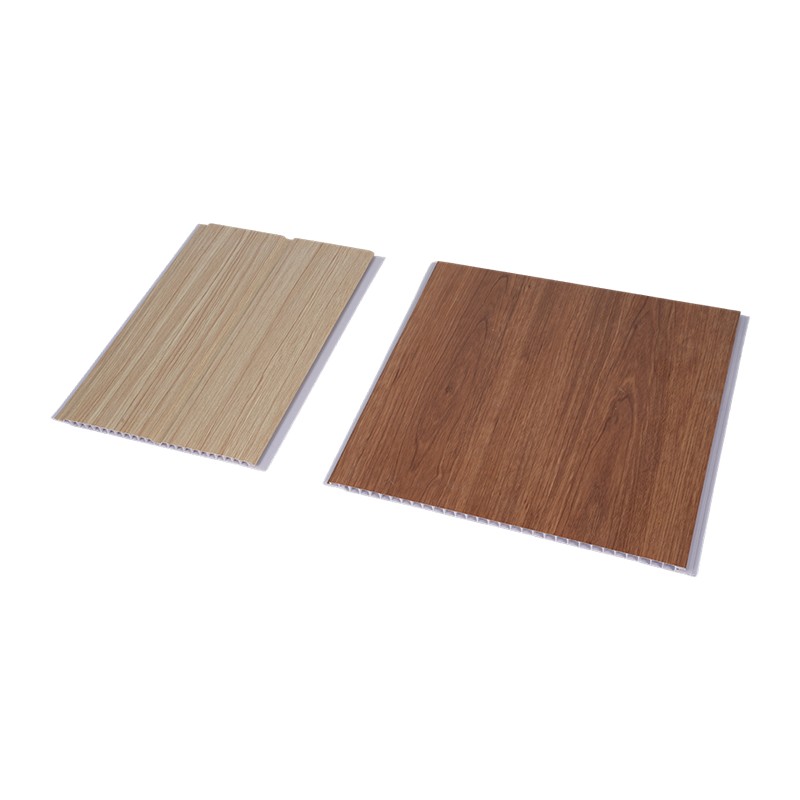
Contemporary waterproof bathroom wall panels represent a paradigm shift in bathroom design and installation methodology. These panels, manufactured from materials such as PVC, WPC (wood-plastic composite), and advanced acrylic compounds, offer seamless waterproofing without grout vulnerabilities.
Material Composition and Performance
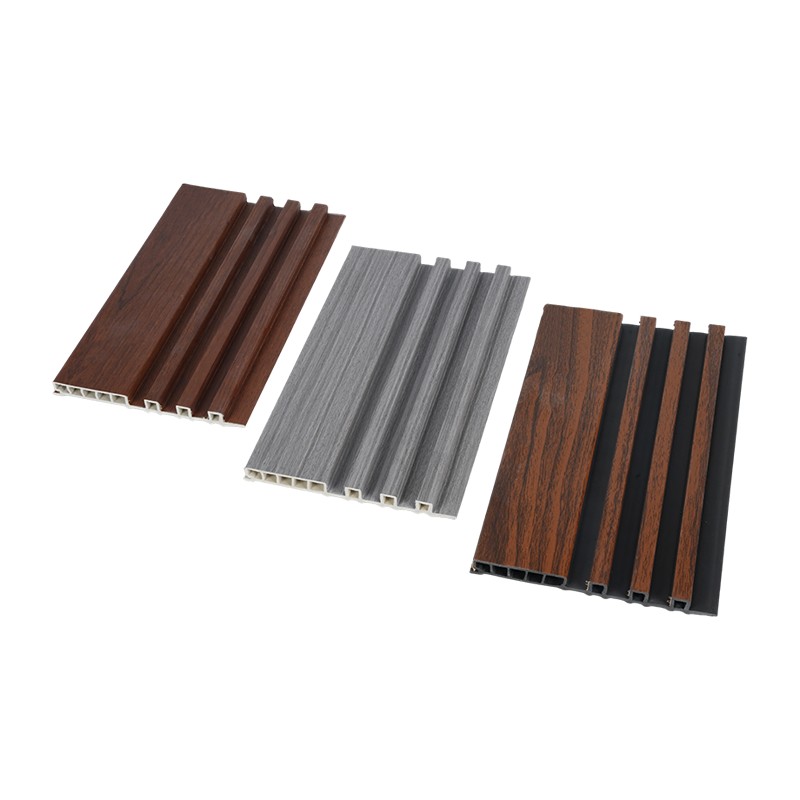
Modern shower wall panels are engineered specifically for wet environments. PVC panels feature inherent water resistance, lightweight construction, and resistance to moisture-induced warping. WPC panels combine the aesthetic appeal of wood-look finishes with superior water resistance and durability. These materials do not absorb moisture, eliminating the root cause of many bathroom problems associated with traditional installations.
Installation Simplicity and Speed
Panel installations require significantly less labor and expertise compared to tile work. The process typically involves installing furring strips or a support framework, then securing panels using adhesive and mechanical fasteners. Most installations can be completed within one to two days, reducing labor costs substantially. This simplified approach also minimizes the risk of installation errors that could compromise waterproofing.
Seamless Waterproofing Design
Unlike tiled installations with numerous grout lines, shower cladding solutions feature panel joints that are designed to overlap or integrate with silicone sealants at only the most critical transition points. Panel designs often include tongue-and-groove systems or interlocking edges that shed water effectively, eliminating the moisture-trapping characteristics of grout.
Detailed Comparison: Panels Versus Tiles
Installation Timeline
| Aspect | Tile Installation | Panel Installation |
|---|---|---|
| Average Timeline | 5-7 days | 1-2 days |
| Curing/Drying | 3-7 days | 24 hours |
| Skill Level Required | Expert | Intermediate |
Water Resistance Performance
Both solutions provide waterproof protection when properly installed, but they achieve this through different mechanisms. Tiles are waterproof materials, but water can penetrate through grout lines and into the substrate if sealing is inadequate or deteriorates. Panel systems eliminate this vulnerability by using water-shedding edges and minimal sealant joints. The absence of porous materials in panel systems means water does not have pathways to reach wall substrates.
Aesthetic Variety and Design Flexibility
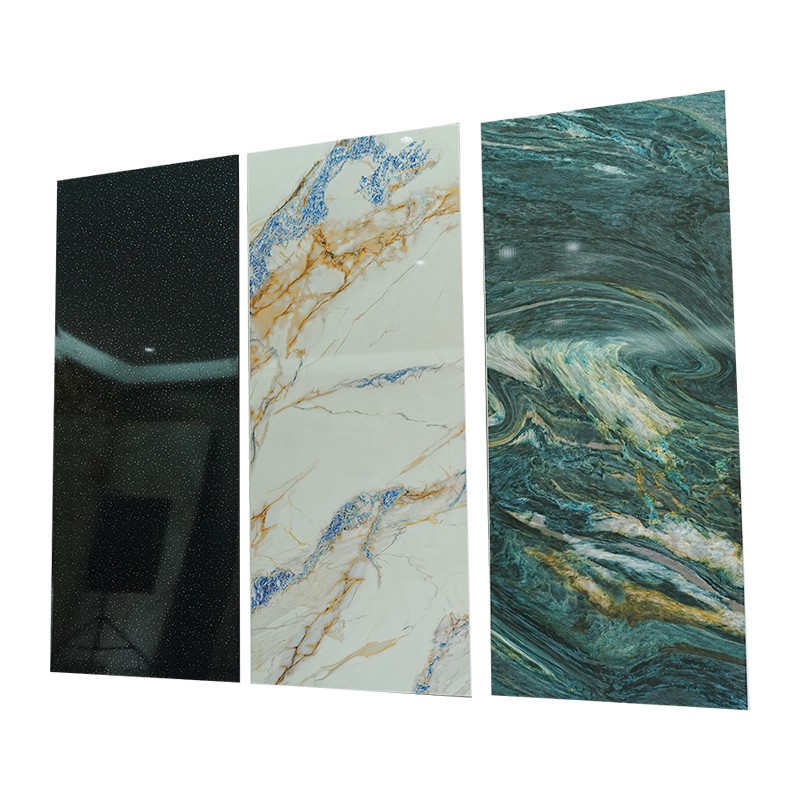
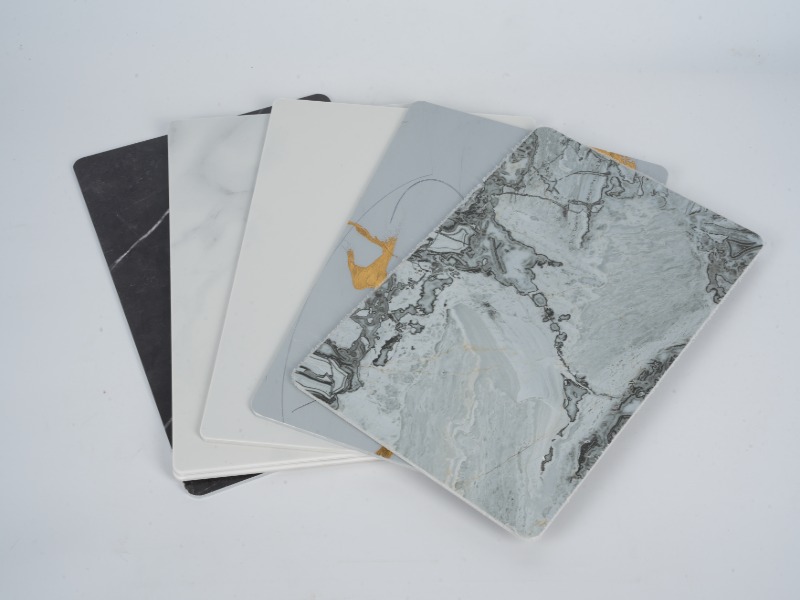
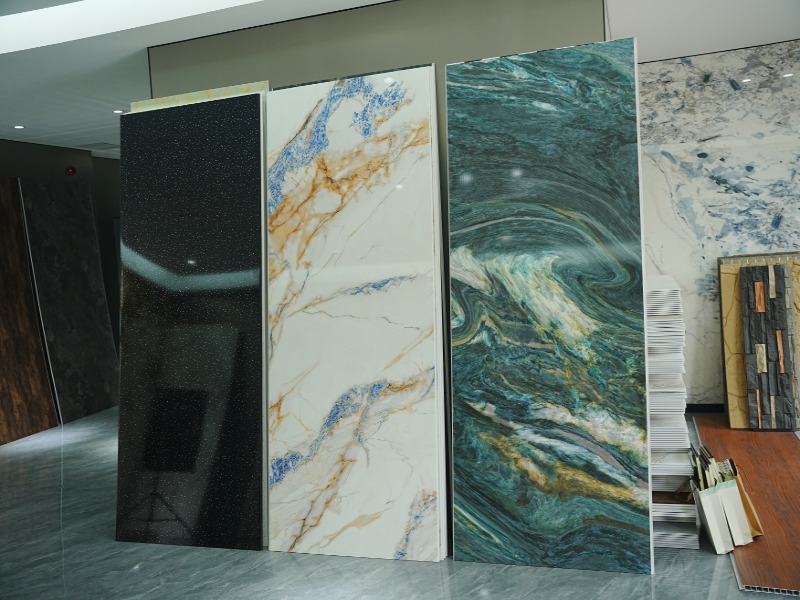
Tiles offer enormous aesthetic diversity—countless colors, patterns, sizes, and finishes. Homeowners can create custom designs, mosaics, and artistic expressions through tile arrangement. However, this variety requires careful selection and professional layout planning. Modern panels now offer competitive aesthetic options, including stone-look textures, natural finishes, solid colors, and textured surfaces. Panel designs tend toward cohesive, uniform appearances rather than custom artistic expressions, though this consistency appeals to many contemporary design preferences.
Long-Term Durability and Lifespan
High-quality tiles can last 20+ years when properly installed and maintained. However, achieving this lifespan requires regular grout maintenance and eventual substrate repairs. Panel systems typically offer 20-30 year lifespans with minimal maintenance. The durability advantage of panels lies in their resistance to the water intrusion issues that compromise tile installations. Panels resist staining, discoloration, and material degradation better than porous grout.
Maintenance Comparison: Effort and Expense
Tile Maintenance Requirements
Weekly cleaning of tile surfaces and grout lines
Monthly deep cleaning and mold prevention treatment
Annual inspection of grout integrity
Resealing grout every 1-3 years
Addressing loose tiles or grout cracks promptly
Potential substrate repairs if water intrusion occurs
Panel Maintenance Requirements
Weekly cleaning with mild soap and water
Occasional inspection of seals at transitions
No grout maintenance required
No regular resealing necessary
Minimal substrate interaction eliminates hidden problems
The maintenance advantage for panels is substantial. Over a 20-year period, the cumulative time and expense for tile grout maintenance can equal or exceed the cost of panel installation. Homeowners appreciate the simplicity of panel care, which reduces household maintenance burden and the likelihood of expensive water damage.
Cost Analysis: Material and Installation Expenses
Material Costs
Tile material costs vary dramatically based on quality. Basic ceramic tiles cost $1-3 per square foot, while premium porcelain or designer tiles reach $10-20+ per square foot. Backer board, thin-set mortar, and grout add additional material expenses of $2-4 per square foot. Panel materials typically cost $3-8 per square foot, depending on quality and finish options. While material costs appear comparable, the reduced labor and installation materials for panels create overall savings.
Installation Labor
Professional tile installation requires 4-6 hours per 50 square feet of shower wall space. At typical contractor rates of $60-100 per hour, labor costs range from $240-600 per 50 square feet. Panel installation requires 1-2 hours per 50 square feet, reducing labor costs to $60-200. For a standard shower enclosure of 100-150 square feet, the labor savings can total $400-1,000.
Long-Term Maintenance Costs
Over 20 years, tile grout maintenance, resealing, and potential repairs accumulate to $500-2,000 in labor and materials. Panel systems require minimal maintenance, with occasional silicone resealing at transitions costing $100-300 total over the same period. This maintenance cost differential represents a significant financial advantage for panel systems.
Total Cost of Ownership
| Cost Category | Tiles (100 sq ft) | Panels (100 sq ft) |
|---|---|---|
| Materials | $400-600 | $300-800 |
| Installation Labor | $480-1,200 | $120-400 |
| 20-Year Maintenance | $500-2,000 | $100-300 |
| Total 20-Year Cost | $1,380-3,800 | $520-1,500 |
Performance Characteristics and Water Management
Water Penetration Pathways
Understanding how water moves through different materials illuminates the performance differences between tiles and panels. In tile installations, water follows three primary pathways: through grout lines when grout deteriorates or was inadequately sealed, through hairline cracks in grout that develop from substrate movement or age, and through ungrouted penetrations where pipes or fixtures pass through walls. Panel systems minimize these pathways through engineered edge designs and sealed transitions.
Moisture Vapor Transmission
Shower environments create both liquid water and moisture vapor. Tiles and grout allow vapor transmission at different rates. If substrate materials absorb this vapor without adequate ventilation, mold growth becomes likely within wall cavities. Panel systems with proper ventilation behind them reduce trapped moisture. The non-porous nature of quality panels prevents vapor absorption, significantly reducing mold risk compared to porous grout and substrate materials.
Substrate Protection
The wall substrate beneath shower surfaces experiences the highest stress in bathroom environments. Tile installations depend entirely on the quality of waterproofing membranes applied before tile installation. If these membranes fail or were inadequately applied, substrate damage develops invisibly behind tiles until structural problems become apparent. Panel systems create barriers that protect substrates from water intrusion, and because panels are removable, substrate inspection and repair remain accessible if needed.
Installation Considerations and Best Practices
Proper Tile Installation Standards
Successful tile installations require careful adherence to standards. Backer board must be installed on walls, not drywall. Waterproofing membranes should be applied to backer board before tiling begins. Tiles should be set with thin-set mortar appropriate for the tile type and substrate. Grout should be properly mixed and applied with a grout float. After curing, grout should be sealed with penetrating sealer. Each step significantly impacts long-term water resistance.
Proper Panel Installation Standards
Panel installations begin with substrate evaluation—the wall surface should be flat and structurally sound. Furring strips or battens are installed to create a frame. Panels are cut to size and secured using construction adhesive and mechanical fasteners. Seams are typically sealed with silicone where overlap occurs or at transitions. Installation errors are less consequential than tile work because the panel material itself provides the waterproofing rather than depending on proper substrate preparation.
Substrate Preparation Differences
Tile work demands extensive substrate preparation—perfect flatness, moisture barriers, and backer board installation. Improper substrate preparation essentially guarantees future water damage regardless of tile quality. Panel installation tolerates minor substrate irregularities because fasteners adjust for these variations. This difference makes panel installation more forgiving and less dependent on perfect preparation.
Visual Comparison of Waterproofing Approaches
Specific Applications: When to Choose Each Option
Choose Tiles For:
Custom artistic designs or decorative expressions
High-end residential projects where aesthetics are paramount
Commercial installations where durability through tile quality alone is prioritized
Projects where the wall substrate is already perfectly prepared
Installations where the homeowner has budget flexibility for maintenance
Choose Panels For:
Rapid renovation timelines where speed is essential
Budget-conscious projects where total cost of ownership matters
Situations where substrate irregularities exist
Homes where low maintenance is a priority
Rental properties or commercial spaces with high turnover
Accessibility renovations where quick installation minimizes disruption
Emerging Trends in Bathroom Wall Solutions
Advanced Panel Materials
The panel industry continues to innovate with materials that rival tile aesthetics while maintaining installation and maintenance advantages. WPC panels now offer wood-grain finishes so realistic that casual observers cannot distinguish them from actual wood. Acrylic and composite panels provide stone-look textures and granite-like appearances. These material advances broaden the design appeal of panels to homeowners traditionally drawn to tile variety.
Hybrid Solutions
Some contemporary bathrooms employ hybrid approaches, using panels for the primary shower enclosure while incorporating decorative tile accents or borders. This strategy balances the maintenance advantages of panels with selective tile artistry. Hybrid installations typically cost less than full-tile environments while providing design flexibility.
Sustainability Considerations
Environmental consciousness influences material selection. Recycled content panels and sustainably sourced materials appeal to eco-minded consumers. Tiles remain durable long-term, reducing replacement frequency, which favors their environmental profile. However, the energy required for tile manufacturing and shipping heavy materials partially offsets this advantage. Panels made from recycled materials or sustainably harvested sources increasingly compete on environmental merit.
Making Your Decision: Decision Framework
Assessment Checklist
Evaluate your priorities across these dimensions to guide your decision:
Timeline: Need installation completed within days or weeks? Panels offer decisive advantage.
Budget: Calculate total 20-year cost including maintenance. Panels typically offer superior value.
Aesthetics: Require artistic customization or prefer consistent, modern appearance?
Maintenance: Want minimal upkeep, or willing to invest time in grout care?
Substrate Condition: Is your wall substrate perfectly flat and properly prepared?
Longevity: Planning to stay in the home long-term or anticipate selling or renting?
Accessibility: Need bathroom access during renovation, or can tolerate extended project duration?
Consultation Recommendations
Regardless of your choice, consult with professionals experienced in your selected method. A skilled tile installer can execute an installation that maximizes tile longevity. An experienced panel installer understands substrate conditions and seal strategies that ensure decades of trouble-free service. Professional expertise matters significantly regardless of material selection.
Frequently Asked Questions
Q1: Can panels be installed over existing tile?
Yes, panels can be installed over existing tile if the tile surface is stable and flat. This approach eliminates costly tile removal while providing an updated appearance and improved waterproofing. The existing tile and substrate must be inspected for integrity—loose or damaged tiles should be addressed first. This renovation method saves time and reduces disposal costs compared to complete tile removal.
Q2: How long do panels actually last compared to tiles?
Quality panels typically last 20-30 years, comparable to or exceeding quality tile installations. Tiles themselves can last indefinitely, but grout requires maintenance and eventual replacement. Tiles without grout problems can last 20+ years, but achieving this requires diligent maintenance. Panels achieve comparable or superior longevity with minimal maintenance effort.
Q3: What happens if water gets behind the panels?
Because panels are removable, they allow access to substrate areas if water intrusion occurs. This accessibility enables repair before serious structural damage develops. The air space behind panels also promotes drying, reducing moisture accumulation. Tile installations do not allow easy inspection or repair of substrate areas behind tiles, meaning water damage often goes undetected until significant damage occurs.
Q4: Are panels slippery like some tile surfaces?
Panel safety depends on the specific product. Many panels feature textured surfaces that provide slip resistance comparable to or exceeding textured tiles. Smooth panel finishes can be slippery when wet, similar to smooth tiles. Select panel products with textured finishes if slip resistance is a concern, or add adhesive safety strips if needed.
Q5: Can I tile over waterproof panels?
While technically possible, tiling over panels is not recommended. Panels provide a smooth but non-porous surface that compromises tile adhesion. Water penetration behind tiles would reach the panel surface with nowhere to drain. If tiling is desired, traditional substrate preparation is more appropriate than attempting to tile over panels.
Q6: What size are standard shower wall panels?
Panel dimensions vary by manufacturer, but common sizes include 1200mm x 2400mm sheets, which efficiently cover standard wall areas. Smaller panels of 600mm x 2400mm suit niche applications. Custom sizes can be manufactured for specific projects. Standard sizing simplifies installation and reduces waste compared to tile projects requiring numerous cuts for layout.
Q7: Do panels discolor over time like grout?
Quality panels resist discoloration significantly better than grout. Their non-porous surfaces do not absorb stains the way porous grout does. However, panels can accumulate soap scum, hard water deposits, or mold on their surfaces with neglect. Regular cleaning with appropriate cleaners maintains appearance. Unlike grout, these surface stains on panels can be reliably removed with cleaning, rather than requiring permanent sealing or replacement.
Q8: What is the warranty coverage for panels versus tiles?
Warranties vary significantly by manufacturer and product tier. Premium panels typically offer 10-25 year warranties covering material defects and waterproofing integrity. Tiles themselves often carry limited warranties focusing on manufacturing defects, with installation and grout performance generally not warranted. Panel warranties typically provide more comprehensive coverage of the factors that determine long-term performance, whereas tile warranties have narrower scope.
Q9: Can DIY homeowners install panels successfully?
Panels are generally more DIY-friendly than tiles, though professional installation ensures optimal results. The simplified installation process involves straightforward fastening and sealing steps that experienced homeowners can execute. Tile installation requires specialized tools, grouting expertise, and precise layout skills that demand professional competence. Panels present a more realistic DIY option for capable homeowners, though complexity varies by panel type.
Q10: How do environmental conditions affect panel versus tile performance?
Extreme humidity, temperature fluctuations, and water exposure stress both materials. Panels with high-quality manufacturing prove more stable across environmental extremes than budget alternatives. Similarly, quality tiles with proper installation outperform budget tiles and poor installation in harsh environments. Environmental resilience depends more on product quality and installation competence than on the material type itself. Both options perform reliably in standard bathroom conditions with appropriate selection and installation.