EN
EN English
  русский
  Español
  عربى
عربى 
Specifying an interior wall material always comes down to the same trade-off: the warmth of real wood against the practical demands of a commercial interior. Wood veneer WPC wall panel exists to close that gap, pairing an authentic wood surface with a composite core built to handle the humidity, cleaning cycles, and wear that solid wood struggles with.
What a Wood Veneer WPC Wall Panel Actually Is
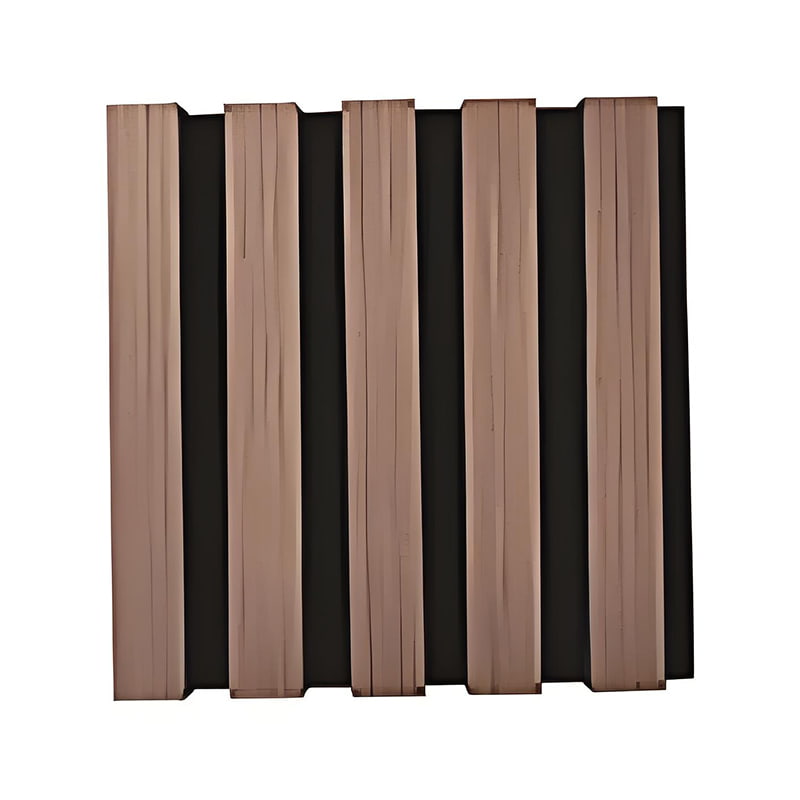
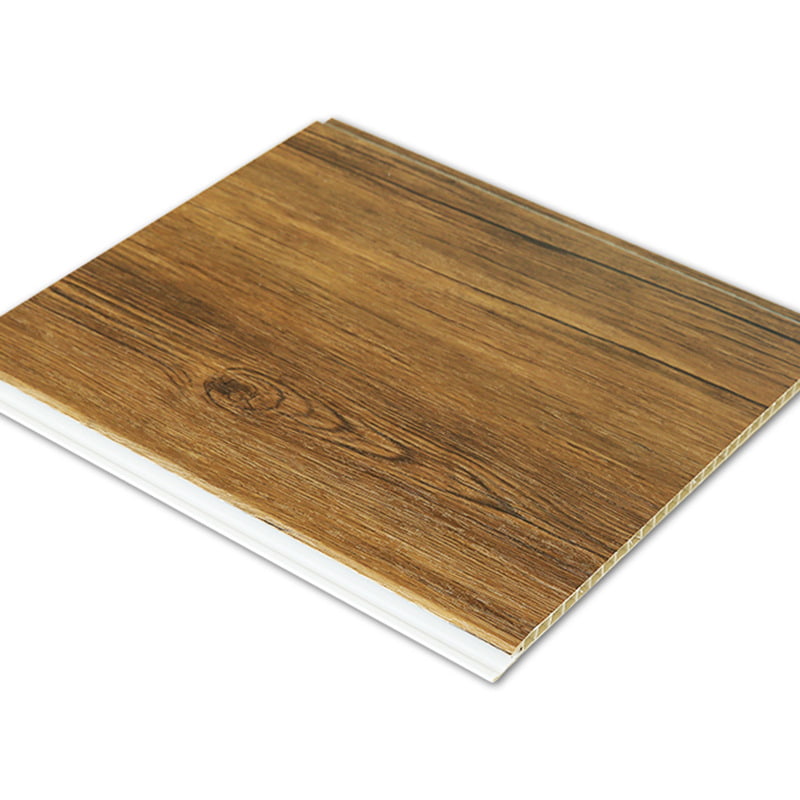
A wood veneer WPC wall panel is an interior wall covering built from a Wood Plastic Composite core laminated with a genuine wood veneer or wood-pattern surface, combining natural texture with the moisture resistance and dimensional stability solid wood lacks.
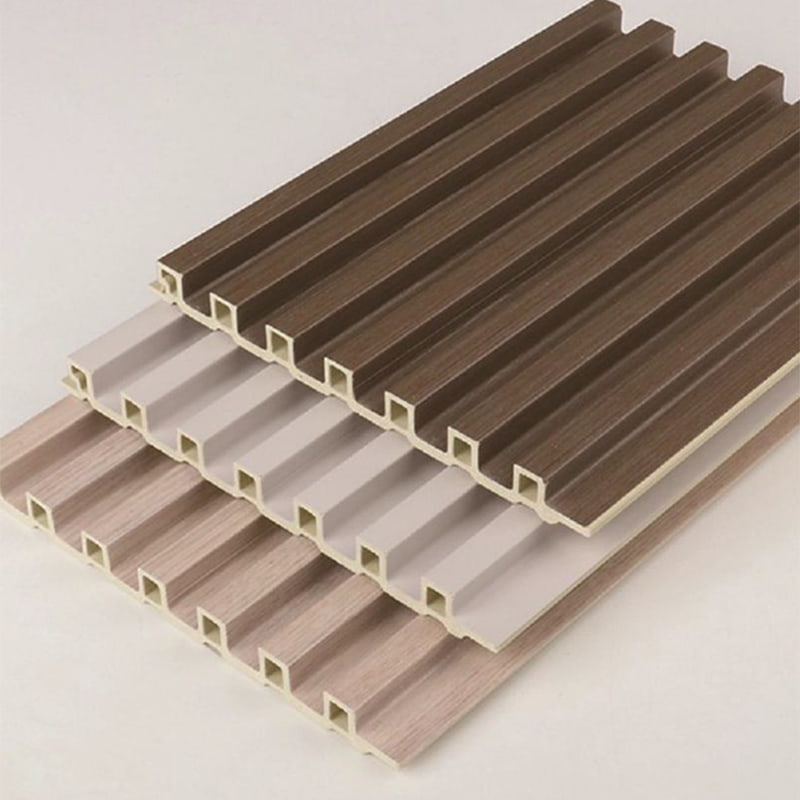
The construction is layered by design: a WPC substrate for structure and stability, a decorative veneer layer for appearance, and a protective surface coating on top. Each layer does one job, which is why the finished panel performs differently from either plywood or plastic cladding on their own.
What Makes the Combination Work
- 1
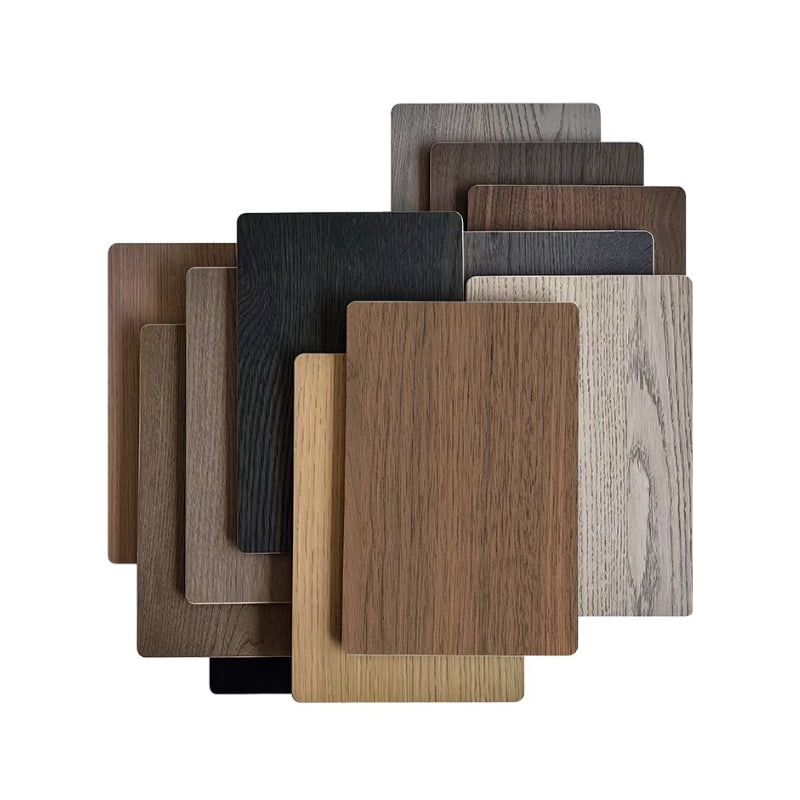
Natural appearance — Real wood veneer carries authentic grain and color variation that printed finishes rarely match.
- 2
Moisture resistance — The WPC core absorbs far less water than solid wood, resisting swelling and warping.
- 3
Dimensional stability — Panels hold their shape across humidity swings that would shift natural wood.
- 4
Faster installation — Lightweight, modular panels reduce labor time on large-scale commercial fit-outs.
Wood Veneer WPC vs Traditional Wood Panel
| Moisture resistance | High resistance | Easily affected by moisture |
| Durability | Strong dimensional stability | More prone to deformation |
| Maintenance | Low maintenance | Requires regular care |
| Installation | Faster, modular fixing | More complex installation |
| Material sourcing | Supports recycled content | Higher solid wood consumption |
Specifications Worth Comparing
Affects impact resistance and mounting method
Determines grain realism and light response
Required for most commercial building codes
Correlates with durability and acoustic performance
Where Designers Are Specifying It
The same panel gets specified for very different reasons depending on the space. Residential interiors use it for feature and background walls where a natural look matters most. Hotels and hospitality venues value the low maintenance across guest rooms and lobbies. Offices and retail spaces lean on fast installation to minimize fit-out downtime, while public facilities such as schools and airports prioritize durability and fire performance above all else.
Choosing a Manufacturer
Veneer quality and core composition vary widely between suppliers, even when spec sheets look similar. Before committing to a project order, review the manufacturer's production experience, customization capability, quality control process, and export track record. A supplier experienced in wood veneer WPC wall panel production for commercial projects will match veneer grade, fire rating, and panel dimensions to your specification without surprises mid-project.
Specification Questions
Is wood veneer WPC wall panel suitable for humid environments?
Yes, the WPC core resists water absorption significantly better than solid wood, making it a common choice for bathrooms, hotels, and other humid commercial spaces.
How does it compare in cost to solid wood paneling?
It typically costs less than solid wood over the panel's service life once reduced maintenance and lower replacement frequency are factored in.
Can panels be customized for a specific wood grain or color?
Yes, manufacturers commonly offer custom veneer grain patterns, colors, and panel dimensions for architectural and branded interior projects.
Does it meet commercial fire safety requirements?
Many wood veneer WPC panels are available with fire-resistant formulations, but the specific rating should be confirmed against your project's building code requirements.