EN
EN English
  русский
  Español
  عربى
عربى 
What Is Outdoor WPC Decking?
Outdoor WPC decking represents a revolutionary advancement in exterior flooring materials, combining wood fibers and plastic polymers into a unified, weather-resistant composite. Unlike traditional lumber, this wood plastic composite decking eliminates common issues such as splintering, rotting, and insect damage, making it an ideal choice for homeowners and commercial property managers seeking long-term reliability.
The material composition typically consists of 60-70% wood fiber and 30-40% plastic binder, creating a product that retains the aesthetic warmth of natural wood while offering superior durability. This hybrid structure ensures that the decking resists moisture infiltration, UV fading, and temperature fluctuations far better than solid wood alternatives.
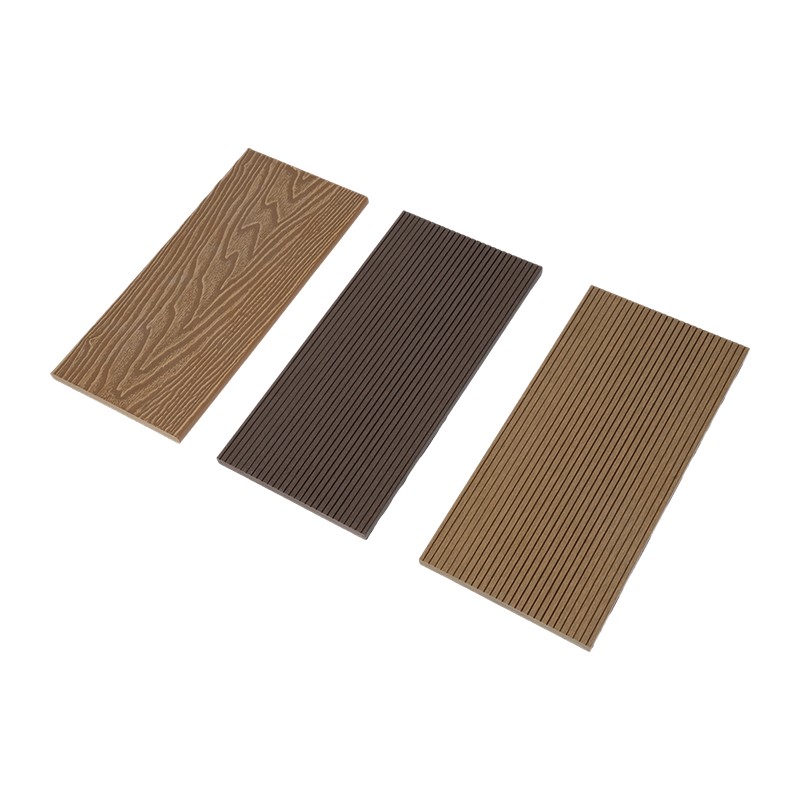
Available in numerous colors, finishes, and textures, outdoor WPC decking provides flexibility in design while maintaining consistent performance across residential patios, garden pathways, pool decks, hotel courtyards, and commercial amenities. The material has gained significant market traction over the past fifteen years, with adoption rates increasing annually as architects and builders recognize its practical advantages.
Key Features of WPC Decking
Durability and Weather Resistance
A primary advantage of WPC decking is its exceptional durability in harsh outdoor environments. The composite structure resists moisture absorption, preventing the wood rot and decay that plague traditional timber decks. Temperature cycles, UV exposure, and precipitation have minimal impact on structural integrity, with most quality products maintaining their appearance and strength for 20-30 years.
Weather-resistant WPC decking performs consistently across diverse climates, from humid coastal regions to arid desert environments. The plastic matrix acts as a protective barrier, while the wood fibers provide structural stability without the vulnerabilities of pure lumber.
Low Maintenance Requirements
One of the most compelling benefits of low-maintenance WPC decking is the substantial reduction in upkeep compared to wood. Traditional decks require annual staining, sealing, sanding, and treating to prevent damage. WPC decking eliminates these labor-intensive processes.
Routine care involves simple sweeping and occasional cleaning with mild soap and water. Most stains wipe away easily, and the surface requires no sealant reapplication or protective finishes. This reduction in maintenance translates directly to cost savings and increased leisure time for property owners.
Anti-Slip Properties
Safety ranks among the top considerations for any outdoor surface, particularly in wet environments like pool decks and shaded patios. Anti-slip WPC decking incorporates textured surface treatments that significantly reduce slip hazards without requiring additional coatings or traction strips.
The embossed or grained finish provides reliable traction even when wet, making it especially suitable for areas where water exposure is frequent. This inherent safety feature requires no maintenance and does not diminish over time.
Environmental Considerations
Many WPC products incorporate recycled plastic and sustainably sourced wood fiber, offering an environmentally conscious alternative to virgin materials. Using reclaimed plastics diverts waste from landfills while reducing the demand for pristine timber harvesting, resulting in a lower overall environmental footprint compared to traditional decking options.
Types of Outdoor WPC Decking
| Decking Type | Characteristics | Best For |
|---|---|---|
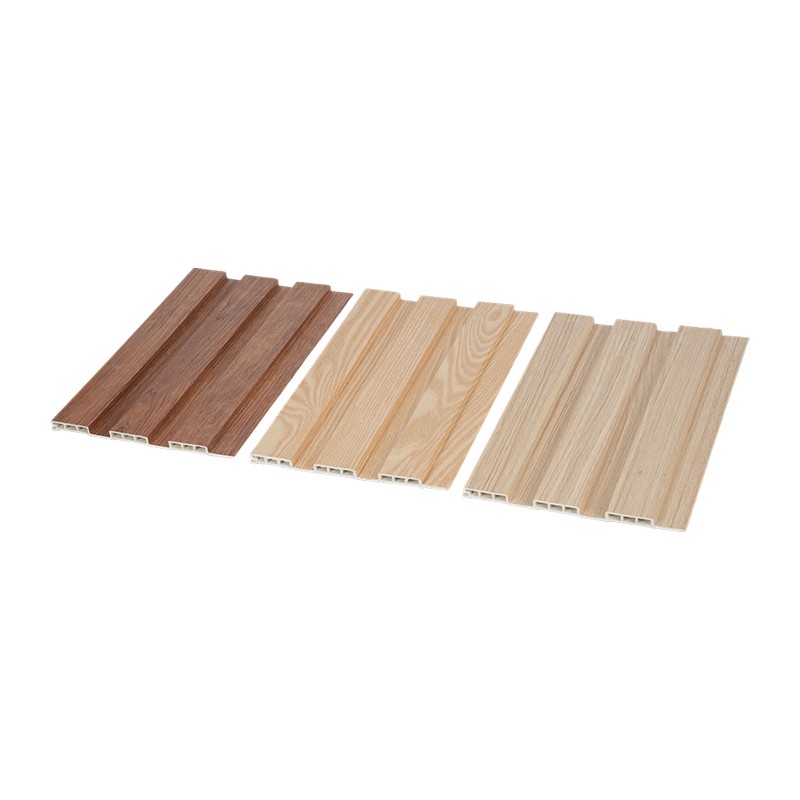
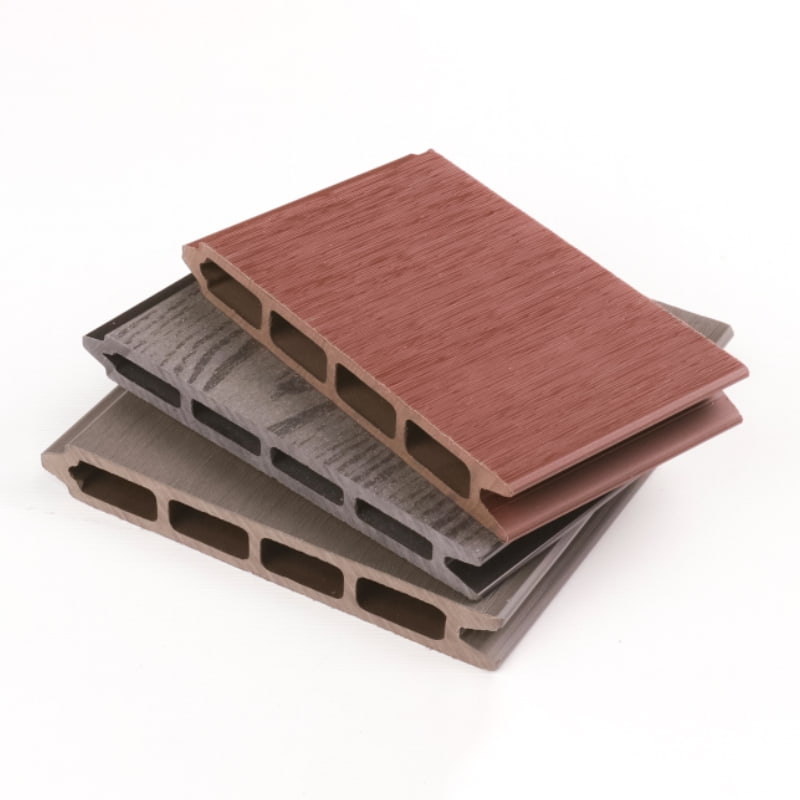
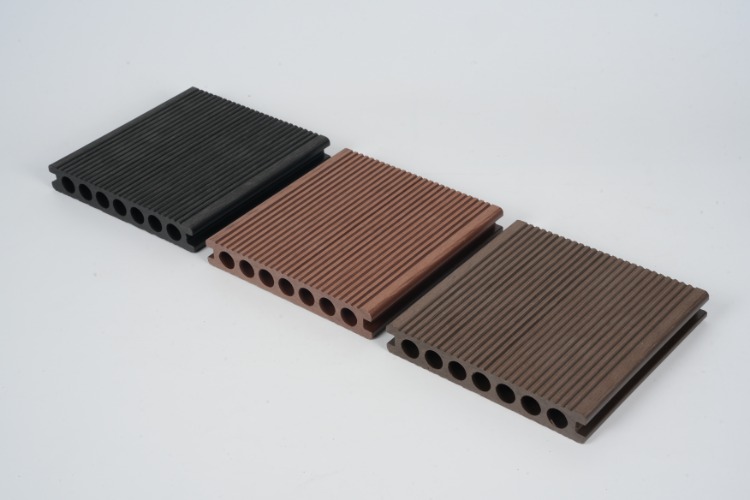
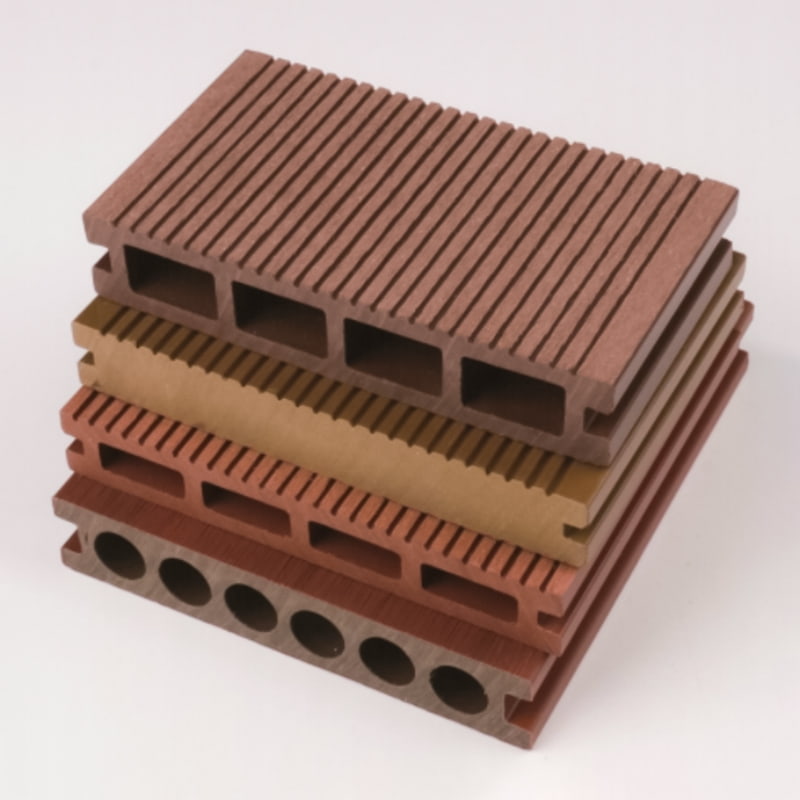
| Hollow WPC Decking | Lightweight with internal voids, reducing material usage | Budget-conscious projects, lightweight structures |
| Solid WPC Decking | Dense, uniform material with maximum strength | Heavy-traffic commercial areas, pools |
| Co-Extruded WPC | Protective outer shell over core composite | Extended lifespan, enhanced stain resistance |
| Capped Composite Decking | Three-layer construction with vinyl cap layer | Premium residential projects, maximum protection |
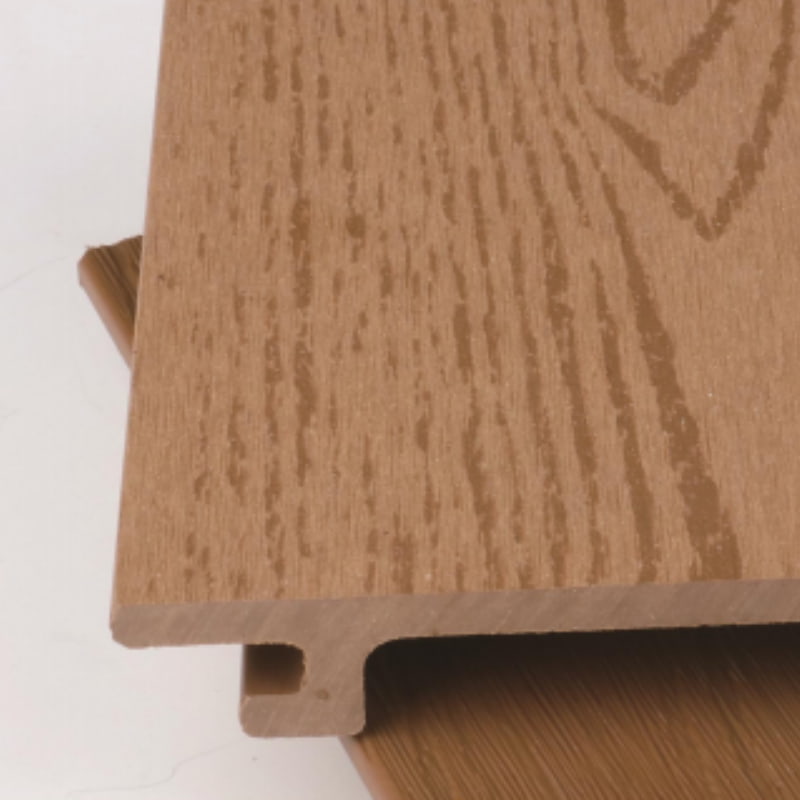
| 3D Embossed WPC | Textured surface mimicking natural wood grain | Aesthetic-focused installations, enhanced grip |
Each decking type serves distinct project requirements. Hollow options provide affordability and lightweight handling, while solid and capped variants deliver premium durability for high-performance applications. The choice depends on budget constraints, traffic intensity, aesthetic preferences, and environmental conditions at the installation site.
Outdoor WPC Decking Applications
Residential Settings
WPC decking for patio installations transforms outdoor living spaces into durable, attractive entertainment areas. Homeowners appreciate the low maintenance combined with design versatility, enabling seamless integration with modern or traditional architecture. The material accommodates deck extensions, pergolas, and integrated seating without structural concerns.
Garden and Landscape Design
WPC decking for garden applications includes raised planters, boardwalks, and accent pathways. The material's resistance to moisture and soil contact prevents degradation common to wood, while its consistent appearance maintains landscape aesthetics across multiple seasons.
Pool and Water Features
WPC pool decking withstands constant chlorine exposure, wet conditions, and intense UV radiation that would compromise traditional wood. The non-slip surface provides essential safety around water, while the material resists algae growth and maintains its appearance in high-moisture environments.
Commercial and Hospitality Spaces
Commercial WPC decking appears in hotel courtyards, resort patios, shopping center outdoor spaces, and restaurant terraces. The durability under heavy foot traffic, coupled with minimal maintenance, makes it economical for properties requiring professional appearance without ongoing refinishing. WPC decking for hotels specifically addresses the need for premium aesthetics with reduced operational costs.
Balcony and Elevated Structures
WPC decking for balcony installations benefits from the material's lightweight characteristics in some formulations, reducing structural load while providing superior weather resistance compared to wood. The consistency of appearance across multi-unit buildings enhances curb appeal.
How to Install WPC Decking
Pre-Installation Planning
Proper WPC decking installation begins with detailed planning and site assessment. Evaluate the substructure for level, stability, and moisture control. Ensure proper drainage around the foundation to prevent water pooling beneath the deck, which could compromise the supporting structure even though the composite material itself resists moisture.
Calculate material requirements by measuring the deck area and adding 5-10% waste factor for cuts and adjustments. Verify that all fastening materials are corrosion-resistant stainless steel or composite-compatible, as standard steel fasteners can rust and stain the surface.
Foundation and Framing
The substructure for composite decking installation requires the same engineering rigor as wood decks. Space deck joists 16 inches on center for hollow decking, or per manufacturer specifications for solid variants. Use pressure-treated lumber rated for ground contact, ensuring posts sit on concrete footers below the frost line.
Verify that all framing materials are appropriately rated for the load requirements and local building codes. The structural integrity of the deck depends more on the support system than the decking surface material.
Board Installation Techniques
When laying how to install WPC decking boards, follow manufacturer spacing guidelines, typically allowing 1/8-inch gaps for thermal expansion. Stagger end joints across different rows, avoiding continuous seams that appear visually jarring and can direct water flow inappropriately.
For solid WPC decking, use corrosion-resistant fasteners or hidden fastening systems that preserve the finished appearance. Hollow boards may accommodate hidden clip systems, while others require traditional screw fastening. Ensure fasteners penetrate the composite material and underlying joists sufficiently to prevent board movement.
Finishing Details
Complete the composite decking installation by installing fascia boards, railings, and trim pieces that conceal cut edges and joist ends. These finishing elements protect the structural components from weather exposure and contribute significantly to the overall appearance. Apply silicone sealant to any gaps where water might penetrate, though WPC material itself requires minimal weather protection.
WPC Decking vs Wood Decking
| Factor | WPC Decking | Traditional Wood |
|---|---|---|
| Maintenance | Minimal - soap and water cleaning only | Extensive - annual staining, sealing, sanding |
| Lifespan | 20-30 years with minimal degradation | 10-15 years before significant deterioration |
| Rot and Insect Damage | Resistant - composite structure prevents decay | Susceptible - requires preventive treatment |
| Moisture Resistance | Excellent - minimal water absorption | Poor - absorbs moisture, leading to warping |
| UV Fading | Moderate fading over extended periods | Significant fading, requires periodic refinishing |
| Splinters | None - smooth, safe surface | Common - safety concern, especially with children |
| Initial Cost | Higher upfront investment | Lower initial expense |
| Total Lifecycle Cost | Lower - minimal maintenance expenses | Higher - ongoing maintenance and replacement |
When comparing composite decking vs wood, the analysis reveals that WPC decking excels in durability and convenience, while traditional wood offers initial cost savings. However, the total cost of ownership typically favors composite materials due to reduced maintenance requirements and extended lifespan. Property owners seeking to minimize long-term expenses and labor investment consistently choose WPC over conventional lumber.
WPC Decking Price and Cost Analysis
Pricing Structure and Market Ranges
WPC decking price varies significantly based on material composition, manufacturing process, and quality tier. Standard composite decking typically ranges from two to four times the cost of pressure-treated lumber initially, but this premium narrows considerably when maintenance expenses are factored into lifecycle calculations.
Budget-tier hollow WPC options start at approximately three to five dollars per square foot for materials only. Mid-range solid composite products range from five to eight dollars per square foot, while premium capped systems can exceed ten dollars per square foot. These figures represent wholesale rates and will be higher at retail with installation services included.
Cost Factors and Variables
WPC decking cost depends on several interconnected variables:
Material composition - higher wood content typically increases cost
Manufacturing process - co-extruded and capped systems cost more than uncapped composite
Color and finish options - custom colors command premium pricing
Geographic location - shipping distance affects delivered cost
Order volume - bulk purchases receive significant discounts
Installation complexity - site access and structural challenges increase labor costs
Substructure requirements - existing deck modifications add expense
Total Project Economics
A comprehensive cost analysis for WPC decking price per square meter in a typical residential 300-square-foot deck installation demonstrates the value proposition. Material costs range from 1,500 to 3,500 dollars depending on quality tier. Installation labor typically adds another 1,000 to 2,000 dollars for professional installation.
Over a 25-year period, this initial investment of 2,500 to 5,500 dollars compares favorably to wood decking requiring replacement at the 12-year mark (average 2,000 to 3,500 dollars for new construction) plus annual maintenance costs averaging 200 to 500 dollars. The cumulative wood decking expense over 25 years reaches 6,000 to 9,500 dollars, making composite the superior economic choice despite higher initial cost.
Value Recovery and Resale Impact
Real estate market data indicates that quality outdoor improvements including composite decking contribute approximately 50-70 percent of installation costs to property resale value, compared to only 30-50 percent for wood decking. This enhanced return on investment reflects buyer preference for low-maintenance features and extended material lifespan.
Why Choose WPC Decking Solutions
Proven Performance and Reliability
Outdoor WPC decking has demonstrated consistent performance across diverse geographic regions and climate conditions over two decades of widespread commercial and residential deployment. Extensive field testing confirms that quality composite decking maintains structural integrity, appearance, and functionality far superior to traditional wood under identical environmental stress conditions.
Design Flexibility and Aesthetic Appeal
Modern WPC products offer an extensive palette of colors ranging from natural wood tones to contemporary grays and earth colors. Texture options include fine grain finishes, embossed patterns mimicking authentic wood appearance, and smooth contemporary textures. This versatility enables designers to coordinate decking with architectural styles from traditional to minimalist modern.
Environmental and Sustainability Benefits
Choosing WPC decking supports sustainable material practices by incorporating recycled plastics and responsibly sourced wood fiber. This composite alternative reduces demand for virgin timber, decreases plastic waste accumulation, and offers a genuine environmental advantage compared to pressure-treated lumber manufacturing and replacement cycles.
Safety and Health Considerations
WPC decking eliminates splinter hazards that plague traditional wood, making outdoor spaces safer for families with children and pets. The material contains no toxic preservatives like arsenic-based compounds used in some pressure-treated lumber, ensuring no harmful chemical leaching into soil or groundwater. The slip-resistant surface enhances safety in wet conditions without requiring additional coatings.
Investment Protection and Value
The longevity and minimal maintenance requirements of composite decking represent substantial long-term investment protection. Property owners avoid the escalating costs associated with wood deterioration, emergency repairs, and complete deck replacement. The consistent appearance retention and structural reliability provide confidence in the outdoor space for decades.
Partnering With Professional WPC Decking Manufacturers and Suppliers
Selecting the right WPC decking manufacturer and supplier profoundly impacts project success. Reputable manufacturers with established production facilities maintain consistent quality through rigorous material testing and process controls. Suppliers who directly source from manufacturers often provide superior pricing and technical support compared to retail intermediaries.
Evaluating Manufacturer Credentials
Professional WPC decking manufacturers should provide comprehensive documentation including material specifications, performance certifications, installation guidelines, and warranty coverage. Verify that the manufacturing facility maintains quality standards through third-party certifications and that production processes employ advanced extrusion technology ensuring product consistency.
Outdoor WPC decking factory operations should demonstrate environmental responsibility through waste reduction programs and sustainable sourcing practices. Manufacturing transparency, including details about plastic sourcing and wood fiber origins, indicates professional commitment to product quality and environmental stewardship.
Supplier Support and Services
Leading wholesale WPC decking suppliers offer technical consultation, project design assistance, and logistics support that extend beyond simple product delivery. Value-added services include sample provision for on-site evaluation, installation training for contractor partners, and responsive customer service addressing questions or concerns.
Effective supplier relationships include competitive wholesale pricing for volume orders, predictable inventory availability, and flexible delivery arrangements accommodating project timelines. These partnerships enable builders, contractors, and property managers to serve their clients reliably while maintaining healthy project margins.
Frequently Asked Questions
Q1: What is the actual lifespan of WPC decking compared to wood?
Quality WPC decking typically maintains structural integrity and appearance for 20-30 years with minimal maintenance, compared to 10-15 years for traditional wood. While some WPC products may show minor color changes over extended periods, fading does not compromise structural performance. Pressure-treated wood requires periodic staining, sealing, and repair throughout its lifespan, with replacement often necessary after 12-15 years due to rot, insect damage, or severe weathering.
Q2: Can WPC decking be installed over existing wood deck structures?
Yes, WPC decking can often be installed over existing wood substructures if the underlying joists remain structurally sound and level. However, the existing wood support system must be evaluated for rot, insect damage, and proper spacing. Any deteriorated wood must be replaced with pressure-treated lumber meeting current codes. The original joist spacing must accommodate WPC board specifications, typically 16 inches on center. Professional inspection ensures compatibility before proceeding with composite deck installation.
Q3: How does temperature affect WPC decking expansion and contraction?
WPC materials expand with heat and contract with cold, though typically less than solid wood. Standard installation practices account for this thermal movement through 1/8-inch spacing between boards, allowing room for expansion during hot weather. Most quality WPC products undergo laboratory testing to establish thermal movement coefficients, which manufacturers provide in installation documentation. Proper spacing installation prevents board binding and consequent surface buckling during seasonal temperature variations.
Q4: Is WPC decking safe for pool areas and water features?
Absolutely. WPC pool decking is specifically engineered for water exposure, chlorine resistance, and wet conditions. The composite material resists moisture absorption that would compromise wood integrity, preventing rot and decay common in pool environments. Most quality WPC products include textured finishes providing excellent slip resistance when wet, addressing critical safety concerns around water. The material withstands constant chlorine exposure, algae growth, and intense UV radiation from reflected water without degradation.
Q5: What cleaning products are safe for WPC deck maintenance?
Routine maintenance involves simple soap and water cleaning with soft-bristled brushes. Mild detergents and household cleaners suitable for plastic and wood are appropriate for removing dirt, algae, or mildew. Avoid harsh abrasive cleaners, pressure washers exceeding 1500 PSI, and industrial solvents that may damage the surface. For stubborn stains, vinegar or diluted bleach solutions work effectively. Always verify specific cleaning recommendations with the manufacturer, as some premium finishes may require specialized care.
Q6: Does WPC decking require sealing or finishing treatments?
No. One of WPC's primary advantages is the elimination of sealant requirements necessary for wood decking. The composite material itself resists moisture and UV exposure without surface coatings. This represents substantial time and cost savings compared to wood, which requires sealing every 1-3 years. The inherent protection provided by the plastic matrix means property owners never need to budget for re-staining, re-sealing, or refinishing the decking surface.
Q7: How does WPC decking perform in freeze-thaw cycles?
Quality WPC decking is specifically formulated to withstand freeze-thaw cycles common in cold climates. The composite structure resists damage from water absorption and crystallization that devastates wood and concrete. However, surface accumulation of snow and ice should be carefully removed using plastic shovels rather than metal tools to prevent mechanical damage. Proper drainage around the deck foundation prevents water pooling that could stress the support structure during freeze cycles.
Q8: Are there color options beyond natural wood tones?
Modern WPC manufacturers offer extensive color ranges including classic wood tones such as cedar, mahogany, and walnut, plus contemporary options like grays, blacks, taupes, and earth tones. Premium product lines feature advanced color stability technology reducing UV fading. Some manufacturers offer custom color matching for specific architectural requirements. Display samples should be evaluated in outdoor lighting conditions, as colors may appear different in various light environments compared to indoor showroom settings.
Q9: What is the environmental impact of choosing composite decking?
WPC decking incorporating recycled plastics diverts waste from landfills while reducing demand for virgin material extraction. Composite alternatives decrease pressure on timber harvesting, particularly old-growth forests. Reduced maintenance requirements eliminate chemical sealant application and refinishing processes, decreasing environmental contamination. Over the product lifespan, composite decking typically demonstrates lower total environmental impact compared to wood requiring multiple replacement cycles and continuous chemical treatment. Manufacturing standards and recycled content percentages vary by manufacturer, so evaluating sustainability credentials provides meaningful environmental comparison.
Q10: Can damaged WPC boards be repaired or replaced?
Individual WPC boards can be replaced if damage occurs, though the process is more involved than simple board removal. Unlike wood decks where individual boards are readily replaced, some WPC installation systems may require removing surrounding boards to access damaged sections. This depends on the specific fastening system employed during installation. Hidden fastener systems generally facilitate easier replacement than surface-fastened boards. Manufacturers and experienced installers can advise on repair feasibility and cost for specific damage scenarios. Minor surface damage or staining may be repairable without full board replacement.