EN
EN English
  русский
  Español
  عربى
عربى 
Understanding WPC Wall Panels and Modern Exterior Solutions
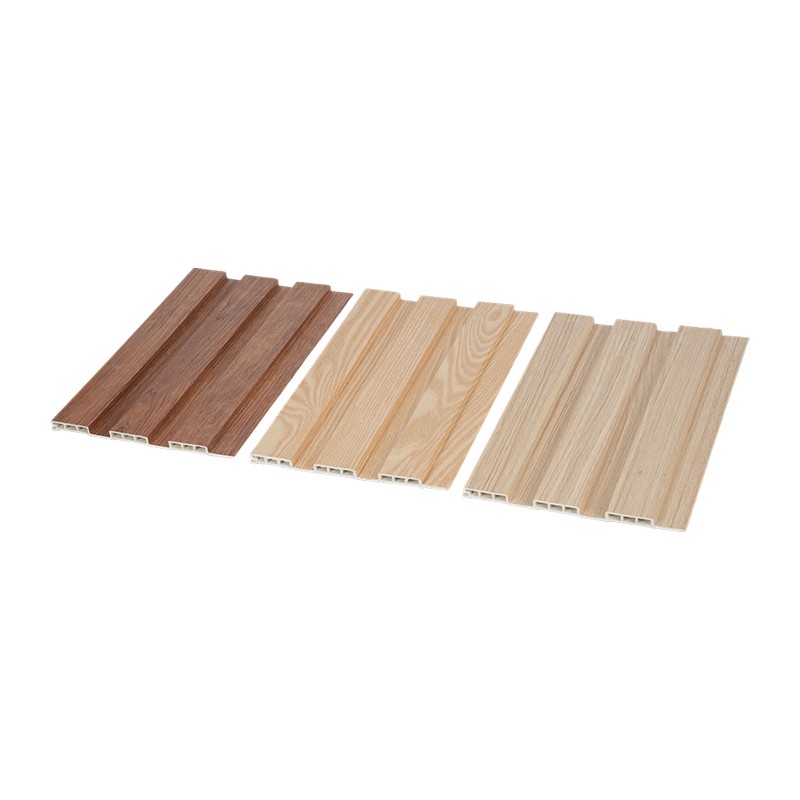
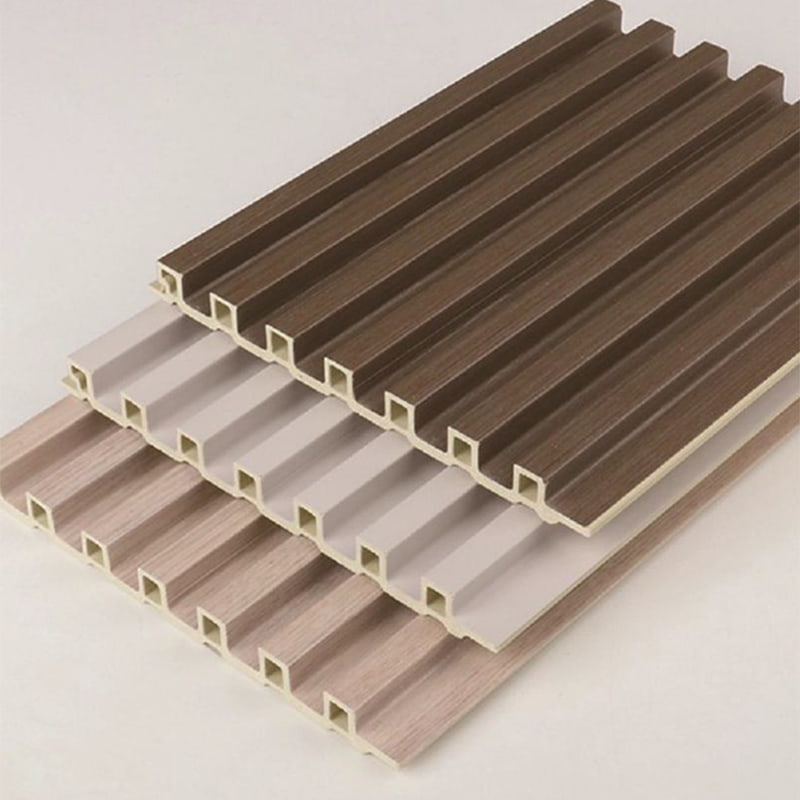
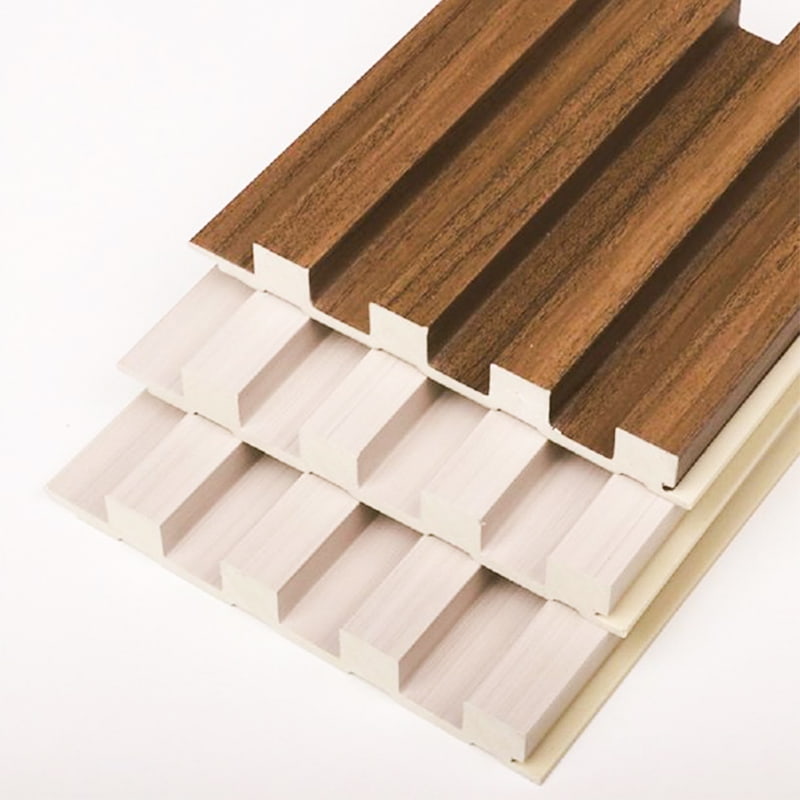
The evolution of exterior building materials has fundamentally shifted how property owners approach home maintenance. Traditional wood siding demands constant care—annual staining, sealing, and repairs that consume both time and resources. WPC wall panels represent a paradigm shift in outdoor construction, combining the aesthetic warmth of wood with the durability of advanced composite engineering.
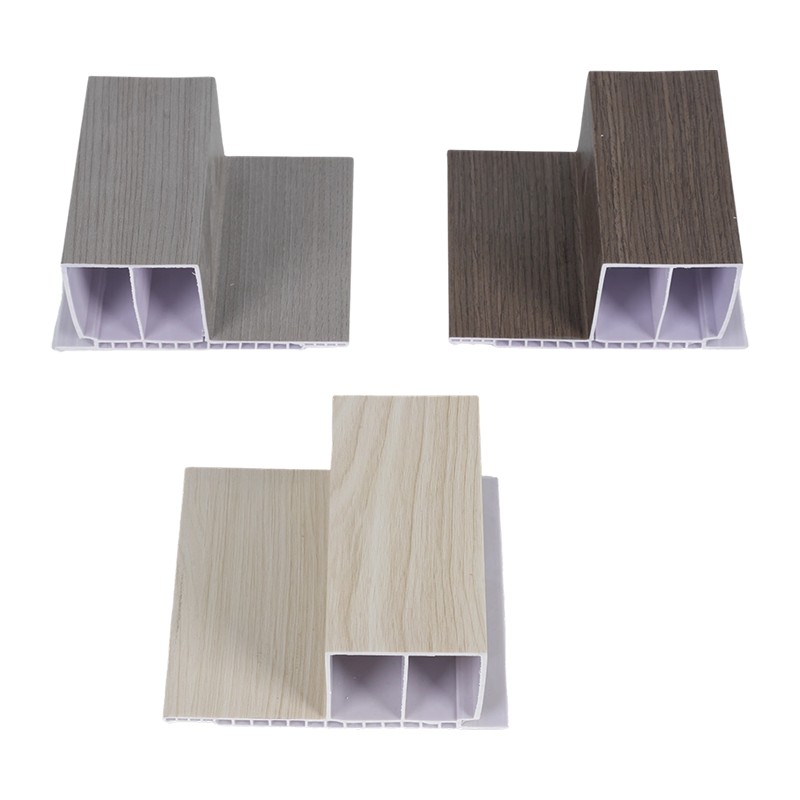
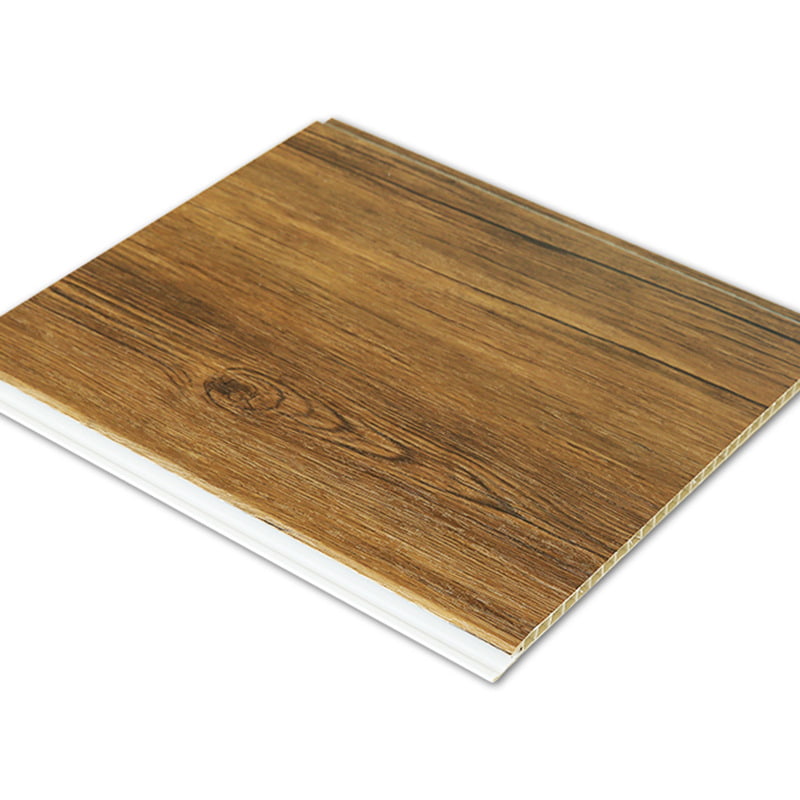
Wood plastic composite technology merges wood fibers and thermoplastic polymers into a material that delivers the visual appeal of natural timber while eliminating the vulnerabilities that plague conventional wood products. This fundamental difference in composition creates a building envelope that performs under conditions where traditional materials deteriorate.
The Science Behind Moisture and Rot Resistance
Moisture penetration represents the primary threat to exterior wall systems. When water enters wood fibers, it triggers biological processes—fungal growth, bacterial decomposition, and structural weakening. Traditional timber absorbs moisture readily, with equilibrium moisture content ranging between 12-20% depending on environmental conditions. This absorption cycle creates dimensional instability and opens pathways for decay organisms.
How Composite Technology Prevents Water Damage
Wood plastic composite materials are engineered with a hydrophobic polymer matrix that surrounds wood fiber reinforcement. Unlike solid wood, this composite structure does not absorb water into its cellular structure. Laboratory testing demonstrates that quality composite siding maintains moisture levels below 3%, regardless of exposure conditions. This dramatic reduction in water absorption directly corresponds to elimination of rot risk.
The plastic polymer component functions as a barrier system. When rain, groundwater, or humidity encounters the panel surface, water cannot penetrate the material's core. Surface capillary action—the mechanism by which wood draws moisture upward—cannot occur in composite materials because the polymer matrix is non-porous.
Long-Term Performance Data
Field studies spanning two decades in high-moisture environments document composite panel performance. Properties installed in coastal regions with salt spray exposure, high-humidity subtropical climates, and areas with frequent freeze-thaw cycles all demonstrate structural integrity without degradation. Panels exhibit no visible rot, warping, or swelling—outcomes that would be impossible with untreated wood siding in identical conditions.
Engineered Pest Resistance Without Chemical Treatments
Termites, carpenter ants, and wood-boring beetles inflict billions in property damage annually. These pests are attracted to wood because it serves as both shelter and nutrition source. The cellulose in wood fibers provides sustenance, while the material's porosity allows insects to create galleries and tunnels.
Why Pests Cannot Colonize Composite Materials
The composite structure fundamentally changes the pest dynamic. Termites and wood-boring insects cannot digest plastic polymers—these materials provide no nutritional value. Additionally, the dense, non-porous nature of quality composite prevents insects from constructing the tunnel systems they require for establishing colonies.
Testing protocols simulating extreme pest pressure—conditions far exceeding normal environmental exposure—demonstrate zero penetration by termites or wood-boring insects. The material remains intact, with no galleries, tunnels, or structural compromise. This intrinsic resistance eliminates the need for chemical pest treatments, soil-injected termiticides, or annual pest inspections required by wood-based systems.
Cumulative Benefits Over Time
- No chemical treatment requirements reduces environmental impact and health concerns
- Elimination of pest damage prevents structural compromise requiring expensive repairs
- Longevity extends far beyond wood alternatives because pest damage does not accelerate aging
- Property value protection maintains structural integrity through decades of exposure
The Zero-Maintenance Advantage: Eliminating Annual Staining Cycles
Wood siding demands recurring maintenance because the material's surface constantly degrades from ultraviolet radiation, moisture cycling, and environmental contaminants. Stain finishes protect wood temporarily—typically lasting 2-4 years—after which reapplication becomes necessary. This cycle repeats throughout the material's lifespan, consuming tens of thousands in labor costs over three decades.
Why Staining Becomes Unnecessary
Composite materials do not require staining because the color and protection are engineered into the material matrix itself, not applied as a surface coating. The plastic polymer component contains UV-stabilizing additives and colorants that are integrated throughout the panel volume. Unlike surface stains that gradually wear away, these integrated elements remain stable regardless of weather exposure.
The exterior surface of quality composite panels develops a protective patina over initial exposure months—this is normal weathering, not degradation. After this brief stabilization period, color remains consistent. Laboratory accelerated weathering testing—equivalent to decades of natural exposure—demonstrates that composite materials maintain 85-90% of original color vibrancy without fading to gray or chalking.
Maintenance Reality: What Actually Occurs
The maintenance profile for exterior composite cladding resembles that of vinyl siding or fiber cement rather than wood. Periodic cleaning with mild detergent and water removes accumulated dust and environmental deposits. Most property owners complete this cleaning annually or bi-annually, taking 2-4 hours with standard equipment. No power-washing, chemical treatments, or specialized tools are required.
| Material Type | Annual Staining Required | Cleaning Frequency | Est. 30-Year Cost (Labor) |
|---|---|---|---|
| Traditional Wood Siding | Yes, every 2-4 years | 2-3 times annually | $15,000-25,000 |
| WPC Composite Panels | Never required | 1-2 times annually | $2,000-4,000 |
| Fiber Cement Board | Yes, every 3-5 years | 2 times annually | $10,000-18,000 |
Understanding Lifespan and Degradation Factors
How Long Do WPC Panels Last?
Engineered composite cladding systems demonstrate functional lifespans of 25-30 years under normal residential exposure conditions. This represents a substantial improvement over untreated wood, which typically degrades to unsafe conditions within 15-20 years. The extended lifespan reflects the material's inherent resistance to the primary degradation mechanisms—moisture absorption, biological colonization, and UV radiation damage.
Degradation patterns in composite materials differ fundamentally from wood. While wood suffers accelerating damage as decay organisms penetrate deeper into fibers, composites degrade at a consistent, predictable rate if degradation occurs at all. Quality materials experience negligible structural loss over 25-30 year periods, with changes primarily limited to cosmetic surface appearance.
Factors Influencing Composite Panel Durability
- Material composition—higher quality polymers with UV stabilizers outperform budget formulations
- Installation methods—proper fastening, flashing, and moisture management prevent water intrusion at connection points
- Environmental exposure—coastal salt spray, extreme temperature cycling, and direct UV intensity accelerate minor surface changes
- Maintenance practices—regular cleaning prevents biofilm accumulation that can retain moisture
- Wood fiber ratio—materials with higher wood content provide better aesthetics but may have slightly different weathering characteristics than high-polymer compositions
Color Stability and Fading Considerations
The question of whether composite materials fade in sunlight requires nuanced explanation. Initial color shifts are normal weathering—the material's surface stabilizes as UV exposure causes minor oxidation of the polymer. This represents the material reaching equilibrium with the environment, not progressive degradation. After initial stabilization, further color change occurs at rates below human perception in normal viewing conditions.
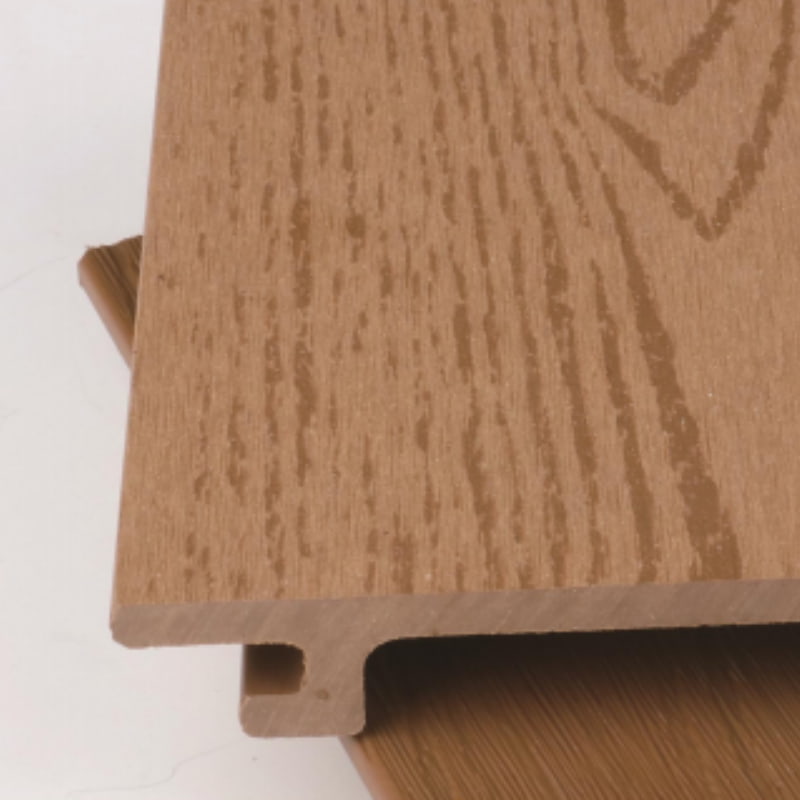
Different wood grain patterns and finish textures weather at slightly different rates due to variations in surface area and angle exposure. Deep textures may show subtle variation compared to smooth finishes, but this represents natural material character rather than defect. Real-world installations demonstrate that composite cladding maintains recognizable color and appearance across 20-30 year periods.
Diverse Applications Beyond Vertical Wall Cladding
Extending Composite Technology to Multiple Building Elements
While outdoor wall panels serve as primary exterior cladding solutions, engineered composite technology extends effectively to complementary applications. Fence systems, soffit components, and architectural trim all benefit from the same moisture resistance, pest protection, and maintenance elimination that define wall panel performance.
WPC Panels for Fences and Perimeter Systems
Fence applications expose materials to severe moisture conditions—ground contact, splash-back from irrigation and rain, and ground-level humidity that remains elevated for extended periods. Traditional wood fencing typically requires replacement or major repairs within 10-15 years. Composite fence systems demonstrate performance extending 25+ years in identical exposure conditions, with no rot, no termite damage, and no annual staining requirements.
The structural performance of composite fence panels remains consistent because moisture absorption remains minimal. Posts maintain dimensional stability—no cupping, twisting, or warping that occurs in wood as moisture content fluctuates seasonally. Fasteners maintain integrity because the surrounding material does not shift, reducing corrosion and stress on hardware connections.
Decking and Horizontal Surfaces
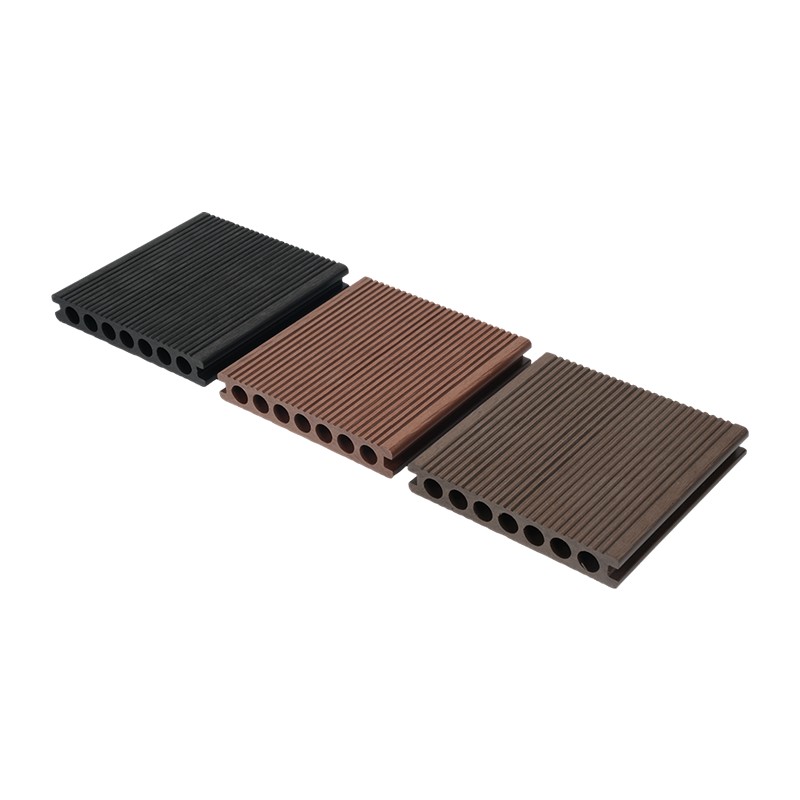
Deck applications impose unique demands—foot traffic creates wear patterns, water pools on horizontal surfaces, and freeze-thaw cycles create additional stress. Composite deck boards engineered for these conditions outperform wood dramatically. While wood decks require sealing every 1-2 years and eventual replacement of weather-damaged boards, composite decking maintains surface integrity and structural stability across 20-25 year lifespans with only routine cleaning.
Comprehensive Material Performance Comparison
Environmental Impact and Sustainability Considerations
Lifecycle Analysis: The Broader Environmental Picture
Manufacturing composite materials requires petroleum-derived plastics and sustainably harvested or recycled wood fibers. This manufacturing footprint creates initial environmental cost. However, lifecycle analysis comparing total environmental impact across material lifespan reveals composite systems frequently demonstrate lower net environmental impact than alternatives.
A traditional wood siding system replaced every 15-20 years requires three generations of material replacement across a 60-year building lifespan. Each replacement involves harvesting, processing, transportation, and installation. The cumulative environmental cost of three replacements often exceeds the cost of a single composite installation lasting 25-30 years.
Reduced Chemical Treatment Impact
Composite materials eliminate the need for chemical preservatives, fungicides, and pesticides applied to wood siding for protection. These chemical treatments leach into soil and water systems, creating downstream environmental consequences. By substituting composite materials, property owners reduce the chemical footprint of their building envelope maintenance.
End-of-Life Considerations
Modern composite materials increasingly incorporate recycled content—reclaimed wood fibers from manufacturing waste and recovered plastics from post-consumer waste streams. While composite materials are not currently recycled at significant scale, manufacturers develop closed-loop systems that enable recovery and reprocessing of composite waste. This emerging infrastructure represents the material's environmental trajectory toward circular economy integration.
Installation and Design Integration Principles
Critical Installation Factors for Maximum Performance
The durability advantages of composite materials depend significantly on proper installation practices. Even the most advanced material performs poorly if installation creates water intrusion pathways or fails to accommodate normal material movement.
Flashing and Moisture Management
- All wall panel transitions must incorporate weather-resistant flashing that directs water away from fasteners and seams
- Fastener locations require proper spacing and sealant application to prevent water penetration around fastener holes
- Gaps behind panels must allow air circulation to prevent trapped moisture accumulation
- Panel joints require appropriate spacing and sealant selection compatible with composite materials
- Ground clearance prevents splash-back moisture and contact with soil-borne organisms
Thermal Expansion Accommodation
Composite materials expand and contract with temperature changes, though at reduced rates compared to solid wood. Proper installation accounts for this movement through appropriate fastener spacing, gap design, and joint detailing. Failure to accommodate thermal movement causes panel edge buckling and fastener stress that compromises long-term performance.
Design Flexibility and Aesthetic Integration
Composite technology enables design flexibility unavailable with traditional materials. Panels integrate with modern architectural styles—sleek minimalist installations, textured rustic appearances, and dramatic linear patterns all remain achievable. Unlike wood, which requires matching grain patterns and managing natural color variation, composites provide consistent appearance across large wall areas.
Integration with sustainable building systems—green roofs, rainwater harvesting, and thermal mass strategies—proceeds without compromise. The maintenance-free nature of composite cladding simplifies overall building maintenance, reducing lifecycle costs even on high-performance green buildings.
Understanding Weathering Patterns and Long-Term Appearance
Normal Weathering Versus Material Degradation
Distinguishing between normal weathering and material degradation prevents unnecessary concerns about composite panel performance. Initial months after installation witness color stabilization as UV exposure oxidizes the polymer surface. This represents the material reaching equilibrium with its environment, not progressive decay.
Weathering patterns on composite panels mirror those on fiber cement and vinyl materials rather than wood. Surface chalking—the appearance of fine powder on the material surface—represents surface polymer oxidation. This occurs at minimal rates and requires only periodic cleaning with water. No structural consequence accompanies this cosmetic change.
Biofilm and Organic Growth
Mildew, algae, and fungal growth can accumulate on any exterior material in high-humidity environments—including composite panels. This biofilm represents surface contamination, not material deterioration. Standard cleaning with diluted detergent solution removes biofilm readily. The non-porous composite surface prevents biofilm penetration into material depths where damage could occur.
Regional Weathering Variations
Geographic location influences weathering rates and patterns. Coastal installations experience salt spray exposure that accelerates minor surface changes compared to inland temperate climates. High-humidity subtropical regions experience more biofilm growth than arid regions. Intense UV climates show more color stabilization than moderate-sun locations. These regional variations represent normal material behavior within expected performance parameters, not product defects or premature failure modes.
Total Cost of Ownership: The Financial Advantage
Beyond Initial Material Costs
Composite cladding typically carries higher material costs than untreated wood but competitive or lower costs than premium alternatives like fiber cement or specialty cladding systems. The initial investment differential narrows dramatically when calculating lifecycle costs.
Labor Cost Elimination
A typical 2,000 square foot residence requires 40-60 hours of labor for professional staining and sealing at 3-4 year intervals. Over a 30-year period, this accumulates to 300-450 labor hours at professional rates. Composite materials eliminate these recurring labor costs entirely, recovering initial installation cost premiums within 10-15 years on residential projects.
Repair and Replacement Cost Avoidance
Wood siding installations typically require replacement of damaged sections due to rot, pest damage, or weather exposure. An average residential project experiences 5-15% panel replacement over a 25-year period, with associated material and labor costs. Composite systems experience negligible replacement rates, avoiding these unanticipated costs.
Property Value and Insurance Implications
Durable exterior systems positively influence property appraisals and insurance underwriting. Properties with composite cladding demonstrating known longevity command higher valuations than properties with aging wood siding requiring imminent replacement. Insurance underwriting recognizes reduced risk from composite materials, sometimes resulting in modest premium reductions on comprehensive homeowner policies.
Frequently Asked Questions
Q1: Do WPC panels require any special cleaning procedures?
WPC panels benefit from periodic washing with mild detergent solution and water—similar to vinyl siding maintenance. A soft-bristle brush removes accumulated dust and organic growth. Power-washing is generally unnecessary and should be avoided on textured surfaces where high pressure can force water into seams. Annual or bi-annual cleaning maintains optimal appearance.
Q2: Can composite panels be installed over existing wood cladding?
Installation over existing wood cladding is possible when the underlying structure remains sound and properly attached. However, best practices recommend removing old cladding to inspect substrate condition, install modern flashing systems, and ensure proper air circulation. Direct installation over compromised wood risks trapping moisture against failing substrate.
Q3: How do composite panels perform in freeze-thaw cycles?
Composite materials perform exceptionally well in freeze-thaw environments because they do not absorb moisture that expands when frozen. Wood and some fiber-based materials suffer increasing damage as freeze-thaw cycles force expansion within material structure. The hydrophobic composite matrix prevents water absorption, eliminating freeze-thaw damage entirely.
Q4: Are composite panels suitable for all climate zones?
Quality composite materials perform reliably across all North American climate zones from hot-humid subtropical to cold-temperate regions. Coastal salt-spray environments present more aggressive weathering conditions but do not exceed composite material capabilities. Material selection focusing on UV stabilizers and quality polymer formulations ensures performance in any standard residential climate.
Q5: What warranty periods are typical for composite cladding systems?
Manufacturer warranties typically cover composite panels for 10-25 years against material defects and structural failure. Warranty terms vary based on product quality and manufacturer confidence. Longer warranties reflect superior material formulation and engineering. Homeowner maintenance practices—proper installation and periodic cleaning—are typically required to maintain warranty validity.
Q6: How does the wood content ratio affect composite panel performance?
Composites with higher wood content provide enhanced aesthetic appeal and warmth but may require slightly more attention in extreme climates. High-polymer formulations offer maximum durability and minimal maintenance. Most residential applications benefit from balanced compositions that emphasize durability while maintaining wood-like appearance and feel.
Q7: Can composite panels be painted or stained for color changes?
While composite surfaces are not ideal for traditional staining, quality paint systems adhere well to properly prepared composite surfaces. Repainting composite panels after 15-20 years allows homeowners to refresh appearance and update color. This option provides flexibility unavailable with wood, where painting over existing stain is problematic.
Q8: What causes discoloration on composite panels and how is it addressed?
Most discoloration on composite panels results from biofilm accumulation—mildew, algae, or fungal growth on the surface. This represents surface contamination, not material failure. Cleaning with dilute bleach solution or commercial biofilm cleaner removes growth effectively. Mold does not penetrate the material depth as it cannot digest the polymer matrix.