EN
EN English
  русский
  Español
  عربى
عربى 
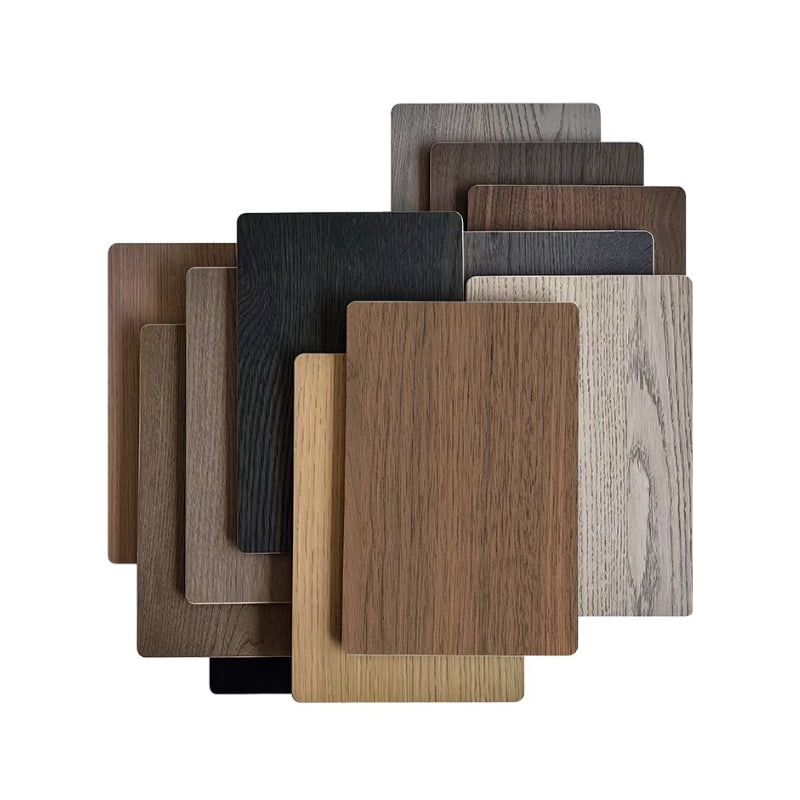
Solid wood paneling looks beautiful until humidity gets to it. Wood Veneer WPC Wall Panel keeps the natural grain designers want while swapping the vulnerable core for a composite structure built to handle real interior conditions. Here's what's inside the panel, why it holds up where solid wood struggles, and what to check before specifying it for a project.
"A wall panel that looks like wood but performs like composite is not a compromise — it's the upgrade solid timber has been waiting for."
Two Materials, One Panel
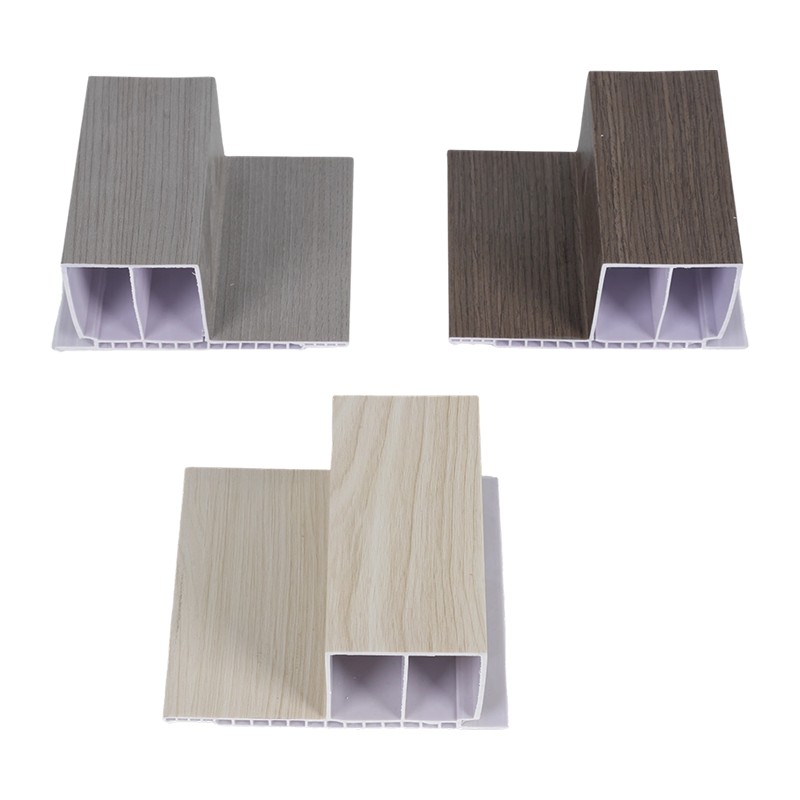
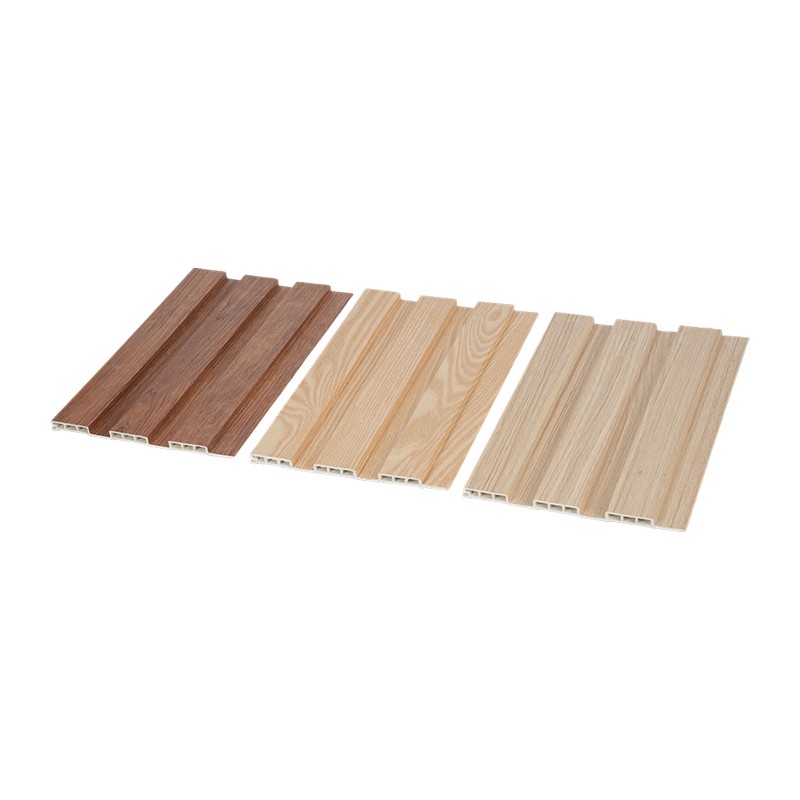
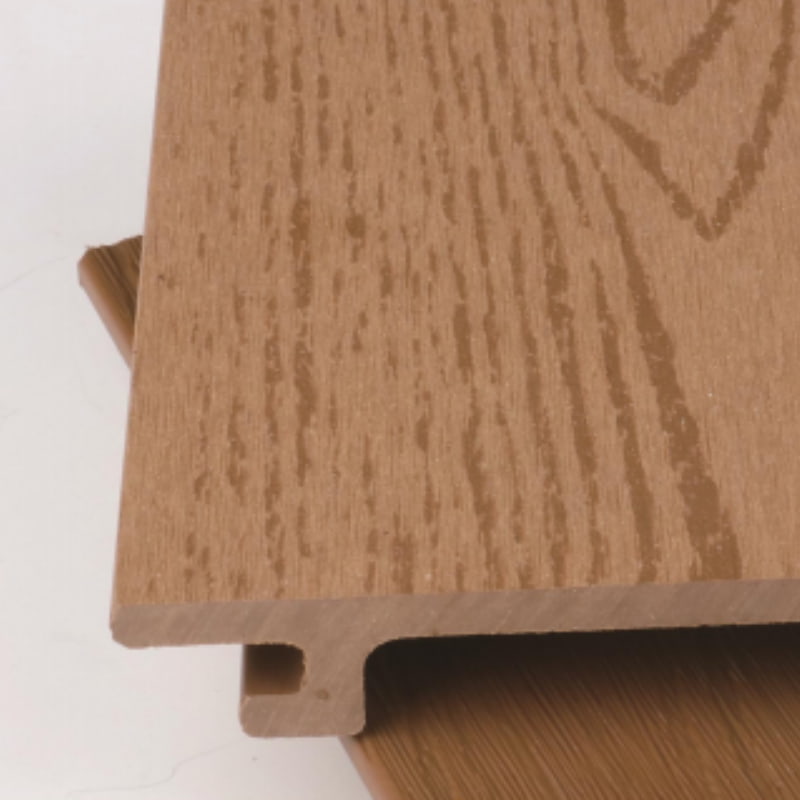
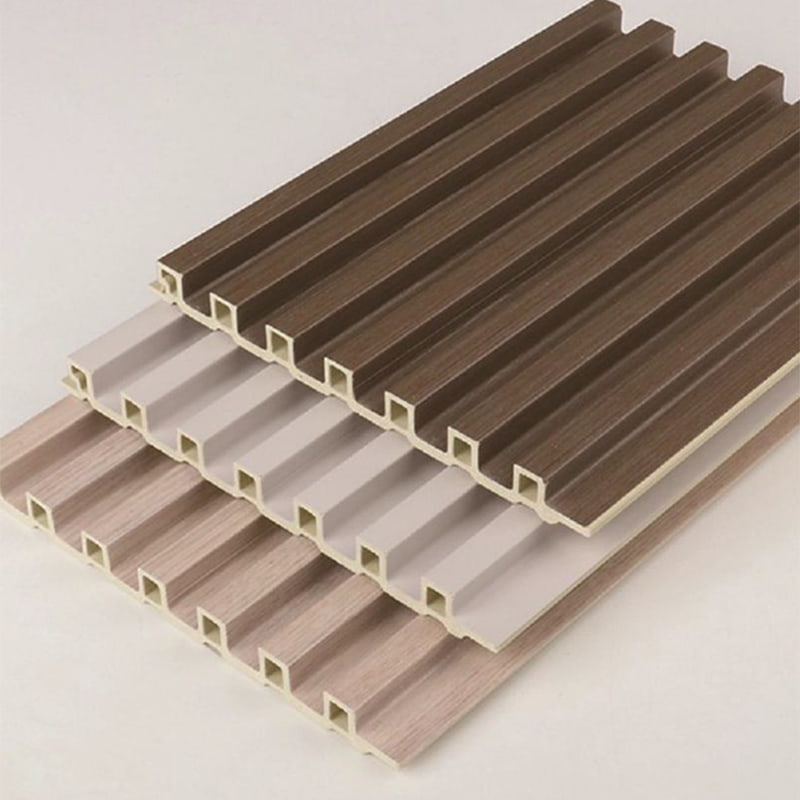
A wood veneer WPC wall panel layers a real wood veneer or wood-grain finish over a Wood Plastic Composite core, combining natural appearance with the moisture resistance and dimensional stability that solid wood lacks.
Decorative wood veneer layer
Delivers the natural grain and texture that defines the panel's appearance.
Protective coating layer
Adds surface durability against wear and everyday contact.
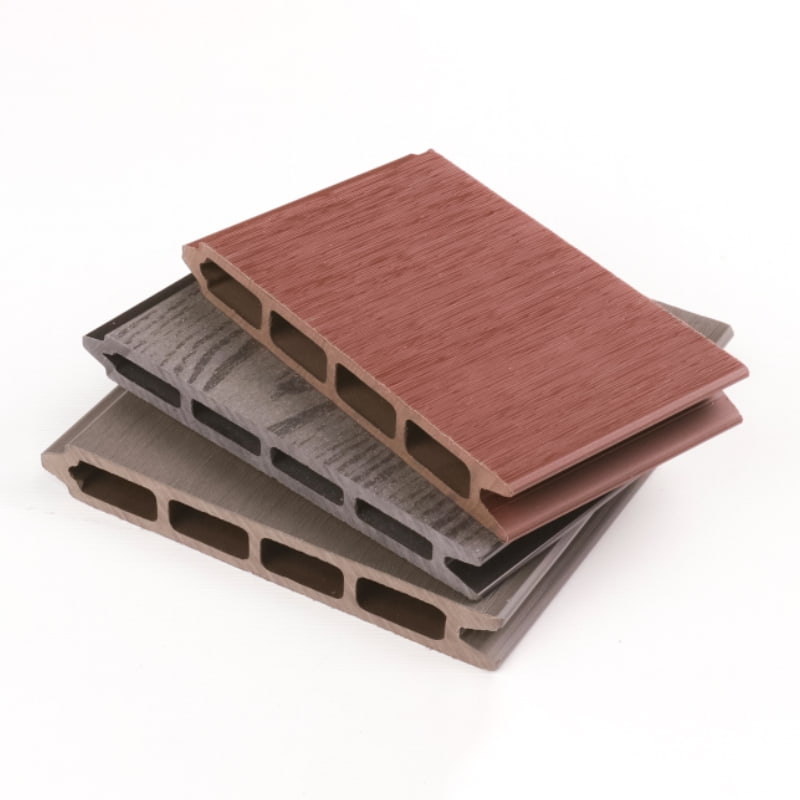
WPC composite core
Provides structural strength and resistance to moisture and deformation.
Reinforcement structure
Maintains panel rigidity through installation and long-term use.
Where WPC Outperforms Solid Wood
| Feature | Wood Veneer WPC Panel | Traditional Wood Panel |
| Moisture resistance | Strong resistance to swelling and cracking | Sensitive to humidity fluctuations |
| Dimensional stability | Stable across temperature and humidity changes | Prone to warping over time |
| Installation | Faster with clip or adhesive systems | Often requires more processing |
| Maintenance | Low, minimal upkeep needed | Regular care and protection required |
Where This Panel Shows Up in Real Projects
Residential Interiors
Feature walls, living rooms, and home offices with natural wood character.
Hotels & Hospitality
Lobbies, guest rooms, and restaurants needing durable premium finishes.
Offices & Commercial
Meeting rooms and reception areas built for professional impressions.
Retail & Exhibition
Showrooms and shopping spaces that need a customizable backdrop.
What Determines Panel Quality
Not every WPC wall panel performs the same, even when the surface finish looks identical. The composite core density, veneer quality, and coating process all shape how the panel holds up over years of use.
Performance Parameters to Check
- Moisture absorption rate and water resistance rating
- Fire resistance rating for the intended space
- Sound insulation performance where acoustics matter
- Panel thickness relative to structural load
Material Factors Worth Verifying
- WPC core density and composition
- Veneer grade and surface coating type
- Manufacturing consistency across production batches
A manufacturer that shares water resistance, fire performance, and impact testing data is showing you how the panel behaves in the space you're actually building, not just in a showroom sample.
Choosing a Supplier Worth Building On
Beyond the spec sheet, the right Wood Veneer WPC Wall Panel Manufacturer brings production capacity, customization flexibility, and project experience that keeps a large order consistent from the first panel to the last.
Supplier Checklist
- Production capacity that matches your project timeline
- Customization options for wood grain, color, and panel size
- Quality management system with documented testing
- Experience with similar commercial or residential projects
Where the Category Is Heading
Advanced surface printing is closing the gap between composite and solid wood appearance even further, while modular installation systems and functional panel designs, such as built-in acoustic or thermal performance, are expanding what a single wall panel can do in a project.