EN
EN English
  русский
  Español
  عربى
عربى 
Introduction: Understanding the Growing Demand for PVC Panels
Interior decoration trends are increasingly focusing on materials that combine aesthetic appeal, durability and practical performance. Among various interior solutions, pvc panel products have become a popular choice for residential, commercial and industrial spaces due to their lightweight structure, moisture resistance and flexible design options.
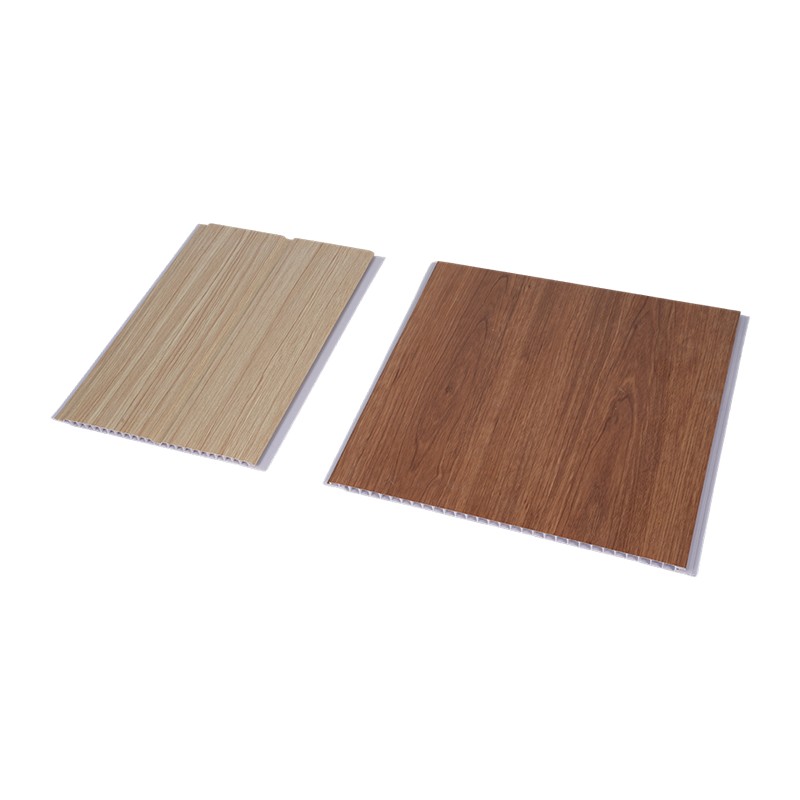
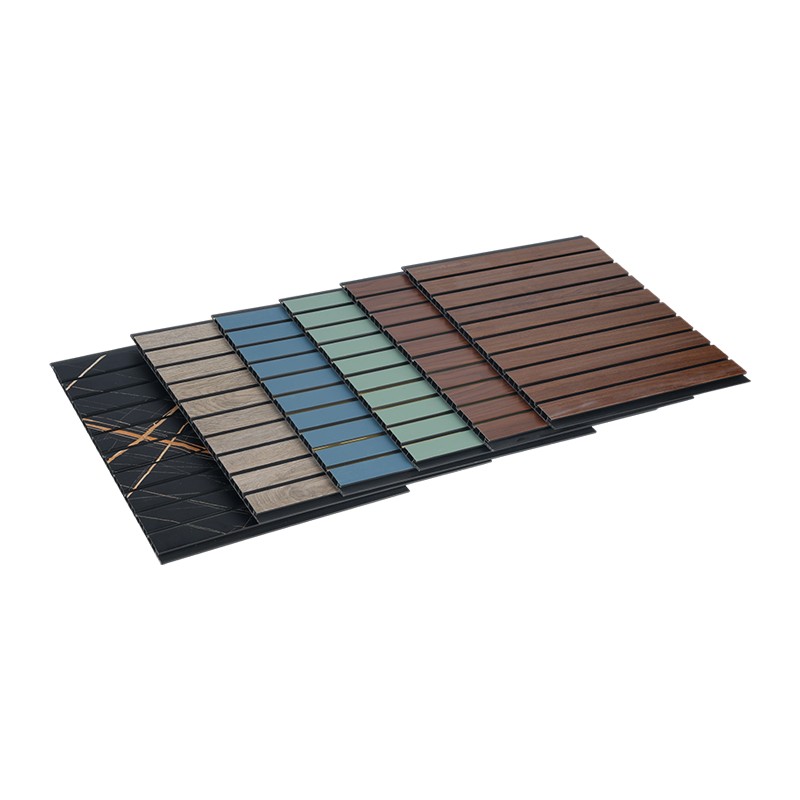
A modern pvc wall panel provides an effective way to improve interior surfaces while reducing maintenance requirements. These panels can be applied to walls, ceilings, partitions and decorative areas, offering solutions for different architectural styles. From wood grain finishes to marble textures and 3D patterns, PVC panels provide diverse options for creating functional and attractive spaces.
When selecting suitable PVC panels, buyers usually consider factors such as material quality, thickness, surface finish, installation method, fire resistance and overall cost. This guide explains the types, applications, pricing factors and selection methods of PVC panels to help users make informed purchasing decisions.
What Is a PVC Panel? Material Composition and Manufacturing Process
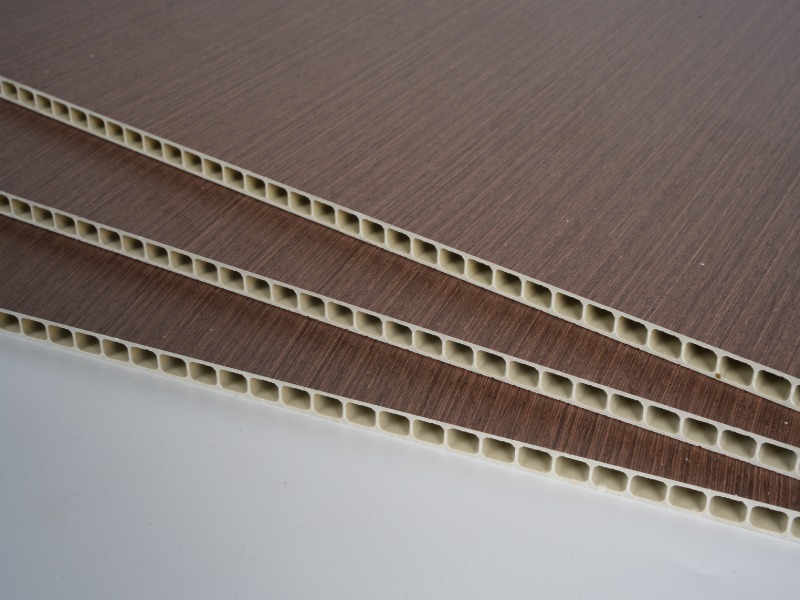
A pvc panel is a decorative building material mainly manufactured from polyvinyl chloride (PVC), a versatile polymer known for its stability, moisture resistance and easy processing characteristics. PVC panels are widely used for interior walls, ceilings and decorative surfaces because they provide a clean appearance with simple installation requirements.
The production process of PVC panels generally includes material preparation, extrusion molding, cooling, cutting and surface treatment. During manufacturing, different additives and finishing technologies can be applied to improve properties such as UV resistance, impact strength, fire performance and surface durability.
A professional pvc wall panel factory usually focuses on controlling raw material quality, production consistency and surface treatment techniques to produce panels suitable for different application environments.
| Manufacturing Stage | Purpose |
|---|---|
| Material preparation | Ensures stable PVC compound performance |
| Extrusion molding | Forms panels with consistent structure |
| Cooling and cutting | Creates accurate panel dimensions |
| Surface finishing | Adds decorative textures and protective layers |
PVC panels are widely recognized for the following characteristics:
- Waterproof performance
- Moisture resistance
- Lightweight installation
- Easy cleaning and maintenance
- Resistance to termites
- Flexible decorative designs
Types of PVC Panels for Different Interior Applications
Different interior projects require different panel structures and finishes. Understanding the main types of PVC panels helps buyers select suitable solutions.
Standard PVC Panel Sheets
Standard PVC panel sheets are commonly used for general wall and ceiling decoration. They feature smooth surfaces and simple designs, making them suitable for offices, homes and commercial interiors.
These panels are often selected because they provide:
- Clean and uniform appearance
- Easy installation
- Low maintenance requirements
- Cost-effective interior improvement
For projects requiring practical wall coverage, standard PVC panels offer a balance between performance and appearance.
Decorative PVC Wall Panels and 3D PVC Panels
Decorative PVC wall panels are designed to enhance interior aesthetics by adding texture, patterns and visual depth. They are commonly used for feature walls, reception areas, living rooms and hospitality spaces.
Popular surface designs include:
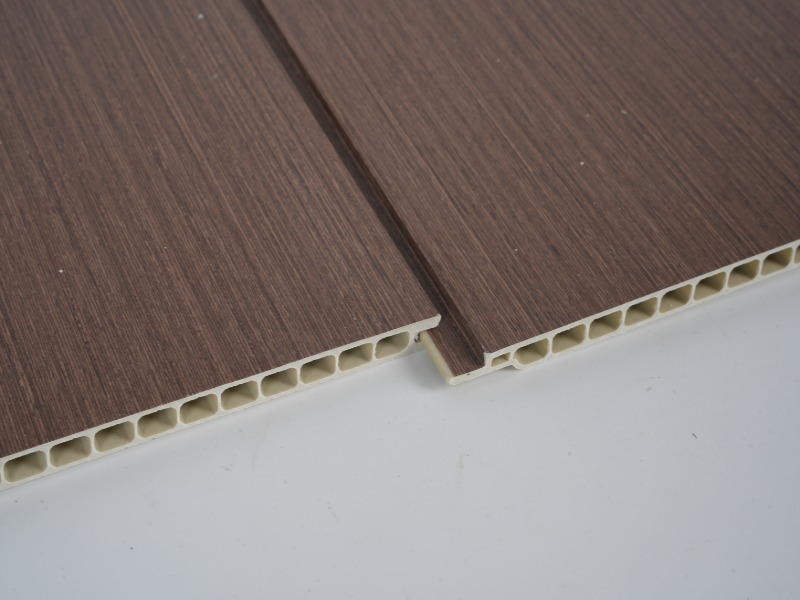
- Wood grain PVC panels
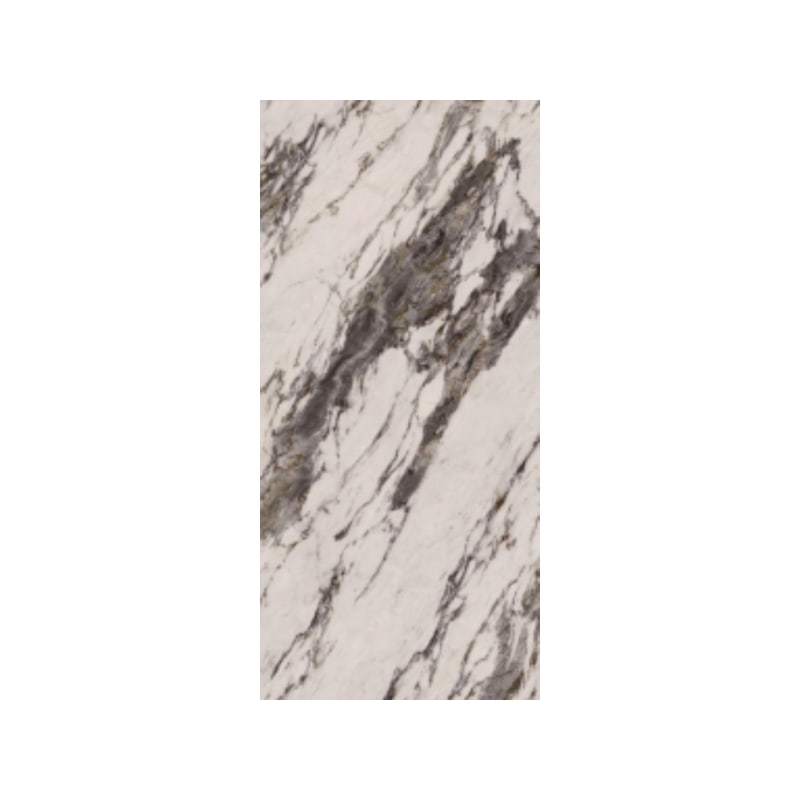
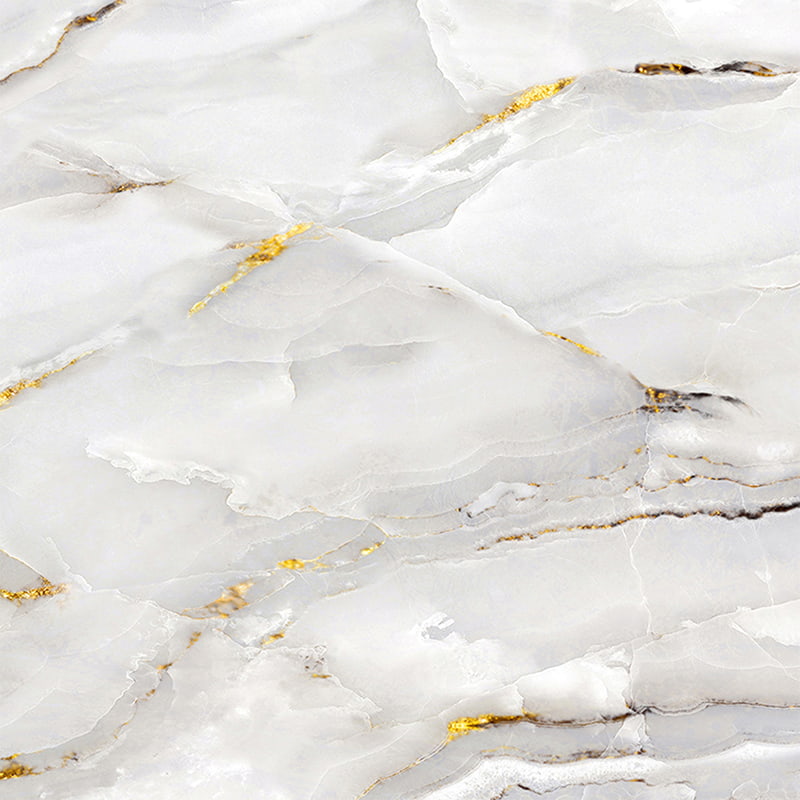
- Marble PVC panels
- Matte finish panels
- High gloss panels
- 3D textured wall panels
A PVC wall panel with decorative finishing can transform plain surfaces into attractive interior elements while maintaining the advantages of waterproof and easy-care materials.
PVC Ceiling Panels
PVC ceiling panels are widely used in areas where moisture resistance and simple maintenance are important. They are suitable for bathrooms, kitchens, balconies, offices and commercial buildings.
The main benefits include:
- Resistance to humidity
- Lightweight structure
- Easy cleaning
- Flexible ceiling designs
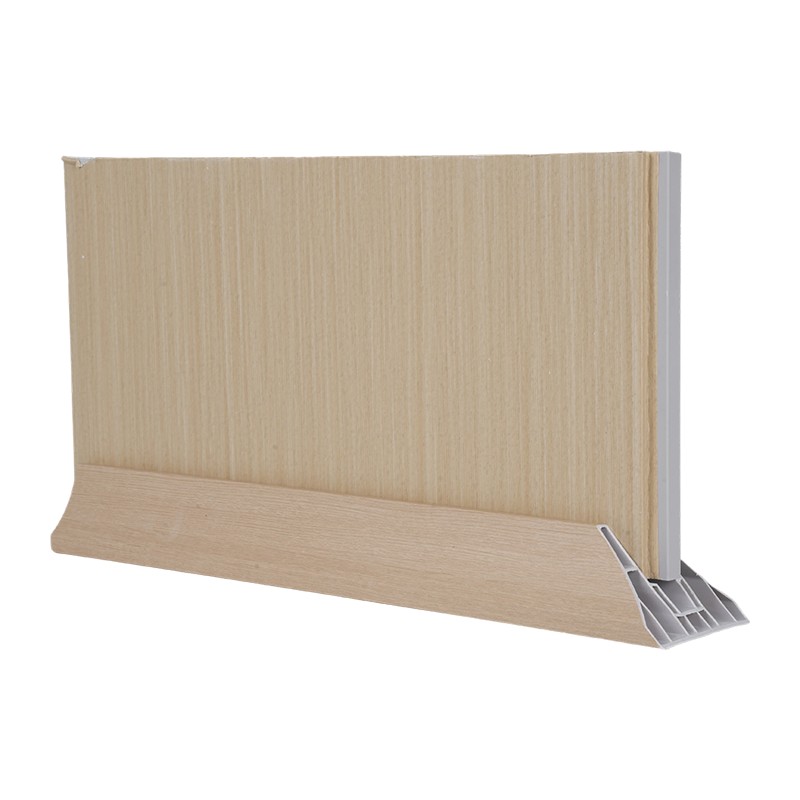
PVC ceiling panels can also help cover wiring, uneven surfaces and structural elements while improving the overall interior appearance.
PVC Panel Designs and Application Areas
Modern PVC panel design focuses on combining decorative appearance with functional performance. Manufacturers now provide various finishes to meet different architectural requirements.
PVC Wall Panels for Residential Interiors
Residential applications are one of the major areas for PVC wall panels. Homeowners often choose PVC panels for:
- Living rooms
- Bedrooms
- Kitchens
- Bathrooms
- Hallways
Compared with traditional wall decoration materials, waterproof PVC wall panels provide better performance in humid environments and require less daily maintenance.
Common residential design options include:
| Design Type | Application |
|---|---|
| Wood grain finish | Warm and natural interior styles |
| Marble texture | Modern luxury appearance |
| Matte surface | Minimalist decoration |
| 3D pattern | Feature walls and creative spaces |
PVC Panels for Commercial and High-Traffic Areas
Commercial spaces require materials that can maintain appearance under frequent use. PVC panels are commonly applied in:
- Offices
- Retail stores
- Hotels
- Exhibition spaces
- Public facilities
For high-traffic environments, buyers should focus on:
- Scratch resistance
- Surface durability
- Easy cleaning
- Fire safety requirements
A properly selected PVC wall panel can help businesses create professional interiors while reducing long-term maintenance work.
PVC Panel Price and Cost Factors
The PVC panel price varies depending on several factors, including material quality, thickness, surface treatment, design complexity and customization requirements.
The main factors influencing PVC panel cost include:
| Cost Factor | Influence |
|---|---|
| Material grade | Determines durability and overall performance |
| Panel thickness | Affects strength and application suitability |
| Surface finish | Decorative textures require additional processing |
| Custom design | Special patterns may increase production requirements |
| Installation method | Labor and accessories influence total project cost |
When comparing PVC panel prices, buyers should not focus only on initial cost. Product durability, maintenance requirements and service support are also important considerations.
How to Choose PVC Panels Based on Application
Selecting the right PVC panels requires evaluating the environment where they will be installed.
Choosing PVC Panels for Walls
For wall decoration, consider:
- Moisture resistance
- Surface appearance
- Cleaning requirements
- Interior style compatibility
For bathrooms and kitchens, waterproof PVC wall panels are preferred because they can better handle humid conditions.
Choosing PVC Panels for Ceilings
For ceiling applications, important factors include:
- Lightweight structure
- Installation stability
- Heat resistance
- Long-term appearance
A suitable PVC ceiling panel should provide reliable performance without adding unnecessary structural load.
Choosing PVC Panels for Commercial Projects
For commercial applications, buyers should evaluate:
- Impact resistance
- Fire-resistant properties
- Maintenance convenience
- Design consistency
A professional pvc wall panel factory can usually provide customized solutions according to project requirements, including different colors, textures and panel specifications.
PVC Panels Compared with Other Interior Materials
PVC panels are often compared with materials such as wood panels, gypsum boards and wallpaper.
| Material | Advantages | Limitations |
|---|---|---|
| PVC Panels | Waterproof, easy maintenance, lightweight | Design depends on available finishes |
| Wood Panels | Natural appearance | Requires more maintenance |
| Gypsum Boards | Smooth surface | Less suitable for humid areas |
| Wallpaper | Many patterns available | May require replacement in moisture conditions |
For environments where moisture resistance and easy maintenance are priorities, PVC panels provide a practical interior solution.
Quality Checks, Certifications and Installation Considerations
Before purchasing PVC panels, buyers should check product quality and installation requirements.
Important inspection points include:
- Surface smoothness
- Color consistency
- Panel thickness accuracy
- Scratch resistance
- Fire performance
Proper installation also affects the service life of PVC panels. A stable framework, accurate measurement and secure connection system help maintain a clean and durable finish.
Working with an experienced PVC panel supplier or pvc wall panel factory can help ensure consistent product quality and technical support.
How to Choose a Reliable PVC Wall Panel Factory
Choosing the right supplier is an important step for successful interior projects. A reliable manufacturer should provide:
- Stable product quality
- Flexible customization options
- Professional technical support
- Clear production standards
- Reliable delivery capability
A qualified pvc wall panel factory should understand different market requirements and provide PVC wall panels suitable for residential, commercial and industrial applications.
Before cooperation, buyers should review product specifications, sample quality, production capability and after-sales support.
Future Development Trends of PVC Panels
The PVC panel industry continues to develop toward more functional and environmentally conscious solutions. Future trends include:
- More realistic wood and stone textures
- Improved surface durability
- Customized decorative patterns
- Better fire-resistant technologies
- More efficient installation systems
As interior design requirements become more diverse, PVC panels will continue to be an important material choice for modern wall and ceiling applications.
Conclusion: Making the Right PVC Panel Selection
Choosing the right PVC panel requires a comprehensive understanding of application needs, design preferences, product quality and installation requirements.
Whether used for residential decoration, commercial interiors or large-scale projects, PVC panels provide a practical combination of appearance, durability and maintenance convenience.
By considering material structure, surface finish, price factors and supplier capability, buyers can select suitable PVC wall panels that deliver long-term value and reliable interior performance.
FAQ About PVC Panels
1. What are PVC panels used for?
PVC panels are mainly used for interior walls, ceilings, partitions and decorative surfaces. They are suitable for homes, offices, commercial buildings and other interior spaces.
2. Are PVC wall panels waterproof?
Yes. Most PVC wall panels have waterproof and moisture-resistant properties, making them suitable for areas such as bathrooms, kitchens and humid environments.
3. How much do PVC panels cost?
PVC panel prices depend on material quality, thickness, design, surface finish, customization and installation requirements.
4. Are PVC panels better than traditional wall materials?
PVC panels offer advantages such as waterproof performance, easy maintenance and lightweight installation, making them a practical alternative for many interior applications.
5. How do I choose a reliable PVC wall panel factory?
A reliable PVC wall panel factory should provide consistent quality, customization options, technical support, production capability and professional service.