EN
EN English
  русский
  Español
  عربى
عربى 
Understanding WPC Wall Panels and Their Role in Modern Exteriors
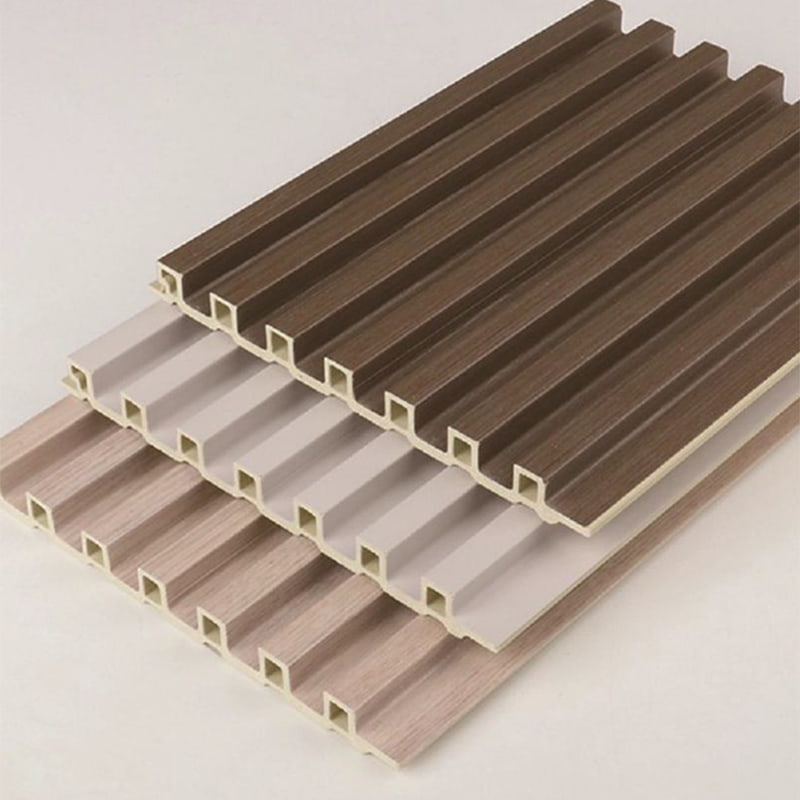
Wood Plastic Composite (WPC) has become one of the most discussed materials in exterior construction over the past decade, largely because it solves a problem builders have struggled with for generations: how to get the look of wood without the constant upkeep. An outdoor wpc wall panel is manufactured by blending wood fibers with polymer resins and bonding agents, then extruding the mixture under heat and pressure into rigid boards or slats. The result is a material that mimics the grain and warmth of timber while resisting the moisture absorption, insect damage, and UV degradation that plague natural wood siding.
Architects and homeowners alike are drawn to WPC panels for renovation projects, new builds, and commercial facades because the material performs consistently across climates. Unlike solid wood, which expands and contracts unpredictably with humidity, WPC has a more stable moisture response due to its polymer content acting as a protective barrier around the wood particles.
Performance and Durability: What Sets WPC Apart
Exterior-grade WPC panels are engineered specifically to handle prolonged sun exposure, rain cycles, and temperature swings. Panels that resist warping and cracking are the primary reason this material has gained traction in regions with harsh seasonal weather.
Key Performance Characteristics
Waterproof and UV-resistant cladding formulations reduce fading over years of sun exposure
Weather-resistant wall panels maintain structural integrity across freeze-thaw cycles
Fade-resistant exterior siding retains color consistency compared to painted or stained wood
Fire-resistant WPC formulations meet common building code requirements for exterior applications
Rot-proof siding eliminates the fungal decay issues common in untreated timber
Termite-resistant panels remove the food source insects rely on in traditional wood cladding
Field observation: In coastal installations where salt air accelerates corrosion and decay, WPC panels have shown minimal surface degradation after several years, whereas comparable untreated wood siding often required replacement or heavy refinishing within a similar timeframe.
How Moisture and UV Resistance Work in WPC Construction
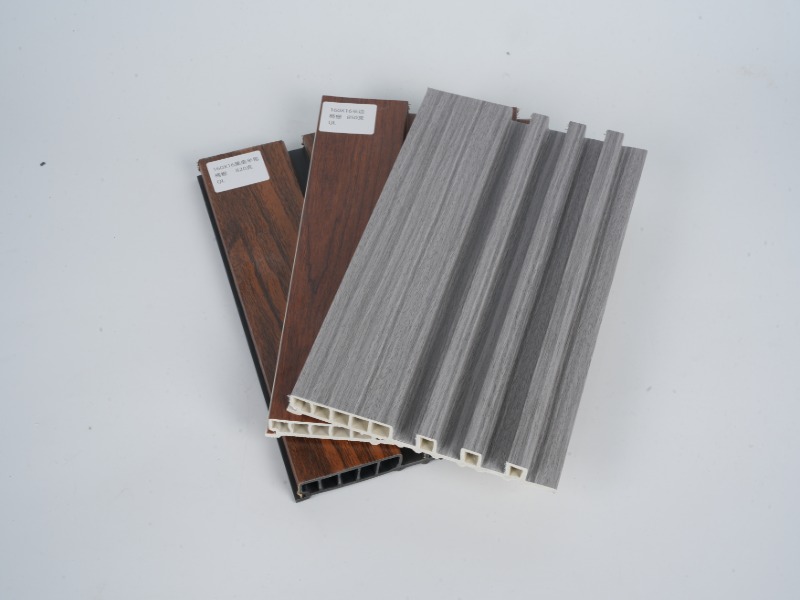
The layered composition of a typical WPC wall panel explains why it performs differently than solid wood or plain plastic siding. The diagram below illustrates the general cross-section structure.
How to Install WPC Wall Panels Correctly
Proper installation determines whether an outdoor wpc wall panel performs well for its expected service life or develops early issues like buckling and gapping. Following a structured sequence reduces the risk of costly rework.
Step-by-Step Installation Overview
- Inspect and prepare the substrate wall, ensuring it is clean, dry, and structurally sound
- Install a moisture barrier or breathable membrane behind the panel system
- Mount vertical or horizontal furring strips to create an air gap for ventilation
- Attach the starter strip along the base line to establish a level reference point
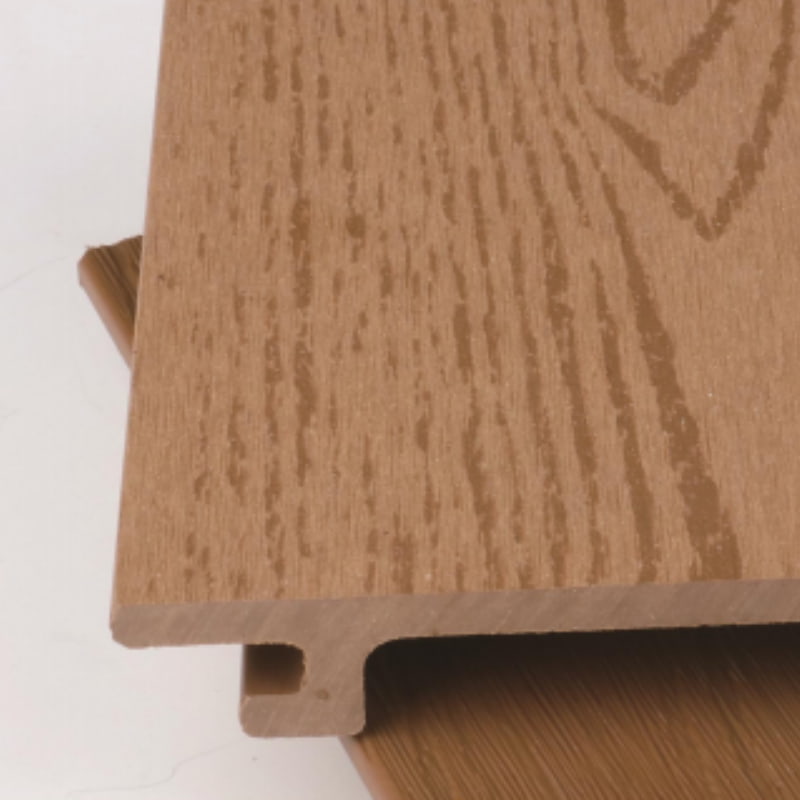
- Install panels from bottom to top, interlocking each piece into the previous one
- Leave small expansion gaps between panels to accommodate thermal movement
- Secure trim pieces and corner profiles to finish exposed edges
Do I Need Expansion Gaps for WPC?
Yes. Even though WPC is more dimensionally stable than solid wood, it still expands and contracts slightly with temperature changes. Skipping expansion gaps is one of the most common installation errors and often leads to visible buckling within the first year, particularly in climates with wide seasonal temperature swings.
How to Cut WPC Panels
WPC panels can be cut using standard carbide-tipped blades designed for composite materials. Slower feed rates reduce chipping along the edges, and a fine-tooth blade produces cleaner cuts than blades intended for solid lumber.
WPC vs Wood, Vinyl, and PVC: Which Siding Is Best for Exterior Use
Choosing between cladding materials often comes down to long-term value rather than upfront cost alone. The table below compares common attributes across four widely used exterior materials.
| Attribute | WPC Panels | Natural Wood | Vinyl Siding | PVC Panels |
|---|---|---|---|---|
| Moisture Resistance | High | Low | Moderate | High |
| Maintenance Needs | Low | High | Low | Low |
| Natural Wood Appearance | High | High | Low | Moderate |
| UV Fading Resistance | High | Low | Moderate | Moderate |
| Typical Lifespan | 15 to 25 years | 10 to 20 years with upkeep | 20 to 40 years | 20 to 30 years |
WPC vs natural wood siding comparisons consistently show that while wood offers unmatched authenticity, it demands significantly more maintenance in the form of staining, sealing, and periodic replacement of damaged boards. WPC vs vinyl siding evaluations often highlight that vinyl is lighter and less expensive, but lacks the dimensional texture and premium appearance that WPC provides. WPC vs PVC panels comparisons show both materials perform similarly in moisture resistance, though WPC generally offers a more natural visual texture due to its wood fiber content.
Design and Aesthetic Options for Modern Facades
Beyond performance, WPC has become popular because manufacturers now offer a wide range of finishes suited to contemporary architecture. Building facade panels are no longer limited to a single wood-tone appearance.
Popular Finish and Profile Styles
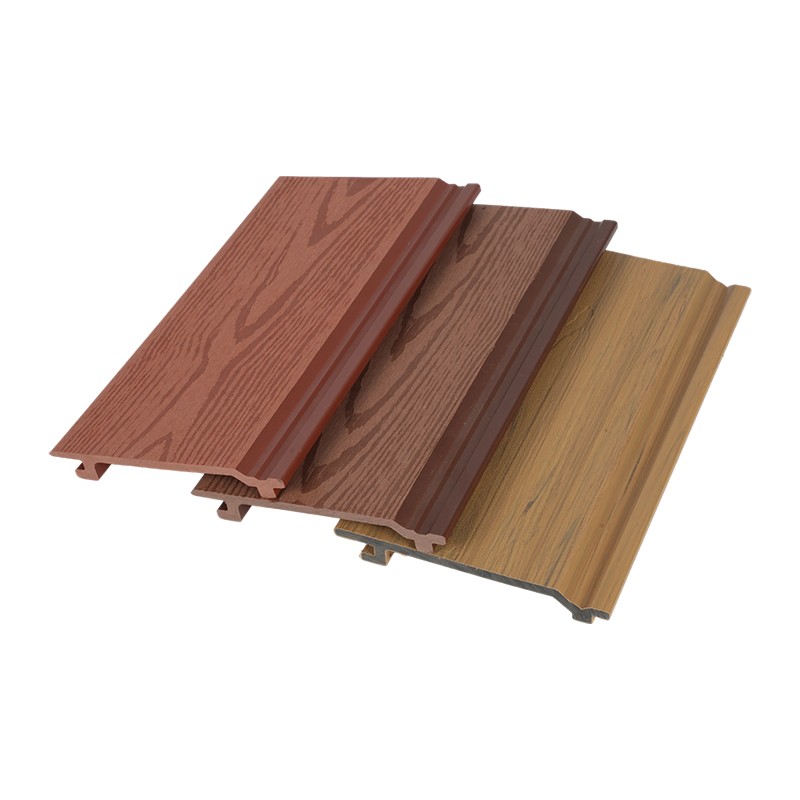
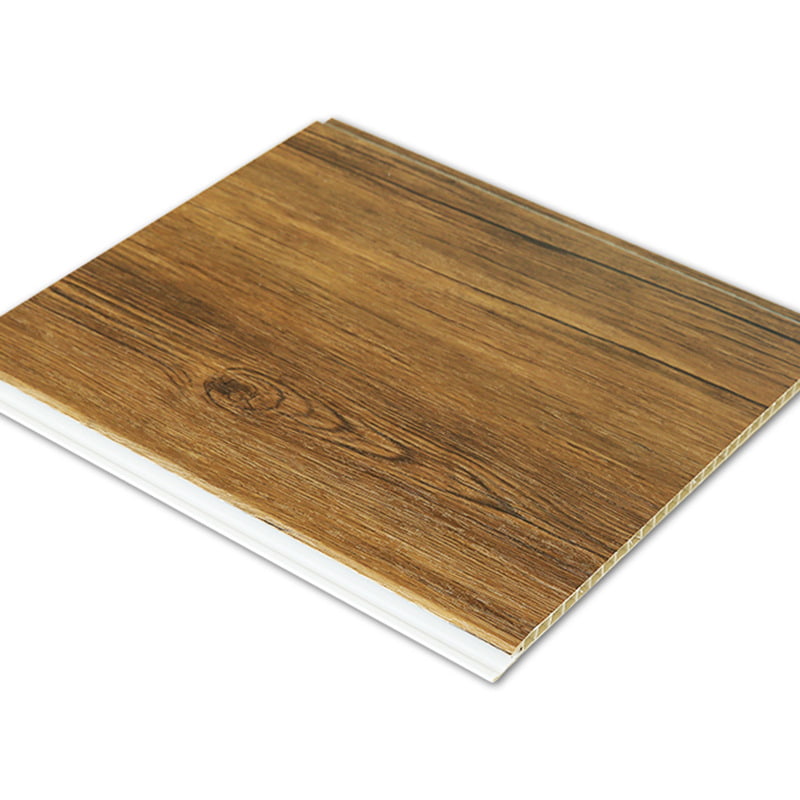
Wood grain texture panels that replicate oak, teak, or walnut appearances
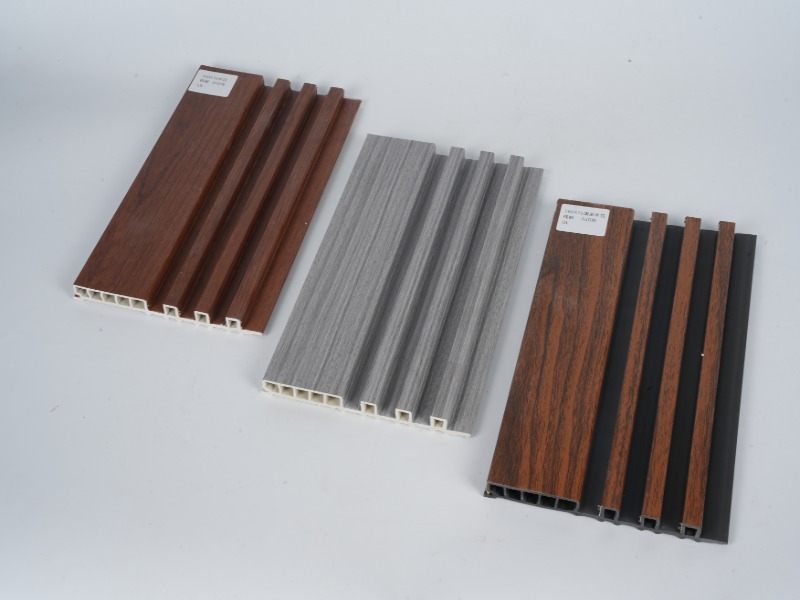
Fluted slat wall panels for vertical linear design statements
Marble finish WPC panels for a stone-inspired aesthetic without the weight of real stone
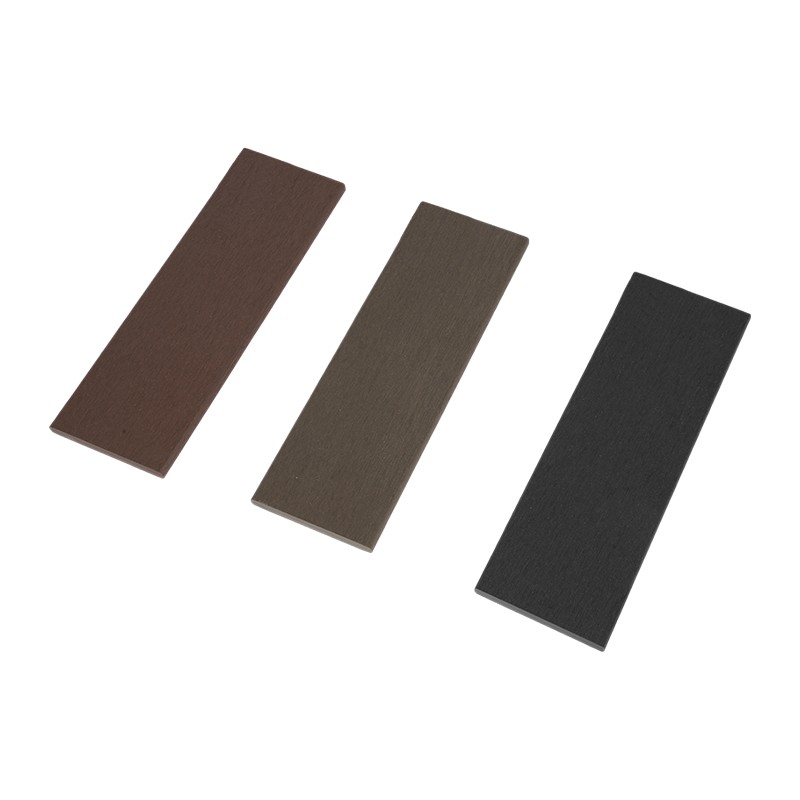
Smooth matte panels suited to minimalist contemporary exterior design
Embossed textured panels that add depth and shadow lines across a facade
These options make WPC adaptable across residential renovations, commercial storefronts, and modern home facade ideas that call for clean geometric lines paired with warm natural tones.
Visualizing Panel Profile Styles
Maintenance and Long-Term Care for WPC Cladding
Low-maintenance exterior cladding is one of the strongest selling points of WPC compared to traditional materials. Where wood requires annual sanding, staining, and sealing to prevent decay, WPC generally requires far less attention.
Recommended Maintenance Routine
| Task | Wood Siding | WPC Panels |
|---|---|---|
| Staining or Sealing | Every 1 to 2 years | Not required |
| Cleaning | Seasonal scrubbing | Occasional soap and water rinse |
| Pest Inspection | Regular monitoring needed | Minimal risk due to composite structure |
| Repainting | Every few years | Not typically needed |
Cleaning WPC wall panels typically involves nothing more than a garden hose, mild soap, and a soft brush for stubborn dirt. Avoiding high-pressure washers directly against panel seams helps prevent water from being forced behind the cladding system.
Environmental and Sustainability Considerations
Sustainability has become a growing factor in material selection, and recycled wood plastic composite products address this demand directly. Many manufacturing processes incorporate reclaimed wood fibers and recycled polymers, reducing raw material extraction compared to virgin timber harvesting.
- Recycled material wall panels reduce dependency on newly harvested timber
- Sustainable building materials lower the overall environmental footprint of construction projects
- FSC certified WPC options confirm responsibly sourced wood fiber content
- Eco-friendly exterior cladding reduces long-term waste since panels rarely require early replacement
- Green building siding options can contribute toward sustainability certifications on commercial projects
Cost Considerations and Long-Term Value
The cost of WPC exterior cladding varies depending on panel profile, thickness, and finish complexity, but the total cost of ownership often favors WPC once maintenance savings are factored in over a decade or more of use.
What to Look for in WPC Panels
Consistent panel thickness and density across the batch
Clear documentation of UV stabilizer content in the coating
Confirmed compatibility with your regional climate conditions
Availability of matching trim, corner, and starter accessories
High-Quality WPC Panels Warranty Guide
Warranty terms vary widely across manufacturers, but reputable exterior-grade products typically include coverage against fading, cracking, and structural failure for a defined number of years. Reviewing warranty documentation before purchase helps set realistic expectations for long-term performance.
Choosing a Reliable Supplier for Your Project
When searching for the best WPC wall panel supplier, it helps to evaluate manufacturing consistency, available certifications, and the range of profiles offered rather than focusing on price alone. A supplier that provides transparent technical data sheets, clear installation guidance, and accessible customer support tends to deliver a smoother project experience from planning through completion.
Frequently Asked Questions
Q1: What is the average lifespan of WPC wall panels?
Most exterior-grade WPC panels last between 15 and 25 years when properly installed and maintained, though actual lifespan depends on climate exposure and installation quality.
Q2: Can WPC panels be installed in coastal or high-humidity areas?
Yes. WPC panels are commonly used in coastal environments because their moisture barrier and polymer content resist the salt air and humidity that accelerate decay in untreated wood.
Q3: Do WPC panels fade over time?
Exterior-grade panels with UV-resistant coatings show minimal fading over many years, though gradual color shift can still occur with prolonged direct sun exposure, similar to most exterior materials.
Q4: Is professional installation required for WPC wall panels?
While experienced homeowners can install WPC panels themselves, professional installation reduces the risk of improper expansion gap spacing and substrate preparation issues that affect long-term performance.
Q5: How do WPC panels compare in cost to real wood siding?
Initial material costs can be similar or slightly higher than lower-grade wood siding, but WPC typically offers better long-term value due to significantly reduced maintenance expenses over its service life.
Q6: Are WPC panels suitable for both residential and commercial buildings?
Yes. WPC panels are used across single-family homes, multi-unit residential buildings, and commercial facades due to their consistent performance and wide range of design profiles.