EN
EN English
  русский
  Español
  عربى
عربى 
What is PVC Decorative Film?
PVC decorative film is a thin, flexible polyvinyl chloride sheet engineered to be laminated onto substrates such as MDF, particleboard, aluminum, or steel. Instead of painting or applying real wood veneer, manufacturers roll or press this film onto a surface to instantly deliver a wood grain, stone, metallic, or solid color finish. Because the film is produced in continuous rolls, it is one of the most cost-efficient ways to achieve a consistent decorative surface across large production runs.
The core value of pvc decorative film lies in three things: surface consistency, resistance to daily wear, and the ability to mimic expensive materials at a fraction of the cost. A typical film structure includes a base PVC layer, a printed decorative layer, and a protective top coating that determines gloss level and scratch resistance.
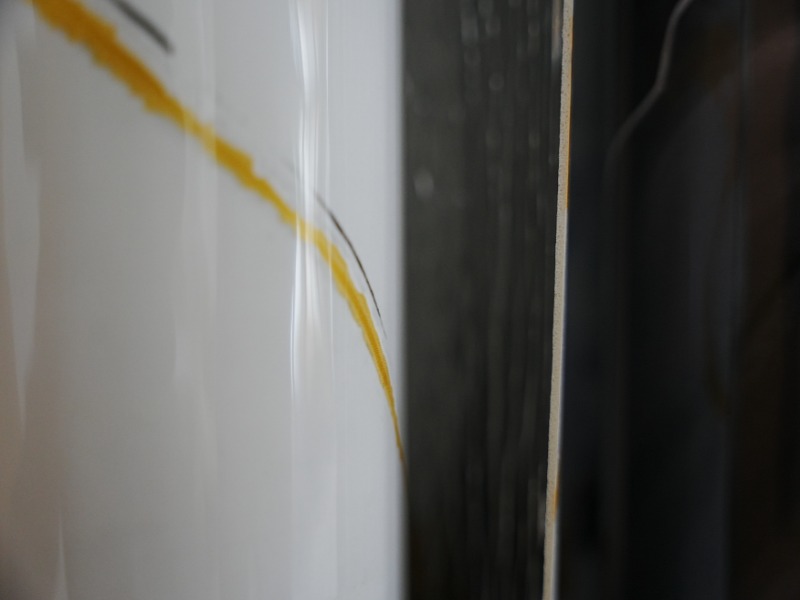
Quick fact: Most commercial-grade PVC decorative films fall between 0.08mm and 0.35mm in thickness, with 0.15mm to 0.2mm being the most common range for furniture and cabinet fronts.
5 Common Types of PVC Decorative Film
Not all decorative films serve the same purpose. Selecting the wrong finish type is one of the most frequent sourcing mistakes buyers make. Below is a breakdown of the five categories most commonly requested by furniture factories, cabinet makers, and interior contractors.
Matte / Low-Gloss Film
Offers a soft, non-reflective surface that hides minor scratches and fingerprints well. Popular in office furniture and minimalist interior wall panels.
High Gloss PVC Decorative Film
Delivers a mirror-like reflective surface used heavily in modern kitchen cabinet doors. Requires a smoother substrate since surface imperfections show more easily.
Wood Grain Texture Film
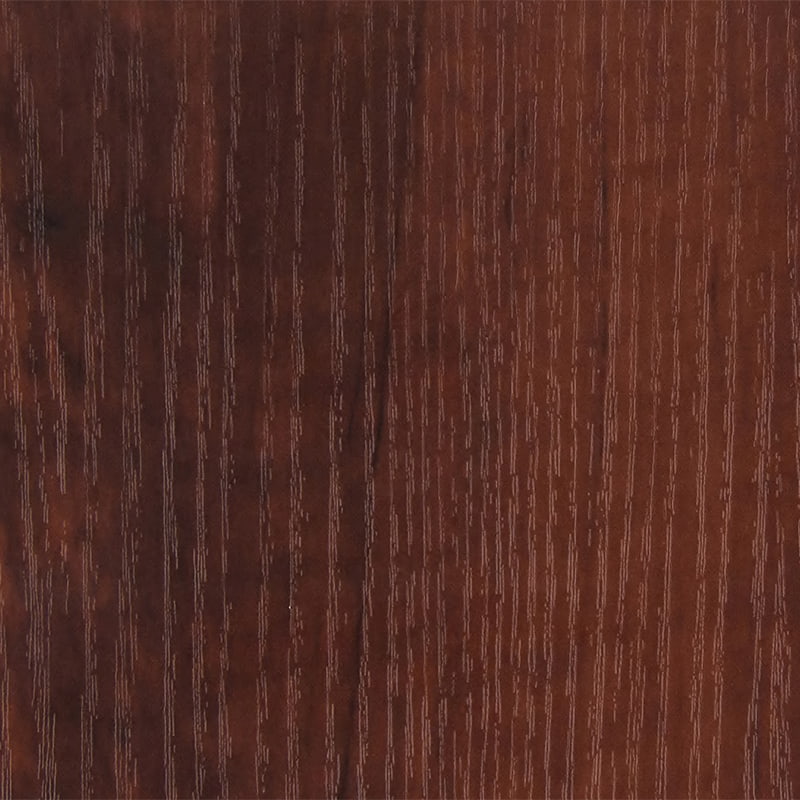
Replicates oak, walnut, or teak grain patterns using rotogravure printing combined with an embossed texture roller for a tactile, realistic feel.
Marble / Stone Pattern Film
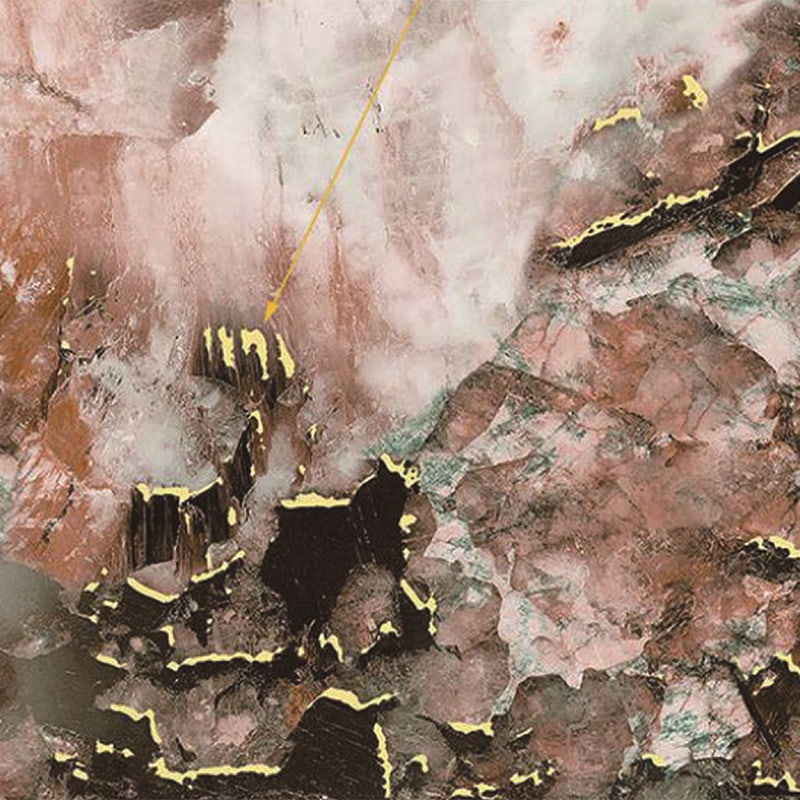
Used on countertop edges, bathroom panels, and furniture tops where a stone look is desired without the weight or cost of natural stone.
Metallic Brushed Film
Simulates brushed aluminum or stainless steel finishes, frequently chosen for appliance panels, handles, and accent trim.
How to Choose the Right Thickness for Your Project
Thickness directly affects durability, cost, and how well the film conforms to curved or profiled surfaces. Choosing based on price alone often leads to premature peeling or cracking at edges.
| Thickness | Best For | Durability Level | Typical Cost Position |
|---|---|---|---|
| 0.10mm - 0.13mm | Flat panel lamination, low-traffic surfaces | Basic | Lowest |
| 0.15mm | Standard cabinet doors, wall panels | Moderate | Mid-range |
| 0.2mm pvc decorative film | Kitchen cabinets, furniture with routed profiles | High | Mid-to-high |
| 0.3mm | Heavy commercial furniture, door skins | Very High | Highest |
Practical tip: For profile-wrapped doors with deep routing grooves, films below 0.15mm often crack at the corners during vacuum press forming. 0.2mm is generally the safer minimum for anything with curves or edges.
Top 5 Applications in 2026
Demand for decorative film has expanded well beyond kitchen cabinets. Here are the five sectors driving the largest order volumes this year.
- Kitchen Cabinets - High gloss pvc decorative film for kitchen cabinets remains the single largest application category, driven by renovation projects favoring easy-clean, reflective surfaces.
- Furniture Manufacturing - Furniture grade pvc decorative film is used on wardrobes, bedframes, and office desks as a substitute for solid wood veneer.
- Interior Wall Panels - Interior wall pvc decorative film is increasingly specified in hospitality and residential projects for accent walls that resist moisture better than paint.
- Automotive Interior Trim - Door panels and dashboard trim use specialized heat-resistant film grades that tolerate cabin temperature swings.
- Marine Interior Fitting - Boat cabin interiors use film with enhanced humidity and salt-air resistance for cabinetry and wall linings.
How PVC Decorative Film is Applied to a Substrate
Understanding the lamination process helps buyers evaluate whether a supplier's film specifications match their production method.
Wholesale Price Trend and MOQ
Wholesale pvc decorative film pricing in 2026 is shaped mainly by resin cost fluctuations, print complexity, and roll width. Buyers evaluating a pvc decorative film roll price quote should ask suppliers to break down cost by these three factors rather than comparing a single flat number.
| Factor | Impact on Price |
|---|---|
| Film Thickness | Thicker film increases raw material cost proportionally |
| Print Design Complexity | Multi-color wood grain or marble patterns cost more than solid colors |
| Surface Finish | High gloss and embossed textures add a finishing process step |
| Roll Width | Custom widths outside standard sizes may carry a setup surcharge |
| Order Volume | Larger volume orders typically unlock tiered wholesale discounts |
Minimum order quantities vary by manufacturer, but many production lines are set up efficiently for roll-based orders rather than small cut lengths. Buyers sourcing from a pvc decorative film manufacturer China based should confirm MOQ per design pattern, since custom prints often carry higher minimums than stock patterns.
How to Identify Quality PVC Film: 3 Practical Tests
Specification sheets do not always tell the full story. These three tests can be performed on a sample before committing to a bulk order.
1. Scratch Resistance Test
Use a standardized pencil hardness test or a fingernail drag test across the surface. A quality protective top coat should resist light scratching without exposing the printed layer underneath.
2. Yellowing Resistance Test
Expose a sample to direct sunlight or a UV lamp for several days and compare color against an unexposed piece. Films with weak UV stabilizers will show a visible yellow shift, especially on white or light gray colors.
3. Peel Strength Test
After lamination, attempt to lift a corner of the film with a blunt tool. Strong adhesive bonding should require noticeable force to separate the film from the substrate without adhesive residue tearing unevenly.
Buyer note: Always request a physical sample rather than relying on photos, since gloss level and texture depth are difficult to judge accurately through images alone.
PVC Decorative Film vs Laminate vs Veneer
Buyers frequently compare pvc decorative film vs laminate and pvc decorative film vs veneer when deciding on a surface material strategy.
| Attribute | PVC Decorative Film | Laminate (HPL) | Wood Veneer |
|---|---|---|---|
| Flexibility for curved profiles | High | Low | Moderate |
| Moisture resistance | High | High | Low to Moderate |
| Natural material appearance | Good (printed) | Good (printed) | Authentic |
| Typical cost | Lower | Moderate | Higher |
| Repair difficulty | Moderate | Difficult | Difficult |
Frequently Asked Questions
Q1: What is the difference between PVC decorative film and PVC laminate sheets?
Decorative film is thin and flexible, designed to wrap or laminate onto a substrate using heat and pressure. Laminate sheets are rigid, pre-formed panels that are typically glued flat without wrapping around curved edges.
Q2: Can PVC decorative film be used outdoors?
Standard indoor-grade film is not recommended for prolonged outdoor exposure. Specialized outdoor grades with enhanced UV stabilizers exist, but buyers should confirm this specification separately since it is not standard on most furniture-grade rolls.
Q3: How long does PVC decorative film typically last?
Under normal indoor conditions, quality film with proper lamination can last ten years or more before showing significant wear, though high-traffic surfaces like kitchen cabinet doors may show earlier signs of edge wear.
Q4: Is thicker PVC film always better?
Not necessarily. Thicker film improves durability and profile-wrapping performance, but flat panel applications with minimal handling do not always require the added cost of a thicker option.
Q5: What causes PVC decorative film to peel over time?
Peeling is most often caused by inadequate adhesive application, insufficient press temperature during lamination, or moisture infiltration at unsealed edges rather than a defect in the film itself.