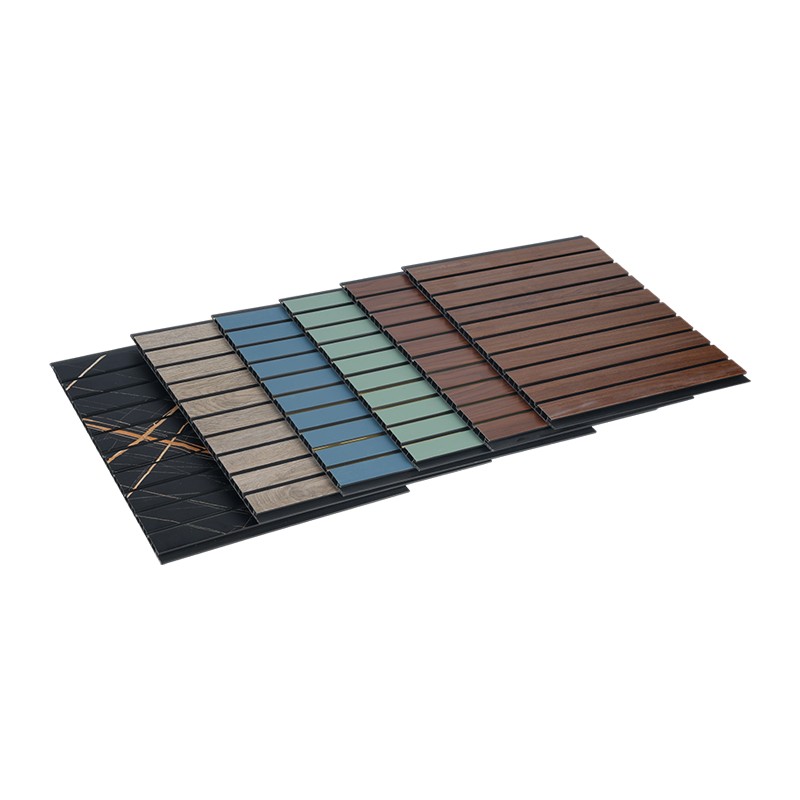
EN
EN English
  русский
  Español
  عربى
عربى 
Bathroom shower wall panels represent a modern alternative to traditional ceramic tiles, offering homeowners and contractors a faster, cleaner installation process without the maintenance headaches of grout and sealants. A bathroom shower wall panel is a prefabricated board system that installs as complete units, creating seamless, waterproof surfaces ideal for shower enclosures, wet areas, and bathtub surrounds. Unlike tile installations that require hours of grouting and curing, shower wall panels deliver a finished look in a single day, making them an attractive choice for both renovation projects and new construction.
Why Choose Shower Wall Panels Over Tiles?
The comparison between shower wall panels and traditional tiles centers on three critical factors: installation efficiency, long-term maintenance, and total cost of ownership. Understanding these differences helps you make an informed decision for your project.
Installation Speed and Simplicity
Traditional tile installation is labor-intensive and time-consuming. A typical bathroom shower wall tiling project requires surface preparation, tile cutting, adhesive application, grouting, sealing, and curing time that can stretch 2-3 days or longer. Shower wall panels compress this timeline dramatically. Installation involves securing the panels to a prepared substrate, connecting joints with tongue-and-groove interlocking or sealed seams, and finishing trim work—often completed in 4-8 hours. This speed translates directly to reduced labor costs and faster project completion.
Waterproofing and Structural Integrity
Tiles depend on grout and sealant to prevent water infiltration behind the wall surface. Over time, these materials degrade, crack, and fail, allowing moisture to compromise the underlying structure. Shower wall panels feature integrated waterproofing through their seamless design. Each panel connects to adjacent units with sealed or interlocking joints, creating a continuous moisture barrier. This eliminates the common problem of water seeping into grout lines and causing mold, mildew, or structural damage—a particularly valuable feature in high-moisture environments like steam showers and enclosed wet areas.
Maintenance and Cleaning
Tile maintenance demands regular attention. Grout lines accumulate soap scum, mineral deposits, and mold, requiring weekly brushing and periodic resealing with specialized products. Shower wall panels need only routine cleaning—a quick wipe with a damp cloth or mild bathroom cleaner removes soap residue and keeps surfaces pristine. The seamless design eliminates crevices where bacteria and mold can colonize, reducing the time and effort required to maintain hygiene.
Cost Considerations
Material costs for shower wall panels may exceed basic ceramic tiles per square meter, but total project costs tell a different story. When you factor in labor costs (which are substantially lower), reduced installation time, eliminated grouting expenses, and the absence of future resealing and maintenance, bathroom shower wall panels often deliver better long-term value. For rental properties and commercial installations where durability and minimal maintenance are priorities, the economic advantage becomes even more pronounced.
Types of Bathroom Shower Wall Panels: Material and Finish Guide
Selecting the right bathroom shower wall panel requires understanding the material options and visual finishes available. Each material category offers distinct advantages suited to different project requirements and budget parameters.
Material Categories
PVC Shower Wall Panels
Polyvinyl chloride panels represent the most economical and lightweight option. PVC shower wall panels excel in rental properties, temporary installations, and rapid renovation projects. They install easily over existing surfaces without extensive substrate preparation. The material resists moisture effectively and requires minimal maintenance. However, PVC panels may show wear more quickly in high-traffic commercial settings compared to more substantial materials.
Laminate Bathroom Wall Panels
Laminate panels offer a middle ground between PVC and premium options, featuring greater thickness and visual depth. These panels provide superior durability for primary residences and permanent installations. Laminate bathroom wall panels resist impacts better than PVC and deliver a more upscale appearance while maintaining easy installation and maintenance. They perform well in master bathrooms and high-end residential projects.
Acrylic and High-Gloss Panels
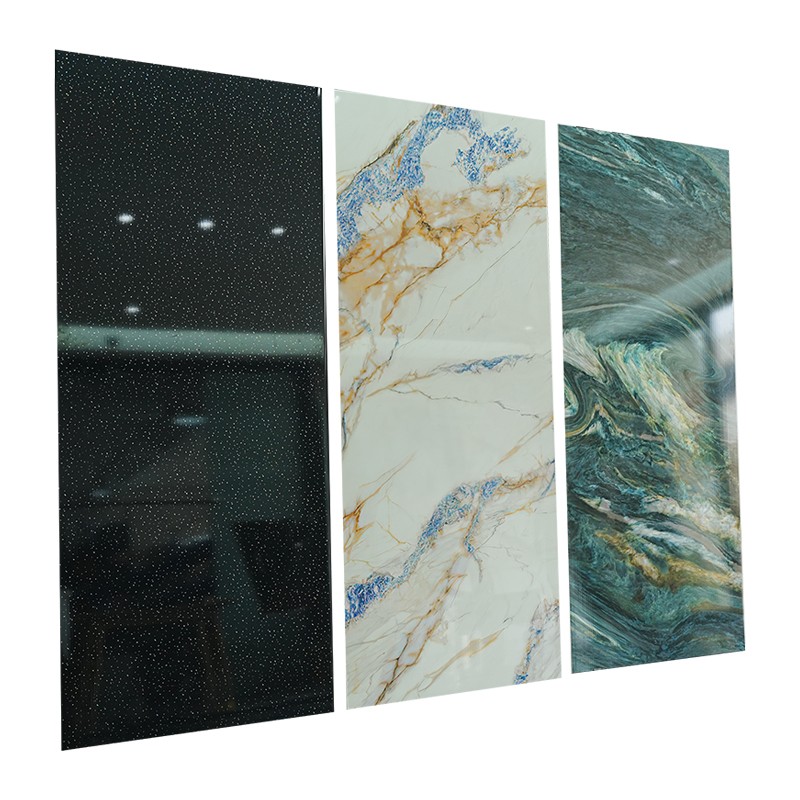
Acrylic panels deliver reflective, glossy surfaces that amplify light and visually expand small bathroom spaces. These premium options create a sophisticated aesthetic suitable for luxury installations. The high-gloss finish requires careful cleaning to avoid water spots, making them ideal for homeowners prioritizing appearance over minimal maintenance.
Large Format Panels
Oversized panels minimize visible joints and seams, creating an exceptionally seamless wall appearance. These shower wall panels are manufactured in larger dimensions (such as 2400mm or 3000mm lengths) to reduce the number of connections per wall. Fewer seams mean fewer potential water infiltration points and a more cohesive visual impact.
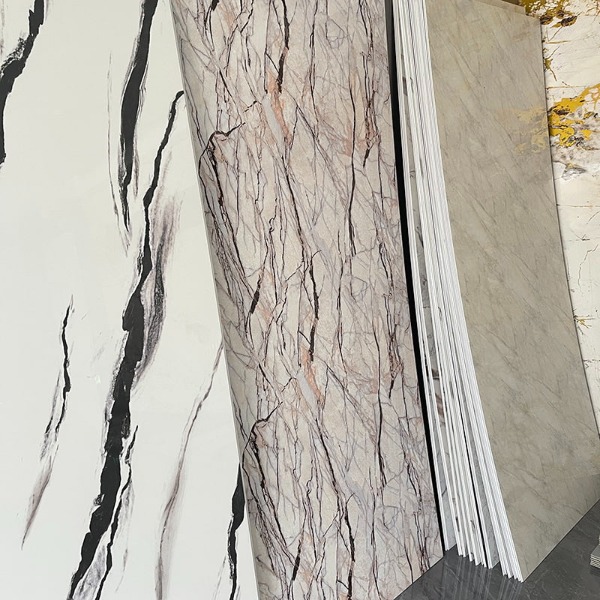
Finish Options and Aesthetic Considerations
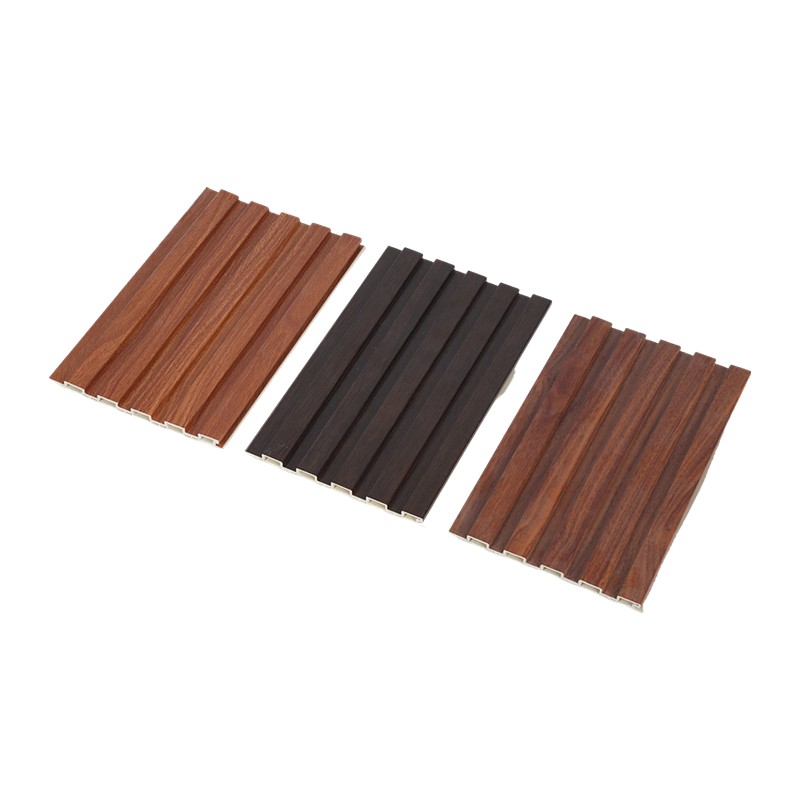
Beyond material selection, finish choices determine the visual character of your shower space. Common finish categories include:
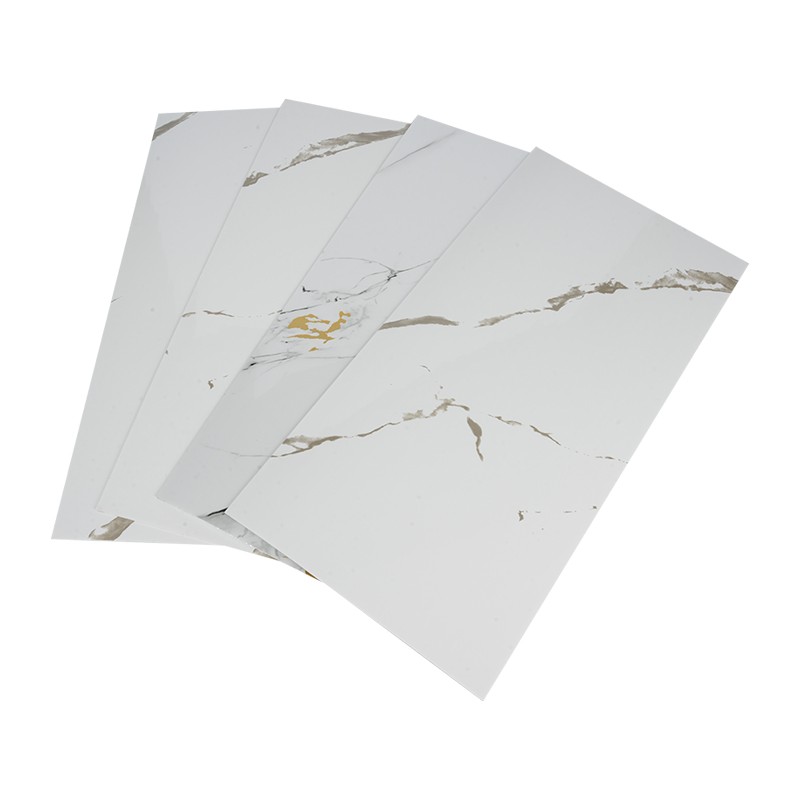
Marble and stone textures that replicate natural stone aesthetics
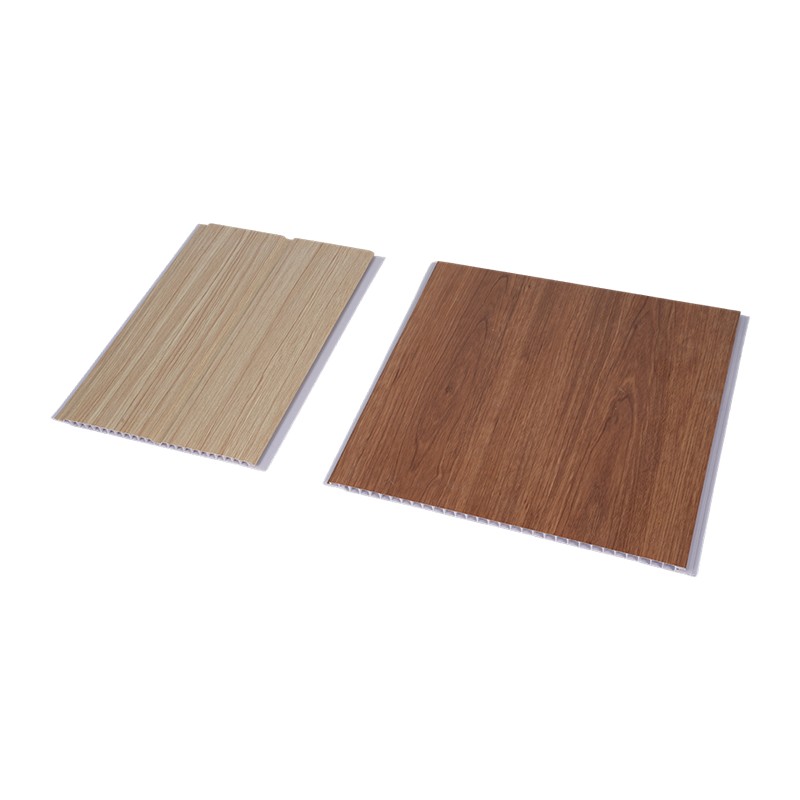
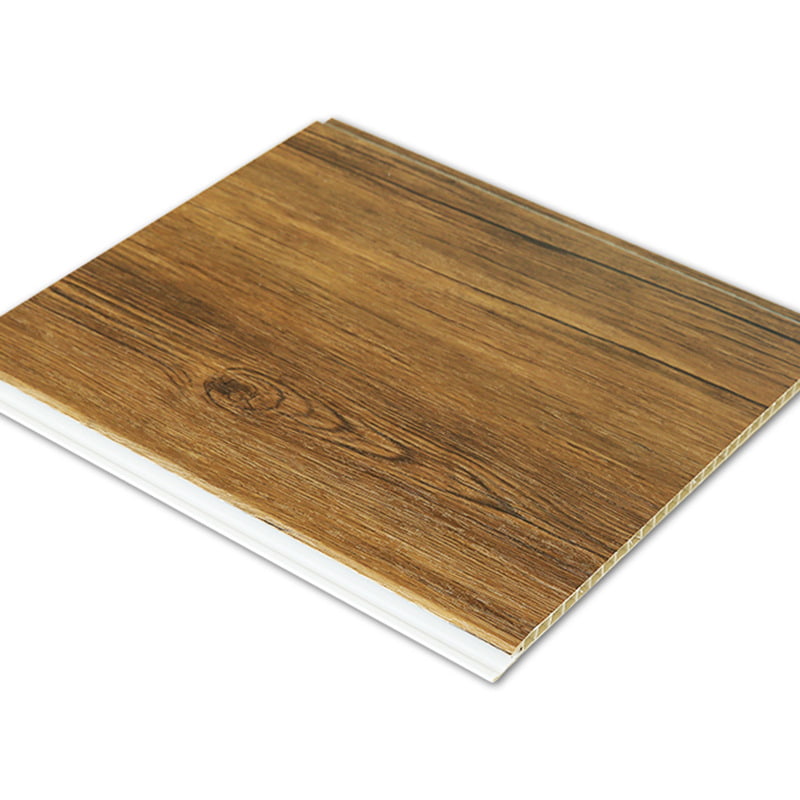
Wood grain finishes providing warm, spa-like environments
Tile-pattern finishes with printed grout lines for those preferring familiar tile appearances
Solid colors ranging from crisp whites to bold accent tones
Metallic and iridescent finishes for contemporary, distinctive looks
Each finish option maintains the core advantages of shower wall panels—waterproofing, durability, and easy maintenance—while allowing customization to match your design vision and existing bathroom decor.
How to Choose the Right Shower Wall Panel for Your Project
Selecting appropriate shower wall panels requires evaluating your specific project context, installation method, property type, and budget constraints. A systematic approach ensures you select panels that deliver optimal performance and satisfaction.
Application-Based Selection
Different bathroom areas demand different panel specifications. Consider your primary installation location:
Shower enclosures benefit from panels with enhanced water resistance and seamless joint systems
Wet rooms surrounding freestanding bathtubs require full-wall coverage with integrated corner solutions
Bathroom accent walls can utilize decorative finishes and larger format panels for visual impact
Steam shower environments demand superior moisture management and sealed panel systems
Installation Method Considerations
Evaluate how panels will be installed at your site. Tongue-and-groove interlocking systems provide invisible joint lines and straightforward installation, ideal for DIY projects. Sealed-edge systems using silicone or specialized trim offer greater flexibility for custom applications and complex layouts. For contractors managing multiple projects, standardized installation methods streamline scheduling and reduce labor variables.
Project Type Alignment
Your property type significantly influences material selection. Owner-occupied residences can justify investment in premium laminate or acrylic panels that deliver durability spanning 15-20 years. Rental properties benefit from economical PVC shower wall panels that deliver adequate performance while minimizing capital expenditure. Commercial installations—hotels, spas, fitness centers—require panels specifically rated for high-traffic environments with enhanced durability certifications.
Budget Framework
Establish realistic budget parameters that account for material costs, installation labor, accessories, and contingency. Entry-level PVC panels start at lower price points but may require replacement within 8-10 years. Mid-range laminate options offer superior longevity and aesthetic appeal. Premium materials deliver uncompromising performance and distinctive visual character. Calculate your cost per year of service life to identify genuine value rather than focusing solely on initial purchase price.
Installation Overview: What Contractors and DIYers Need to Know
Understanding the fundamentals of bathroom shower wall panel installation helps you appreciate why this method delivers faster completion than traditional tiling. Whether managing a professional installation or executing a DIY project, these principles ensure optimal results.
Substrate Preparation
Proper substrate preparation is essential for long-term panel performance. Unlike tile installations requiring perfectly smooth surfaces, shower wall panels can install directly over existing ceramic tile if the surface is clean, dry, and stable. This advantage eliminates expensive demolition work and associated waste removal. However, if existing surfaces are damaged, loose, or severely uneven (variations exceeding 3mm), removal or remediation becomes necessary.
The ideal substrate is clean, dry, and level—whether existing tile, plywood, or cement board. Remove any loose materials, soap residue, or mold growth. Allow damp surfaces to dry completely before panel installation begins. Check substrate flatness using a straightedge; minor imperfections can be corrected with appropriate leveling compounds or shims during installation.
Joint Connection Systems
Shower wall panels connect through one of two primary methods. Tongue-and-groove interlocking joints offer the simplest installation—the groove channel of one panel receives the tongue protrusion of the adjacent panel, creating a tight, seamless connection. No additional sealant is required beyond silicone at the perimeter where panels meet trim or walls.
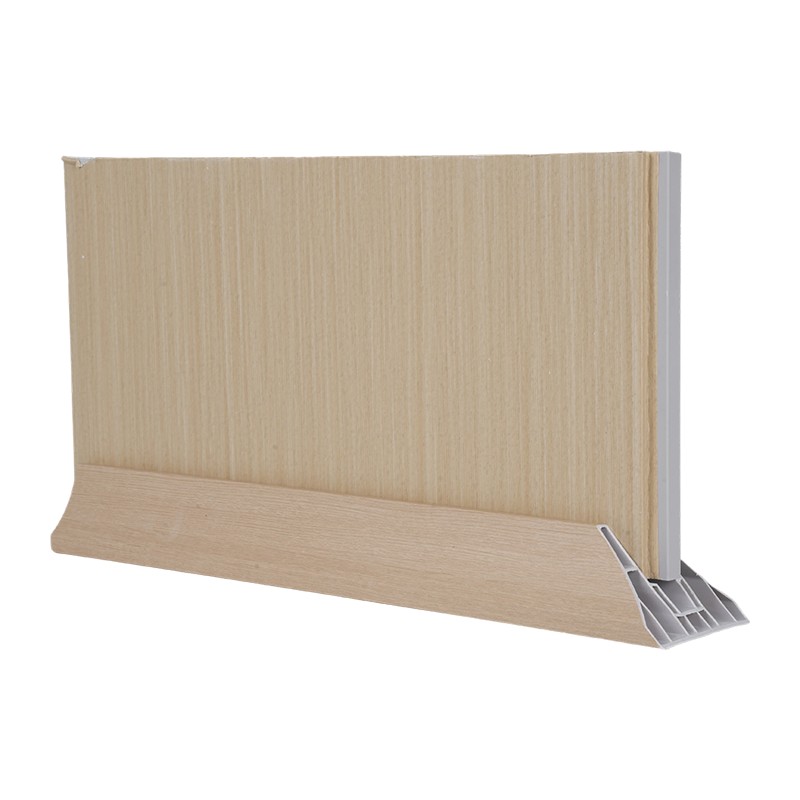
Sealed-edge systems use panels with flat edges finished with silicone sealant or foam-backed trim pieces. This method provides greater flexibility for accommodating substrate irregularities and allows easier panel replacement if damage occurs. Foam-backed trim creates a compressible seal that adapts to minor substrate variations.
Specialized Opening Management
Fixtures and penetrations—showerheads, control valves, soap niches, ventilation ducting—require careful planning. Quality panel systems include specialized trim components for these elements. Pre-cut openings are drilled during manufacturing based on fixture specifications provided during ordering. On-site drilling should be minimized but can accommodate minor adjustments when necessary.
Professional installations typically involve fixture templates or coordinate measurements provided to manufacturers, ensuring openings align precisely with installed fixtures. This precision eliminates unsightly gaps or misaligned trim that compromise both aesthetics and waterproofing.
Installation Time Benefits
A typical bathroom shower wall application involving 8-12 square meters of paneling can be installed, sealed, and trimmed within 4-8 hours by experienced installers. This timeline includes substrate inspection, panel layout, fastening, sealing, and trim attachment. Compare this to a tile installation requiring 16-24 hours of labor spread across multiple days, plus additional curing time before the space becomes functional.
Pricing Guide: What Affects Bathroom Shower Wall Panel Cost?
Shower wall panel pricing varies substantially based on material composition, manufacturing specifications, order volume, and customization requirements. Understanding cost drivers enables accurate budgeting and meaningful price comparisons across suppliers.
Material and Quality Factors
Entry-level PVC panels typically range from lower price points due to simplified manufacturing and basic material composition. These panels deliver adequate performance for temporary installations and rental properties but may show visible wear or color fading within 5-7 years under heavy use.
Mid-range laminate options command higher prices reflecting superior durability, enhanced aesthetic finishes, and thicker material construction. Quality laminate panels retain their appearance and structural integrity for 12-15 years, justifying premium pricing through extended service life.
Premium acrylic and large-format panels represent the upper pricing tier. Specialized manufacturing processes, proprietary finish treatments, and larger material formats increase production costs. However, their extended longevity (15-20+ years) and distinctive aesthetic appeal justify the investment for owner-occupied properties.
Panel Dimensions and Joint Count
Panel pricing often reflects material coverage per square meter, but total project cost depends on configuration. Oversized panels (2400mm+ lengths) minimize visible seams and reduce trim requirements, potentially lowering per-project costs despite higher per-square-meter pricing. Conversely, smaller panel formats require more joints, additional sealing, and more complex installation labor.
Customization and Special Requirements
Standard finishes (white, cream, common stone patterns) occupy the baseline pricing tier. Custom colors, bespoke patterns, or branded finish designs incur additional charges. Printed tile-pattern finishes with embedded grout line imagery command premiums reflecting specialized printing technology. Large orders sometimes qualify for custom finish development and pricing concessions.
Minimum Order Quantities and Bulk Pricing
Most suppliers establish minimum order quantities (MOQ) reflecting manufacturing run economics. Small projects purchasing 5-10 square meters may incur higher per-unit pricing. Orders exceeding 50-100 square meters typically unlock tiered pricing reductions reflecting manufacturing efficiency and order consolidation.
Accessory Costs
Complete installations require edge trim, corner components, silicone sealants, adhesives, and installation hardware. Budget-conscious projects may attempt minimal accessory purchasing, while professional installations typically include comprehensive accessory packages ensuring proper finishing and long-term performance. Accessory costs generally range from 10-15 percent of total panel pricing.
Lead Time and Shipping
Standard production typically requires 2-3 weeks for common products from stock inventory. Customized panels extend lead times to 4-6 weeks. Expedited production commands premium pricing. Shipping costs depend on total weight, volume, delivery distance, and method. Consolidated shipments with other projects can reduce per-project freight costs substantially.
| Material Type | Price Range | Durability | Best For |
|---|---|---|---|
| PVC Panels | Budget Friendly | 5-8 Years | Rentals, Quick Updates |
| Laminate Panels | Mid-Range | 12-15 Years | Primary Residences |
| Acrylic Panels | Premium | 15-20 Years | Luxury Installations |
| Large Format | Premium | 15-20 Years | High-End Projects |
Ready to specify bathroom shower wall panels for your next project? Contact our team for samples, detailed specifications, and customized bulk pricing tailored to your project scope and timeline.
Frequently Asked Questions
Q1: Are bathroom shower wall panels waterproof?
Yes, bathroom shower wall panels are engineered specifically for wet environments. Modern panels feature seamless joint systems, integrated moisture barriers, and waterproof core materials that eliminate the water infiltration problems associated with grout-dependent tile installations. Proper installation with sealed seams ensures reliable waterproofing for 10-20 years depending on material quality. The seamless design eliminates the cracks and degradation that compromise traditional tile installations over time.
Q2: Can you install shower wall panels over existing tiles?
Absolutely. One of the primary advantages of shower wall panels involves direct installation over existing ceramic tile, eliminating expensive demolition work. The existing tile serves as a stable substrate provided it is clean, dry, and securely adhered. Remove any loose materials, mold, or soap residue before installation. Severely cracked or loose tiles must be repaired or replaced. This capability dramatically reduces renovation timelines and disposal costs compared to complete tile removal and substrate preparation.
Q3: What is the best material for shower wall panels?
Material selection depends on your specific requirements. For budget-conscious projects with rental properties or temporary installations, PVC panels deliver excellent value despite moderate durability. For primary residences prioritizing appearance and longevity, laminate or acrylic panels provide superior performance spanning 12-20 years. Large-format panels minimize visible seams for visually cohesive installations. Evaluate your project timeline, aesthetic preferences, maintenance tolerance, and budget to identify the optimal material match.
Q4: How much do bathroom shower wall panels cost per square meter?
Pricing varies significantly by material and supplier. Entry-level PVC panels begin at moderate price points, while premium laminate and acrylic options command substantially higher rates. Order volume affects pricing substantially—bulk purchases typically unlock tiered discounts. Accessories, custom finishes, expedited production, and shipping contribute to total project costs. Request quotes from multiple suppliers providing detailed pricing breakdowns to identify genuine value rather than focusing exclusively on material cost per square meter.
Q5: Do shower wall panels look like real tiles?
Yes, modern shower wall panels replicate tile appearances convincingly. Manufacturers offer tile-pattern finishes featuring digitally printed grout lines, color variations, and surface textures mimicking genuine ceramic or stone tiles. High-resolution printing technology captures realistic detail. However, direct comparison reveals differences in texture and weight. For those seeking authentic tile aesthetics with modern installation advantages, tile-pattern shower panels provide excellent visual appeal without compromising functionality or maintenance convenience.
Q6: How long do bathroom shower wall panels last?
Longevity depends on material quality and installation environment. PVC panels typically remain functional 5-8 years in residential settings, with potential color fading or minor wear visible after 5-7 years. Laminate panels sustain appearance and performance for 12-15 years under normal residential use. Premium acrylic and large-format panels demonstrate durability extending 15-20+ years. Quality installation and routine maintenance maximize lifespan across all material categories.
Q7: Can homeowners install shower wall panels themselves?
Yes, many homeowners successfully install shower wall panels as DIY projects. Simpler tongue-and-groove systems prove particularly DIY-friendly, though sealed-edge systems require more precision. Prerequisites include basic tools, careful substrate preparation, accurate measurements, and attention to sealing details. First-time installers should budget additional time and consider consulting installation guides or videos. Professional installation guarantees optimal results but increases project cost. Your skill level, available time, and complexity tolerance determine whether DIY installation makes sense for your project.
Q8: Are shower wall panels suitable for commercial installations?
Bathroom shower wall panels excel in commercial applications. Hotels, spas, fitness centers, and hospitality venues benefit from rapid installation, minimal maintenance, and durable performance under high-use conditions. Commercial-grade panels featuring enhanced durability specifications and impact resistance accommodate heavy traffic environments. Standardized finishes streamline procurement for multi-unit installations. Reduced maintenance demands decrease operational costs compared to grout-dependent tile systems requiring regular resealing and intensive cleaning protocols.
Q9: Do bathroom shower wall panels support mounting accessories?
Yes, modern panel systems accommodate standard bathroom accessories including towel bars, soap dispensers, shelving, and grab bars. Installation involves specialized fastening systems designed specifically for panel materials. Most panels can safely support accessories rated for typical residential loads when installed into reinforced substrate backing or using panel-specific anchoring hardware. Avoid random fastener placement; coordinate accessory locations during panel layout to ensure proper support and aesthetic integration.
Q10: How do I maintain bathroom shower wall panels?
Maintenance is remarkably simple. Weekly or bi-weekly wiping with a damp cloth and mild bathroom cleaner removes soap scum and mineral deposits. Avoid abrasive scrubbing that may scratch surfaces. For stubborn buildup, allow cleaner to dwell 5-10 minutes before gentle wiping. Silicone seals at perimeter joints require occasional inspection—reseal if visible separation develops (typically every 5-10 years depending on environmental exposure). This minimal maintenance routine maintains panel appearance and performance for their full service life.
Bathroom shower wall panels represent a paradigm shift in wet-area installation methodology. By combining waterproof engineering, seamless joinery, rapid installation, and minimal maintenance requirements, these modern systems deliver compelling advantages over traditional tile installations across residential, commercial, and hospitality applications. Whether prioritizing installation speed, long-term durability, aesthetic sophistication, or total cost of ownership, appropriate panel selection addresses your specific project requirements.
The comparison reveals clear patterns: bathroom shower wall panels excel in installations demanding efficiency, reliability, and low maintenance. Traditional tiles retain appeal for projects prioritizing natural material aesthetics or those with unlimited budgets and extended timelines. For most contemporary projects, shower wall panels deliver superior practical performance and economic value.
Material diversity ensures options spanning budget constraints and aesthetic preferences. PVC panels address cost-conscious projects while premium acrylic and large-format options deliver luxury finishes for discerning applications. Professional installation or capable DIY execution ensures optimal results and long-term performance.
The future of bathroom renovation increasingly favors efficiency, durability, and maintainability—precisely the attributes defining modern shower wall panels. As installation methods improve and material options expand, these systems continue gaining market acceptance among contractors, homeowners, and commercial operators recognizing their practical superiority.
Ready to transform your bathroom with modern shower wall solutions? Explore our complete range of bathroom shower wall panel options and request personalized specifications for your project today.