EN
EN English
  русский
  Español
  عربى
عربى 
Understanding Damaged Walls and Modern Repair Solutions
Damaged walls present a common challenge in both residential and commercial spaces. Whether caused by moisture, impact, aging, or general wear and tear, wall damage can significantly diminish the aesthetic appeal and structural integrity of interior spaces. Traditional repair methods often involve plastering, sanding, and repainting, which are time-consuming, costly, and labor-intensive processes.
Modern construction and decoration technology has introduced innovative solutions that address these challenges more efficiently. PVC decorative film has emerged as a practical alternative that not only conceals wall damage but also provides long-term protection and enhanced visual appeal.
Why PVC Decorative Film Works for Damaged Walls
Complete Coverage and Concealment
One of the primary advantages of using PVC decorative film is its ability to provide complete coverage over damaged surfaces. Unlike traditional paint or putty, which requires extensive surface preparation and may not adequately hide significant damage, PVC decorative film acts as a protective layer that conceals imperfections while creating a finished, polished appearance.
The film's thickness and material composition allow it to bridge minor cracks, cover stains, and mask discoloration that would otherwise require costly repair work. This makes it particularly effective for walls that have sustained moderate to significant damage but remain structurally sound.
Durability and Longevity
PVC films are engineered to withstand environmental stressors that typically damage traditional wall finishes. The material demonstrates:
Resistance to moisture and humidity fluctuations
Protection against UV radiation and fading
Durability against physical impact and abrasion
Chemical resistance for easy cleaning and maintenance
Temperature stability across varying climate conditions
These properties ensure that the film maintains its integrity over extended periods, providing a long-term solution rather than a temporary fix. Studies indicate that properly installed PVC films can maintain their appearance and functionality for 10-15 years or longer, depending on environmental conditions and usage patterns.
Cost-Effectiveness Compared to Traditional Methods
Repairing damaged walls through conventional methods involves multiple steps: assessment, surface preparation, patching, sanding, priming, and painting. Each stage requires skilled labor and materials. The cumulative cost often exceeds that of installing PVC decorative film, especially when considering that PVC solutions can be applied over existing damage without extensive preliminary work.
Installation Process for Damaged Walls
Surface Preparation Requirements
While PVC decorative film requires less preparation than traditional methods, proper surface preparation remains essential for optimal results:
Clean the wall thoroughly to remove dust, dirt, and loose debris
Ensure the wall is dry and free from moisture
Fill major gaps or holes with appropriate patching material
Smooth out any severe protrusions that could create uneven application
Prime the surface if applying to certain wall types
Application Techniques
Modern PVC decorative films can be applied using several methods depending on the wall condition and damage extent:
Adhesive application: Self-adhesive films are heat-activated and applied directly to the wall surface
Mechanical fixing: Films secured with profiles, frames, or trim for added stability
Lamination method: Films applied over substrate materials for enhanced durability
Professional installation: Using specialized tools to ensure bubble-free, seamless application
Timeline and Efficiency
Installation of PVC decorative film is significantly faster than traditional wall repair. A typical damaged wall area can be covered and finished within days, compared to weeks required for conventional repairs. This minimal disruption to daily activities or business operations represents a substantial advantage for both residential and commercial applications.
Aesthetic and Design Possibilities
Beyond functionality, PVC decorative film offers extensive design flexibility that transforms damaged walls into attractive design features.
Design Variety and Customization
Available designs include:
| Design Category | Characteristics | Best Applications |
|---|---|---|
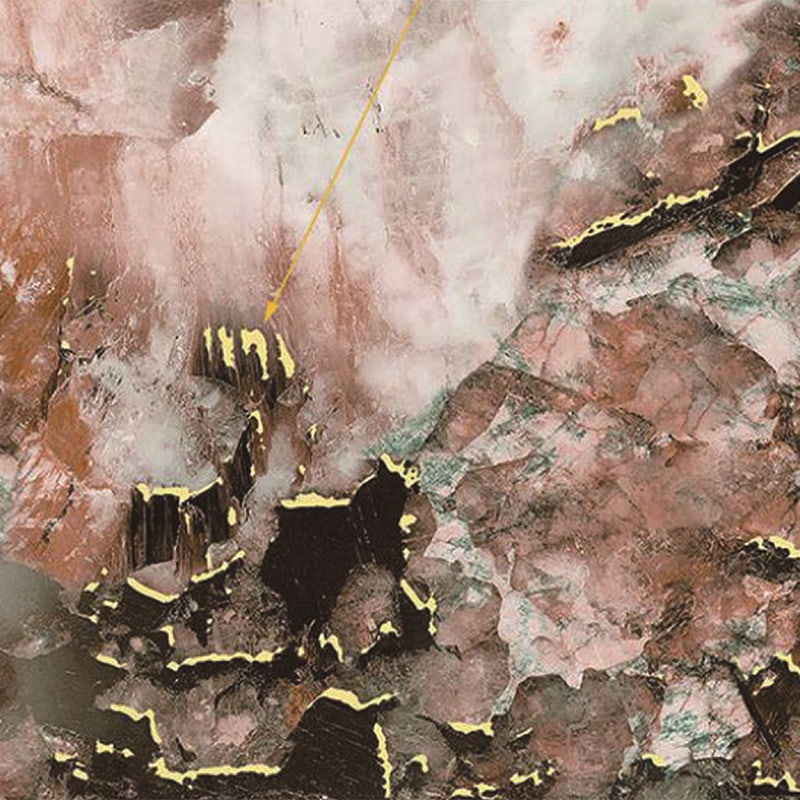
| Marble and Stone Effects | Realistic texture and coloring | Luxury interiors, accent walls |
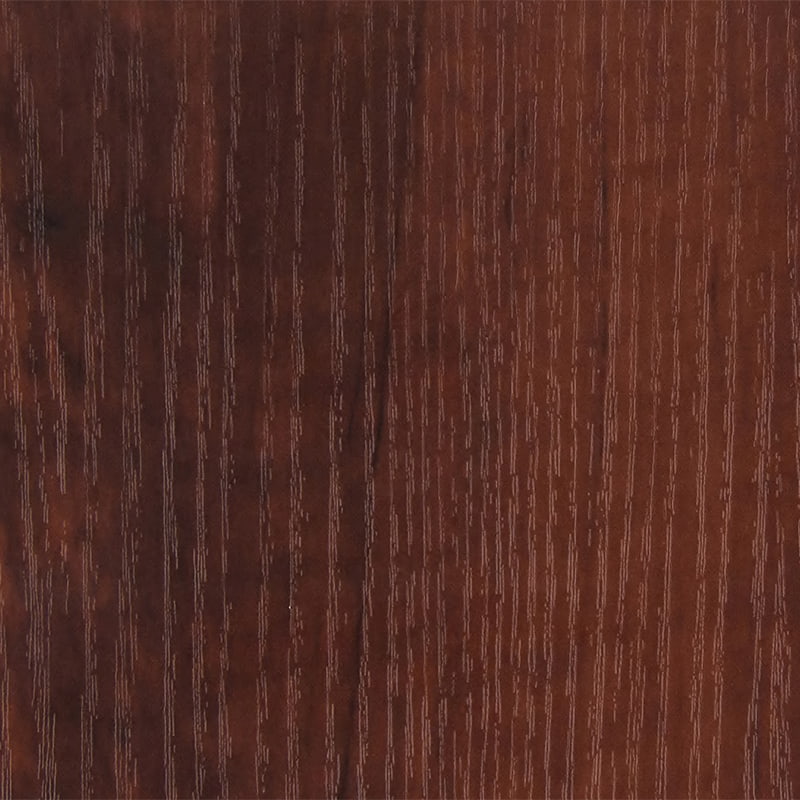
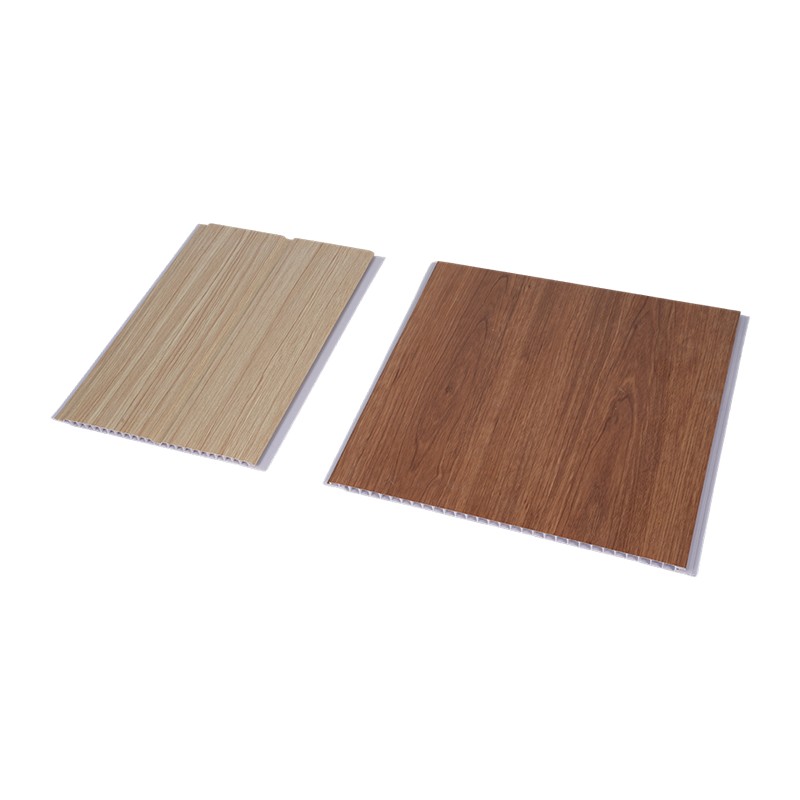
| Wood Finishes | Natural wood appearance variations | Residential, rustic designs |
| Solid Colors | Wide spectrum of matte and glossy options | Modern commercial, minimalist design |
| Geometric Patterns | Contemporary and artistic designs | Creative spaces, feature walls |
| Textured Surfaces | 3D effects and tactile finishes | Retail, hospitality, experiential design |
Room Transformation Potential
PVC decorative film allows property owners to completely transform damaged walls without the cost of structural renovation. A wall showing signs of water damage, stains, or deterioration can be transformed into an elegant, modern feature through thoughtful design selection. This transformation capability makes PVC film particularly valuable for rental properties, commercial spaces, and buildings requiring rapid aesthetic upgrades.
Comparing Wall Repair Methods
The comparison clearly demonstrates that PVC decorative film offers a balanced solution between cost, durability, and aesthetic appeal. While traditional repair methods provide permanent structural solutions for severe damage, PVC film excels at transforming the appearance of damaged surfaces efficiently and cost-effectively.
Practical Applications for Damaged Walls
Residential Applications
In residential settings, PVC decorative film proves particularly valuable for:
Covering water-damaged walls in bathrooms and kitchens
Hiding stains and discoloration in bedrooms and living areas
Repairing impact damage from furniture or accidents
Updating outdated wall finishes during renovation projects
Creating accent walls that conceal underlying damage
Commercial and Hospitality Settings
Commercial properties benefit from PVC film's rapid installation and professional appearance:
Hotels and resorts requiring quick aesthetic updates
Retail environments needing frequent design changes
Office buildings with traffic-related wall damage
Healthcare facilities requiring hygienic, cleanable surfaces
Restaurants and cafes seeking distinctive interior branding
Industrial and Institutional Use
Educational institutions, warehouses, and industrial facilities utilize PVC film for:
Protecting walls from frequent impact and wear
Creating durable, easy-to-clean surfaces
Maintaining professional appearance in high-traffic areas
Rapid restoration of damaged surfaces
Selecting Appropriate PVC Film for Damaged Walls
Assessing Wall Damage Severity
Before selecting PVC decorative film, evaluate the extent of wall damage:
| Damage Level | Description | Film Suitability |
|---|---|---|
| Minor | Surface stains, minor scratches, fading | Highly Suitable |
| Moderate | Visible cracks, water marks, localized damage | Suitable |
| Severe | Deep cracks, structural issues, extensive damage | With Preparation |
Film Thickness and Durability Grade
PVC films are available in varying thicknesses, typically ranging from 0.15mm to 0.5mm. Thicker films provide better coverage for visible damage and greater durability. For walls with significant damage history, opting for thicker films ensures better concealment and extended lifespan.
Surface Finish Selection
The finish type significantly impacts both appearance and functionality:
Matte finishes: Conceal imperfections effectively, reduce glare, suitable for damaged walls
Glossy finishes: Enhance color vibrancy, easier to clean, better for high-traffic areas
Textured finishes: Add depth and visual interest, mask minor surface irregularities
Satin finishes: Balance between matte and glossy, versatile for various applications
Maintenance and Long-Term Care
Regular Cleaning Protocols
Maintaining PVC decorative film requires minimal effort compared to traditional painted walls:
Dust surfaces regularly with soft, dry cloths
Clean with mild soap and water solution for routine maintenance
Use pH-neutral cleaners to avoid damaging the film surface
Avoid abrasive scrubbing that could damage the finish
Address spills and marks promptly to prevent permanent staining
Longevity and Durability Factors
The lifespan of PVC decorative film depends on several factors:
Installation quality and technique
Environmental exposure, particularly UV radiation and humidity
Frequency of cleaning and maintenance
Quality of the film material and construction
Room temperature stability and climate control
Repair and Replacement
Should the film become damaged during its service life, localized repairs or section replacement is possible, avoiding the need to completely reapply the entire wall surface. This modularity represents another significant advantage over traditional wall repair methods.
Environmental and Health Considerations
Material Safety and Compliance
Modern PVC decorative films are manufactured to meet stringent safety and environmental standards. Quality films are produced without harmful plasticizers and comply with international health and safety regulations. This ensures that the materials are safe for residential, commercial, and institutional applications.
Sustainability Aspects
PVC films offer environmental advantages in the context of wall repair:
Reduces waste from complete wall renovation or restoration
Extends the life of existing wall structures
Minimizes energy consumption compared to extensive repair work
Many films are recyclable at end-of-life
Improves building energy efficiency through better insulation properties
Indoor Air Quality
Reputable PVC decorative films have minimal impact on indoor air quality. The films are non-toxic when properly installed and do not emit harmful volatile organic compounds (VOCs) in significant quantities. This makes them suitable for spaces where air quality is critical, such as healthcare facilities and educational institutions.
Frequently Asked Questions
Q1: Will PVC decorative film adhere to walls with active moisture problems?
No. PVC film works best on dry surfaces. Walls with ongoing moisture issues must be addressed first through waterproofing or moisture remediation. Once the moisture problem is resolved and the wall is completely dry, the film can be applied successfully.
Q2: Can PVC decorative film be applied over existing paint?
Yes, but the existing paint must be in good condition, clean, and well-adhered to the wall. Loose or peeling paint should be removed before application. A primer may be recommended depending on the paint type and wall condition.
Q4: How long does installation typically take?
For an average room, installation generally takes 2-5 days, depending on wall size, damage extent, and surface preparation requirements. This is significantly faster than traditional repair methods that may require several weeks.
Q4: Is PVC decorative film suitable for kitchens and bathrooms?
Yes, PVC film is excellent for wet areas. Its moisture resistance and chemical durability make it ideal for kitchens and bathrooms. The film prevents damage from water splashes and humidity while maintaining its appearance.
Q5: What is the cost difference between PVC film and traditional repair methods?
While material costs may be similar, the total cost of PVC film installation is typically 30-50% lower than traditional repair when considering labor, time, and preparation expenses. The cost-benefit improves significantly over the film's lifespan.
Q6: Can PVC decorative film be removed without damaging the wall?
Quality installation allows for removal without significant wall damage, though some surface preparation may be needed afterward. This reversibility makes PVC film ideal for rental properties and temporary applications.
Q7: Are there limitations on wall shapes or conditions for film application?
PVC decorative film works on most wall types and shapes. Heavily curved surfaces may present challenges, but most residential and commercial walls are compatible. Consultation with installation professionals can address specific situations.
Q8: How does PVC film perform in high-traffic commercial environments?
PVC decorative film demonstrates excellent durability in commercial settings. Its resistance to impact, abrasion, and staining makes it particularly suitable for high-traffic areas. Proper film selection for commercial use ensures performance over extended periods.
Conclusion: Making Damaged Walls Beautiful Again
PVC decorative film represents a modern, practical solution for transforming damaged walls into attractive, durable surfaces. Whether addressing minor cosmetic damage or covering more extensive wall deterioration, PVC decorative film provides homeowners and commercial property managers with a cost-effective, efficient alternative to traditional repair methods.
The combination of rapid installation, extensive design options, superior durability, and minimal maintenance makes PVC film an increasingly popular choice for wall restoration projects. By selecting appropriate materials and ensuring proper installation, property owners can achieve professional results that enhance interior spaces while extending the functional life of their walls.
The decision to use PVC decorative film for damaged walls ultimately depends on the specific damage assessment, design preferences, and long-term maintenance considerations. However, for most applications where wall damage requires aesthetic correction and protection, PVC film offers compelling advantages that warrant serious consideration.