EN
EN English
  русский
  Español
  عربى
عربى 
Choosing the correct decorative PVC film can make or break your furniture and interior surface projects. With countless specifications, surface finishes, and suppliers to evaluate, making the wrong decision often leads to poor adhesion, visible color variation, or premature wear. This guide walks you through thickness options, surface treatments, performance standards, and critical supplier evaluation criteria so you can make confident purchasing decisions that align with your project requirements and budget.
What Is Decorative PVC Film and Why It Matters for Your Projects
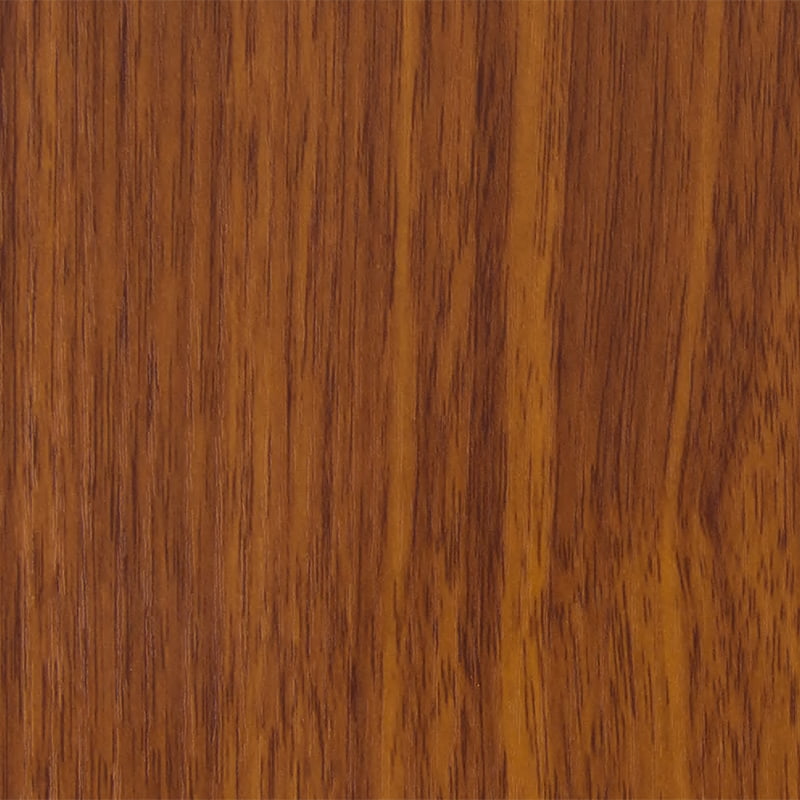
Decorative PVC film is a high-performance finishing material engineered through calendering, lamination, and printing processes to create a protective and aesthetic surface layer. Built on a PVC base, these films deliver water resistance, scratch durability, and wear protection while faithfully replicating wood grain, stone texture, fabric weave, and solid colors.
For furniture manufacturers, cabinet makers, and interior designers, the right film choice determines longevity, visual appeal, and customer satisfaction. A 0.15mm film with matte finish performs differently than a 0.30mm embossed variant—each suited to different substrates and end-use environments. Understanding these distinctions prevents costly rejections and rework.
Key Value Proposition: Decorative PVC films provide waterproof protection, resist scratches and abrasion, withstand UV exposure, and accommodate customization through printing and embossing—all while maintaining a cost-effective profile compared to natural veneers.
Key Specifications You Need to Know Before Ordering
Before submitting a purchase order, clarify these core specifications with your supplier. Vagueness here leads to shipment rejections and project delays.
Thickness Options: 0.08mm to 0.45mm and Beyond
Film thickness directly impacts durability, flexibility, and cost. Thinner films are lighter and easier to apply but sacrifice abrasion resistance. Thicker films enhance protection but reduce conformability on curved surfaces.
0.08–0.12mm: Lightweight films for flat panels, high-speed roll-fed application, minimal cost. Suitable for interior wall cladding with low traffic.
0.15–0.20mm: Industry standard for furniture and cabinet fronts. Balanced protection and workability for most MDF and particleboard applications.
0.25–0.30mm: Heavy-duty options for kitchen countertops, counters with frequent contact, and commercial installations. Enhanced scratch and impact resistance.
0.35–0.45mm: Premium engineering for high-traffic floors, outdoor-rated installations, and specialized profiles. Exceeds standard furniture specifications.
When specifying thickness, reference your substrate material and end-use environment. A cabinet door in a residential kitchen typically needs 0.15–0.20mm, while a commercial restaurant counter demands 0.30mm or heavier.
Surface Finishes: Matte, Embossed, High Gloss, and Soft Touch
Surface finish affects both aesthetics and tactile experience. Each finish carries different adhesion, cleaning, and maintenance profiles.
| Finish Type | Visual Appearance | Best For | Maintenance |
|---|---|---|---|
| Matte | Non-reflective, soft appearance | Contemporary interiors, office partitions | Fingerprint-resistant, easy clean |
| Embossed | Textured surface mimicking wood or stone | Furniture, realistic wood grain simulation | Requires gentle cleaning to preserve texture |
| High Gloss | Reflective, premium shine | Modern kitchens, statement walls | Fingerprints visible, frequent wiping needed |
| Soft Touch | Velvety feel, low-gloss appearance | Premium furniture, luxury interiors | Requires specialized touch-up if scratched |
Soft touch and embossed finishes command price premiums but deliver superior tactile experience and aesthetic differentiation. High-gloss films are economical but demand rigorous adhesion control to prevent edge lifting and bubbling.
Width and Roll Length Considerations
Standard roll widths range from 0.6m to 1.5m, with specialty widths available up to 2.5m for large panel applications. Roll length typically spans 50m to 500m depending on your production volume and storage capacity.
1.0m width: Universal size for flat panel lamination, widely stocked by suppliers.
1.35m width: Common for cabinet door and module production, reduces edge waste.
Custom widths: Available for specialty applications but require minimum order commitments.
When ordering, account for edge trim loss (typically 15–25mm per edge) in your width calculation. A 1.0m roll may yield only 0.95m of usable material after perforation and trimming.
Common Applications and How to Match Film to Substrate
Matching the right film to your substrate and end-use environment prevents adhesion failure and premature wear. Below are the most common applications with substrate-specific recommendations.
Furniture and Cabinet Surfaces
MDF and particleboard dominate residential and commercial furniture manufacturing. These substrates have low moisture absorption and smooth surfaces ideal for film lamination.
Substrate Profile: MDF density ranges from 500–900 kg/m³, with particleboard typically lower. Surface porosity is moderate, allowing good adhesive penetration.
Film Selection: Use 0.15–0.25mm thickness with matte or embossed finish. Adhesive strength must exceed 3.5 N/cm to prevent edge peeling under moderate handling. Wood grain embossing adds authenticity; soft touch finishes enhance premium perception.
Application Method: Hot press lamination at 80–120°C with 3–8 bar pressure ensures complete surface adhesion. Pre-priming the substrate improves anchorage on low-density particleboard.
Interior Wall Panels and Partitions
Wall panels range from lightweight gypsum board to rigid composite substrates. Load and traffic are minimal, allowing thinner, more economical films.
Substrate Profile: Gypsum surfaces are smooth but slightly porous. Composite panels offer dense, stable bases. Both tolerate thinner films than furniture applications.
Film Selection: 0.08–0.15mm thickness suffices. Matte finishes reduce visual imperfections and reflections in office and hospitality settings. Acoustic-compatible options available for panel integration.
Application Method: Dry adhesive or pressure-sensitive backing works well. Lamination temperature can be lower (50–80°C) to avoid panel warping.
Doors, Profiles, and Edge Banding
Door frames and linear edge details demand film conformability and edge adhesion strength. Three-dimensional profiles present application challenges.
Substrate Profile: Solid wood, MDF, or plastic composites. Edges often have sharp radii or corners requiring flexible film.
Film Selection: 0.10–0.20mm thickness with thermal plasticity for edge wrapping. Adhesive must prioritize edge retention. Consider polyurethane or solvent-based adhesives for enhanced edge grip on curves and profiles.
Application Method: Roll-fed wrapping machines or manual application with heat gun assistance. Multiple passes ensure complete corner coverage without wrinkling.
Performance Standards and Certifications to Verify
Regulatory compliance varies by target market. Before purchasing bulk quantities, confirm your supplier holds certifications relevant to your end market.
Regional Compliance Specifics
European Union: REACH registration and RoHS 2 compliance mandatory. Suppliers must declare chemical composition and source documentation. EMAS (environmental management) certification preferred for premium positioning.
North America: FDA certification required for food-contact applications (uncommon for decorative film but may apply to countertop use). UL fire rating documentation essential for commercial or hospitality projects. California Prop 65 compliance verification recommended.
Asia-Pacific: Chinese GB/T standards govern domestic supply. ISO 14001 environmental certification increasingly required by major buyers. Factory audits (social compliance and safety) now standard for large orders.
Critical Action Item: Before placing a bulk order, request copies of all relevant certifications and test reports from your supplier. Cross-check expiration dates and compliance scope against your target market. A certificate valid in Europe may not cover North America use cases.
How to Evaluate a Decorative PVC Film Supplier
Supplier selection directly impacts material consistency, on-time delivery, and project success. Evaluate potential partners across multiple dimensions before committing to volume orders.
Sample and Swatch Stability
Request sample kits including at least five color variations and two finish options. Evaluate sample stability over four weeks—high-quality suppliers maintain color consistency; poor suppliers show fading or pigment separation.
What to Verify:
Color matching under different lighting (daylight, LED, fluorescent).
Surface texture uniformity across multiple rolls from the same batch.
Adhesive compatibility with your standard substrate (test on actual MDF or particleboard if possible).
Sample delivery timeline (expect 3–7 days for standard samples, 2–3 weeks for custom prints).
Color Batch Control and Delta E Tolerance
Color variation between shipments is the leading cause of buyer complaints. Professional suppliers specify Delta E (color difference) tolerance, typically 1.0–1.5 for premium products and 2.0–3.0 for standard lines.
What to Negotiate:
Confirm target Delta E tolerance in the purchase contract.
Request color reference samples retained for all future orders.
Establish rejection criteria—define acceptable versus unacceptable color shift.
Clarify restocking procedures if a batch exceeds tolerance.
Lead Time and Minimum Order Quantity (MOQ)
Standard lead times range from 10–14 days for stock items to 25–40 days for custom printing or embossing. Minimum order quantities typically start at 500 kg or equivalent roll count.
Negotiate Strategically:
Request lower MOQ for initial orders to test compatibility and quality.
Lock in lead times in writing to avoid unexpected delays.
Clarify whether MOQ applies per color or total order weight.
Ask about rush options and any associated premiums.
Customization Capabilities: Printing and Embossing
If standard offerings do not meet your design needs, verify the supplier's in-house printing and embossing capabilities.
Printing Options:
Flexographic printing for high-volume production.
Digital printing for short-run custom designs and prototyping.
Screen printing for geometric patterns and solid color overlays.
Embossing Specifications:
Confirm embossing pattern options (wood grain, stone, leather, custom).
Verify embossing depth (typically 0.05–0.2mm) and pattern repeat consistency.
Request embossing samples to assess tactile quality and visual impact.
Technical Support and Documentation
Top-tier suppliers provide application guides, adhesive compatibility matrices, and lamination parameter sheets. These resources accelerate your production ramp and reduce troubleshooting time.
Essential Documentation:
Technical data sheet specifying thickness tolerance, dimensional stability, and adhesion strength.
Application guide with temperature, pressure, and speed parameters for common substrates.
Safety data sheet (SDS) for adhesive and film materials.
Environmental compliance documentation (REACH, RoHS, etc.).
Responsive Communication and Problem Resolution
During initial conversations, assess response time and technical depth. Ask how the supplier would handle a color mismatch or shipment delay, and evaluate the proposed resolution process.
Red Flags to Avoid:
Supplier takes longer than 24 hours to respond to basic inquiries.
No clear escalation path for quality issues.
Unwilling to provide written specifications or certificates.
Reluctant to discuss MOQ flexibility or trial orders.
A Practical Five-Step Selection Framework
Streamline your evaluation process using this structured approach:
Define Your Requirements: Document substrate type, expected thickness, finish preference, color palette, and target market certifications.
Request Sample Kits: Order samples from at least three potential suppliers. Include at least two finishes and three color variants.
Conduct Adhesion and Durability Testing: Laminate samples onto your actual substrate using your standard parameters. Evaluate after 7 days, 14 days, and 30 days for edge peeling, bubbling, or color shift.
Verify Compliance Documentation: Collect certifications, test reports, and technical data sheets. Confirm applicability to your target market.
Negotiate Terms and Place Pilot Order: Agree on pricing, MOQ, lead time, color tolerance, and problem resolution. Start with a pilot order (if MOQ allows) before committing to volume.
Frequently Asked Questions About Decorative PVC Film
Q1: What is the difference between PVC film and PVC foil?
The terms are often used interchangeably in industry conversations. Technically, PVC foil refers to thinner, more flexible single-layer material typically under 0.10mm. Decorative PVC film encompasses a broader range including composite structures with backing layers and adhesive coatings. For practical sourcing purposes, both terms describe the same product category—confirm thickness and construction details with your supplier rather than relying on terminology alone.
Q2: Can decorative PVC film be applied over existing surfaces without removing prior coatings?
Laminating new PVC film over old paint or varnish is risky and not recommended. Old surface coatings often lack mechanical grip, leading to premature peeling or bubbling. For best results, prepare the substrate by sanding or chemically stripping old finishes, then cleaning thoroughly before film application. Professional installers budget 20–30% additional time for surface preparation—view this as essential, not optional.
Q3: What is the minimum order quantity (MOQ) for custom designs and printing?
Standard MOQ ranges from 500 kg to 1,000 kg depending on supplier scale and printing complexity. Digital printing for short-run custom orders may allow 200–300 kg minimums at a production premium. For high-volume flexographic printing, MOQ typically increases to 2,000–3,000 kg. Negotiate lower trial quantities (200–400 kg) with new suppliers to validate design and color before full-volume commitment.
Q4: How long does a typical lamination project take from order to installation?
Timeline components include: supplier lead time (10–40 days depending on complexity), shipping and receiving (5–14 days), substrate preparation (3–5 days), lamination production (5–10 days depending on volume and equipment), quality inspection (2–3 days), and packaging. Total end-to-end timeline typically ranges from 35–75 days. Communicate project deadline early so your supplier can allocate production capacity and plan accordingly.
Q5: What adhesive types are compatible with different PVC film grades?
Most decorative PVC films work with solvent-based polyurethane adhesives, water-based polyurethane adhesives, and hot-melt adhesives. Soft-touch and premium finishes may require solvent-based options for optimal edge adhesion. Request an adhesive compatibility matrix from your supplier—they should provide clear guidance on which adhesive formulations are recommended or prohibited for your specific film grade.
Q6: How do I request a price list or sample kit from a qualified supplier?
Contact suppliers directly through their website inquiry forms or sales email addresses. Provide the following information to expedite response: your company name and application industry, required film specifications (thickness, finish, colors), expected order volume and timeline, target market or region, and any regulatory certification requirements. Be specific about substrate type (MDF, particleboard, solid wood) and end-use environment (residential, commercial, kitchen, bathroom). Most reputable suppliers respond within 24 hours with sample availability and pricing structures tailored to your needs.
Final Recommendations: Key Takeaways for Smart Purchasing
Selecting the right decorative PVC film hinges on three critical factors:
Specification Alignment: Match film thickness to your substrate and end-use environment. 0.15–0.20mm suits most furniture; thicker grades serve high-traffic commercial zones.
Surface Finish Selection: Matte and embossed finishes dominate residential furniture; high gloss and soft touch command premiums in upscale projects. Test on actual substrates before bulk ordering.
Supplier Reliability: Verify certifications, request color-stability documentation, confirm lead times in writing, and negotiate reasonable MOQ reductions for initial trials. Communication responsiveness during the evaluation phase predicts future partnership quality.
Ready to source decorative PVC film for your next project? Use the five-step framework outlined above to systematically evaluate suppliers, then request samples and specification sheets tailored to your exact requirements. Quality starts with informed decision-making—invest time in the selection process upfront to prevent costly corrections later.