EN
EN English
  русский
  Español
  عربى
عربى 
Understanding PVC Decorative Film in Contemporary Design
The modern interior design landscape has witnessed a remarkable shift toward practical yet aesthetically versatile solutions. PVC decorative film has emerged as a game-changing material that bridges functionality and visual appeal, transforming spaces from kitchens and bathrooms to commercial environments with unprecedented ease. Unlike traditional decoration methods that demand significant time, expense, and expertise, this innovative solution delivers professional-quality results while maintaining remarkable durability.
What sets printed PVC decorative film apart is its multifaceted approach to interior enhancement. Property owners, designers, and commercial operators increasingly recognize that this material offers more than surface-level appeal—it provides genuine performance benefits that withstand daily demands while aging gracefully. The versatility extends across countless design aesthetics, from minimalist contemporary themes to bold patterned statements.
This comprehensive guide explores the technical advantages, practical maintenance protocols, genuine cost benefits, and emerging innovations surrounding PVC decorative film. Whether you're considering this material for a residential renovation or commercial installation, understanding its true capabilities ensures informed decisions that deliver lasting satisfaction.
What Defines PVC Decorative Film and Its Core Applications
Understanding the Material Composition
PVC decorative film represents a synthetic material engineered through polyvinyl chloride compounds, combined with adhesive backing systems and protective layers. This construction methodology creates a flexible sheet product that adheres directly to existing surfaces without requiring substrate replacement or extensive preparation work. The material thickness typically ranges from 0.1 to 0.5 millimeters, balancing flexibility with structural integrity.
The self-adhesive backing technology represents a significant advancement over earlier generations of decorative solutions. This feature eliminates the need for additional adhesives, reducing installation complexity and minimizing potential damage to underlying surfaces. The backing systems remain stable across temperature fluctuations while maintaining permanent bonding strength throughout the product's lifespan.
Primary Application Scenarios
Kitchen environments represent one of the most demanding application settings for decorative materials. PVC wall film excels in these spaces due to its exceptional moisture resistance, preventing degradation from steam, cooking vapors, and humidity fluctuations that compromise traditional wallpapers or paint finishes. The material's non-porous surface resists staining from food splatter and grease buildup.
Bathroom installations benefit equally from PVC film's hygroscopic resistance properties. Constant exposure to moisture, temperature variations, and direct water contact would destroy conventional finishes within months. PVC decorative film maintains structural integrity and visual appearance regardless of these harsh environmental conditions, making it the preferred choice for shower walls, vanity surrounds, and high-moisture zones.
Commercial spaces including retail environments, hospitality establishments, healthcare facilities, and office buildings leverage PVC decorative film's durability in high-traffic corridors and public areas. The material withstands frequent contact, furniture movement, and the wear patterns associated with intense daily use that would quickly degrade painted surfaces or traditional wall coverings.
Performance Advantages That Define PVC Decorative Film
Superior Abrasion Resistance and Extended Durability
The surface composition of PVC decorative film incorporates protective coatings that prevent degradation from friction, impact, and continuous contact. Independent laboratory testing demonstrates that quality PVC decorative film maintains visible surface integrity after extended abrasion testing protocols that exceed typical residential and commercial use patterns. This resilience translates to installations maintaining their original appearance for 10-15 years in standard applications, with proper maintenance extending this timeframe further.
High-traffic environments represent the ultimate durability test for any decorative material. Corridor walls in commercial buildings experience thousands of contact points weekly from foot traffic, furniture movement, equipment transport, and frequent surface contact. PVC film's molecular structure resists the microscopic wear patterns that create visible degradation in other materials. Property managers and facility operators report maintaining pristine wall conditions in these demanding environments when conventional finishes require reapplication every 3-5 years.
Waterproof and Moisture-Proof Performance Characteristics
The non-porous material structure of waterproof PVC film prevents moisture penetration at the molecular level. Unlike wallpaper or paint finishes that absorb water molecules and expand under moisture exposure, PVC film remains dimensionally stable regardless of humidity levels. This property becomes particularly valuable in geographic regions with seasonal humidity variations or facilities requiring frequent cleaning with water-based methods.
Kitchen applications showcase this advantage with particular clarity. Backsplash areas behind stovetops and cooking surfaces generate steam, cooking residue, and moisture conditions that destroy traditional wall finishes within 2-3 years. PVC decorative film maintains its structural integrity and adhesion indefinitely under these conditions. The material's surface allows simple water-based cleaning without risk of penetration or subsurface damage. Bathroom walls surrounding shower enclosures experience constant moisture exposure, direct water spray, and temperature cycling that would cause mold growth, peeling, and deterioration in conventional finishes. PVC film's impermeable nature eliminates these failure modes entirely.
Ease of Maintenance and Cleaning Protocols
The smooth, non-porous surface of PVC decorative film creates an ideal substrate for routine cleaning and maintenance. Unlike textured wallpapers or paint finishes that trap dust and require specialized cleaning techniques, PVC film can be cleaned with standard household methods. A soft microfiber cloth with neutral cleaning solution removes dust, fingerprints, and light soiling without risking surface damage or color fading.
Stubborn marks, scuffs, or accidental staining rarely presents significant challenges with PVC film. The material's smooth surface doesn't absorb liquid contaminants, allowing them to be wiped away before penetration occurs. Even permanent markers or adhesive residue can typically be removed through careful application of appropriate solvents without causing surface damage, a capability that distinguishes PVC film from traditional decorative alternatives.
Unlimited Design Expression Through Printed Options
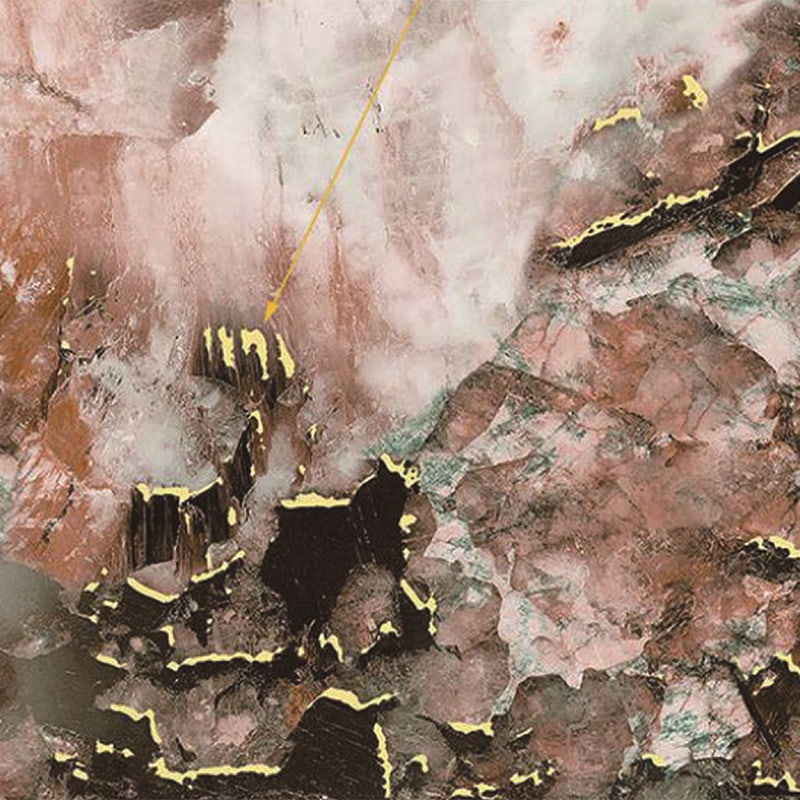
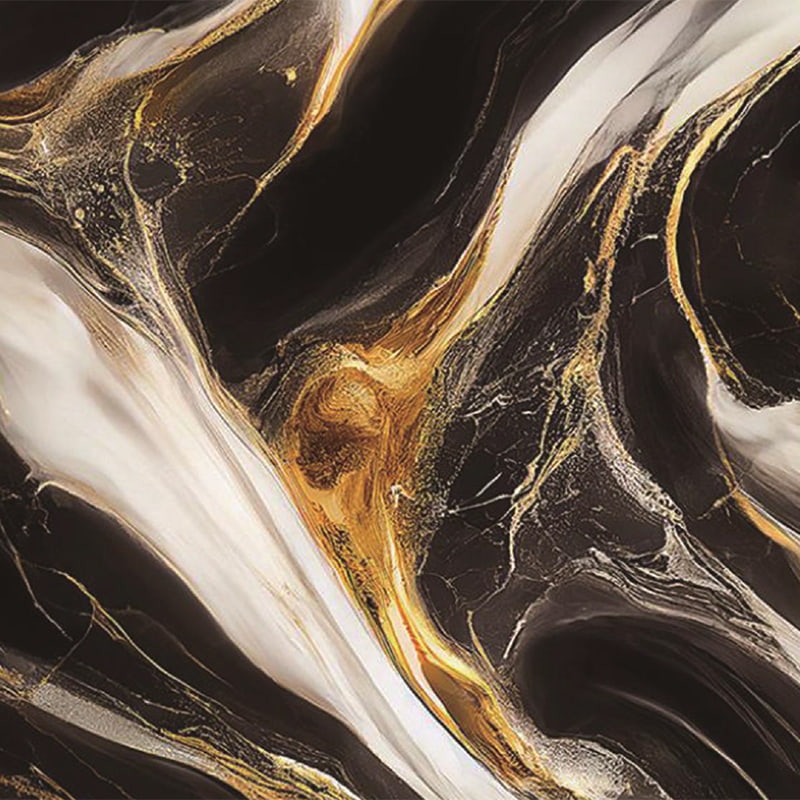
Modern printing technology enables virtually unlimited visual possibilities with PVC decorative film. Photographic imagery, intricate patterns, geometric designs, textured simulations, and custom artwork can be reproduced with exceptional clarity and color accuracy. This versatility eliminates the compromise between aesthetic preferences and practical performance characteristics that plague traditional decorative materials.
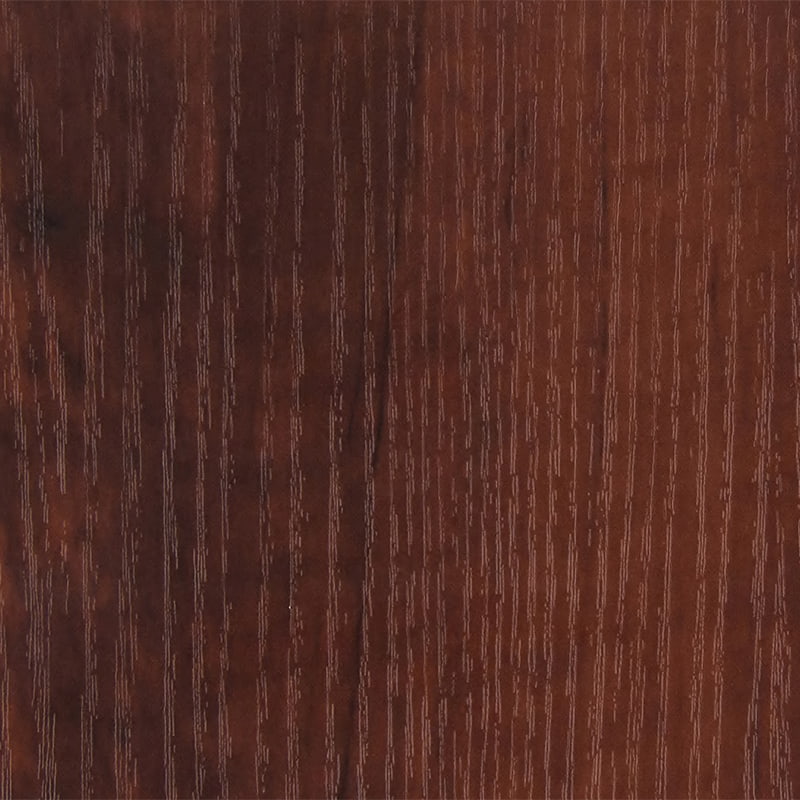
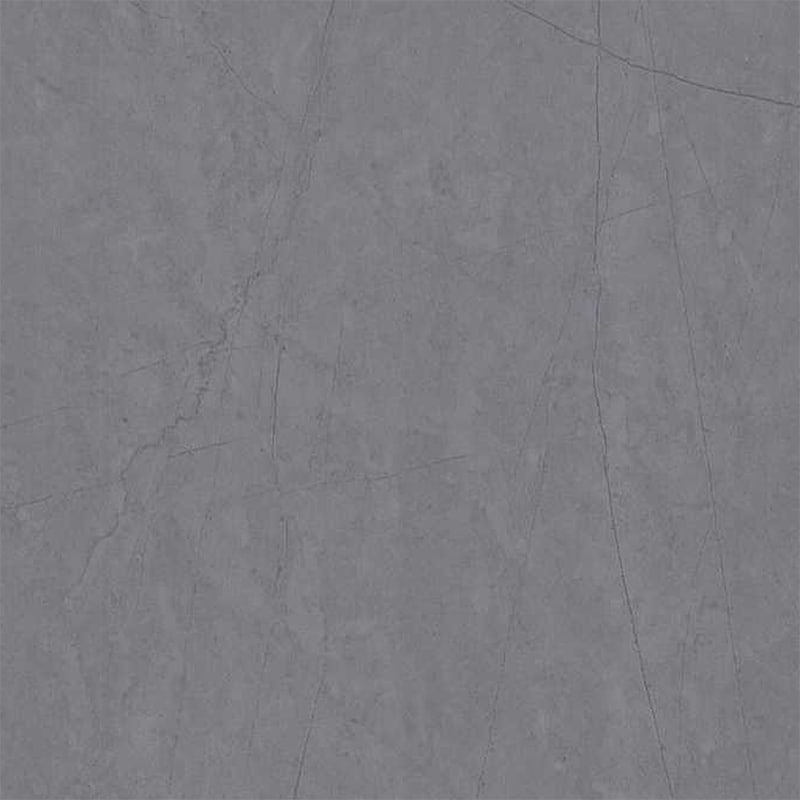
Homeowners and designers can select from contemporary minimalist designs, classic geometric patterns, wood grain simulations, stone textures, floral motifs, architectural elements, or completely custom artwork. The printing resolution captures fine details and subtle color gradations that enhance visual sophistication. Color consistency remains stable throughout the product's lifespan, with UV-resistant inks preventing fading from sunlight exposure—a critical advantage in spaces with extensive window exposure.
Comprehensive Maintenance Protocols for PVC Decorative Film
Regular Cleaning Best Practices
Establishing consistent cleaning routines preserves the appearance and functionality of PVC decorative film throughout its lifespan. Dust accumulation represents the most common surface contaminant in normal residential and commercial environments. Weekly dusting with a soft microfiber cloth removes particles without risk of surface scratching or damage. Microfiber material's structure captures dust particles rather than pushing them across the surface, preventing the fine scratches that accumulate with traditional cloths.
For deeper cleaning, neutral pH solutions prove most effective for PVC film maintenance. Prepare a mixture combining warm water with mild dish soap or dedicated fabric cleaner. This solution safely removes fingerprints, light soiling, and accumulated grime without compromising adhesion or degrading the film surface. Apply the solution to the cloth rather than directly onto the film to prevent excess moisture from reaching seams or edges where adhesion might be compromised.
Avoid harsh chemical cleaners including abrasive scouring compounds, acetone-based solvents, bleach solutions, or petroleum distillates. These substances can degrade protective coatings, discolor printed areas, or damage the underlying PVC structure. For stubborn stains or adhesive residue, test any cleaning solution on an inconspicuous area first before applying to visible surfaces.
Preventing Scratches and Maintaining Surface Integrity
While PVC decorative film demonstrates exceptional abrasion resistance, preventing deliberate or accidental scratching maintains appearance standards throughout the product's lifespan. Keep sharp objects, abrasive tools, and equipment that could potentially cause impact damage away from decorated surfaces. In commercial environments or spaces accessible to children or pets, consider protective measures for particularly vulnerable areas.
Furniture placement and movement requires thoughtful consideration to prevent corner impacts or edge scraping. Use protective pads under furniture legs to minimize direct contact with film surfaces. When repositioning fixtures or equipment, lift rather than drag across decorated areas. In retail or commercial settings, staff training regarding proper handling protocols around decorated walls prevents accidental damage that accumulates through repeated contact.
Temperature and Light Exposure Management
PVC decorative film exhibits excellent temperature stability across typical indoor climate ranges, typically -10 to 50 degrees Celsius without compromising structural integrity. However, extreme heat sources including direct radiant heat from fireplaces, heating vents positioned immediately adjacent to walls, or industrial heat sources can cause localized softening or adhesion degradation. Position the film at appropriate distances from significant heat sources when possible.
Light exposure, particularly intense direct sunlight, presents the primary environmental challenge for decorative materials. While UV-resistant inks used in quality printed PVC decorative film demonstrate excellent color stability, prolonged intense sun exposure can gradually fade certain colors. Minimize direct sunlight exposure through window treatments, strategic furniture placement, or architectural shading solutions. Spaces with extensive southern or western window exposure benefit from protective measures that preserve color vibrancy and visual appeal over extended timeframes.
Cost-Effectiveness and Economic Value Proposition
Material and Installation Cost Comparison
The initial material cost for PVC decorative film represents a fraction of alternative decorative solutions. Quality film typically costs between $10-30 per square meter depending on design complexity, printing technique, and material specifications. This pricing structure proves significantly more economical than solid wood paneling, natural stone veneers, ceramic tiles, or premium wallpapers that often exceed $50-100 per square meter before installation labor costs.
Installation expense amplifies these economic advantages substantially. Traditional materials including wood paneling, stone, or ceramic tile require specialized craftspeople, extensive surface preparation, substrate reinforcement, complex fastening systems, and extended labor hours. Professional installation costs frequently equal or exceed material expenses, sometimes reaching $50-150 per square meter for labor alone. PVC decorative film installation, by contrast, demands minimal surface preparation and can be completed by a single technician in a fraction of the time, reducing labor costs to $5-20 per square meter in many markets.
DIY Installation Viability and Accessibility
Unlike traditional materials requiring specialized expertise, PVC wall film installation proves accessible to individuals with moderate manual skills. The self-adhesive backing eliminates the need for messy glues, complex application techniques, or extended curing periods. Basic tools including a squeegee or card scraper, utility knife, and measuring tape represent the only equipment required. Homeowners and small business operators can realize significant cost savings through DIY installation, reducing total project expenses to material costs alone.
Installation guidance availability through manufacturer resources, online tutorials, and community forums provides accessible support for individuals undertaking their own projects. This democratization of installation capabilities distinguishes PVC film from traditional decorative solutions that virtually require professional expertise, making it an accessible option for budget-conscious property owners.
Long-Term Cost Analysis and Lifecycle Value
Evaluating true cost-effectiveness requires analyzing total lifecycle expenses rather than focusing exclusively on initial acquisition and installation costs. A quality PVC decorative film installation maintains appearance and functionality for 10-15 years with basic maintenance. This extended lifespan represents extraordinary value when compared to alternative materials requiring reapplication or replacement every 3-7 years.
Paint finishes typically require reapplication every 3-5 years in high-moisture or high-traffic environments, with each repainting cycle incurring material and labor costs. Standard wallpaper requires replacement every 5-7 years as adhesion deteriorates and moisture damage accumulates. Ceramic tile, while durable, often requires grout maintenance and occasional tile replacement due to cracking or chipping. Throughout a 20-year ownership period, these recurring expenses substantially exceed initial PVC film costs.
| Material Type | Initial Cost (per m2) | Lifespan | 20-Year Total Cost |
|---|---|---|---|
| PVC Film | $15-35 | 10-15 years | $35-60 |
| Paint | $8-15 | 3-5 years | $50-80 |
| Wallpaper | $15-40 | 5-7 years | $60-100 |
| Ceramic Tile | $40-80 | 15-20 years | $55-120 |
The economic advantage becomes even more pronounced when considering labor costs, environmental impact of repeated material replacement, and disruption associated with renovation projects.
Comparative Analysis: PVC Film Versus Alternative Materials
PVC Film Versus Traditional Wallpaper
Traditional wallpaper represents the most common comparison point when evaluating PVC decorative film. While wallpaper offers aesthetic variety and lower initial material costs, it demonstrates significant performance limitations in demanding environments. Wallpaper absorbs moisture readily, leading to edge lifting, seam separation, and pattern distortion in humid spaces. Mold and mildew growth occurs readily on organic wallpaper materials, particularly in bathrooms, kitchens, and poorly ventilated areas.
PVC film's non-porous structure eliminates moisture absorption entirely, preventing degradation patterns that plague wallpaper installations. The superior abrasion resistance of PVC film versus delicate wallpaper surfaces means it withstands contact and friction that would immediately damage traditional paper products. Adhesion stability remains superior throughout the product's lifespan, with PVC film maintaining secure bonding for 10-15 years compared to wallpaper's 5-7 year typical lifespan before edge lifting and adhesion failure occur.
PVC Film Versus Natural Wood Paneling
Wood paneling creates authentic aesthetic appeal through natural grain patterns and warm material characteristics. However, wood's organic nature introduces inherent maintenance challenges and environmental sensitivities. Wood absorbs moisture readily, leading to warping, checking, swelling, and shrinkage as humidity levels fluctuate seasonally. This dimensional instability compromises joint integrity and creates gaps that collect debris and harbor pests.
The cost structure for wood paneling dramatically exceeds PVC film expenses. Quality wood materials combined with professional installation typically range from $80-200 per square meter, representing 5-10 times the cost of PVC film installation. Ongoing maintenance including staining, sealing, sanding, and refinishing creates recurring expenses throughout the product's lifespan. Wood also introduces significant environmental considerations regarding forest resource management and sustainable sourcing.
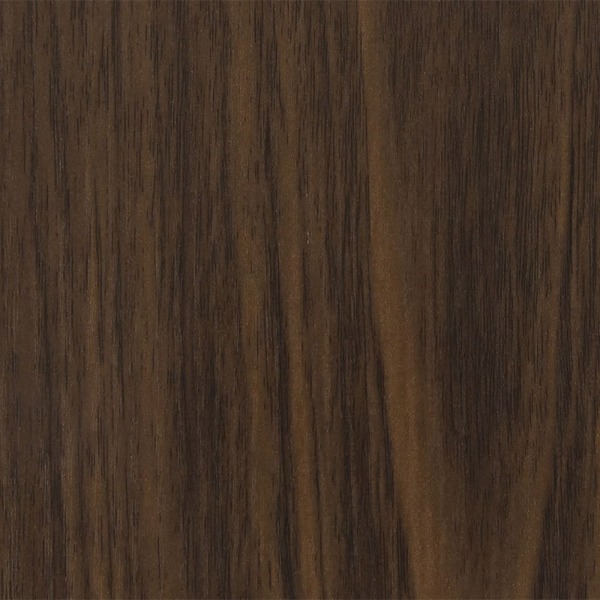
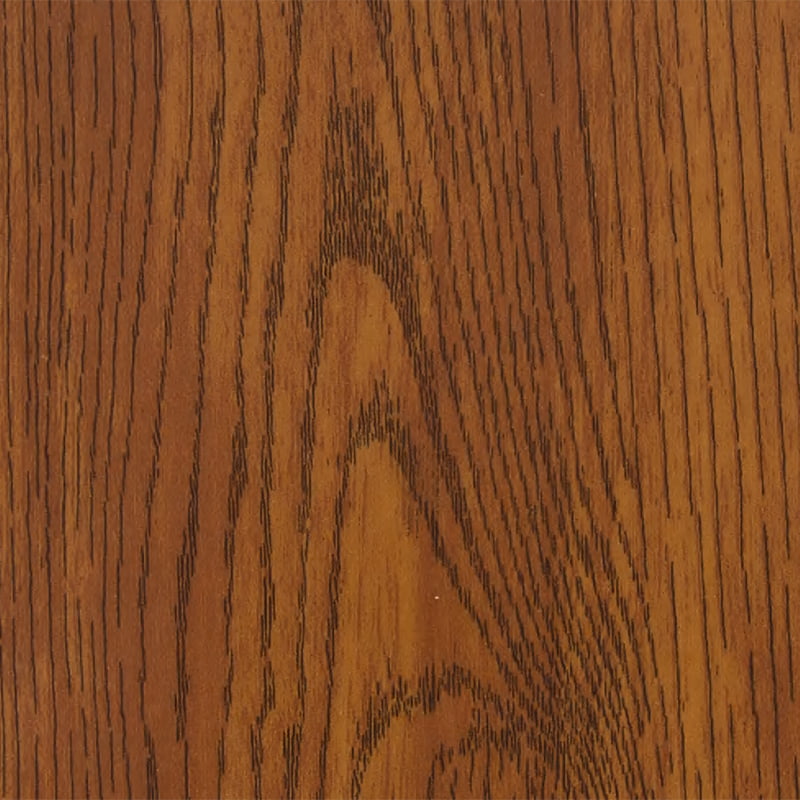
PVC film provides photographic wood grain appearances indistinguishable to casual observation, delivering authentic aesthetic appeal without the associated maintenance burdens, dimensional instability, and environmental concerns of natural wood.
PVC Film Versus Stone Veneers and Tile
Stone veneers and ceramic tiles deliver exceptional durability and moisture resistance, genuinely superior to PVC film in extreme conditions. However, these materials introduce significant practical and economic limitations. Installation requires professional expertise, substrate reinforcement, and extended labor periods. Grout maintenance becomes necessary with tile installations, as grout lines accumulate dirt, harbor mold, and require periodic cleaning and resealing. Stone materials present extremely high cost structures, typically $60-150 per square meter for materials alone, with installation expenses often exceeding material costs.
Weight considerations make stone and tile challenging for renovating existing structures without structural reinforcement. These materials prove impractical for applications where weight-loading constraints exist. The rigid nature of stone and tile prohibits use on curved surfaces or architecturally complex wall geometries where PVC film's flexibility enables seamless coverage.
For the majority of residential and commercial applications, PVC film's combination of durability, aesthetic flexibility, cost-effectiveness, and ease of installation outweighs the specialized advantages that stone or tile provide in specific high-performance situations.
Optimized Applications Across Diverse Environments
Kitchen and Bathroom Installations
Kitchen environments present ideal conditions for PVC decorative film's capabilities. Backsplash areas behind cooking surfaces, stovetop walls, and preparation zones experience constant moisture, steam, and temperature fluctuation that degrade traditional finishes rapidly. PVC film for kitchen walls resists these environmental stressors while enabling design expressions that coordinate with appliances, cabinetry, and overall aesthetic vision. The easy-clean surface allows frequent sanitization necessary for food preparation areas without risk of damage or degradation.
Bathroom applications capitalize on PVC film's exceptional moisture management. Shower surrounds, walls adjacent to soaking tubs, and vanity areas experience constant exposure to water spray, humidity, and temperature cycling. Traditional wallpapers deteriorate within months under these conditions, with paint finishes peeling and discoloring from persistent moisture exposure. PVC decorative film maintains pristine appearance indefinitely while preventing mold and mildew growth that compromises health and aesthetics.
Homeowners appreciate the design flexibility enabling bathroom environments that shift from utilitarian functionality to sophisticated personal sanctuaries. Custom patterns, stone simulations, and artistic imagery transform bathroom spaces from basic utility areas into welcoming retreats.
Commercial and High-Traffic Environments
Commercial applications place extraordinary demands on wall coverings through constant contact, furniture movement, equipment transport, and environmental variations. Retail environments, hospitality establishments, healthcare facilities, corporate offices, and educational institutions all benefit from PVC film for high-traffic areas. The material maintains appearance through millions of contact points annually without visible degradation, reducing maintenance burdens and replacement costs compared to alternative materials requiring periodic refreshing.
Hospitality applications including hotels, restaurants, and entertainment venues leverage PVC film's aesthetic flexibility to create distinctive brand environments while benefiting from durability in guest-contact areas. Healthcare facilities appreciate the antimicrobial properties of certain PVC formulations and the easy disinfection protocols compatible with institutional sanitation requirements.
Residential and Personal Space Customization
Home offices, bedrooms, living spaces, and family rooms benefit from PVC film for home decoration capabilities that would be cost-prohibitive with other materials. Geometric patterns, nature imagery, architectural elements, and custom artwork enable personalization that reflects individual aesthetic preferences and lifestyle choices. The ease of installation and removal makes PVC film ideal for rental situations where tenants wish to improve their living spaces without permanent modifications.
Educational environments including classrooms and study centers utilize PVC film to create inspiring learning spaces with custom imagery supporting educational objectives. Libraries, museums, and cultural institutions employ PVC film to create immersive environments that enhance visitor experiences.
Industry Evolution and Emerging Innovations in PVC Decorative Film
Sustainability and Environmental Responsibility
The decorative materials industry increasingly emphasizes environmental considerations, and PVC film manufacturers respond to these evolving priorities. Modern eco-friendly PVC decorative film formulations incorporate recycled content, reducing virgin material consumption while maintaining performance characteristics. Manufacturing processes employ closed-loop systems minimizing waste and emissions compared to earlier generations.
Non-toxic PVC formulations eliminate phthalates and other chemical compounds raising health concerns in sensitive populations. These innovations ensure indoor air quality compatibility while delivering full performance benefits. Extended product lifespan—10-15 years without replacement—dramatically reduces environmental impact compared to materials requiring replacement every 3-5 years, as fewer total material units require production and disposal throughout equivalent timeframes.
Recyclability programs emerging in developed markets enable recovery and reprocessing of PVC film at end-of-life, creating circular economy pathways that reduce landfill impact. These developments position PVC film as an environmentally conscious choice when evaluated across complete lifecycle perspectives.
Technology Integration and Smart Surfaces
Emerging research explores integration of functional technologies within decorative PVC film structures. Antimicrobial additives provide enhanced surface sanitation properties valuable in healthcare and food preparation environments. Temperature-responsive materials enable color-shifting effects or aesthetic changes based on environmental conditions, expanding artistic possibilities beyond traditional static patterns.
Self-cleaning film formulations leverage nanotechnology to reduce maintenance requirements and extend product lifespan further. These innovations remain primarily in developmental phases but signal industry direction toward enhanced functionality beyond traditional decorative purposes.
Customization and Personalization Capabilities
Digital printing technologies enable unprecedented customization possibilities for discerning consumers and commercial operators. Customized PVC decorative film printing allows reproduction of personal photographs, artwork, architectural renderings, or branded imagery at commercial scales previously requiring prohibitive minimum orders.
Small batch production capabilities have eliminated traditional economies-of-scale requirements, enabling individual customers to commission unique designs for residential applications. Commercial operators utilize customization for brand consistency across multiple locations or seasonal aesthetic variations without requiring complete material replacement.
Selection Guidance for Choosing Optimal PVC Decorative Film
Environment and Application Requirements
Successful PVC film selection begins with honest assessment of intended application conditions. High-moisture environments including bathrooms, kitchens, and swimming pool surrounds require formulations specifically rated for sustained moisture exposure. Harsh commercial environments with intense foot traffic demand reinforced surface coatings providing enhanced abrasion resistance. Temperature-variable environments require confirmation of material performance across the anticipated range.
Light exposure patterns influence design selections, particularly for color-sensitive imagery. Extensive direct sunlight exposure benefits from UV-resistant ink formulations and color options demonstrating superior light-fade stability. Textured or non-glossy finishes prove preferable in high-glare environments where reflective surfaces create visual discomfort.
Aesthetic and Design Considerations
Successful installations begin with clear visual direction aligned to existing or planned interior aesthetics. Contemporary minimalist environments benefit from geometric patterns, subtle textures, or solid colors with clean design language. Traditional and transitional spaces accommodate wood grain simulations, classic patterns, or architectural element imagery. Bold, artistic environments embrace expressive imagery, vibrant color combinations, or custom artwork reflecting personal style preferences.
Physical samples prove invaluable in design selection, as digital representations cannot perfectly capture color accuracy, texture depth, or pattern scale proportions. Viewing samples in actual installation environments under intended lighting conditions ensures color and pattern selections coordinate effectively with existing furnishings and architectural elements.
Budget Constraints and Cost Optimization
Establishing realistic budgets accounting for material and installation expenses enables strategic purchasing decisions. Economy options provide satisfactory performance at minimal cost for applications tolerating straightforward solid colors or basic patterns. Mid-range selections offer superior print quality, enhanced durability, and specialized performance coatings within moderate budget parameters. Premium options justify higher investment through exceptional print resolution, advanced functionality, or extensive customization capabilities.
Calculating total cost of ownership across anticipated product lifespan provides clearer value assessment than focusing exclusively on initial material expenses. The economic advantage of PVC film becomes particularly pronounced when amortizing expenses across 10-15 year lifespans versus competing materials requiring replacement every 3-7 years.
Frequently Asked Questions About PVC Decorative Film
Q1: What is the typical lifespan of PVC decorative film?
Quality PVC decorative film typically maintains appearance and functionality for 10-15 years in standard residential and commercial applications with basic maintenance. This extended lifespan significantly exceeds alternative materials like paint (3-5 years), wallpaper (5-7 years), or uncoated materials. Environmental factors including moisture exposure, light intensity, temperature extremes, and maintenance protocols influence actual durability. Products installed in controlled indoor environments with proper care frequently exceed stated lifespans, while installations in particularly harsh conditions may require earlier replacement.
Q2: Is PVC decorative film completely waterproof?
Yes, PVC decorative film is completely waterproof at the material level due to its non-porous polyvinyl chloride structure. The film itself prevents water penetration entirely, making it suitable for bathrooms, kitchens, swimming pool surrounds, and other moisture-intensive environments. However, waterproofing effectiveness at installed edges and seams depends on proper application technique. Professional installation ensures adhesive bonding extends fully to edges, eliminating potential water intrusion pathways. Even with competent installation, standing water or sustained moisture at seams should be avoided through proper ventilation and maintenance protocols.
Q3: Can homeowners install PVC decorative film themselves?
Yes, homeowners with basic manual skills can successfully install PVC decorative film through DIY approaches. The self-adhesive backing eliminates complex adhesive application, and basic tools including a squeegee, utility knife, measuring tape, and level represent the only required equipment. Installation success depends on careful surface preparation including cleaning, drying, and minor repairs to wall imperfections. Online tutorials, manufacturer guidance, and community forums provide accessible support for individuals undertaking their own projects. For complex applications including curved surfaces, textured walls, or spaces requiring precise pattern alignment, professional installation may prove prudent despite additional labor costs.
Q4: How should I clean PVC decorative film properly?
Regular cleaning maintains appearance throughout the product's lifespan. Weekly dusting with soft microfiber cloths removes accumulated dust without risk of scratching. For deeper cleaning, apply a neutral pH solution combining warm water with mild dish soap to the cloth rather than directly onto the film. Wipe gently to remove fingerprints and light soiling. Avoid harsh chemical cleaners, abrasive scouring compounds, bleach solutions, or petroleum distillates that can degrade protective coatings or discolor printed areas. For stubborn marks, test any cleaning solution on inconspicuous areas before applying to visible surfaces. This simple maintenance protocol preserves appearance indefinitely without requiring specialized products or techniques.
Q5: Does PVC decorative film fade when exposed to sunlight?
Quality PVC decorative film incorporating UV-resistant inks demonstrates excellent color stability when exposed to normal indoor light levels. However, intense direct sunlight—particularly southern or western window exposure in hot climates—can gradually fade certain colors over extended periods. This fading occurs gradually over years rather than months and remains minimal with quality film products. If significant color preservation proves critical, window treatments including sheer curtains or blinds provide effective protection. Avoid positioning film installations immediately adjacent to large south-facing windows unless UV-resistant ink specifications confirm color stability in your climate conditions.
Q6: Is PVC decorative film eco-friendly and non-toxic?
Modern PVC decorative film formulations increasingly emphasize environmental responsibility through several mechanisms. Eco-friendly options incorporate recycled content, reducing virgin material consumption while maintaining performance. Non-toxic formulations eliminate phthalates and harmful chemical compounds, ensuring indoor air quality compatibility. Manufacturing processes employ closed-loop systems minimizing waste and emissions. Extended product lifespan—10-15 years without replacement—dramatically reduces environmental impact compared to materials requiring replacement every 3-5 years, as fewer total material units require production and disposal. Emerging recycling programs enable recovery at end-of-life, creating circular economy pathways. When evaluated across complete lifecycle perspectives, PVC film compares favorably to conventional alternative materials from environmental standpoints.
Q7: Can PVC decorative film be removed without damaging walls?
Quality PVC decorative film designed with removable adhesive formulations can be cleanly removed from most wall surfaces without causing damage. Proper removal technique involves gentle peeling at edges while applying heat using a heat gun to warm adhesive and reduce bonding resistance. The film should separate cleanly without leaving residue or tearing. Some adhesive residue may remain, which can be gently removed using rubber erasers or specialized adhesive removers. Walls with fresh paint or delicate finishes require extra caution, as aggressive removal can lift paint or damage surface coatings. Professional removal services prove worthwhile for valuable installations or difficult situations where careful technique minimizes wall damage.
Q8: What surfaces can PVC decorative film be applied to?
PVC decorative film adheres effectively to most common interior wall surfaces including painted drywall, plaster, concrete, vinyl surfaces, and sealed wood. Proper surface preparation remains critical for successful adhesion regardless of base material. Surfaces must be clean, dry, and free from loose material, dust, and grease. Existing paint should be firmly bonded and not flaking or peeling. Glossy surfaces benefit from light sanding to improve adhesion. Textured walls, wallpapered surfaces, and severely damaged areas may require surface preparation or replacement before film application. Testing adhesion on small inconspicuous areas confirms compatibility before proceeding with complete installation. Professional consultation proves valuable for unusual surfaces or complex installation situations.
Q9: How does PVC decorative film compare to vinyl wallcovering?
PVC decorative film and vinyl wallcovering share material similarities but differ significantly in construction, performance, and application methods. Vinyl wallcovering typically consists of polyvinyl chloride bonded to paper backing, requiring separate adhesive application during installation. PVC decorative film features self-adhesive backing, simplifying installation and eliminating adhesive application complexity. PVC film generally demonstrates superior durability and moisture resistance compared to vinyl wallcovering, particularly in humid environments where vinyl may separate at seams. Cost structures typically favor PVC film, offering superior performance at lower overall expense. Both materials offer extensive design options, though PVC film's digital printing capabilities increasingly provide design flexibility exceeding traditional vinyl wallcovering offerings.
Q10: Are there performance grades or quality standards for PVC decorative film?
Quality PVC decorative film products meet various performance specifications including durability ratings, moisture resistance certifications, and abrasion resistance testing protocols. Leading manufacturers conduct independent laboratory testing confirming product performance across multiple parameters. Certifications from recognized standards organizations indicate compliance with international specifications for material composition, adhesive performance, and durability characteristics. When selecting PVC decorative film, requesting documentation of performance testing, certifications, and durability specifications ensures material quality and appropriate suitability for intended applications. Professional suppliers typically provide detailed specification sheets clarifying performance characteristics, environmental certifications, and application guidelines enabling informed purchasing decisions.
Conclusion: The Strategic Advantage of PVC Decorative Film
PVC decorative film represents a transformative approach to interior decoration, combining exceptional performance characteristics with genuine economic advantages and unprecedented aesthetic flexibility. The material's fundamental properties—superior abrasion resistance, complete waterproofing, effortless maintenance, and unlimited design possibilities—address the practical challenges that limit traditional decorative solutions across residential, commercial, and specialized applications.
The economic case for PVC decorative film proves compelling when evaluated across complete lifecycle perspectives. Initial material and installation costs represent a fraction of competing alternatives, while extended product lifespan—10-15 years without requiring replacement—dramatically reduces total cost of ownership throughout equivalent timeframes. The democratization of installation through self-adhesive backing and minimal tool requirements enables cost-conscious property owners to achieve professional results without substantial labor expenses.
Environmental considerations increasingly influence material selection decisions, and modern printed PVC decorative film formulations address sustainability concerns through recycled content incorporation, non-toxic compositions, and end-of-life recyclability programs. These developments position PVC film as an environmentally responsible choice when evaluated against conventional alternatives requiring frequent replacement and associated resource consumption.
The remarkable diversity of applications—from practical kitchen and bathroom installations to sophisticated commercial environments and personalized residential spaces—demonstrates the material's versatility. Kitchens benefit from moisture resistance and easy-clean surfaces essential in food preparation areas. Bathrooms achieve mold-free environments with pristine aesthetics maintained indefinitely. Commercial spaces maintain appearance through intense high-traffic conditions that degrade traditional finishes rapidly. Residential applications enable personal expression through unlimited aesthetic possibilities at costs permitting frequent updates as preferences evolve.
Emerging innovations including eco-friendly formulations, advanced functionality integration, and unprecedented customization capabilities signal continued industry evolution toward enhanced performance and environmental responsibility. These developments position PVC decorative film at the forefront of practical, intelligent interior design solutions.
For property owners, designers, and commercial operators seeking durable, aesthetically flexible, economically efficient, and environmentally responsible decoration solutions, PVC decorative film delivers measurable advantages across multiple decision criteria. The material's proven performance across thousands of applications, combined with technological innovations and cost-effectiveness, establishes it as the superior choice for contemporary interior design challenges.