EN
EN English
  русский
  Español
  عربى
عربى 
Home renovation projects often come with high material costs, long installation times, and permanent changes that may not suit every homeowner’s evolving taste. In recent years, decorative PVC film has emerged as a versatile, cost-effective alternative to traditional surface materials. This self-adhesive, flexible sheet can mimic wood, stone, fabric, metal, or solid colors while offering easy application and removal. Whether refreshing a rental apartment or upgrading a family house, understanding the practical applications of decorative PVC film for interior spaces opens up creative possibilities without major construction work.
Revitalizing Kitchen Cabinets and Countertops
Kitchen renovations often represent the highest expense in a home makeover. Replacing cabinets or countertops requires professional labor, disposal of old materials, and weeks of disruption. Decorative PVC film offers a practical solution: refacing existing surfaces at a fraction of the time and cost.
Cabinet Door Makeovers
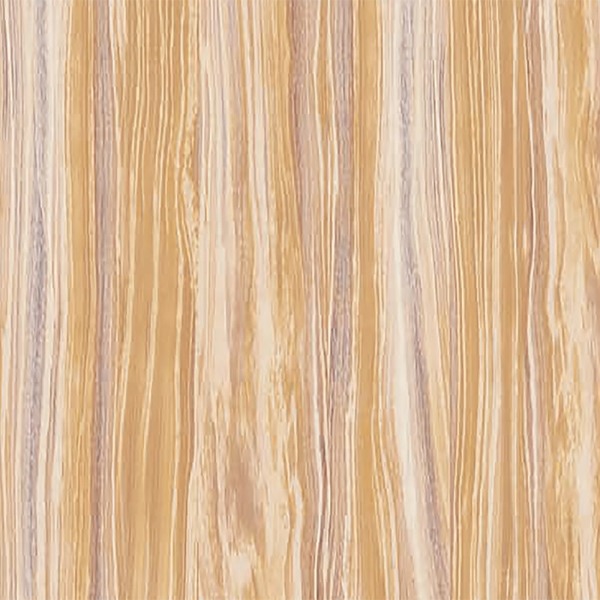
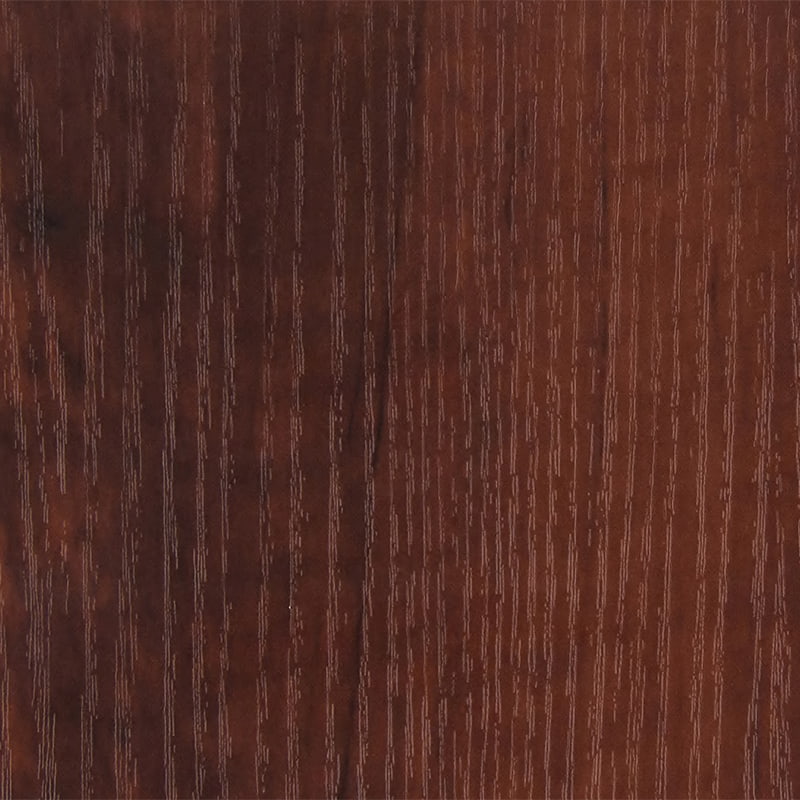
Old laminate or painted cabinet doors can look dated or show wear around handles. Applying decorative PVC film for interior cabinetry instantly updates the look. The film’s self-adhesive backing bonds firmly to smooth, clean surfaces. With a heat gun or hairdryer, the film stretches slightly to wrap around edges and corners, creating a seamless factory-finish appearance. Options range from high-gloss white for a modern minimalist kitchen to realistic oak or walnut grain for a traditional style. The film also resists grease splatters and moisture, making it suitable for areas near stoves and sinks.
Countertop Resurfacing
While not a replacement for solid stone, indoor decorative PVC film can refresh laminate or old tile countertops. Thicker films (often marketed as “countertop wraps”) have a protective overlay that withstands light cutting and spills. For best results, users apply the film in large sheets, smoothing out air bubbles with a squeegee. The finished surface becomes easy to clean—simply wipe with mild detergent. However, placing hot pans directly on the film should be avoided; using trivets preserves the material’s lifespan.
Integrated Backsplash
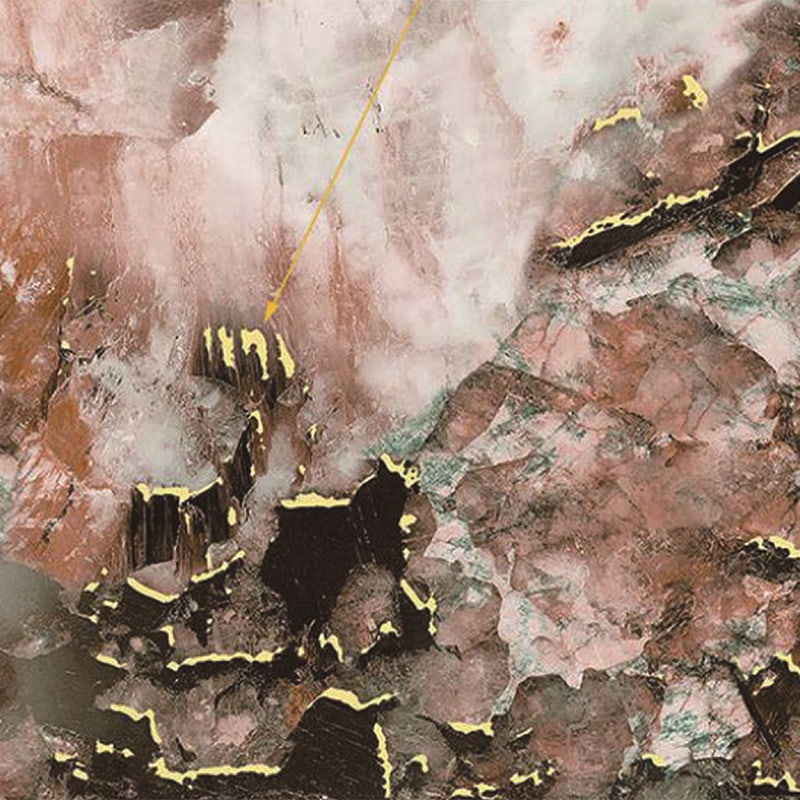
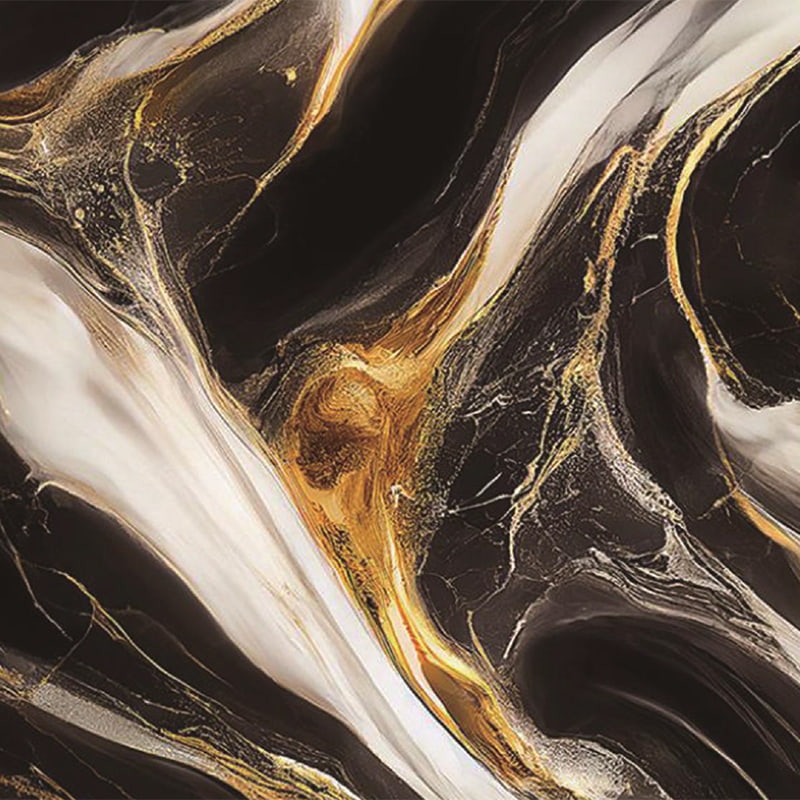
Matching a backsplash to new cabinet colors is seamless with decorative PVC film. A strip of film applied between upper and lower cabinets ties the kitchen together. Marble-effect or geometric pattern films add visual interest without the weight or cost of ceramic tiles. Since the film is non-porous, it does not absorb cooking oils or tomato sauce stains; a quick wipe removes residue.
Key advantage: Entire kitchen facelifts can be completed in a weekend with basic tools (utility knife, squeegee, heat gun). No demolition, no dust, and no need to empty cabinets for weeks.
Updating Furniture Pieces Without Painting or Stripping
Painting furniture requires sanding, priming, and multiple coats. Stripping old varnish is messy and time-consuming. Decorative PVC film provides a clean alternative: wrap any flat or gently curved surface to achieve a new color or pattern while protecting the original finish underneath.
Dressers and Nightstands
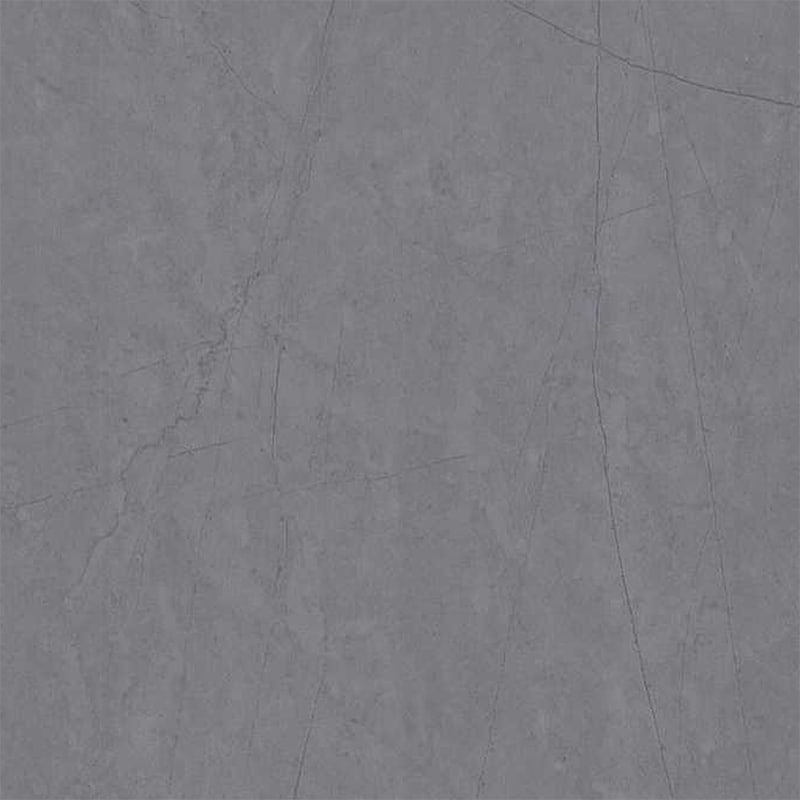
A tired wooden dresser becomes a statement piece with a bold pattern (e.g., slate grey with subtle lines) or a bright solid hue. Since decorative PVC film for interior furniture comes in rolls, it is possible to cover drawer fronts individually, creating contrasting or ombré effects. The film adheres strongly to sealed wood, MDF, or metal handles. For drawer pulls, cut an X over the screw hole, then push the screw through—the film will not tear if applied carefully.
Tabletops and Desks
Scratched, stained, or just boring tabletops benefit from a wrap. Choose a leather-texture film for an executive desk look, or a light oak grain to brighten a home office. Indoor decorative PVC film with a matte finish reduces glare from overhead lights. For round tables, cut the film slightly larger than the surface, apply from the center outward, then trim the edge with a sharp blade. The film’s slight stretch allows it to conform to shallow curves.
Shelving and Bookcases
Open shelving often collects dust and shows wear along edges. Cutting strips of decorative PVC film to line each shelf not only protects the underlying material but also introduces a consistent design language across a room. For instance, a living room with dark shelves and a white film insert creates a floating-effect display for books and collectibles.
Important note: For furniture that experiences heavy friction (e.g., dining chairs with upholstered seats), film is better suited to non-contact surfaces like chair backs or side panels. High-traffic seat tops may cause edge lifting over time.
Transforming Walls into Accent Features
Paint is the most common wall treatment, but it lacks texture and can be tedious to apply neatly. Wallpaper, while diverse, is difficult to remove and often damages drywall. Decorative PVC film bridges this gap: it offers the visual richness of wallpaper with the removability of a sticker. Moreover, it works on more than just flat drywall—tiles, glass, metal, and even some textured surfaces accept proper application.
Full Accent Walls
One wall in a living room, bedroom, or dining area can define the entire space’s mood. Large-format decorative PVC film for interior walls comes in widths up to 1220mm (48 inches), reducing seams. Brick-effect films give an industrial loft vibe without mortar dust. Faux concrete films suit modern Scandinavian interiors. For a luxury touch, marble-look films with subtle veining create a hotel-style bedroom headboard wall. Since the film is only 0.1–0.2 mm thick, it does not add bulk or require repositioning electrical outlet covers—simply cut around them.
Behind TVs and Desks
The area behind a television or computer monitor often goes unnoticed. However, applying a small panel of indoor decorative PVC film in a dark color or geometric pattern reduces visual clutter and hides cable shadows. For home offices, a chalkboard-effect film (usable with liquid chalk markers) turns a wall section into a note board or weekly planner.
Covering Tiles Without Demolition
Bathroom or kitchen tiles that are structurally sound but aesthetically outdated (e.g., pastel 1980s squares) can be covered with decorative PVC film specifically designed for wet areas. These films have enhanced adhesive and moisture barriers. They apply directly over clean, dry tiles. Grout lines remain visible underneath unless the film is thick enough; to hide grout, use a smooth squeegee to press the film into the grout grooves, creating a seamless look. The film also bridges small cracks, preventing water from seeping through.
Removability tip: Most indoor decorative PVC films use a pressure-sensitive adhesive that releases with heat. A hair dryer or heat gun on low setting softens the glue, allowing the film to peel off in one piece without residue—ideal for renters or indecisive decorators.
Refreshing Doors and Trim
Doors and trim are among the most touched surfaces in a home. They accumulate fingerprints, scuffs, and fading over time. Replacing interior doors or repainting all trims is labor-intensive. Decorative PVC film provides a rapid solution that also adds unique design elements.
Interior Door Wraps
A plain hollow-core door becomes a design asset with a single sheet of film. For a classic look, choose a vertical-grain wood pattern that mimics oak or mahogany. For a contemporary bedroom, a matte black film turns the door into a dramatic portal. Applying film to door panels requires working around raised moldings; this is where the heat-stretch property of decorative PVC film for interior applications shines. After cleaning the door surface, apply film to one panel at a time, warming each section to stretch over convex curves. A felt squeegee pushes out air without scratching the film’s surface.
Closet and Cabinet Door Fronts
Sliding closet doors or built-in wardrobe fronts can look monotonous. Using different film patterns on each door panel creates rhythm: for example, alternating white linen texture and light oak. For children’s rooms, dry-erase film (a variant of indoor decorative PVC film) turns closet doors into drawing canvases.
Baseboards and Window Trim
Rather than painting baseboards (which requires taping and careful cutting), wrap them with a matching or contrasting film. Since trim pieces are narrow, leftover film scraps are perfect for this task. Measure the trim width, cut strips slightly wider, apply, then trim the top and bottom edges with a utility knife. The film protects trim from kicks and vacuum cleaner bumps. For window sills, a stone-effect film adds a polished look without the cold feel of real stone.
Durability note: Door edges are prone to frequent contact. To prevent peeling, wrap the film around the door edge to the side face. This creates a mechanical bond rather than relying solely on adhesive along the thin edge.
Enhancing Ceilings and Unconventional Surfaces
Ceilings are often called the “fifth wall” in interior design, yet they remain neglected in most renovations. Decorative PVC film opens up ceiling treatments that would be impractical with paint or traditional panels. Additionally, the film can be applied to appliances, radiators, or even floor sections (with limitations).
Ceiling Decals and Full Covers
A white ceiling is standard, but adding a subtle pattern can make a room feel taller or cozier. For example, a light sky-blue film with faint cloud patterns works well in a nursery. For a dining room, a metallic gold or silver film applied in a central square (like a false coffered ceiling) creates a glamorous focal point. Because decorative PVC film for interior ceilings is lightweight, there is no risk of falling like heavy tiles. The adhesive holds securely on properly primed drywall or plaster. Installation requires a helper to handle large sheets and a roller to ensure bubble-free adhesion.
Appliance Makeovers
Old refrigerators, dishwashers, or washing machines in a visible laundry room or open kitchen can be color-matched or patterned with indoor decorative PVC film. Stainless steel-effect film covers yellowed white enamel. Blackboard film on a refrigerator door turns it into a family message center. For appliances with curved fronts, warm the film generously and stretch gradually. Note that appliance interiors (e.g., oven doors) get too hot for standard films; exterior surfaces only.
Radiator Covers and Metal Surfaces
Unsightly radiators or metal ductwork can be wrapped with heat-resistant decorative PVC film (check product specifications for temperature tolerance up to 80°C/176°F). The film’s thinness does not impede heat radiation. Similarly, metal stair railings or column covers gain a wood or stone appearance without rust concerns.
Floor Applications (Limited)
While not a replacement for robust flooring, removable decorative PVC film can be used on low-traffic floor areas such as inside closets, under area rugs, or on balcony surfaces. Some films have slip-resistant textures. However, for high-traffic hallways or kitchens, traditional flooring remains superior. Always test a small corner for adhesion and slip safety.
Ceiling-specific benefit: No need to move out of the room during application—unlike painting, which requires ventilation and drying time. The film emits zero VOCs (volatile organic compounds) when properly manufactured.
Comparison Table: Decorative PVC Film Applications by Room
| Room / Area | Recommended Film Texture | Key Feature Needed | Expected Lifespan* |
|---|---|---|---|
| Kitchen cabinets | High-gloss, wood grain, matte solid | Grease resistance, wipeability | 5–8 years |
| Bathroom walls/tiles | Smooth, marble, geometric | Moisture barrier, mold resistance | 4–7 years |
| Living room accent wall | Brick, concrete, fabric, large pattern | Seamless joining, easy removal | 6–10 years |
| Bedroom doors/trim | Wood grain, matte black, linen | Edge adhesion, scuff resistance | 5–9 years |
| Home office desk | Leather, light oak, carbon fiber | Heat resistance (laptop), matte finish | 4–6 years |
| Children’s room | Dry-erase, chalkboard, colorful shapes | Non-toxic adhesive, low sheen | 3–5 years |
| Ceiling | Metallic, cloud, subtle stripe | Light weight, strong vertical adhesion | 7–10 years |
Lifespan depends on application quality, exposure to sunlight (UV), and cleaning methods. South-facing rooms may see faster fading; use UV-stabilized indoor decorative PVC film for such areas.
FAQ
Q1: Is decorative PVC film suitable for bathrooms and kitchens with high humidity?
Yes, many products labeled as decorative PVC film for interior wet areas include moisture-resistant adhesives and surface coatings. However, avoid direct water spray (e.g., inside a shower stall). For backsplashes or bathroom walls above the sink, proper sealing of edges with a clear silicone sealer extends durability.
Q2: Can I apply indoor decorative PVC film over textured walls?
Light textures (orange peel, fine sand) are acceptable if the film is thick enough and applied with heat to conform. Heavy textures (popcorn, large stipples) prevent full adhesion; the film will show bumps and may lift at edges. For such surfaces, either sand down or apply a smooth liner first.
Q3: How do I remove the film without damaging the original surface?
Warm the film with a hair dryer on medium heat for 30 seconds per square foot. Peel from a corner at a 45-degree angle slowly. Removable decorative PVC film leaves no residue on non-porous surfaces (glass, metal, sealed wood, laminate). For porous surfaces like unsealed drywall, some adhesive transfer may occur; a citrus-based adhesive remover works.
Q4: Will the film damage my painted walls if I remove it after two years?
On quality latex paint that has fully cured (at least 30 days), removal is generally clean. Poorly bonded paint may lift. Test by applying a small patch in an inconspicuous area for 48 hours, then remove. If the paint stays intact, proceed.
Q5: Can I cut decorative PVC film to fit irregular shapes like arched doorways?
Yes. The film’s flexibility allows cutting with scissors or a utility knife to any contour. For curves, make relief snips along the excess edge, then wrap and trim. Heat helps the film stretch around concave or convex curves up to a 5mm radius.
Q6: Is indoor decorative PVC film environmentally friendly?
Standard PVC contains plasticizers; however, many modern films use phthalate-free formulas and are recyclable through specialized programs. The film itself is durable, meaning less frequent replacement compared to painted surfaces that require re-coating. For eco-conscious homeowners, look for films with GREENGUARD Gold certification or low-VOC declarations.
Q7: How do I clean the film once installed?
Use a soft cloth or sponge with warm water and mild dish soap. Avoid abrasive cleaners, scouring pads, or solvents (acetone, alcohol). For stubborn stains like marker or grease, a 1:1 vinegar-water solution works. Dry with a microfiber cloth to prevent water spots.
Q8: Can I apply decorative PVC film over existing wallpaper?
Only if the wallpaper is smooth, firmly attached, and sealed with a primer. Most experts recommend removing old wallpaper because moisture from the adhesive or heat application can loosen it, causing bubbles. When in doubt, remove the wallpaper for a flawless result.
Conclusion
Decorative PVC film has transformed home renovation from a costly, messy, and permanent undertaking into an agile, creative process. Whether refacing kitchen cabinets, personalizing furniture, accenting walls, updating doors and trim, or even reaching up to the ceiling, this material offers a pragmatic balance of aesthetics and performance. The five methods detailed above represent the most impactful ways homeowners can leverage decorative PVC film for interior projects without specialized skills or tools.
When selecting indoor decorative PVC film, prioritize products with clear application instructions, sufficient thickness (at least 100 microns for high-touch areas), and UV stability if exposed to sunlight. Proper surface preparation—cleaning, degreasing, and smoothing—remains the single most important factor for longevity. With careful installation, a weekend DIY project using decorative PVC film can yield results that last nearly a decade, all while remaining fully reversible.