EN
EN English
  русский
  Español
  عربى
عربى 
Introduction
WPC (Wood Plastic Composite) wall panels are increasingly popular in both residential and commercial spaces due to their versatility, durability, and aesthetic appeal. One of the primary advantages of WPC wall panels is their relatively straightforward installation process. Whether you’re a DIY enthusiast or a professional, understanding the installation steps and tools required can make the process smooth and efficient.
Understanding WPC Wall Panels
What is WPC?
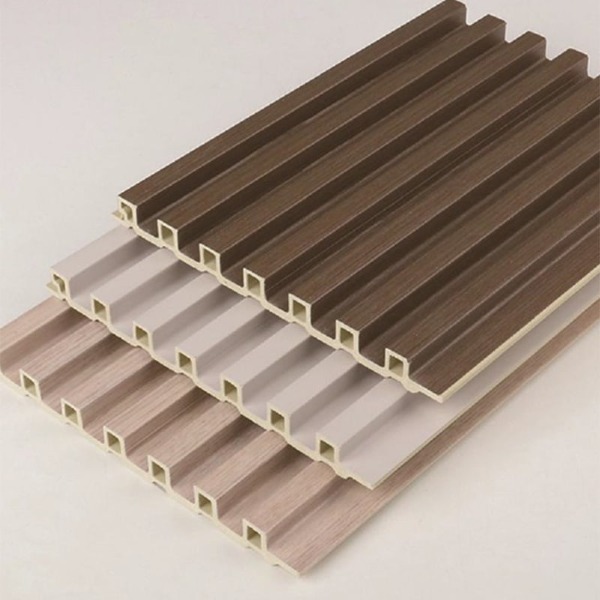
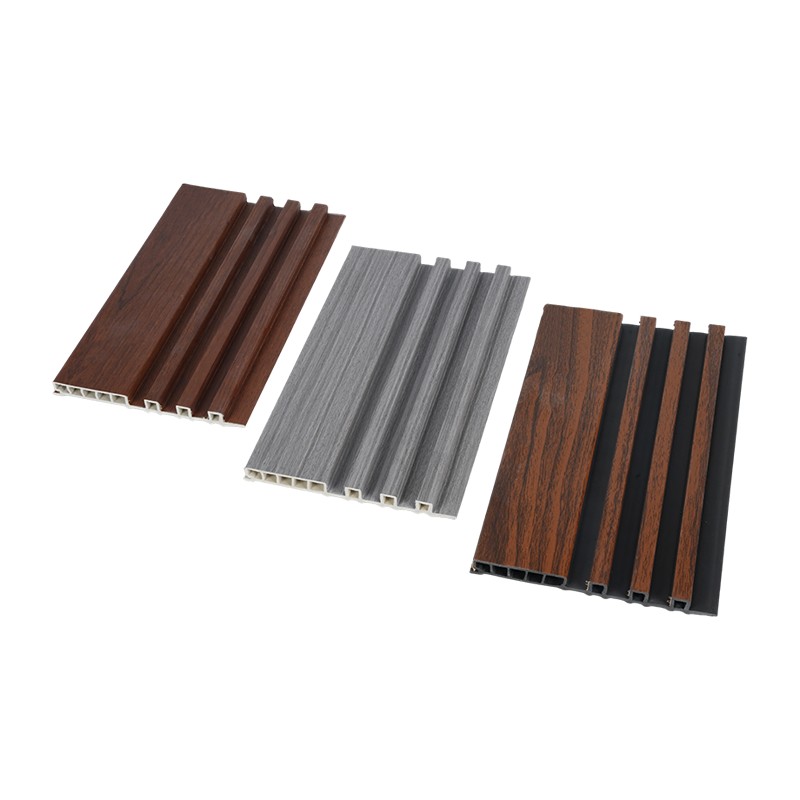
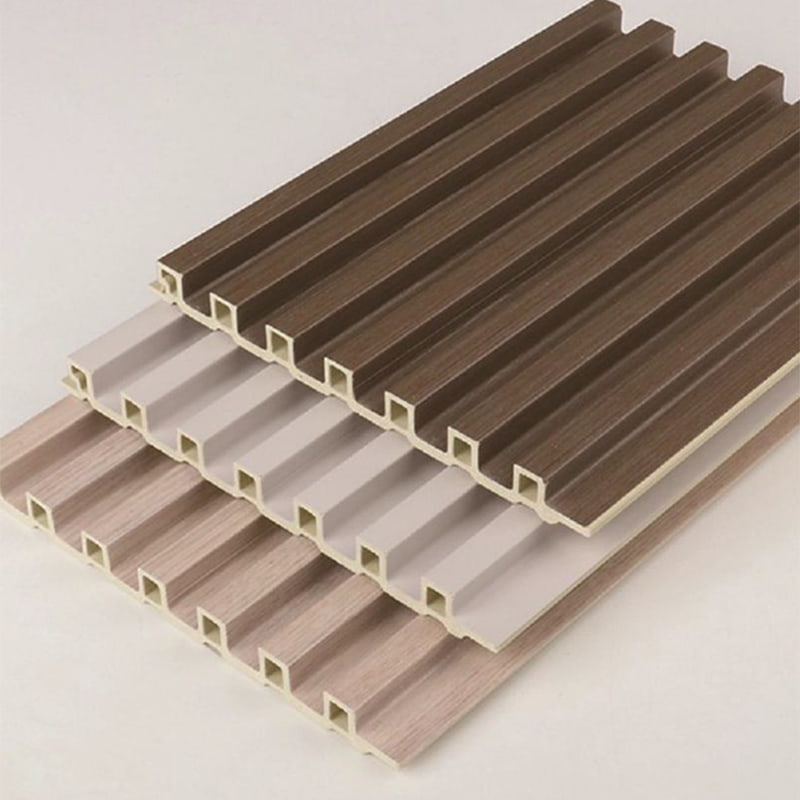
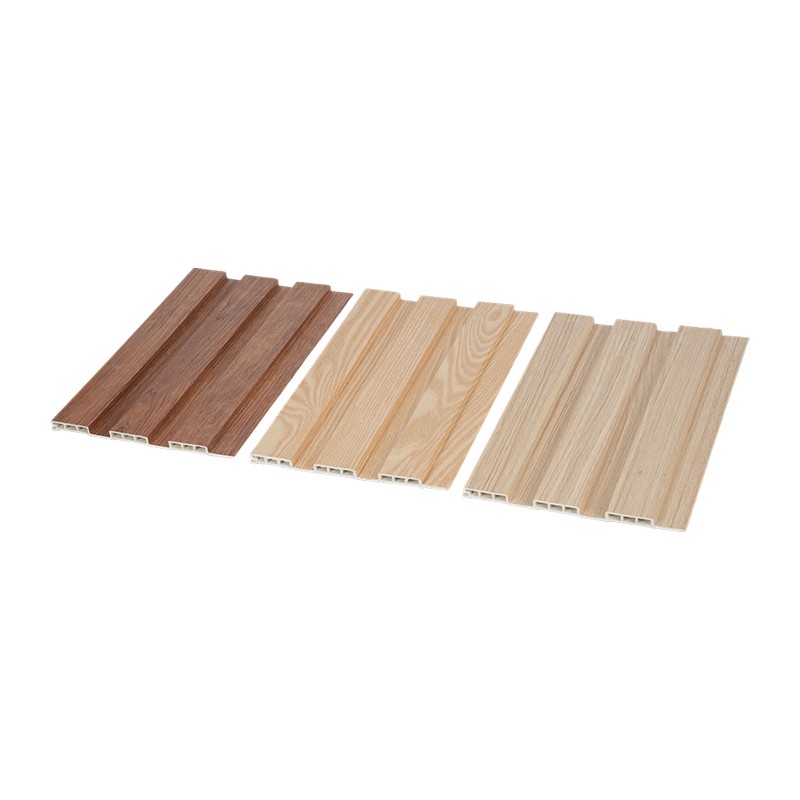
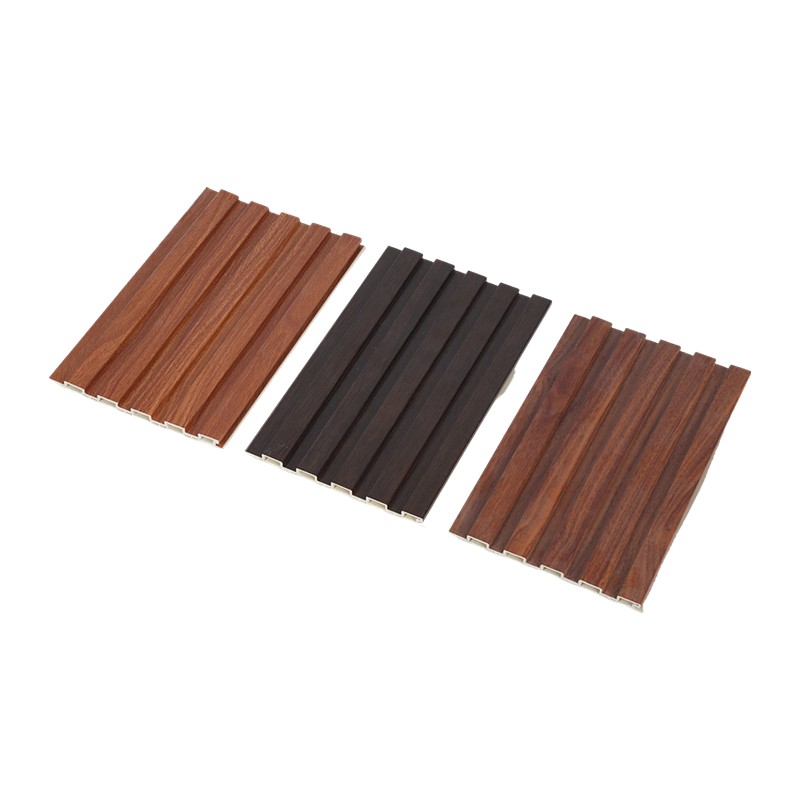
Wood Plastic Composite (WPC) is a composite material made from a blend of wood fibers and plastic resins. These panels are designed to mimic the look of wood while providing enhanced durability, moisture resistance, and ease of maintenance. WPC wall panels are used in various applications, from residential interiors to commercial buildings, offering an elegant, modern aesthetic that complements any space.
Benefits of WPC Wall Panels:
Durability – WPC panels are resistant to moisture, termites, and decay, making them ideal for areas with high humidity or exposure to the elements.
Easy Maintenance – WPC panels require minimal maintenance compared to traditional wood, as they do not need painting or sealing.
Eco-Friendly – These panels are made from recycled materials, making them an environmentally friendly option.
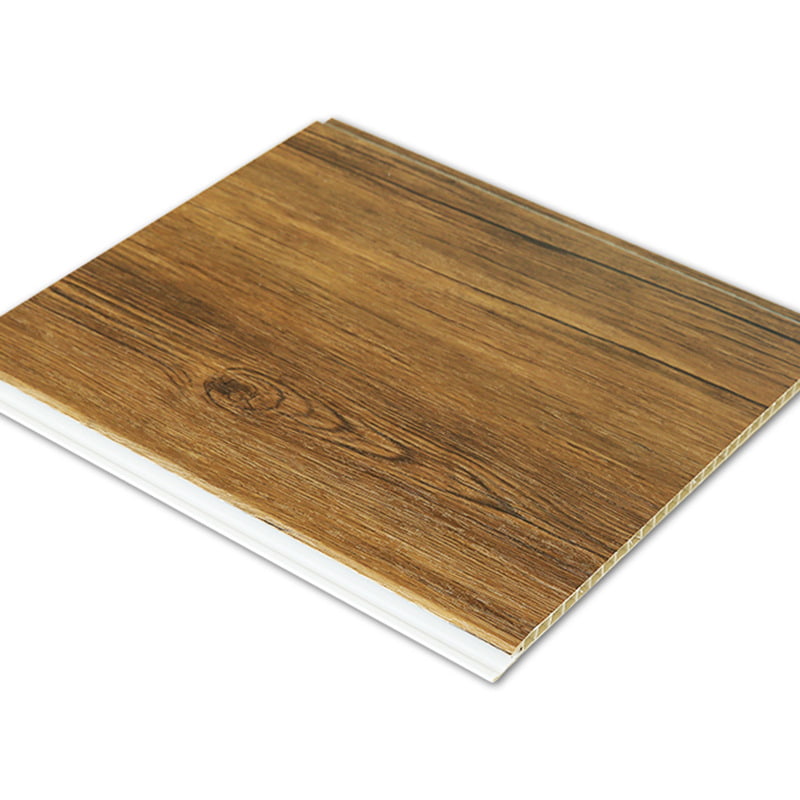
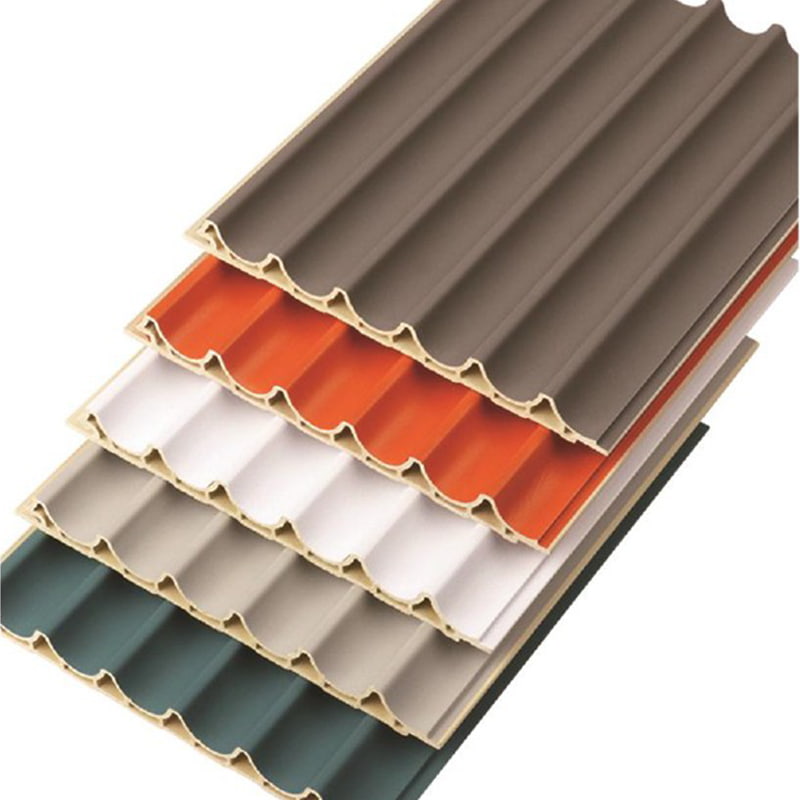
Aesthetic Appeal – With a wide variety of designs, including wood veneer finishes, WPC panels offer a premium look with the practicality of composite materials.
Tools You Will Need for Installing WPC Wall Panels
Installing WPC wall panels doesn’t require specialized skills, but it does demand the right tools for a professional finish. Here’s a list of the essential tools:
Measuring Tape – To measure the dimensions of the wall and cut the panels to the correct size.
Level – To ensure that the panels are installed straight and even.
Saw – A circular saw or handsaw is essential for cutting the panels to fit around corners, windows, and doors.
Screwdriver – For fastening the panels securely to the wall studs.
Drill – Used for creating pilot holes for screws to ensure secure attachment.
Rubber Mallet – To gently tap the panels into place without damaging the surface.
Caulk Gun – For applying adhesive if needed, especially for additional stability.
Measuring Square – Helps ensure that your cuts are straight and corners are square.
Step-by-Step Guide to Installing WPC Wall Panels
Preparation
Begin by preparing the wall surface. It should be clean, dry, and smooth. Remove any existing wallpaper or paint that may interfere with the adhesive. Measure the height and width of the wall to determine how many panels you need.
Cut the Panels
Using your measuring tape, mark the dimensions of the WPC wall panels. Use a circular saw to cut the panels to the required size, ensuring they fit properly in the available space. For wood veneer WPC wall panels, ensure you measure carefully to avoid wasting material.
Apply Adhesive
Apply adhesive along the back of the panel or directly on the wall, depending on the manufacturer’s instructions. If your panels are designed to interlock, apply adhesive to the grooves as well.
Mount the Panels
Starting at the bottom of the wall, position the first panel and press it against the surface. Use a level to ensure it’s straight. If the panels are interlocking, connect the edges of the first and second panels. Use a rubber mallet to gently tap the panels into place.
Fasten the Panels
Once all panels are aligned, use screws to fasten them to the wall studs. Be sure to drill pilot holes to prevent damaging the panels.
Finishing Touches
Once all panels are installed, fill any gaps with caulk or sealant to create a smooth, seamless finish. You can also apply trim around the edges to enhance the aesthetic appearance.
Is WPC Wall Panel Installation Easy?
The short answer is yes—installing WPC wall panels is relatively easy and accessible for most people. Many DIYers find the process simple due to the user-friendly nature of the materials. The panels are lightweight, easy to handle, and do not require special tools or complex techniques. Furthermore, with their interlocking design, installation can be faster and more efficient than traditional wood or drywall installation methods.
However, like any home improvement project, attention to detail is essential. Proper measuring, cutting, and alignment are critical for achieving a professional-looking finish.
Comparison of WPC Wall Panel Features
| Feature | WPC Wall Panel | Wood Veneer WPC Wall Panel |
|---|---|---|
| Material | Wood fibers + plastic resins | Wood veneer + composite base |
| Durability | High resistance to moisture & decay | Resistant to moisture & scratching |
| Maintenance | Low maintenance (no sealing or painting) | Low maintenance, requires occasional cleaning |
| Aesthetic | Modern, versatile designs | Natural wood look with composite benefits |
| Cost | Affordable | Slightly more expensive |
Advantages of WPC Wall Panels Over Traditional Wood Panels
WPC wall panels offer several advantages over traditional wood panels. They are far more durable and resistant to elements like moisture, making them ideal for bathrooms, kitchens, and outdoor spaces. Unlike traditional wood panels, which can warp or rot over time, WPC panels retain their shape and structural integrity even in humid environments.
Additionally, WPC panels do not require the constant maintenance that real wood needs, such as staining, sealing, or painting. This makes them a more convenient and cost-effective choice in the long term.
FAQ
1. How long does it take to install WPC wall panels?
Depending on the size of the area, WPC wall panels can be installed in a day or two. DIY installations may take longer depending on experience.
2. Do I need professional help to install WPC wall panels?
Not necessarily. With the right tools and instructions, most DIYers can install WPC wall panels themselves. However, professional installation might be recommended for larger or more complex projects.
3. Are WPC wall panels suitable for outdoor use?
Yes, WPC panels are highly durable and moisture-resistant, making them an excellent choice for both indoor and outdoor applications.
4. Can WPC wall panels be painted?
It is generally not necessary to paint WPC wall panels as they are available in various finishes. However, some people may choose to paint them for aesthetic reasons.
5. How do I clean WPC wall panels?
WPC panels are easy to clean with a damp cloth and mild detergent. Avoid abrasive cleaners that may damage the surface.
Conclusion
WPC wall panels are an excellent choice for anyone looking for a low-maintenance, durable, and aesthetically pleasing wall solution. With easy installation and a variety of designs, including wood veneer finishes, these panels are well-suited to both DIY enthusiasts and professionals alike. By following the steps outlined in this guide and using the correct tools, you can achieve a high-quality finish that will enhance your space for years to come.