EN
EN English
  русский
  Español
  عربى
عربى 
When it comes to choosing wall materials for homes, offices, or commercial spaces, the options are diverse, each with its own advantages and drawbacks. Among these, PVC wall panels have gained significant popularity due to their ease of installation, affordability, and versatility. However, traditional materials like wood, drywall, and tiles continue to be widely used.
Material Composition and Construction
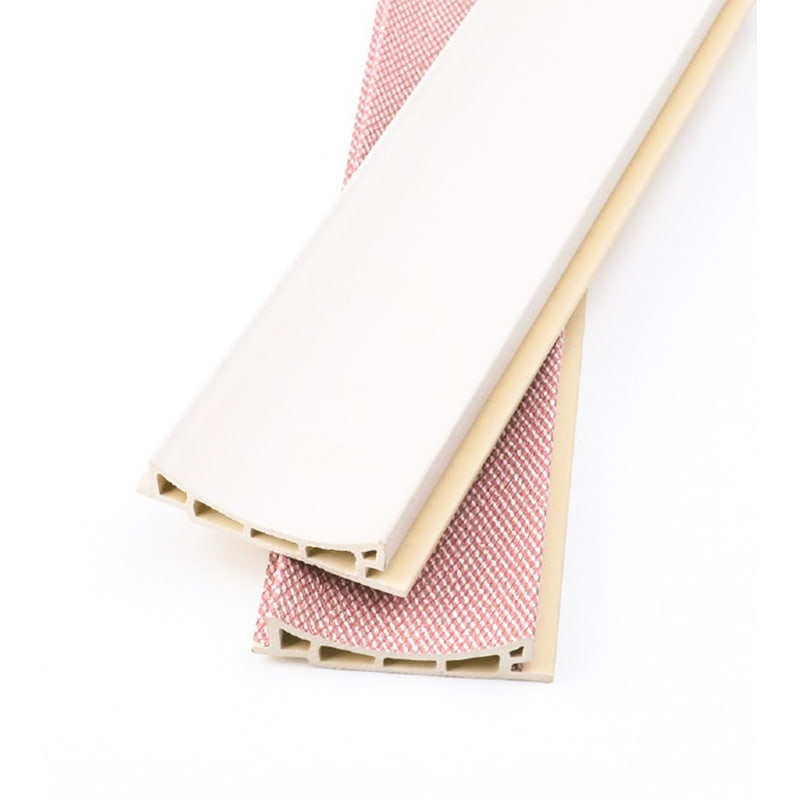
PVC Wall Panels: PVC (Polyvinyl Chloride) is a synthetic plastic polymer, known for its lightweight yet durable properties. PVC wall panels are crafted from this material, offering a sturdy structure that can withstand wear and tear. These panels often feature a hollow core or foamed structure, enhancing their insulation properties.
Traditional Wall Materials: Traditional materials such as wood, drywall, and plaster are made from natural or processed materials. Wood is known for its natural beauty but requires maintenance to prevent warping or rotting. Drywall, commonly used in interior construction, is made from gypsum, while plaster offers a smooth finish but can be easily damaged and requires skilled application.
| Feature | PVC Wall Panels | Traditional Materials |
|---|---|---|
| Composition | Synthetic PVC plastic | Natural or processed materials |
| Weight | Light-weight | Heavy (wood, plaster, drywall) |
| Durability | Highly durable, resistant to moisture | Susceptible to wear, rot, and mold |
| Insulation Properties | Excellent insulation | Moderate insulation |
Installation Process
PVC Wall Panels: One of the standout features of PVC wall panels is their ease of installation. Most PVC panels come with a click-and-lock system, allowing for quick and hassle-free installation. This is particularly beneficial for DIY enthusiasts or contractors who need to complete projects swiftly.
Traditional Wall Materials: In contrast, traditional materials often require more complex installation processes. Wood panels may need to be nailed or screwed into place, while drywall and plaster often involve multiple steps such as framing, joint filling, and sanding. As a result, the installation time and labor costs for traditional materials tend to be higher.
| Installation Process | PVC Wall Panels | Traditional Materials |
|---|---|---|
| Time Required | Quick, typically a few hours | Time-consuming (days to weeks) |
| Tools Needed | Basic tools, minimal experience | Advanced tools and skills |
| Labor Cost | Low, ideal for DIY installation | Higher due to skilled labor |
Durability and Maintenance
PVC Wall Panels: PVC wall panels are designed to be highly durable, resisting damage from moisture, stains, and even impacts. They do not warp, rot, or decay over time, making them an ideal choice for areas exposed to humidity, such as bathrooms and kitchens. Additionally, they are easy to clean—often requiring just a wipe with a damp cloth.
Traditional Wall Materials: Traditional materials, while durable, are more susceptible to damage. Wood, for instance, can warp or rot when exposed to moisture, while drywall is prone to cracking and staining. Plaster can also be susceptible to cracking under pressure. These materials typically require more maintenance, such as periodic painting, sealing, or refinishing.
| Durability | PVC Wall Panels | Traditional Materials |
|---|---|---|
| Moisture Resistance | Highly resistant, ideal for damp areas | Prone to mold and rotting (wood) |
| Impact Resistance | Very high, durable under pressure | Lower, prone to dents and cracks |
| Maintenance Requirements | Low maintenance, easy to clean | Regular upkeep needed (painting) |
Aesthetic Appeal and Design Flexibility
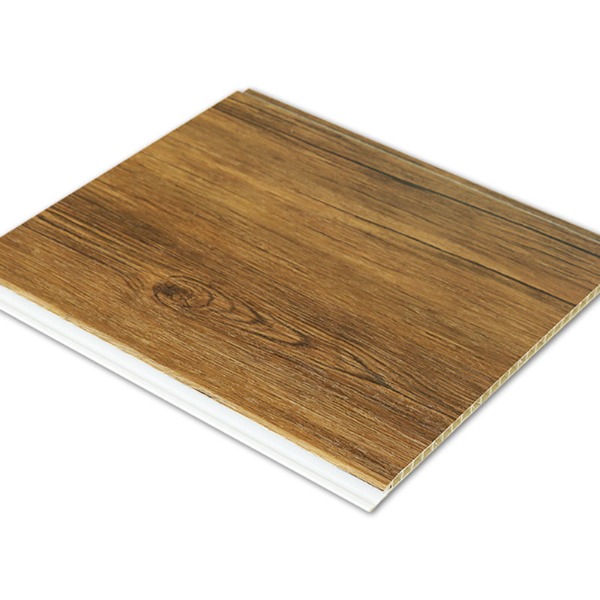
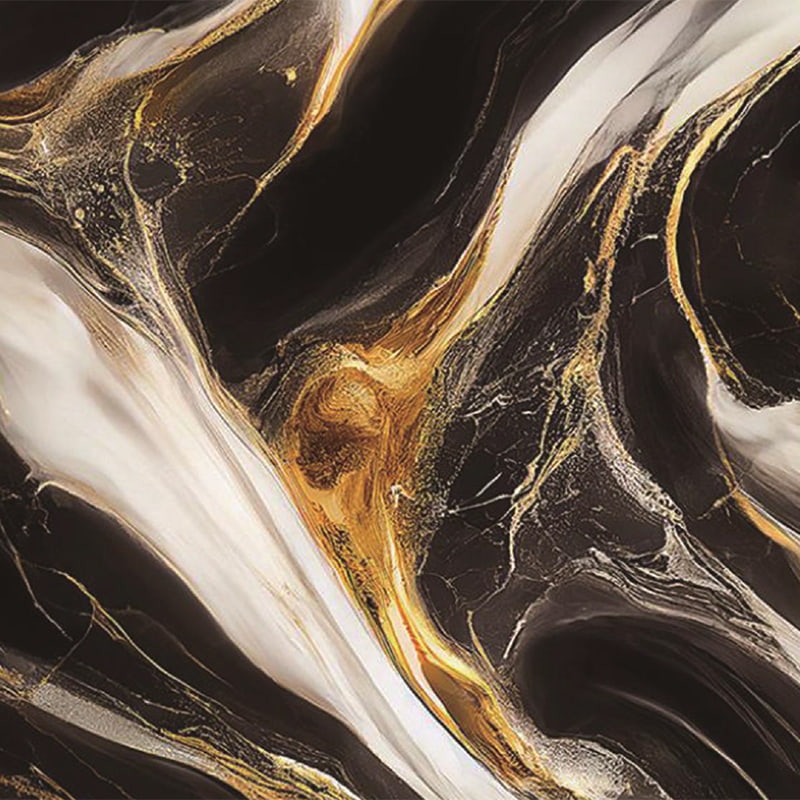
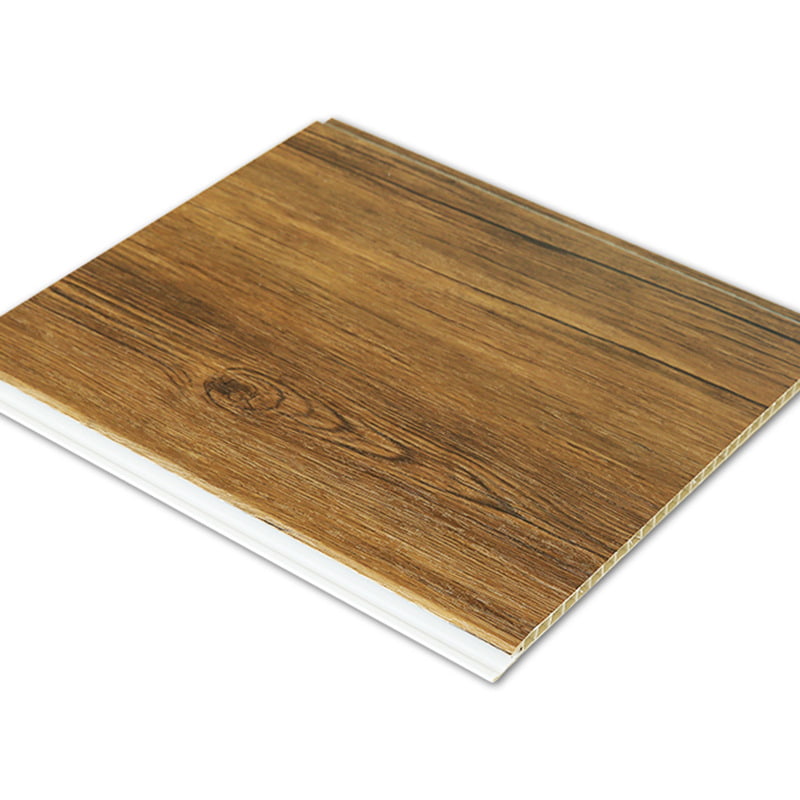
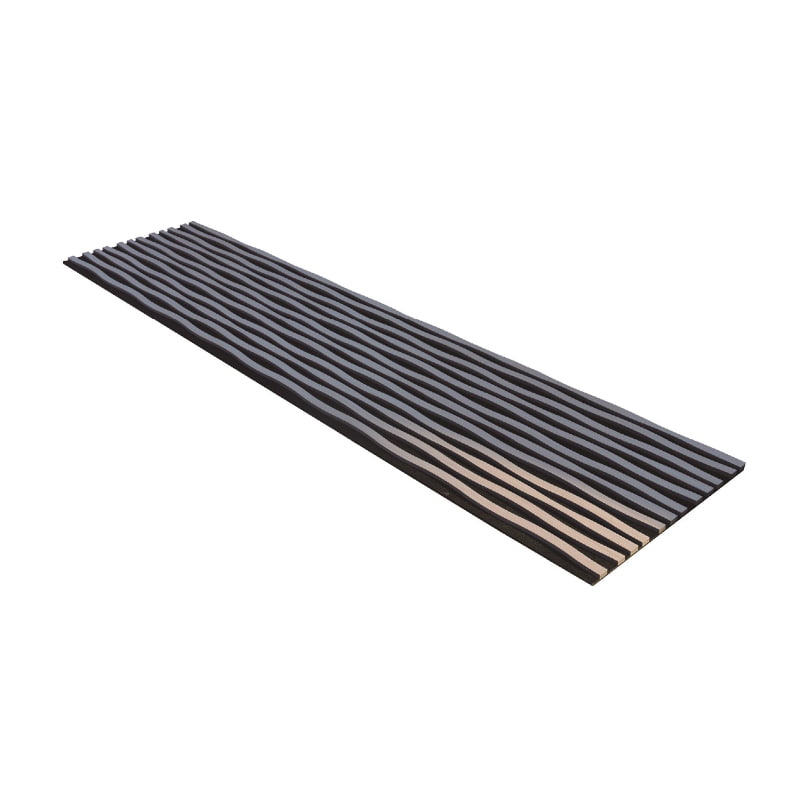
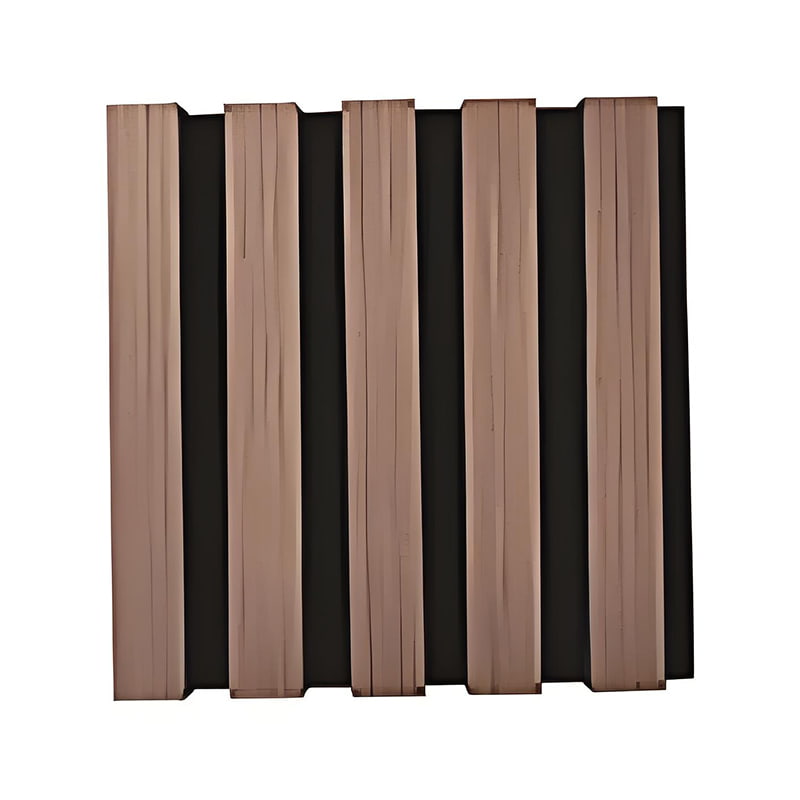
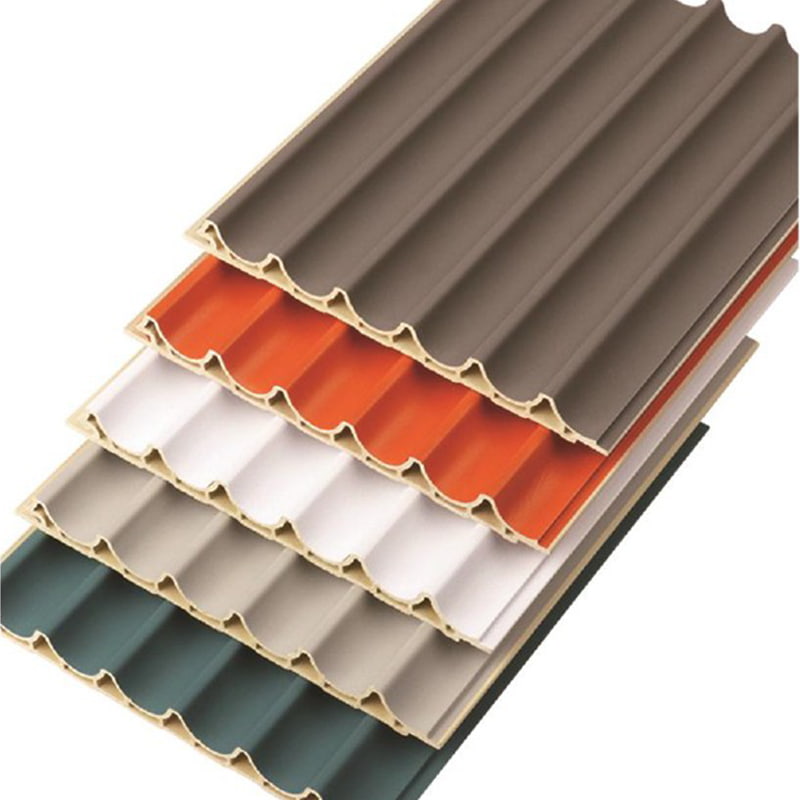
PVC Wall Panels: One of the most compelling reasons to choose PVC wall panels is their ability to mimic the appearance of more expensive materials such as wood or stone. Available in a wide range of colors, textures, and finishes, PVC panels can complement various design styles, from modern minimalism to rustic charm. Customization options allow for creative design solutions, making them suitable for both residential and commercial spaces.
Traditional Wall Materials: Traditional materials also offer aesthetic appeal but may have limitations. Wood provides a natural warmth, drywall can be painted in any color, and plaster offers a smooth finish. However, achieving a specific look may require more effort, such as selecting specific paints, finishes, or wallpapers.
| Aesthetic Appeal | PVC Wall Panels | Traditional Materials |
|---|---|---|
| Customization | Wide range of designs and finishes | Limited to natural textures or paint |
| Design Flexibility | High, can replicate premium looks | Moderate, based on material type |
| Visual Appeal | Modern, sleek, and customizable | Classic and traditional aesthetics |
Cost-Effectiveness
PVC Wall Panels: PVC wall panels are generally more affordable than traditional materials. The lower material cost, along with reduced labor expenses due to easy installation, makes them an attractive option for budget-conscious consumers. Additionally, since they require little to no maintenance, they offer long-term cost savings.
Traditional Wall Materials: Traditional materials can be more expensive both in terms of upfront costs and maintenance. Wood, for example, is often costly and requires ongoing care. Drywall may be less expensive but can accumulate costs if frequent repairs or painting are needed. While plaster offers a premium finish, its cost and labor-intensive installation make it less cost-effective in the long run.
| Cost Factor | PVC Wall Panels | Traditional Materials |
|---|---|---|
| Initial Cost | Low, budget-friendly | Higher, especially for premium finishes |
| Maintenance Costs | Minimal, low upkeep | Ongoing costs (paint, repairs) |
| Long-Term Value | High cost-efficiency | Potentially high due to repairs |
Environmental Impact
PVC Wall Panels: The environmental impact of PVC wall panels has been a subject of debate. While PVC is a synthetic plastic, advancements in the production process have led to more eco-friendly options, such as recyclable panels. However, the material itself is not biodegradable, which raises concerns about its disposal.
Traditional Wall Materials: Many traditional materials, especially wood, offer a more eco-friendly solution, particularly if sourced sustainably. Drywall is made from natural gypsum, and plaster is composed of lime and sand. While these materials have a lower environmental footprint, they may still pose challenges in terms of transportation and production energy use.
| Environmental Impact | PVC Wall Panels | Traditional Materials |
|---|---|---|
| Recyclability | Limited, some panels recyclable | High, particularly wood and gypsum |
| Production Footprint | Energy-intensive, not biodegradable | Lower impact, especially for natural materials |
| Disposal | Not biodegradable, concerns with plastic waste | More eco-friendly, biodegradable |
FAQ
1. Are PVC wall panels a good option for high-moisture areas?
Yes, PVC wall panels are highly resistant to moisture, making them an ideal choice for bathrooms, kitchens, and basements.
2. How long do PVC wall panels last compared to traditional materials?
PVC wall panels have a long lifespan, typically lasting for decades without the need for significant repairs or maintenance, compared to traditional materials that may require more frequent upkeep.
3. Can PVC wall panels be used for both residential and commercial spaces?
Absolutely. PVC wall panels are versatile and can be used in a variety of spaces, including homes, offices, and retail environments.
4. Are PVC wall panels environmentally friendly?
While PVC panels are not biodegradable, many options are recyclable, and some manufacturers have introduced eco-friendly production methods. Always check for certifications or eco-friendly labeling.
5. How easy is it to install PVC wall panels?
PVC wall panels are very easy to install, often requiring just basic tools. Many panels feature a click-and-lock system for quick and straightforward installation.