EN
EN English
  русский
  Español
  عربى
عربى 
Introduction
Wood-Plastic Composite (WPC) wall panels are an increasingly popular choice for both indoor and outdoor applications due to their durability, aesthetic appeal, and low maintenance requirements. However, like any material, WPC wall panels require proper care to maintain their functionality and appearance over time.
Understanding WPC Wall Panels
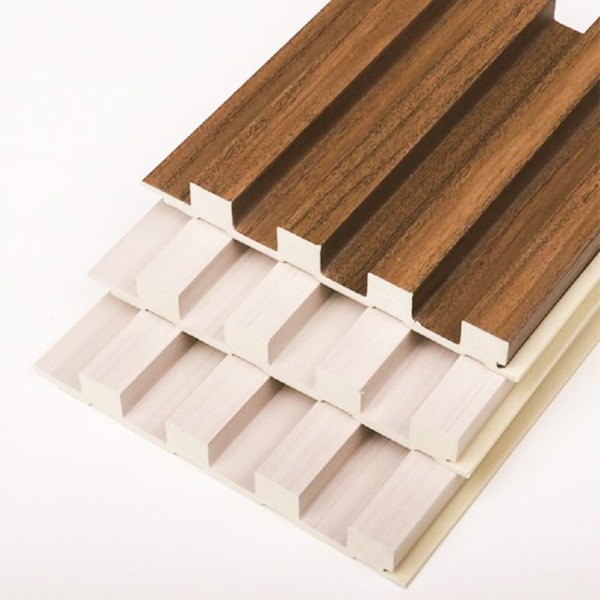
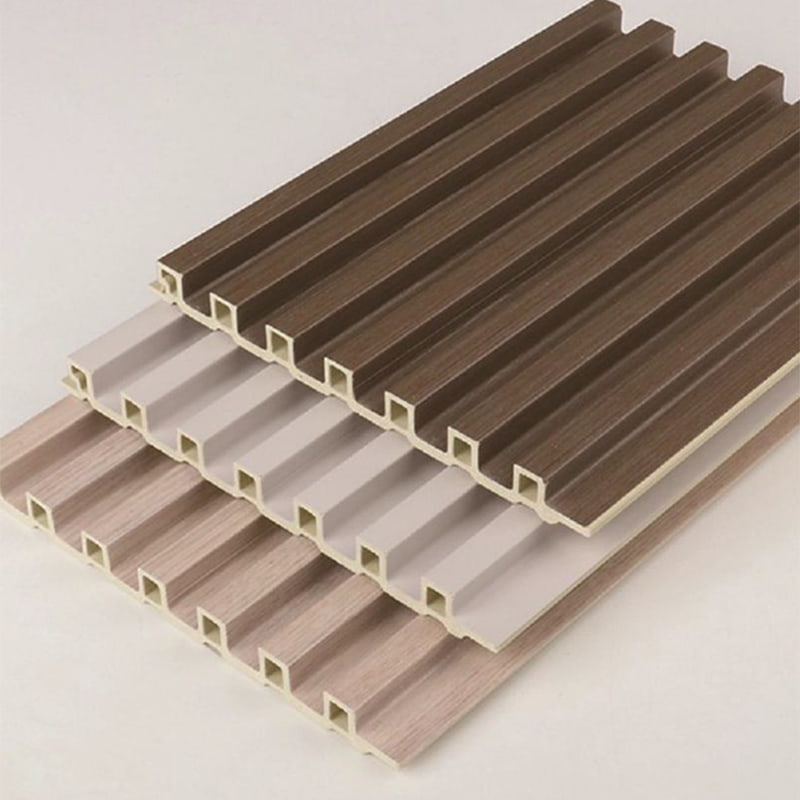
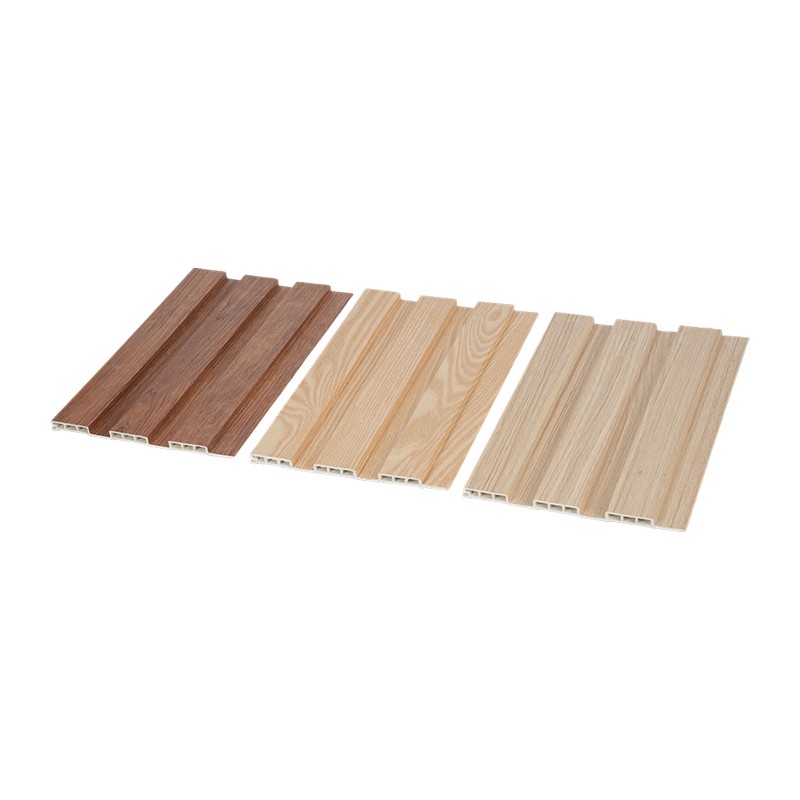
WPC wall panels are composed of a blend of wood fibers and plastic materials, offering a unique combination of strength and flexibility. These panels are widely used in construction for their ability to withstand harsh weather conditions while maintaining a natural wood-like appearance. WPC panels can be applied in various environments, such as commercial spaces, residential areas, and even outdoor settings like patios or balconies.
Despite their durability, maintaining WPC wall panels properly can prevent issues such as discoloration, warping, and surface damage. To keep your WPC wall panels in top condition, regular maintenance and care are crucial.
Basic Maintenance Guidelines for WPC Wall Panels
Regular Cleaning
The most basic maintenance requirement for WPC wall panels is regular cleaning. Dust, dirt, and other debris can accumulate on the surface over time, affecting the aesthetic appeal of the panels. Regular cleaning helps preserve the appearance of the panels and prevents the buildup of harmful substances that could degrade the material.
Cleaning Frequency: Depending on the environment, clean your WPC wall panels at least once a month. If the panels are located in high-traffic areas or exposed to dirtier environments (e.g., near plants or in areas with heavy foot traffic), more frequent cleaning may be required.
Cleaning Method: Use a soft cloth or sponge with warm water and a mild detergent. Avoid abrasive cleaning tools, such as scrub brushes or steel wool, as they can scratch the surface of the panels. For stubborn stains, a diluted solution of vinegar and water can be used. After cleaning, rinse the panels thoroughly with water to remove any soap residue.
Avoid Harsh Chemicals
While WPC wall panels are designed to be low-maintenance, they are still sensitive to harsh chemicals that could damage the surface. Avoid using strong chemical cleaners, solvents, or bleach, as these can cause discoloration or weaken the material over time.
If a deep cleaning is necessary, it’s best to use products specifically formulated for use on composite materials. Always check the manufacturer’s recommendations for cleaning products to ensure compatibility with your panels.
Preventing Stains and Discoloration
One of the common concerns with WPC wall panels is staining or discoloration caused by exposure to the elements. Although WPC is resistant to fading, prolonged exposure to UV rays, extreme temperatures, or water can cause some changes in color.
To prevent stains and discoloration, consider applying a protective coating to your WPC wall panels. These coatings can act as a shield against UV rays, dirt, and moisture, keeping the panels looking fresh for a longer period.
UV Protection: Apply a UV-resistant protective coating to prevent fading caused by prolonged sun exposure. This is especially important for outdoor applications.
Moisture Resistance: Ensure that the panels are installed in a way that allows for proper drainage. Standing water can cause discoloration and damage over time. If your panels are exposed to heavy rain or humidity, make sure they are dry before applying any protective coatings.
Inspecting for Damage
Regularly inspect your WPC wall panels for any signs of damage, such as cracks, warping, or looseness. Although WPC is durable, it’s not immune to damage caused by physical impacts or extreme weather conditions. Catching potential issues early can prevent further damage and extend the lifespan of your panels.
Cracks and Splits: If you notice any cracks or splits in your WPC wall panels, it’s important to address them promptly. Minor cracks can usually be repaired using a compatible filler or sealant. For larger cracks or significant damage, you may need to replace the damaged panel.
Warping: WPC panels can warp if exposed to prolonged moisture or temperature fluctuations. Ensure that the panels are properly ventilated and installed with adequate spacing between them to avoid moisture buildup.
Protection Against Physical Damage
WPC wall panels are generally resistant to scratches and dents, but they are not entirely impervious to damage. Take care to avoid direct impacts from sharp objects, heavy furniture, or construction tools during installation or maintenance. For outdoor panels, consider installing them in areas that are less likely to be subjected to physical impact.
Long-Term Care for WPC Wall Panels
Recoating and Restoration
Over time, the surface of WPC wall panels may lose some of their luster or protective qualities. In such cases, recoating the panels can help restore their appearance and durability. Recoating with a specialized WPC cleaner or protective finish can help maintain the material’s natural look and prevent further wear.
Recoating Frequency: Depending on the level of exposure to the elements, consider recoating your panels every 1-2 years. This will help extend the life of the panels and preserve their visual appeal.
Annual Maintenance Check
Perform an annual maintenance check to ensure that your WPC wall panels are still in good condition. This check should include:
Inspecting for cracks, splits, or warping
Checking for signs of moisture damage
Cleaning any accumulated dirt or debris
Reapplying protective coatings as needed
By staying proactive with these checks, you can catch any issues early and prevent larger problems from developing.
WPC Wall Panel Care in Different Environments
Indoor Applications
For indoor applications, the main concerns are dust and dirt buildup, which can be easily addressed through regular cleaning. In high-traffic areas, consider using mats or rugs to minimize dirt transfer to the panels. Also, be mindful of air conditioning units or heating systems that could create extreme temperature fluctuations, which can affect the panels over time.
Outdoor Applications
Outdoor applications expose WPC wall panels to a variety of environmental factors, such as rain, snow, and UV rays. It’s important to choose WPC panels that are specifically designed for outdoor use, as these will have better resistance to moisture and weathering. Regular cleaning, along with the application of UV-resistant coatings, will help preserve the appearance of your panels.
Maintenance Chart for WPC Wall Panels
| Maintenance Task | Frequency | Recommended Products | Notes |
|---|---|---|---|
| Regular Cleaning | Monthly or as needed | Mild detergent, soft cloth | Avoid abrasive scrubbers |
| Protective Coating | Every 1-2 years | UV-resistant coating, sealant | Helps maintain color and moisture resistance |
| Damage Inspection | Quarterly | N/A | Check for cracks, warping, and discoloration |
| Deep Cleaning | Semi-annually or as needed | Specialized WPC cleaner | Use only approved cleaning solutions |
FAQ
Q1: How often should I clean my WPC wall panels?
A: It’s recommended to clean your WPC wall panels once a month. However, high-traffic areas may require more frequent cleaning.
Q2: Can WPC wall panels be used in outdoor applications?
A: Yes, WPC wall panels are suitable for outdoor use. However, ensure they are treated with a UV-resistant coating to prevent fading from sun exposure.
Q3: How can I prevent discoloration on my WPC wall panels?
A: To prevent discoloration, apply a UV-resistant protective coating and ensure proper drainage to avoid moisture buildup.
Q4: Can I repair small cracks in my WPC wall panels?
A: Yes, small cracks can be repaired using a compatible filler or sealant. For larger cracks, panel replacement may be necessary.
Q5: How do I protect my WPC wall panels from physical damage?
A: Avoid direct impacts from sharp objects or heavy furniture. For outdoor panels, install them in areas less likely to be impacted.