EN
EN English
  русский
  Español
  عربى
عربى 
Understanding Wood Plastic Composite Technology
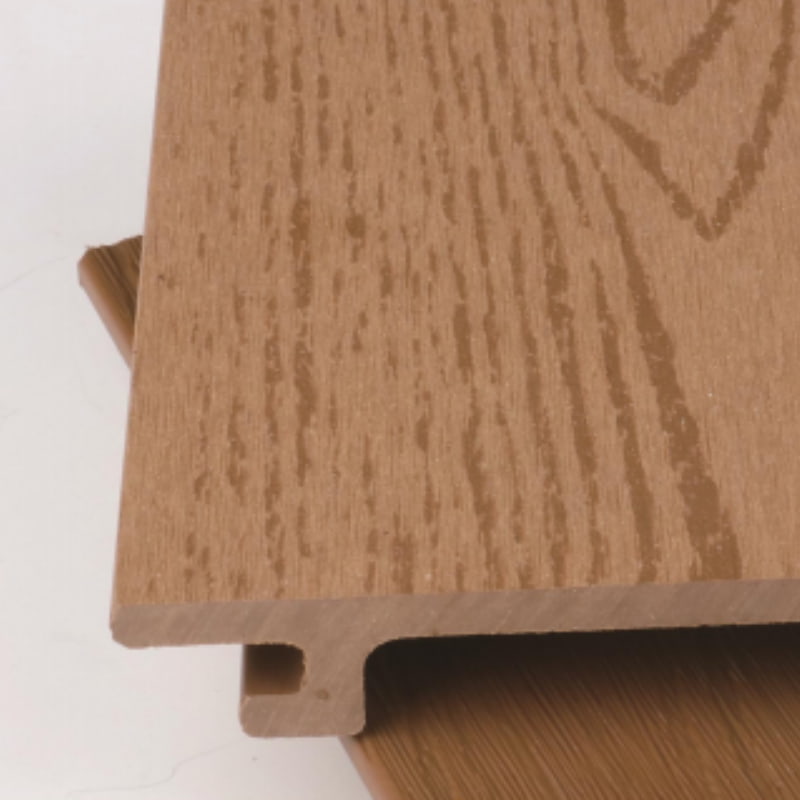
Wood plastic composite, commonly known as WPC, represents a significant advancement in building materials. This engineered solution combines wood fibers and plastic polymers to create WPC wall panels that address traditional cladding shortcomings.
Unlike natural wood, WPC materials resist the environmental factors that cause degradation. The composite structure creates a barrier against moisture, insects, and UV radiation, making exterior wall panels more resilient than ever before.
How Composite Materials Work
The manufacturing process blends wood particles and plastic resins under heat and pressure. This fusion creates a homogeneous material with combined benefits: the aesthetic appeal of wood coupled with the durability of synthetics. The internal structure prevents water penetration at the molecular level, eliminating the root cause of wood deterioration.
Material Composition Breakdown
A typical WPC formulation contains approximately 50-60 percent wood fiber, 30-40 percent plastic resin, and 5-10 percent additives for UV protection and color stability. This balanced composition ensures structural integrity while maintaining visual warmth.
Key Advantages of WPC Exterior Cladding
Resistance to Environmental Damage
The primary advantage of WPC materials lies in their resistance to common wood-destroying factors. Where natural wood succumbs to moisture, creating conditions for rot and fungal growth, WPC exterior cladding maintains structural integrity for decades.
Termites and wood-boring insects cannot penetrate composite materials because they seek nutrients found only in natural cellulose. This natural resistance eliminates the need for chemical treatments or regular inspections for infestation.
Weather Performance Comparison
Natural wood: Absorbs and releases moisture seasonally, causing warping and cupping; requires sealing every 2-3 years
Composite materials: Maintains dimensional stability across temperature and humidity changes; no seasonal expansion or contraction
Vinyl alternatives: Can become brittle in extreme cold and warp in intense heat; lacks authentic aesthetic quality
Low Maintenance Requirements
WPC wall panels require minimal upkeep compared to traditional materials. Annual cleaning with water and mild soap removes surface dirt without damaging the material. There is no need for staining, sealing, painting, or treating for pests.
This translates to significant time and cost savings over the material's lifespan. A homeowner avoiding annual maintenance tasks and treatments saves hundreds of dollars and countless hours.
Aesthetic Longevity
UV-stabilized composites retain color and texture for 15-20 years without fading dramatically. While all outdoor materials fade slightly over time, high-quality WPC maintains visual appeal far longer than wood exposed to weathering.
Installation Guide for WPC Wall Panels
Pre-Installation Preparation
Proper installation ensures maximum performance and longevity. The substrate must be clean, dry, and structurally sound. Any existing damaged wood should be removed and replaced with approved materials.
Plan panel layout before starting installation. Account for existing architectural features, windows, and doors. Measure twice to minimize waste and ensure straight courses.
Step-by-Step Installation Process
Install a moisture barrier or weather-resistant membrane over the substrate to prevent water infiltration behind panels
Mount horizontal furring strips using corrosion-resistant fasteners, maintaining 16-inch spacing for standard panel dimensions
Begin at the bottom of the wall, installing the starter strip to ensure first panel course is perfectly level
Snap chalk lines every few courses to maintain alignment and prevent vertical drift
Use stainless steel or coated fasteners to prevent rust staining and material degradation
Leave expansion gaps at corners and window frames to allow for minimal thermal movement
Install top trim pieces and flashings to direct water away from the wall assembly
Common Installation Mistakes to Avoid
Many installation issues stem from not allowing adequate expansion space. WPC materials expand and contract slightly with temperature changes. Fastening panels too tightly prevents this movement and can cause buckling or cracking.
Using improper fasteners is another critical error. Standard steel fasteners rust over time, creating stains and accelerating corrosion. Only galvanized, stainless steel, or composite fasteners should be used.
Failing to install proper flashing at transitions and terminations allows water to enter the wall cavity. This creates the very moisture problems that composite materials are designed to prevent.
Material Comparison: WPC vs Natural Wood vs Vinyl Siding
| Property | WPC Panels | Natural Wood | Vinyl |
|---|---|---|---|
| Rot Resistance | Excellent | Poor | N/A |
| Termite Resistance | Excellent | Poor | N/A |
| Warping/Cupping | Minimal | Common | Possible |
| Maintenance | Minimal | Extensive | Moderate |
| Color Retention | 15-20 years | 3-5 years | 8-12 years |
| Lifespan | 25-30 years | 15-20 years | 20-25 years |
| Aesthetic Appeal | Natural look | Authentic | Plastic appearance |
Why WPC Outperforms Traditional Options
Natural wood offers aesthetic authenticity but requires constant vigilance against environmental degradation. Chemical treatments provide temporary protection but ultimately fail as wood's internal structure continues absorbing moisture.
Vinyl siding avoids wood's problems but introduces aesthetic compromises. The plastic appearance fails to replicate wood's warmth and character. Additionally, vinyl becomes brittle in cold climates and warps under intense heat.
WPC bridges these gaps by combining wood fiber's natural appearance with plastic's durability. The result is a material that looks like premium wood while requiring vinyl's minimal maintenance.
Maintenance and Longevity of WPC Materials
Annual Maintenance Schedule
Despite marketing claims of "maintenance-free" materials, WPC panels benefit from basic care. Annual inspection and cleaning extends lifespan and maintains appearance.
Spring cleaning: Rinse entire exterior with low-pressure water (under 1500 PSI) to remove winter debris and pollen
Summer: Inspect for any physical damage, paying special attention to high-traffic areas and exposed edges
Fall: Clean gutters and ensure proper drainage around panel perimeter to prevent water pooling
Winter: Remove ice and snow accumulation using soft tools that won't damage panel surfaces
Stain Removal and Cleaning
Stubborn stains respond well to mild detergent solutions. Mix biodegradable soap with water and scrub with soft-bristled brushes. Avoid abrasive scrubbing pads and harsh chemicals that can damage the material's surface.
Mold and mildew growth occurs in humid climates but poses no structural threat to composites. A simple bleach solution or commercial mildew cleaner safely removes these growths without harming the material.
Long-Term Performance Expectations
High-quality WPC maintains structural integrity for 25-30 years under typical residential conditions. Performance varies based on climate, installation quality, and maintenance level. Areas experiencing extreme weather may see slightly reduced lifespans.
Unlike wood, composites do not require replacement due to rot or insect damage. When replacement eventually becomes necessary, it typically results from aesthetic preferences rather than material failure.
Warranty Considerations
Industry-standard warranties typically cover material defects for 10-15 years. Many manufacturers offer limited lifetime warranties against rot and termite damage, reflecting confidence in composite durability.
Design Flexibility and Aesthetic Options
Color and Texture Varieties
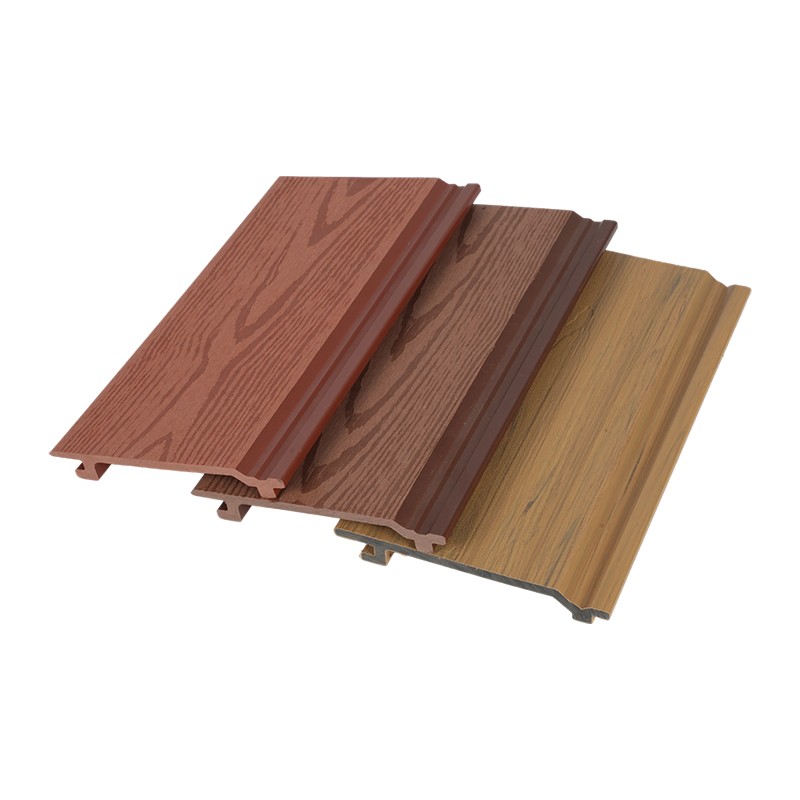
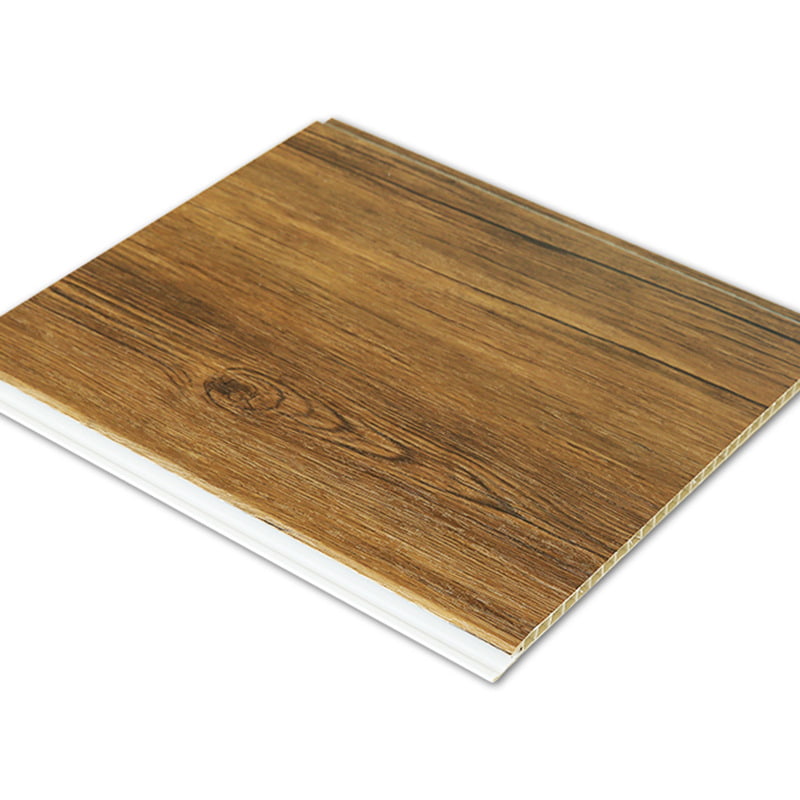
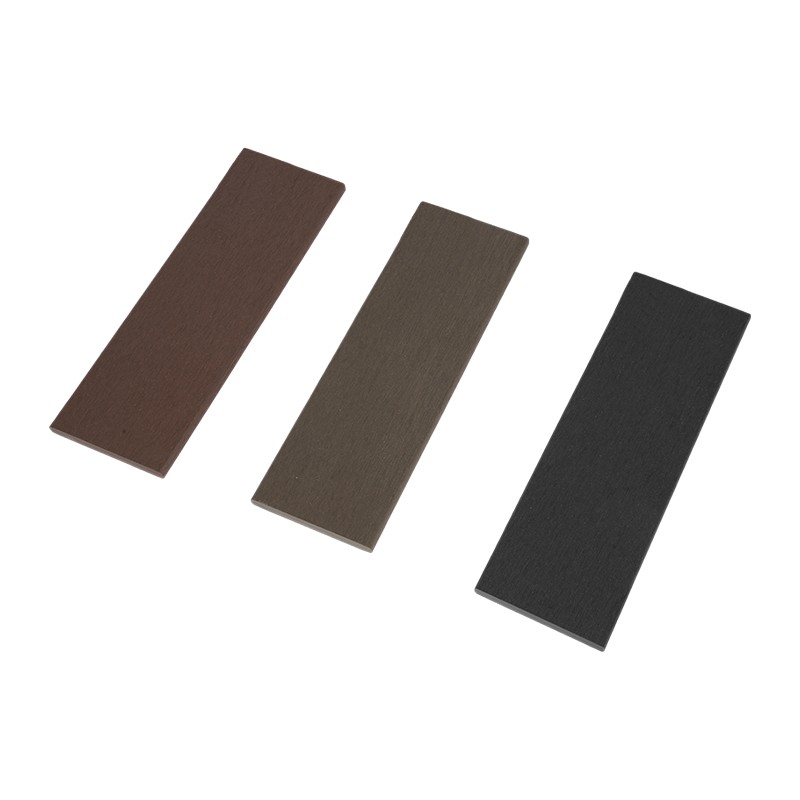
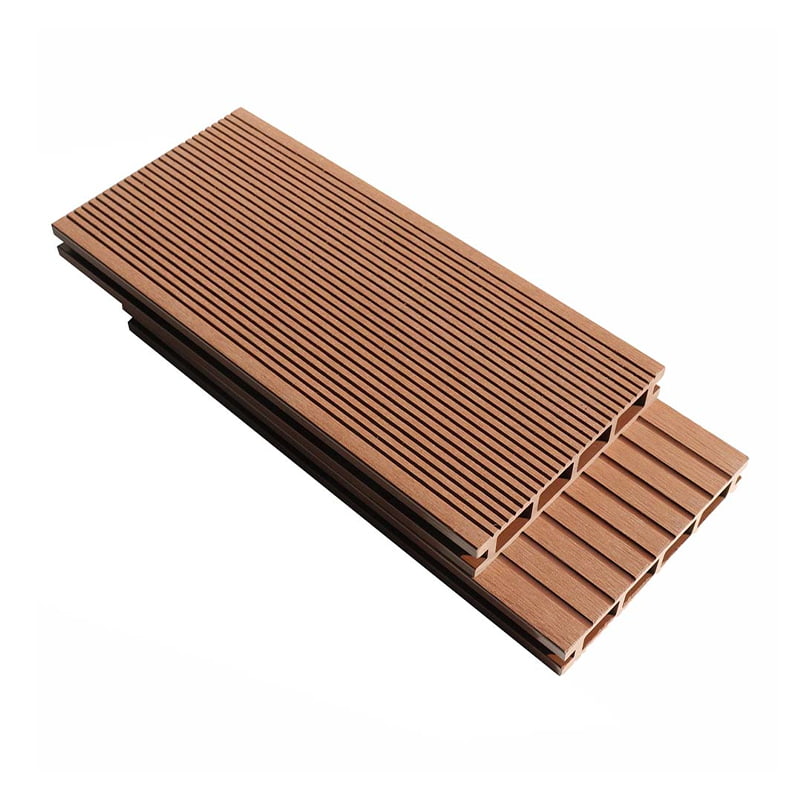
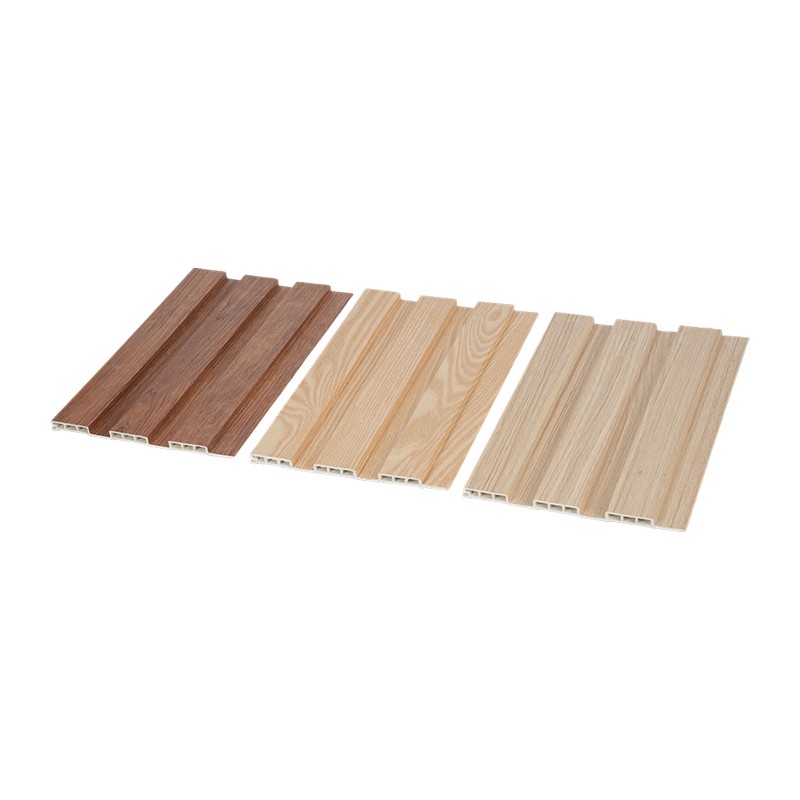
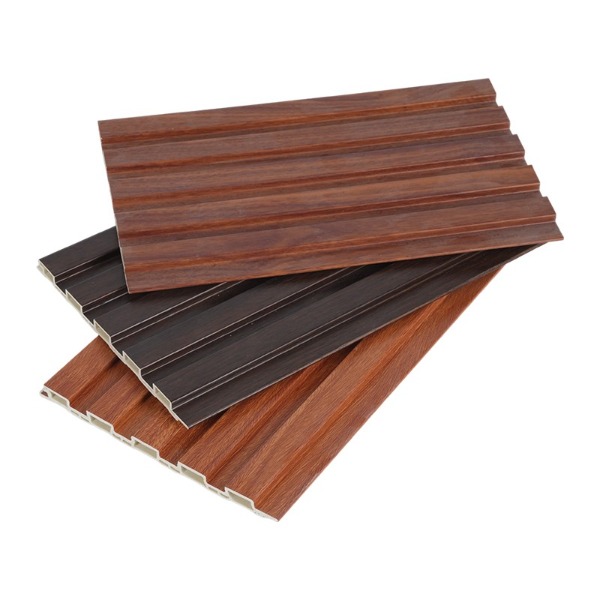
WPC panels replicate diverse wood species and finishes. Manufacturers produce options ranging from light sandy tones to deep chocolate browns, allowing integration with various architectural styles.
Texture options include smooth surfaces for contemporary designs and embossed wood-grain patterns for traditional aesthetics. This flexibility means selecting panels that complement the home's architectural character.
Profile Designs
WPC comes in multiple profile shapes, including board-and-batten, shiplap, and reversible planks. Each profile creates distinct visual effects and serves different design goals. Shiplap profiles create classic cottage aesthetics, while contemporary profiles complement modern architecture.
Design Applications
Full wall coverage: Applying panels across entire wall surfaces creates cohesive, finished appearances with minimal seams.
Accent panels: Using contrasting colors or profiles on specific wall sections creates focal points and architectural interest.
Soffit and fascia: Extending composites to roof lines provides complete protection while maintaining visual continuity.
Mixed materials: Combining WPC with stone, brick, or metal accents creates sophisticated, layered designs that enhance property appeal.
Environmental Considerations and Sustainability
Recycled Content and Sourcing
Modern WPC products increasingly incorporate recycled materials, diverting waste from landfills. Recycled plastic and waste wood fiber reduce virgin material extraction and lower manufacturing carbon footprints.
Responsible sourcing practices ensure wood fiber comes from sustainable forestry or reclaimed sources rather than old-growth forests. This balance allows enjoying wood's aesthetic benefits while supporting environmental stewardship.
Lifespan Environmental Impact
Materials lasting 25-30 years generate lower long-term environmental costs than those requiring replacement every 15-20 years. Fewer manufacturing cycles and transportation events translate to reduced cumulative carbon impact.
Unlike wood requiring chemical treatments for pest resistance, WPC eliminates the need for pesticides and pressure-treating processes. This removes associated chemical manufacturing and application impacts.
End-of-Life Considerations
WPC materials present disposal challenges not found with pure wood or virgin polymers. However, many manufacturers now accept used panels for recycling or repurposing in secondary applications.
Advanced recycling technologies enable transforming end-of-life composites into new panels or different products. This circular approach minimizes landfill contributions while recovering material value.
Cost Analysis and Return on Investment
Initial Material Costs
WPC panels typically cost 20-40 percent more than natural wood siding. However, this comparison overlooks downstream expenses. Installation labor may be similar, but operational costs diverge dramatically over time.
Maintenance Cost Savings
Natural wood requires regular staining or painting, typically costing 500-2000 dollars per application for average homes. Professional applications occur every 3-5 years, accumulating to 3000-13000 dollars over 15 years.
WPC panels require only annual cleaning with water and mild soap. Material costs for cleaning supplies total under 100 dollars annually, saving thousands compared to wood maintenance.
Pest Control Considerations
Wood siding often requires professional termite inspections and pest control treatments. These services typically cost 300-900 dollars annually in high-risk regions. Over 25 years, this accumulates to 7500-22500 dollars.
WPC eliminates these expenses entirely through inherent pest resistance, recovering a significant portion of the material cost premium.
Replacement and Longevity
Wood siding lasting 15-20 years may require complete replacement before composite materials reach mid-life. Second replacement cycles for wood add substantial cost while composites potentially serve entire property ownership periods.
Value Proposition Summary
Over 25-30 year periods, WPC typically achieves lower total cost of ownership than natural wood despite higher initial expenses. The investment pays dividends through eliminated maintenance, pest control, and potential replacement cycles.
Frequently Asked Questions
Q1: Can WPC panels be installed over existing wood siding?
Yes, if the existing substrate is structurally sound and properly attached. Inspect carefully for rot or soft wood. Any compromised areas must be replaced before installing new panels. Installing composites over failing wood defeats their purpose by trapping moisture and extending structural damage beneath the new material.
Q2: What expansion and contraction should I expect from WPC materials?
WPC expands and contracts with temperature changes, though less than natural wood. Typical expansion rates range from 0.2 to 0.3 percent over temperature ranges of 60 degrees Fahrenheit. Installation guidelines specify gap requirements (typically 1/8 to 1/4 inch) at trim and terminations to accommodate this movement without causing buckling or cracking.
Q3: Are there regional climate limitations for WPC installations?
WPC performs well in most climates. Extreme freeze-thaw cycles common in northern regions present no problems, as composites resist water absorption that causes freeze damage in wood. Hot, humid climates are equally suitable. Coastal environments with salt exposure benefit particularly from WPC's corrosion resistance compared to wood.
Q4: How do I protect WPC panels during construction or renovation?
Cover installed panels during active construction to prevent damage from tool impacts or debris. Use plywood or plastic sheeting rather than tarps that trap moisture. If panels are damaged before project completion, protect cuts and exposed edges to prevent water infiltration. Most manufacturers sell compatible trim and edge sealants for this purpose.
Q5: Can WPC panels be stained or painted to change color?
Quality composite materials accept stains and paints, though this contradicts their low-maintenance advantage. Surface preparation is critical and typically requires sanding and primer application. Paint or stain over composites may not adhere as well as on wood, potentially leading to peeling. Most users appreciate selecting the desired color during initial purchase rather than modifying existing panels.
Q6: What causes dark streaking on WPC panels, and how is it removed?
Streaking typically results from mold, mildew, or algae growth in humid climates. These are purely aesthetic issues and pose no threat to structural integrity. Simple cleaning with mild detergent or commercial mildew cleaners removes streaking. Improved drainage and ventilation reduce future growth probability.
Q7: Are composite panels suitable for soffits, fascia, and trim?
Yes, WPC works excellently for these applications. Many manufacturers produce matching trim profiles that extend composite systems beyond wall panels. Soffits particularly benefit from composite durability, as these areas suffer from moisture exposure and wood-destroying insects. Architectural cohesion improves when wall, trim, and soffit materials match visually.
Q8: How do WPC panels perform in fire resistance ratings?
Most composite panels achieve Class C fire ratings or better, depending on formulation and backing. Some premium composites achieve Class B ratings. Installation over fire-rated sheathing with appropriate spacing creates complete fire-resistant wall assemblies. Check local building codes and specific product ratings, as requirements vary by region and building type.