EN
EN English
  русский
  Español
  عربى
عربى 
This guide takes a practical look at what the material is, how its surface finishes differ, where it performs well and where it needs careful planning. It is written for distributors, project managers, interior designers and purchasing teams who need to make informed decisions before committing to volume orders.
What a Carbon Crystal Panel Is Made Of and How It Is Built
A carbon crystal panel is a rigid, multi-layer wall board produced by high-temperature extrusion. The core typically combines mineral filler, bamboo-derived carbon powder and polymer binder, which together form a dense, lightweight substrate. Unlike solid stone, the panel is manufactured in controlled sheet sizes, which simplifies handling and reduces on-site cutting waste.
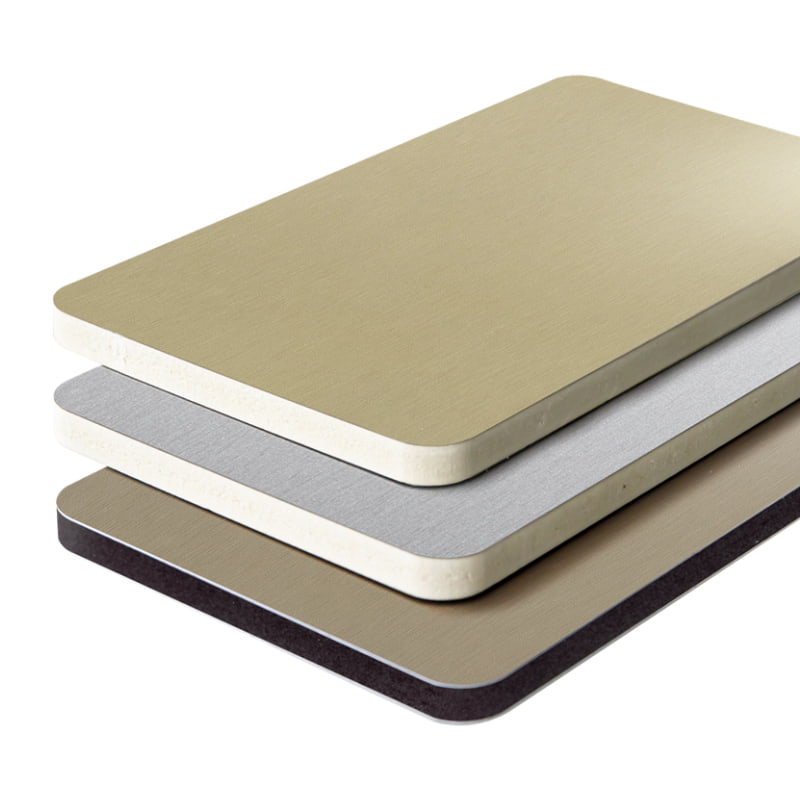
Most products share a similar layered architecture. Each layer serves a specific function, and understanding the stack helps buyers evaluate quality beyond the surface photograph.
The honeycomb arrangement inside the core is one reason the panel can be lighter than many natural materials while still resisting bending during handling. For procurement teams, the practical takeaway is that a well-built panel should show even layer thickness, clean edges and no visible delamination when a sample is sectioned or flexed gently.
Core Performance Advantages for Commercial Projects
Commercial buyers typically evaluate wall materials against three operational questions: how quickly can the surface be installed, how well will it perform after years of use, and how consistent will the finish be across a large order. The table below summarizes how carbon crystal panels compare with several common alternatives on these criteria.
| Criteria | Carbon Crystal Panel | Natural Stone Slab | Ceramic Tile | Painted Drywall |
|---|---|---|---|---|
| Installation method | Dry fixing with adhesive or clips | Heavy wet setting | Wet mortar and grouting | Multiple finishing stages |
| Relative weight | Light | Very heavy | Heavy | Light |
| Impact resistance | Good | Good, but brittle edges | Good, but chips easily | Low |
| Batch color consistency | High with controlled production | Variable by quarry block | High | Depends on applicator |
| Typical install speed | Fast | Slow | Moderate to slow | Moderate |
Dry installation shortens renovation schedules and reduces dust and water use inside occupied buildings.
Wear-resistant and impact-tolerant surfaces suit corridors, lobbies and high-traffic commercial zones.
Controlled extrusion keeps panel-to-panel color and texture steady across chain projects and repeat orders.
Surface Finishes and Where Each One Fits
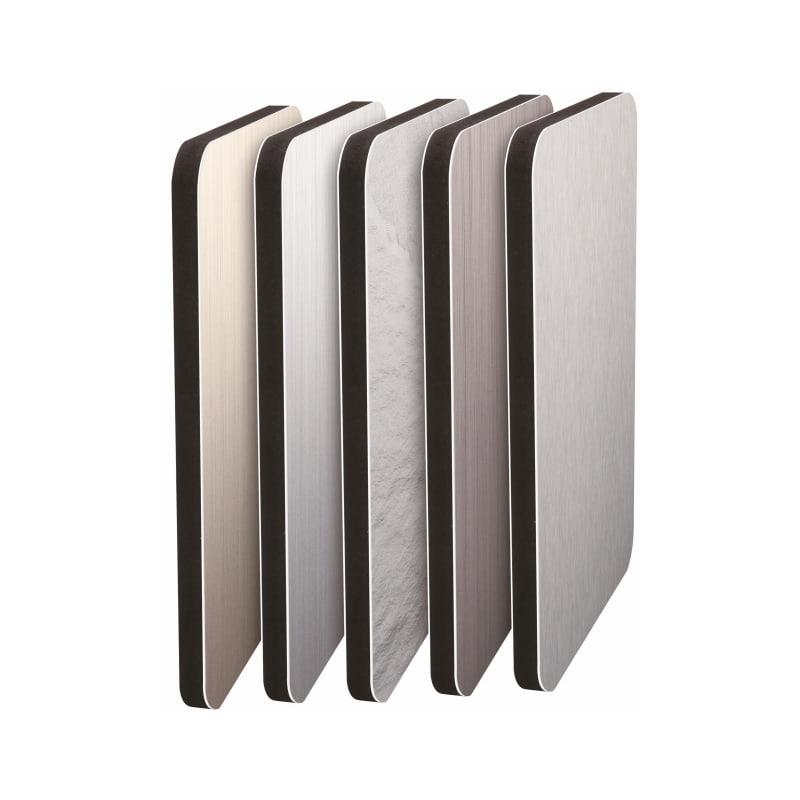
Finish selection is usually the first decision buyers make, and it shapes everything from lighting plans to furniture palettes. The main families are described below, with notes on the spaces where each tends to succeed.
Marble-Effect Finishes
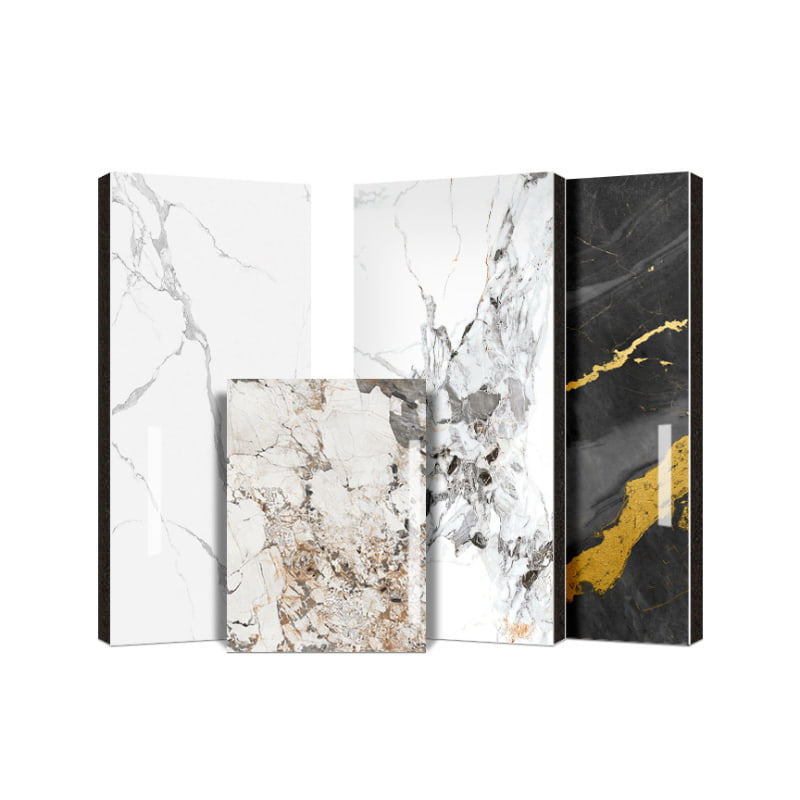
Marble-look carbon crystal panel designs reproduce veining and tonal variation at a fraction of the weight of natural marble. They are widely used in hotel lobbies, reception areas and feature walls in restaurants, where a luxurious impression is part of the brief.
Wood-Grain Finishes
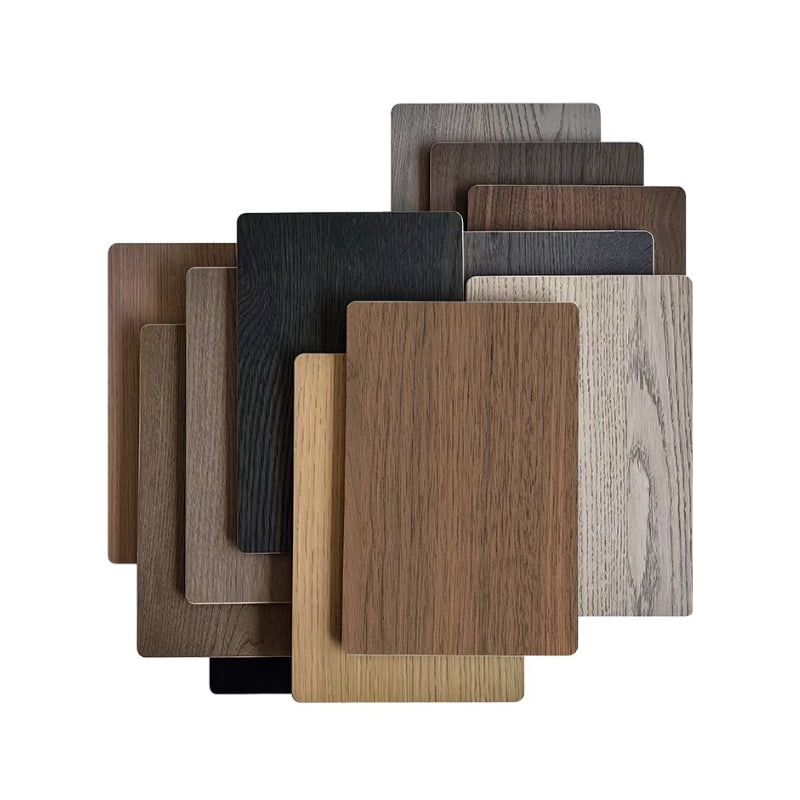
Wood-grain designs bring warmth to large surfaces. They suit guest rooms, apartment living areas and office spaces where a softer atmosphere is needed. Because the grain is printed rather than cut from timber, boards in a single order can be matched closely, which is valuable for corridors that run continuously.
Stone and Cement Textures
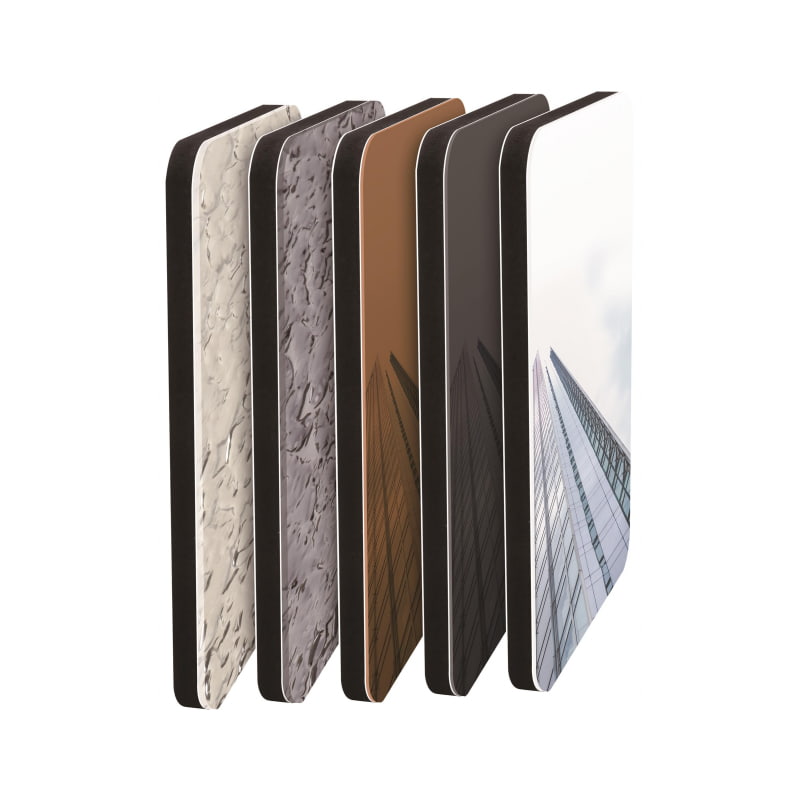
Mineral-inspired textures give a matte, tactile character that suits boutique hotels and modern cafes. These finishes hide fingerprints and minor marks better than high-gloss surfaces.
Solid-Color and Skin-Feel Panels
Solid tones are the most neutral option and integrate easily with flooring, furniture and lighting. Skin-feel matte versions offer a soft touch and reduce glare, which makes them practical for offices, clinics and schools.
PET Metal and Special Decorative Surfaces
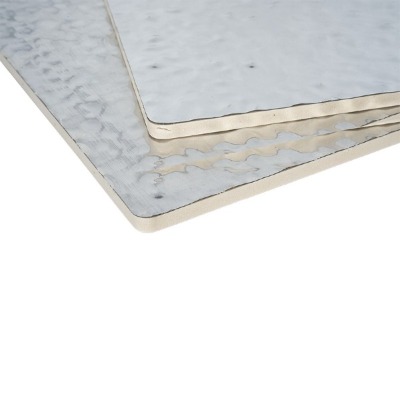
Metallic, mirror-like and water-wave textures are typically reserved for accent walls in boutique retail and high-end commercial spaces. They should be used in controlled amounts, since a large area of reflective surface can become visually tiring.
Suggested finish mapping by project type
Project Applications and Selection Guidance
Different building types place different demands on wall surfaces. The notes below reflect common selection patterns observed across hotel, residential and commercial fit-outs, and they are intended as a starting framework rather than a fixed rule.
Hotel Projects
Hotels often combine several finish families within one property. A typical approach is to use marble effects in public lobbies, warm wood tones in guest rooms and matte stone textures in corridors. Consistency across floors matters more than any single finish, so buyers should confirm that the same production batch can cover the full scope.
Guest room headboard walls: wood grain or soft solid tones for a calm backdrop
Corridors and elevator lobbies: impact-resistant matte finishes that tolerate trolley and luggage contact
Reception and lounge feature walls: marble-effect designs for visual impact
Bathroom dry zones: finishes chosen with the edge-sealing and water-exposure guidance below in mind
Apartment and Residential Projects
In multi-unit developments, color stability between batches is the main risk. A developer fitting out two hundred units over several months needs assurance that the last delivery will match the first. Asking the supplier for batch retention samples is a sensible safeguard.
Commercial Interiors
Retail spaces can carry bolder marble and stone designs because the surfaces support brand presence. Offices and clinics generally favor neutral wood grain or solid matte panels, which reduce visual noise and age gracefully under constant use.
Bathroom and Humid Environments
Carbon crystal panels are suitable for dry areas and humid indoor environments when installed correctly. They are not recommended as a direct substitute for tile in zones that receive continuous water splashing unless the complete wall system has been professionally evaluated. Three factors determine long-term performance:
Edge sealing, which prevents moisture from wicking into the core along cut edges
Adhesive selection, which must be compatible with both the panel back and the substrate
Wall preparation, which requires a flat, dry and structurally sound base
Bulk Procurement Checklist for Distributors and Project Buyers
A disciplined sourcing process reduces the risk of costly mismatches. The following checklist covers the stages most often overlooked when buyers move from sample approval to volume production.
| Stage | What to Verify | Why It Matters |
|---|---|---|
| Design fit | Finish suits budget, target market and installation environment | Prevents specifying a finish that clashes with the project tone |
| Sample review | Color and texture checked under site lighting, not only showroom light | Warm and cool lamps shift perceived color significantly |
| Supply terms | Unit price, minimum order quantity, packaging and lead time | Defines real landed cost and schedule risk |
| Accessories | Edge trims, adhesives, fixing clips and joint profiles included | Missing accessories can delay installation |
| Replacement supply | Confirmed availability of the same batch for future repairs | Protects against visible mismatch years later |
Market Positioning Across Wall Cladding Options
Carbon crystal panels generally sit in the mid to upper segment of wall cladding, while PVC panels serve budget renovation work. Distributors often find it useful to build a tiered range that covers both segments, so that a single supplier relationship can serve several customer groups.
PVC panels for rapid, low-cost renovation in standard residential and office spaces.
Carbon crystal panels in wood grain and solid colors for the widest range of commercial projects.
Marble-effect and PET metal designs for hotel lobbies, retail and feature installations.
OEM Customization and Stocking Strategy
Distributors and importers frequently ask whether the manufacturing side can adapt the product to a local market. Common options include custom surface colors, specific panel dimensions, tailored packaging and private-label branding. Availability depends on order volume and lead time, so early discussion is essential.
A practical stocking approach is to hold three to five core designs rather than a long list of slow-moving SKUs. Premium marble or stone for high-end projects, wood grain for warm residential interiors and neutral solid colors for large commercial contracts usually cover most demand.
Frequently Asked Questions
Q1: Which carbon crystal panel finish is most requested in commercial projects?
Wood-grain and solid matte finishes are generally the most versatile, because they suit offices, hotels and residential spaces alike. Marble-effect designs are often specified for lobbies and feature walls where visual impact matters most.
Q2: Can carbon crystal panels be installed in hotel bathrooms?
They can be used in dry and humid indoor areas when edge sealing, adhesive selection and wall preparation are handled properly. For continuously wet zones, a professional evaluation of the full wall system should come first.
Q3: How should buyers check color consistency across a large order?
Request production batch information, review samples under the actual project lighting and ask for retention samples from each batch. Comparing pieces side by side before installation helps catch variation early.
Q4: Is OEM customization realistic for smaller distributors?
It depends on order volume. Custom colors, dimensions and private-label packaging are usually easier to arrange with larger commitments, so smaller buyers may start with standard designs and add customization as their volume grows.
Q5: Why is a sample stage important before bulk ordering?
Samples reveal how a finish behaves under real lighting, how it feels to the touch and whether it fits the intended interior palette. Skipping this step is one of the most common causes of costly rework in wall cladding projects.
Final Sourcing Recommendations
A successful carbon crystal panel project balances visual goals with procurement discipline. Choose finishes that match the space and the audience, verify performance in the conditions where the panel will live, and build a supply relationship that can deliver the same batch from the first order to the last. Buyers who plan around these points tend to avoid the delays and mismatches that undermine many interior programs.
To explore available designs, request physical samples and receive a project quotation, share your target market, order quantity, preferred finish and project type so the supplier can recommend a suitable range.