EN
EN English
  русский
  Español
  عربى
عربى 
Wood-Plastic Composite (WPC) wall panels have rapidly gained popularity in both residential and commercial building projects due to their unique blend of aesthetic appeal and practical functionality. These innovative panels offer a cost-effective alternative to traditional wood and other cladding materials, providing an ideal solution for those seeking a natural wooden look without the associated maintenance concerns.
Understanding WPC Wall Panels: Composition and Benefits
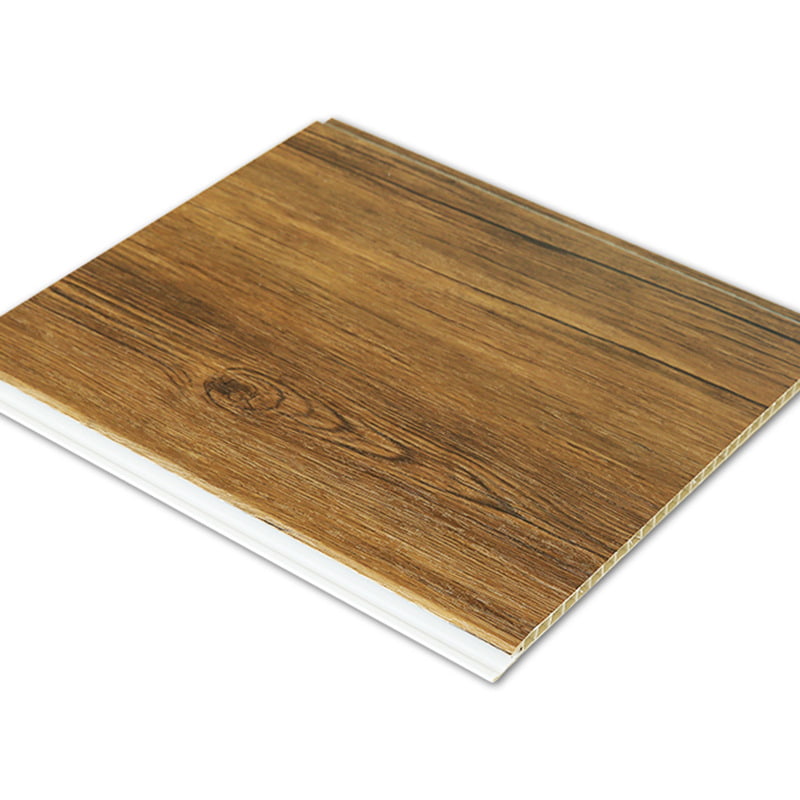
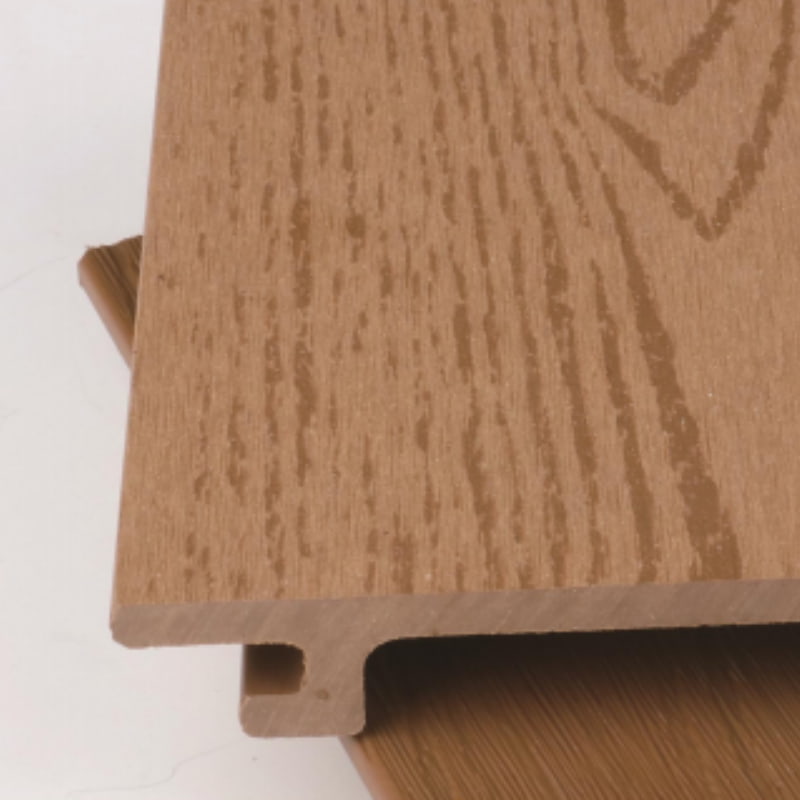
WPC wall panels are made by combining wood fibers or wood flour with polymer resins, which results in a composite material that combines the natural appearance of wood with the strength and resilience of plastic. Typically, the panels consist of three layers:
- Core Layer: This layer is composed of a robust mixture of wood fibers and plastic resins, ensuring structural integrity and long-lasting durability.
- Decorative Layer: This layer features a wide variety of colors, textures, and patterns to replicate the natural grain of wood, allowing for an appealing aesthetic that suits different design preferences.
- Protective Layer: The protective coating offers resistance to moisture, UV radiation, mold, termites, and impact damage, making the panels highly durable for both interior and exterior applications.
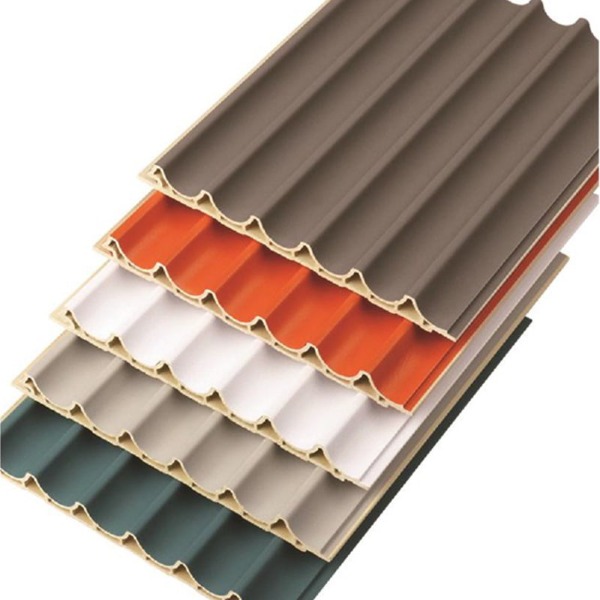
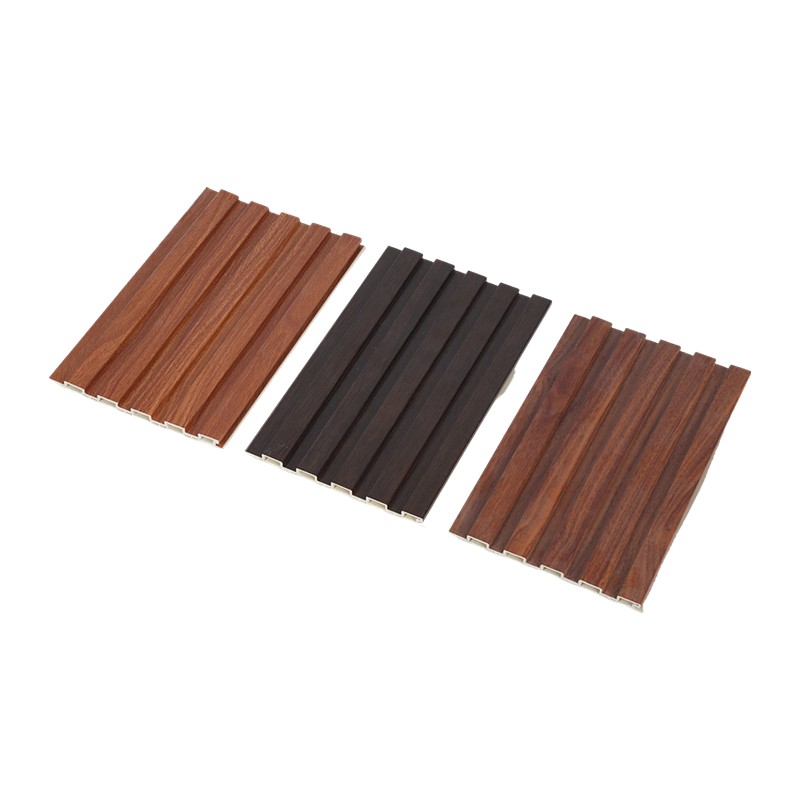
WPC wall panels are designed to be lightweight yet strong, resistant to fading, and easy to maintain, making them a highly sought-after material for modern construction projects. They are suitable for applications such as WPC exterior cladding, wood veneer WPC wall panels, and interior wall panels.
Factors to Consider When Choosing WPC Wall Panels
Material Composition and Quality
The quality of the WPC wall panels largely depends on the ratio of wood fibers to polymer resins. High-quality WPC panels typically contain a higher percentage of wood fibers, which enhances their aesthetic appeal and texture. However, the type of resin used also plays a crucial role in the material’s strength and longevity. Opting for WPC wall panel manufacture that uses high-quality materials ensures a superior product with better performance and durability.
Durability and Weather Resistance
One of the standout features of WPC panels is their exceptional durability, especially when exposed to harsh weather conditions. WPC panels are resistant to UV radiation, making them less likely to fade or discolor over time. Additionally, they are impervious to moisture, ensuring that they do not warp, crack, or rot, unlike natural wood. When choosing WPC panels for outdoor use, it is essential to ensure that the panels have a high resistance to moisture and environmental elements, particularly if you plan to use them for WPC exterior cladding or other outdoor applications.
Aesthetic Appeal
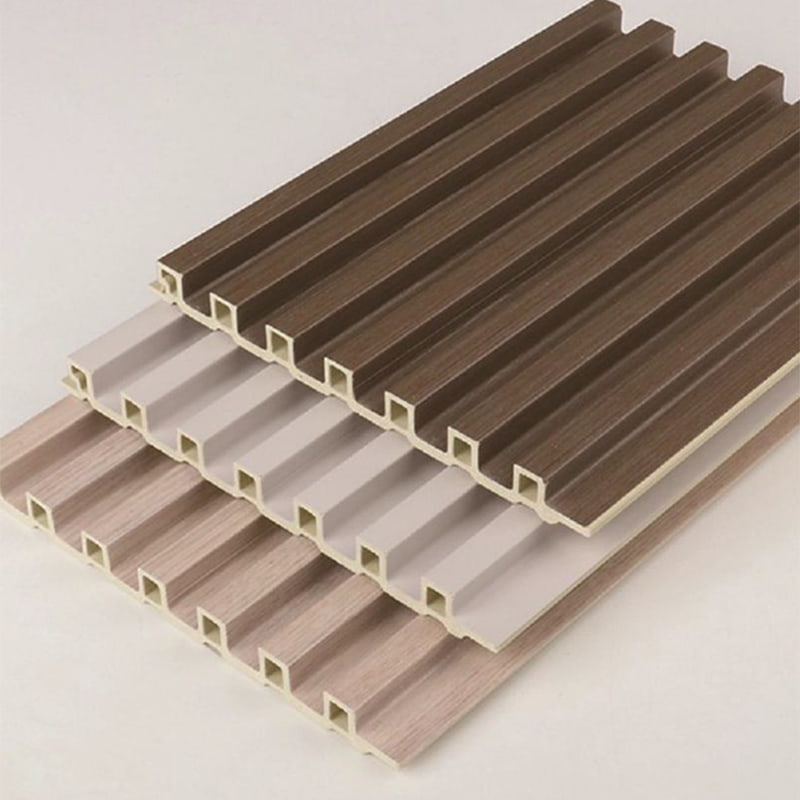
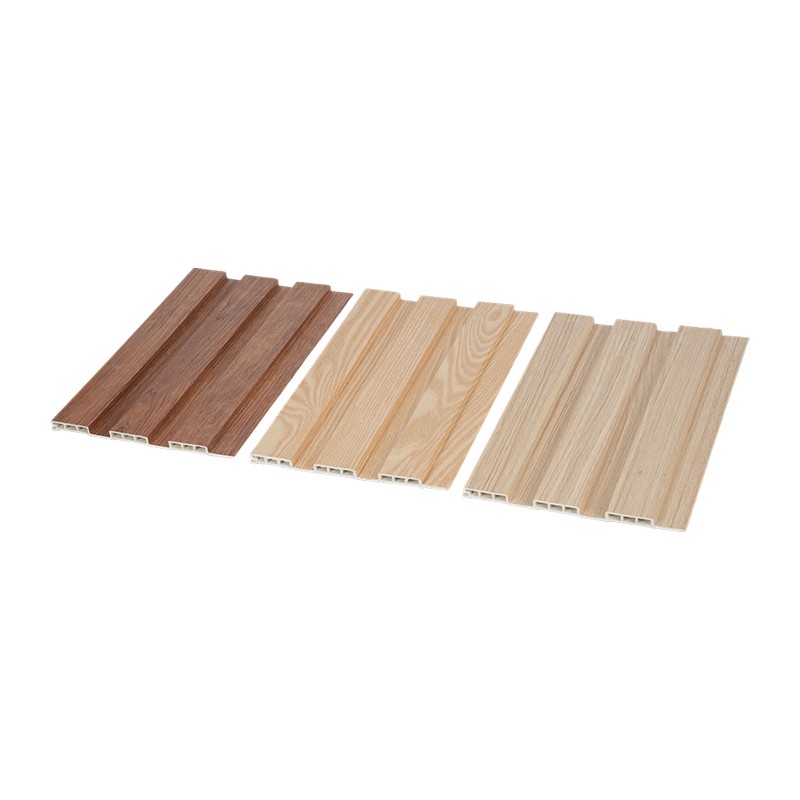
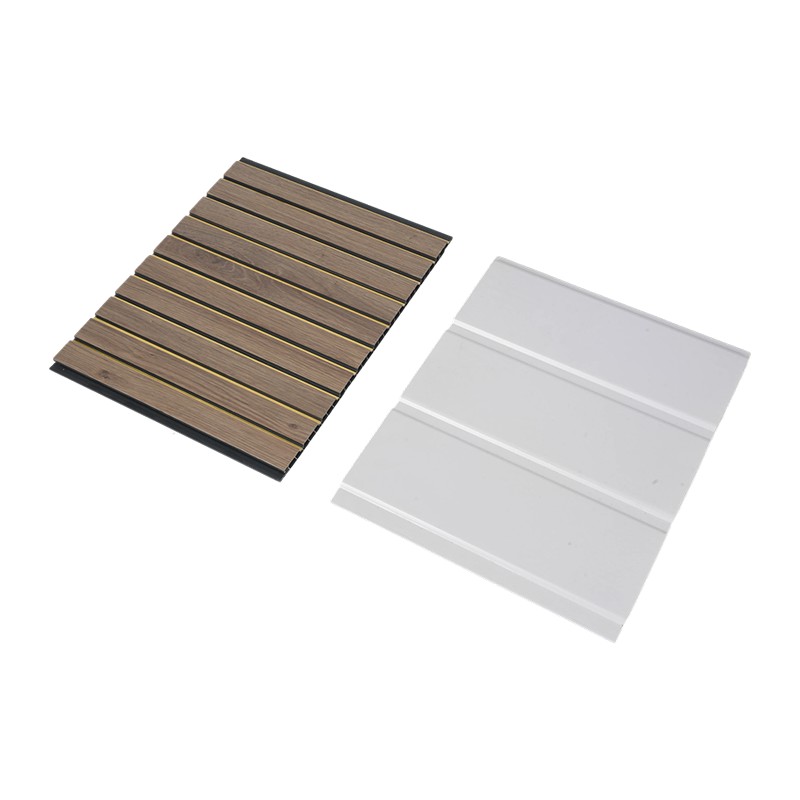
WPC wall panels are available in a range of colors and textures, making them versatile for various design preferences. The wood veneer WPC wall panels are particularly popular for their ability to replicate the natural appearance of wood. These panels offer the aesthetic appeal of traditional wood but with the added benefits of enhanced durability and low maintenance.
When selecting the right panels, consider the overall design theme of your project. WPC panels are available in various finishes, from classic wood tones to contemporary colors, ensuring that you can find an option that complements your interior or exterior design.
Cost-Effectiveness
While WPC panels may be priced higher than some other materials, they are still considered a cost-effective alternative to natural wood and other cladding materials. The WPC wall panel provides an excellent balance between affordability and long-term performance. In terms of cost-effectiveness, WPC panels reduce the need for frequent replacements or maintenance, making them a wise investment for homeowners and business owners alike.
Ease of Installation
The ease of installation is another critical factor when choosing WPC wall panels. These panels are typically designed to be easy to handle and install, whether you’re applying them for WPC exterior cladding or interior use. Most WPC panels are designed with interlocking systems or tongue-and-groove features that simplify the installation process, making them an ideal choice for both DIY enthusiasts and professional contractors.
When considering installation, it is essential to review the panel’s weight and ease of handling. Lighter panels are easier to install and require less labor, potentially reducing the overall cost of installation.
Environmental Considerations
WPC panels are often considered more environmentally friendly than traditional wood products. The use of wood fibers and recycled plastics in the composition of WPC panels helps reduce deforestation and repurposes plastic waste, making them a more sustainable option. Additionally, WPC panels can be recycled at the end of their life cycle, further enhancing their environmental credentials.
When choosing WPC wall panels, it’s crucial to inquire about the sustainability practices of the WPC wall panel manufacturer and ensure they adhere to eco-friendly production standards.
Maintenance and Longevity
One of the primary reasons for choosing WPC panels over natural wood is the low maintenance required. Unlike wood, which needs periodic sealing, painting, or staining, WPC panels only require occasional cleaning with soap and water. The protective layer on the panels also ensures that they are resistant to termites, mold, and mildew, reducing the need for maintenance and ensuring their longevity.
Applications of WPC Wall Panels
WPC wall panels are highly versatile and can be used in various applications, including:
- Interior Wall Cladding: WPC panels offer a stylish and functional solution for interior walls, providing the aesthetic appeal of wood while being easy to clean and maintain.
- Exterior Cladding: With their UV resistance and moisture protection, WPC panels are ideal for cladding exterior walls and facades.
- Ceiling Panels: WPC panels can also be used on ceilings, offering a modern, natural wood look without the drawbacks of traditional wood.
- Commercial and Residential Projects: Whether for a commercial building, office space, or residential home, WPC wall panels provide a durable and aesthetically pleasing solution for all types of projects.
WPC Wall Panel Comparison Table
| Feature | WPC Wall Panels | Traditional Wood Panels |
|---|---|---|
| Material Composition | Wood fibers + Polymer resins | Natural wood |
| Aesthetic Options | Various colors, textures, wood finishes | Limited to natural wood finishes |
| Durability | Highly durable, UV resistant, moisture-proof | Prone to fading, warping, and rotting |
| Maintenance | Low maintenance, easy to clean | Requires regular treatment (sealing, painting) |
| Installation | Easy installation with interlocking system | Requires professional installation |
| Cost | More affordable than natural wood | Generally more expensive |
FAQ
Q1: How long do WPC wall panels last?
WPC wall panels can last for several decades, especially when used in exterior applications. The combination of wood fibers and plastic resins ensures that the panels remain durable and resistant to wear and tear, even in harsh environmental conditions.
Q2: Can WPC panels be used for both interior and exterior applications?
Yes, WPC panels are versatile and can be used for both interior wall cladding and exterior applications. Their resistance to moisture, UV radiation, and impact makes them suitable for a wide range of uses.
Q3: Are WPC wall panels resistant to termites?
Yes, one of the key benefits of WPC wall panels is their resistance to termites and other pests, making them an excellent choice for areas where wood infestation is a concern.
Q4: How do I clean WPC wall panels?
Cleaning WPC panels is simple. Just use mild soap, water, and a soft cloth to wipe the panels. Avoid harsh chemicals or abrasive cleaners that could damage the surface.
Q5: Are WPC panels eco-friendly?
WPC panels are considered environmentally friendly as they are made from recycled wood fibers and plastic. Additionally, they can be recycled at the end of their life cycle, making them a sustainable option.