EN
EN English
  русский
  Español
  عربى
عربى 
Introduction
The choice of wall materials plays a significant role in determining the overall aesthetic and longevity of a space. When it comes to wall paneling, two popular options are WPC (Wood Plastic Composite) wall panels and traditional wood panels. Both materials offer distinct advantages, but their durability, in particular, is a critical factor for many homeowners and builders.
Understanding WPC Wall Panels
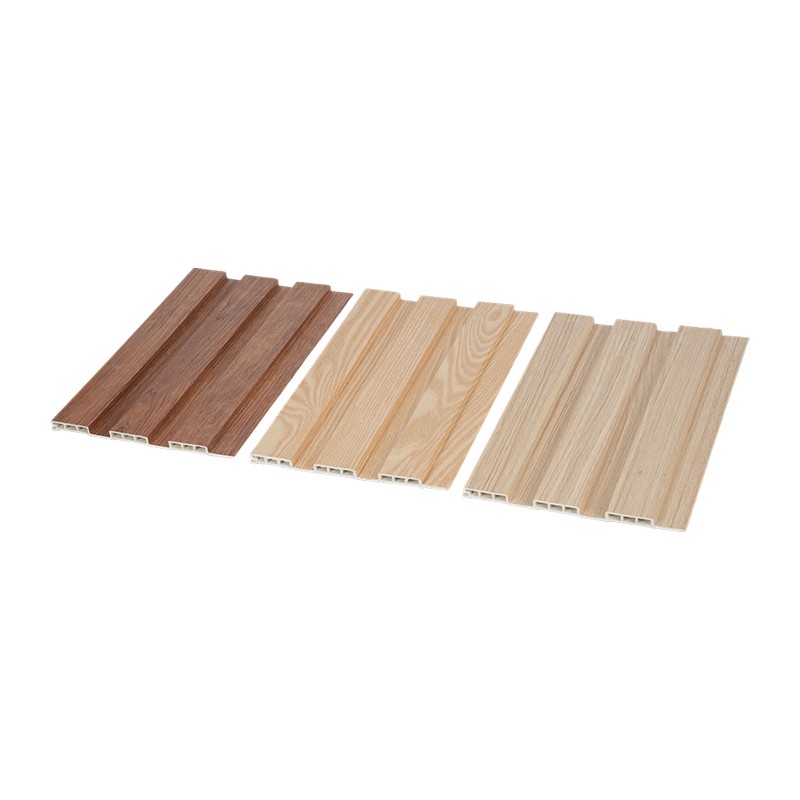
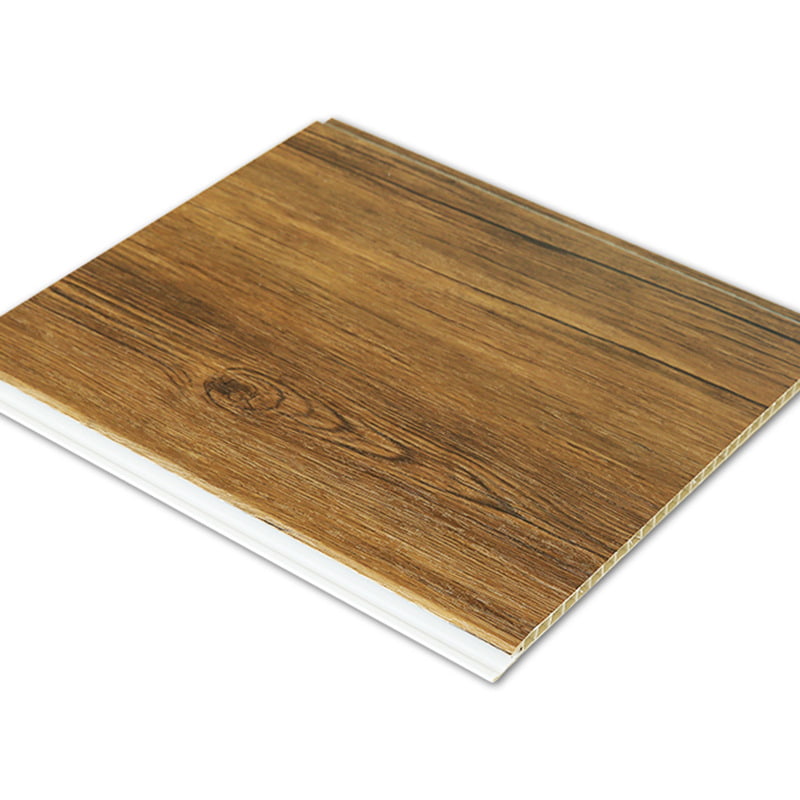
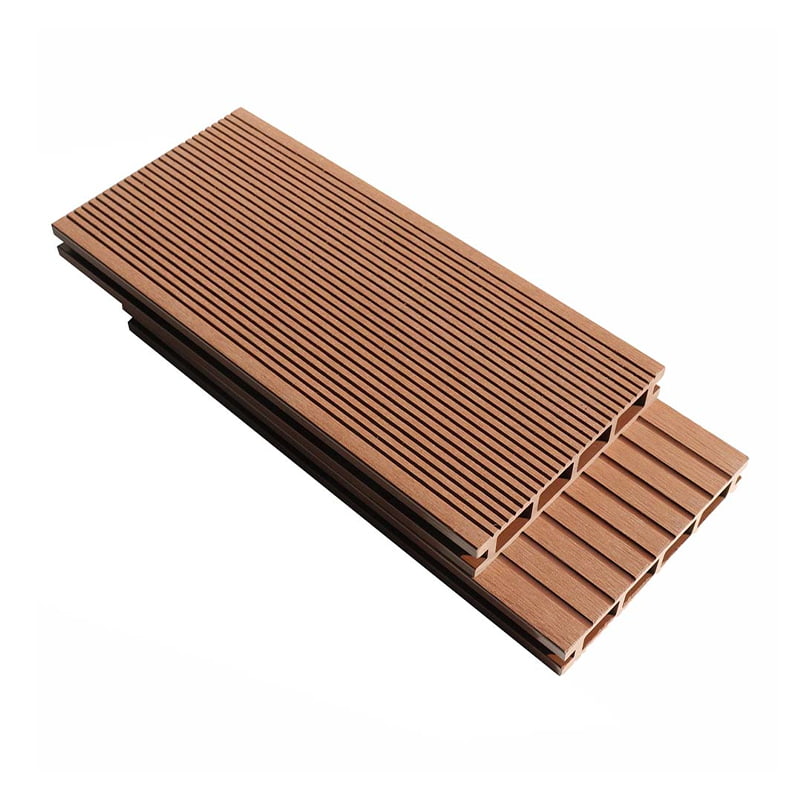
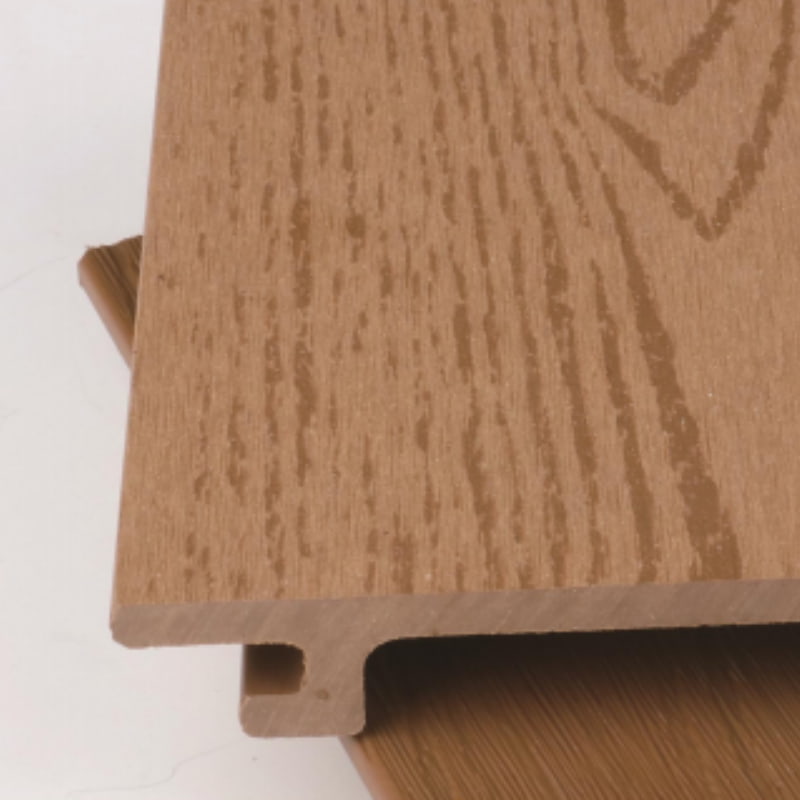
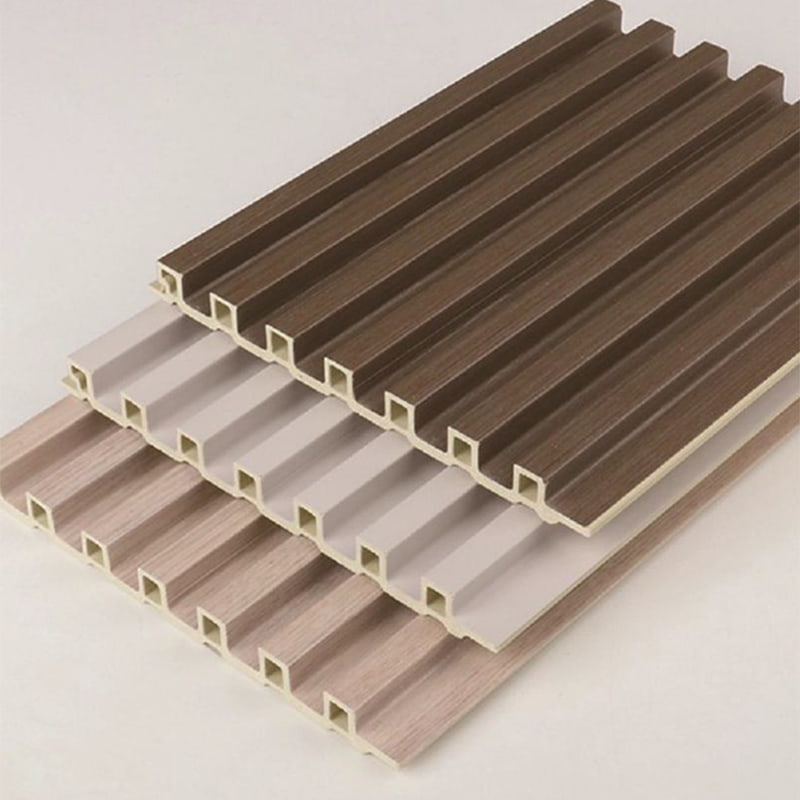
WPC wall panels are made from a mixture of wood fibers, plastics, and sometimes additives that enhance their durability and resistance to various environmental factors. The combination of wood and plastic makes these panels strong and versatile, offering a modern solution for both residential and commercial spaces. WPC wall panels are widely used due to their water resistance, low maintenance, and longevity.
Traditional Wood Panels
Traditional wood panels, on the other hand, are made entirely from wood. They are often chosen for their natural beauty, warmth, and unique grain patterns. However, wood panels are susceptible to various environmental influences such as moisture, temperature changes, and pests. Over time, untreated wood panels can suffer from warping, cracking, and rotting, reducing their lifespan.
Durability Comparison
Resistance to Moisture and Humidity
-
WPC Wall Panels: One of the main advantages of WPC wall panels is their excellent resistance to moisture. The plastic component of the WPC mixture provides a waterproof layer that prevents the material from swelling, warping, or rotting when exposed to high humidity or water. This makes WPC wall panels ideal for areas prone to moisture, such as bathrooms and kitchens.
-
Wood Panels: Traditional wood panels are highly susceptible to moisture. If exposed to high humidity or water, wood can absorb moisture, causing it to expand, warp, or even develop mold. To prevent this, wood panels must be treated with sealants, varnishes, or paints, which can wear off over time and require regular maintenance.
Resistance to UV Radiation
-
WPC Wall Panels: WPC wall panels are designed to withstand UV radiation. The materials are often treated with UV stabilizers, ensuring that the panels retain their color and integrity over time, even when exposed to direct sunlight. This UV resistance contributes to their long-lasting appearance and reduces the need for frequent replacements.
-
Wood Panels: Wood panels, although beautiful, are vulnerable to UV radiation. Prolonged exposure to the sun can cause wood to fade, discolor, and degrade. To maintain their appearance, wood panels require regular treatment with UV-protective coatings, adding to maintenance costs and effort.
Resistance to Pests and Insects
-
WPC Wall Panels: WPC panels are resistant to termites, woodworms, and other common pests that often damage traditional wood materials. The plastic content in the composite material makes it unattractive and inhospitable for insects, adding an extra layer of durability.
-
Wood Panels: Wood panels, especially untreated ones, are prone to insect infestations. Termites, carpenter ants, and other pests can cause significant damage to wood structures, weakening the material and reducing its lifespan.
Maintenance and Cleaning
-
WPC Wall Panels: WPC wall panels are low-maintenance. They do not require regular sealing, painting, or staining like wood panels. Cleaning is straightforward, often requiring only a damp cloth to wipe down the surface. The material’s resistance to stains and dirt makes it easier to maintain its appearance over time.
-
Wood Panels: Wood panels require more maintenance to retain their beauty and durability. They need to be regularly sealed or repainted to prevent moisture damage and fading. Additionally, wood panels may require sanding or refinishing to remove scratches and dents caused by daily wear and tear.
Cost and Longevity
While WPC wall panels often have a higher initial cost compared to traditional wood panels, their extended lifespan and low-maintenance nature make them a cost-effective solution in the long run. Wood panels, while more affordable upfront, can incur higher maintenance and replacement costs due to their susceptibility to damage and the need for regular upkeep.
Key Benefits of WPC Wall Panels
Long-Term Durability: WPC panels offer exceptional resistance to weather, moisture, and pests, ensuring they last longer than traditional wood panels.
Low Maintenance: These panels require little to no maintenance, which saves both time and money for homeowners and builders.
Environmental Resistance: WPC panels are ideal for outdoor applications and in areas with high moisture content, such as bathrooms and kitchens.
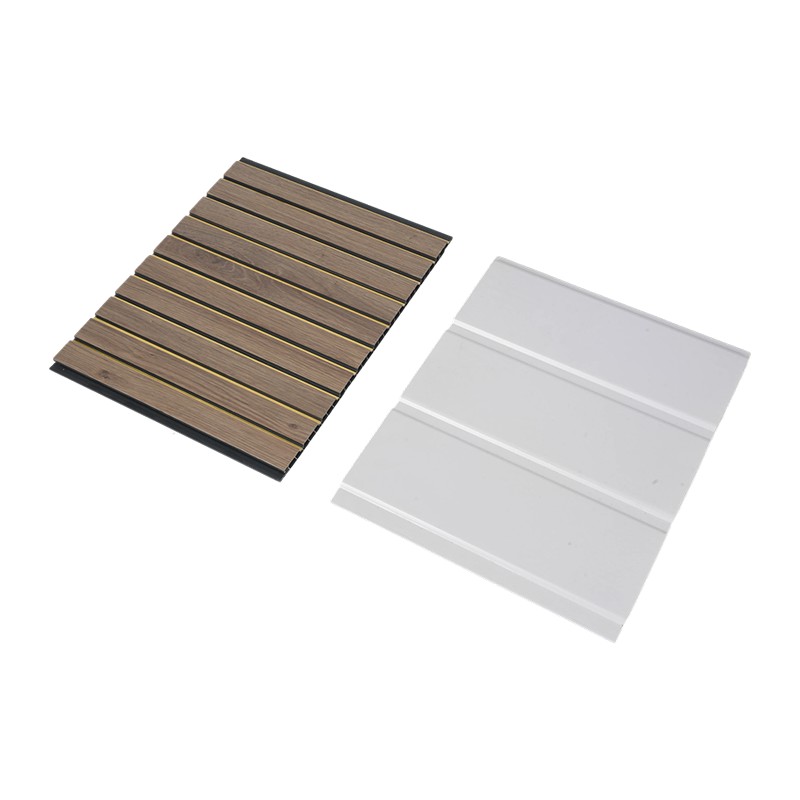
Aesthetic Flexibility: Available in various finishes and designs, WPC wall panels can mimic the appearance of wood while offering superior durability.
FAQ
1. What is the lifespan of WPC wall panels?
WPC wall panels typically last 20-30 years, depending on the environmental conditions and care taken during installation.
2.Do WPC wall panels require maintenance?
WPC panels require minimal maintenance compared to wood panels. A periodic cleaning with a damp cloth is usually sufficient.
3. Can WPC wall panels be used outdoors?
Yes, WPC wall panels are highly resistant to moisture and UV radiation, making them suitable for outdoor applications like patios and exterior walls.
4. How do WPC panels compare to wood panels in terms of cost?
While WPC panels may have a higher initial cost, their long-term durability and low maintenance make them a cost-effective option over time.
5. Are WPC panels environmentally friendly?
Yes, WPC panels are made from a combination of recycled wood fibers and plastics, making them a more environmentally friendly choice than traditional wood panels.