EN
EN English
  русский
  Español
  عربى
عربى 
Understanding the Basics: What is PET Lamination Film?
In the ever-evolving world of interior design and surface protection, materials science has delivered a powerful contender: Polyethylene Terephthalate, or PET, in film form. But what exactly is PET Lamination Film, and why is it rapidly gaining traction over traditional laminates and veneers? At its core, PET film is a high-performance, thermoplastic polymer film known for its exceptional clarity, strength, and dimensional stability. Unlike pressure-sensitive laminates that rely on adhesives that can yellow over time, PET films are often applied using heat and pressure, creating a permanent, molecular bond with the substrate. This process results in a surface that is not only visually stunning but also remarkably resilient. It serves as a shield, protecting the underlying material—be it MDF, particleboard, or metal—from the rigors of daily use while simultaneously providing a beautiful, uniform finish. The versatility of this material allows it to be manufactured in a vast array of textures and colors, giving rise to what is now broadly known as PET decorative film, a category that is redefining the aesthetics of modern spaces.
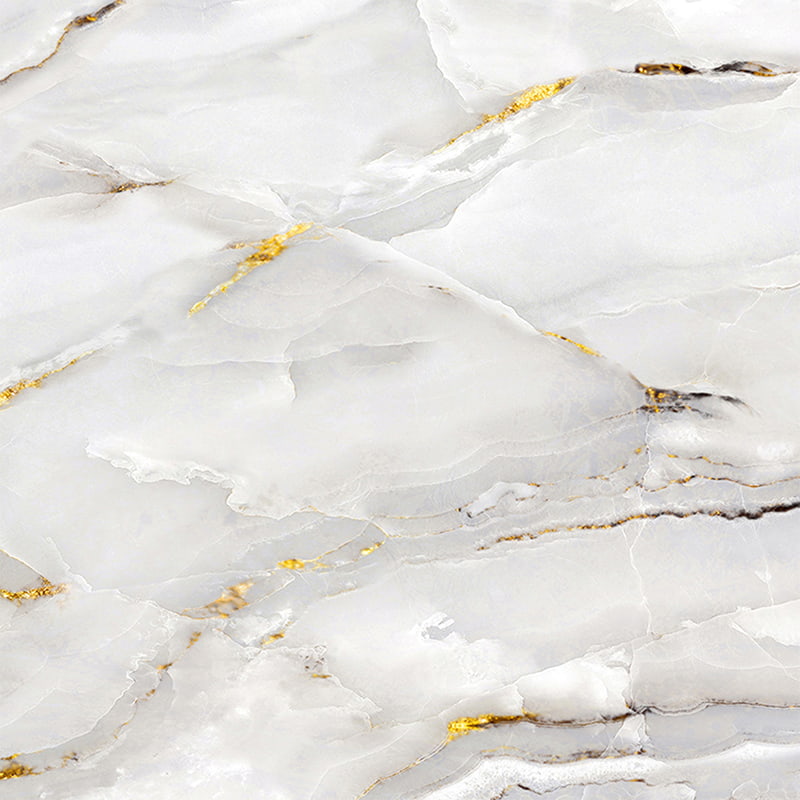
- Defining PET Film: Beyond a Simple Protective Layer - PET film is engineered for multifunctionality. It acts as a barrier against moisture, UV radiation, and physical abrasion, while its surface can be treated to be matte, high-gloss, or textured with realistic wood grains or stone patterns.
- Key Characteristics: Durability, Aesthetics, and Versatility - The trifecta of PET's appeal lies in its robust nature, which resists peeling and cracking; its ability to mimic high-end materials flawlessly; and its adaptability to nearly any flat surface, from furniture and cabinetry to wall panels.
- How PET Decorative Film is Revolutionizing Surface Design - This technology democratizes high-end design. It allows for the creation of luxurious, durable surfaces without the cost, maintenance, or environmental impact of solid wood or stone, making sophisticated design accessible for a wider range of projects.
Practical Application Guide: How to Apply PET Lamination Film on Furniture Like a Pro
Transforming a worn-out piece of furniture or creating a custom look from scratch is entirely achievable with PET lamination film, but success lies in the preparation and execution. The process, while straightforward, demands attention to detail to achieve a professional, bubble-free finish that will last for years. This guide is designed to walk you through the essential steps, turning a potentially daunting task into a manageable and rewarding DIY project. The key is to treat the application not as a simple sticker-on process, but as a precise craft. We will delve into the critical preparation phase that ensures optimal adhesion, outline the step-by-step method for a seamless application, and provide pro-tips for troubleshooting common issues. By following these guidelines, you can revitalize your furniture with a durable, beautiful surface that looks as if it came from a high-end workshop.
- Essential Tools and Preparation Steps for a Flawless Finish - Before you even unroll the film, gather your tools: a measuring tape, a sharp utility knife or cutter, a squeegee or rigid plastic card, a heat gun (for curved surfaces), and a cleaning cloth. The preparation of the furniture surface is paramount; it must be thoroughly cleaned, sanded smooth, and completely free of dust, grease, and moisture.
- Step-by-Step Installation Process - Begin by precisely measuring and cutting the film, leaving a slight overhang on all edges. Position the film carefully, as repositioning can be difficult. Use the squeegee to press the film onto the surface, starting from the center and pushing outwards to expel air. Work methodically in small sections.
- Pro-Tip: Achieving a Bubble-Free Application - For small, trapped bubbles, gently lift the nearest edge and re-squeegee the area. For persistent bubbles, a tiny pinprick at the edge of the bubble can allow you to press the air out without leaving a visible mark.
- Common Mistakes to Avoid During Installation - Avoid rushing the cleaning process, as any contaminant will show through. Don't stretch the film during application, as it will retract over time. Finally, use a sharp blade for trimming; a dull blade will tear the film and create jagged edges.
- Post-Installation Care and Maintenance - Once applied, the surface is highly durable. Clean it with a soft cloth and mild, non-abrasive cleaner. Avoid harsh chemicals or scouring pads, which can dull the finish over time.
Material Showdown: Waterproof Wall Decorative PET Film vs PVC
When selecting a surface material for walls, especially in areas prone to moisture, the choice between waterproof wall decorative PET film and traditional PVC film is a critical one. Both materials offer waterproof properties, but they diverge significantly in terms of performance, environmental impact, and aesthetic quality. This comparison aims to provide a clear, detailed analysis to help you make an informed decision for your specific project needs. We will dissect their performance under pressure, evaluate their health and environmental credentials, and analyze the cost-benefit ratio over the long term. Understanding these nuances is key to selecting a material that not only looks good on day one but also stands up to the demands of its environment and aligns with modern sustainability goals. The right choice enhances both the value and the longevity of your interior space.
- Head-to-Head Comparison: Performance and Durability - Both materials are inherently waterproof, making them suitable for bathrooms and kitchens. However, PET film generally offers superior resistance to scratching, yellowing from UV exposure, and high temperatures compared to standard PVC films.
- Cost-Benefit Analysis: Which Offers Better Long-Term Value? - While PVC might have a lower initial material cost, PET's superior durability and longer lifespan mean it often provides better value over time, reducing the need for replacement or repairs.
- Verdict: Choosing the Right Material for Your Project - For high-traffic areas, spaces with significant sun exposure, or projects where indoor air quality is a top priority, waterproof wall decorative PET film is the superior choice. For low-traffic, low-budget applications where UV resistance is less of a concern, PVC may remain a viable option.
| Feature | Waterproof Wall Decorative PET Film | PVC Film |
| Water & Humidity Resistance | Excellent; completely impermeable. | Excellent; completely impermeable. |
| Scratch & Abrasion Resistance | Very High; surface is hard and durable. | Moderate; more prone to surface scratches. |
| UV & Yellowing Resistance | Excellent; highly resistant to UV degradation. | Fair to Poor; prone to yellowing over time, especially with sunlight exposure. |
| Environmental Impact & Health | Generally considered safer; can be produced with low to zero VOCs and is highly recyclable (Recycling code #1). | Concerns exist regarding the release of plasticizers (phthalates) and dioxins during production and disposal; less recyclable (Recycling code #3). |
Unlocking Key Benefits: Why Use PET Decorative Film for Kitchen Cabinets?
The kitchen is the heart of the home, but it's also one of the most hostile environments for interior surfaces. Cabinets are constantly exposed to cooking grease, steam, splatters, scratches from utensils, and the general wear and tear of a high-traffic area. This is precisely why PET decorative film for kitchen cabinets has emerged as a game-changing solution. It offers a trifecta of benefits that directly address the unique challenges of the kitchen environment, providing a surface that is not only aesthetically versatile but also incredibly tough and easy to maintain. This section explores the compelling reasons to specify PET film for your next kitchen project, whether it's a full remodel or a simple cabinet refresh. We will examine how its durability translates to real-world longevity, how its non-porous surface simplifies cleaning, and how it can achieve virtually any design style without the hefty price tag of traditional materials.
- Unmatched Durability Against Scratches, Heat, and Stains - PET film creates a resilient shield that can withstand the daily impacts of kitchen life. It resists scratches from pots and pans, tolerates moderate heat without warping, and its non-porous surface prevents stains from coffee, wine, and oil from penetrating.
- Effortless Maintenance: The Easy-Clean Kitchen Dream - The smooth, non-porous surface of PET film means that spills and splatters can be wiped away effortlessly with a damp cloth and mild detergent. There is no need for special cleaners or harsh scrubbing, making kitchen upkeep a breeze.
- Aesthetic Versatility: Achieving Any Style, from Modern to Classic - Whether you desire a sleek, high-gloss modern look, a warm matte finish, or a convincing wood grain, PET decorative film can deliver. The technology allows for precise replication of textures and colors, enabling complete design freedom.
- A Cost-Effective Upgrade Compared to Full Cabinet Replacement - Refacing existing cabinets with PET film provides a transformative result at a fraction of the cost and time of a full demolition and replacement. It’s an intelligent way to achieve a high-end look without the budget-busting expense.
Budgeting Your Project: What is the Price of High Gloss PET Lamination Film?
Planning a renovation or new build requires a detailed understanding of material costs, and high gloss PET lamination film is no exception. The price of this premium material can vary significantly based on several key factors, and understanding these variables is crucial for creating an accurate budget. This section will demystify the pricing structure of high gloss PET film, providing a market overview and a framework for estimating your project costs. We'll explore how attributes like thickness, surface quality, and the complexity of the finish influence the price per square foot. Furthermore, we will guide you on how to account for the "hidden costs" of a project, such as tools and professional labor, and offer strategies for ensuring you receive the best possible value for your investment. A well-planned budget prevents surprises and ensures your project can be completed to the highest standard without financial strain.
- Understanding Price Factors: Thickness, Finish, and Brand - Thicker films generally cost more but offer greater durability. A flawless, deep high-gloss finish requires advanced manufacturing and will be priced higher than a standard gloss. While we avoid brand names, premium manufacturers often command higher prices due to consistent quality and advanced R&D.
- Average Cost per Square Foot: A Market Overview - The price for high gloss PET film can range widely. Budget-friendly options may start at a lower price point, while architectural-grade films with superior performance characteristics can be significantly more expensive. It's a market where you truly get what you pay for in terms of clarity and durability.
- Hidden Costs: Factoring in Tools and Labor (DIY vs. Professional) - If you're doing it yourself, budget for quality tools like a good cutter and squeegee. If hiring a professional, labor costs can double the material cost. However, professionals can achieve a perfect finish much faster, which can be worth the investment.
- How to Get the Best Value for Your Investment - Don't just choose the lowest price. Request samples to compare the quality of the gloss and the feel of the film. Consider the total lifecycle cost; a more expensive, more durable film may be cheaper in the long run as it won't need to be replaced.
The Green Choice: Is Eco-Friendly PET Lamination Film Viable for Interior Renovation?
As sustainability becomes a cornerstone of modern design, the environmental impact of every material choice is under scrutiny. In this context, eco-friendly PET lamination film presents a compelling case for use in interior renovation. Unlike some materials that carry a heavy environmental burden, PET offers a surprisingly green profile, particularly when viewed through the lens of its entire lifecycle. This section delves into the sustainability credentials of PET film, examining its composition, recyclability, and impact on indoor air quality. We will explore how choosing PET can contribute to healthier living spaces and even support green building certification goals like LEED. For architects, designers, and homeowners committed to reducing their ecological footprint without compromising on performance or aesthetics, understanding the viability of eco-friendly PET film is not just an option—it's becoming a responsibility.
- The Sustainability Profile of PET: Recyclability and Recycled Content - PET is the most widely recycled plastic in the world (symbol #1). Many manufacturers now produce PET films using a high percentage of post-consumer recycled (PCR) content, directly reducing landfill waste and the need for virgin petroleum-based materials.
- Healthier Indoor Air Quality: Low-VOC and Formaldehyde-Free Options - High-quality PET films are manufactured without harmful plasticizers and are inherently low in Volatile Organic Compounds (VOCs). They are also free of urea-formaldehyde, a common concern with other composite wood products, leading to better indoor air quality.
- Contributing to Green Building Certifications (e.g., LEED) - Using PET films with high recycled content can contribute to earning points in materials and resources categories of green building rating systems. Its low-VOC emission profile also helps meet indoor environmental quality criteria.
- Case Study: A Sustainable Renovation Project Using PET Film - Imagine a commercial office renovation. By refacing existing millwork with PET film instead of replacing it, the project diverts tons of construction waste from landfill. The choice of a low-VOC, recycled-content PET film further enhances the project's green credentials, creating a healthier workspace for occupants.
Conclusion: Making an Informed Decision for Your Next Project
The journey through the world of PET lamination film reveals a material that is as versatile as it is robust. From its superior durability and aesthetic flexibility to its significant environmental advantages, PET film stands out as a forward-thinking solution for a wide array of interior applications. Whether you are a DIY enthusiast looking to refresh furniture, a contractor seeking a reliable material for kitchen cabinets, or a designer aiming for sustainable and high-performance wall coverings, PET offers a compelling answer. By carefully considering the specific needs of your project—balancing cost, performance, and environmental impact—you can leverage this innovative material to achieve results that are both beautiful and built to last. The ultimate choice is clear: for modern interiors that demand both style and substance, PET lamination film is a solution worth serious consideration.
FAQ
Can PET lamination film be removed without damaging the surface underneath?
Removal largely depends on the type of PET film and the substrate. Heat-activated films, which create a strong molecular bond, are generally considered permanent and attempting to remove them can damage the underlying surface, such as MDF or particleboard. Some pressure-sensitive PET films might be removable, but there is always a risk of leaving adhesive residue or pulling off the top layer of the substrate. It's always best to assume it's a permanent application and test on an inconspicuous area first if removal is a possibility.
Is PET film safe for use in high-moisture areas like bathrooms?
Absolutely. One of the primary advantages of PET lamination film is its exceptional resistance to moisture. The film is non-porous and 100% waterproof, making it an ideal choice for applications in bathrooms, kitchens, and laundry rooms. It will not swell, warp, or delaminate when exposed to steam or direct water contact, unlike laminates or wood veneers that can be compromised by high humidity.
What is the difference between PET lamination film and PETG film?
While both are from the polyester family, their key difference lies in their properties and primary use. PET film is known for its exceptional hardness, stiffness, and dimensional stability, making it perfect for surface lamination where scratch resistance is key. PETG (Polyethylene terephthalate glycol-modified) is a modified version of PET that is less brittle and more impact-resistant, but it is softer and more prone to scratching. PETG is often used for thermoformed packaging, signs, and protective guards, whereas PET is the standard for high-quality decorative laminates.
How long does PET decorative film typically last on high-traffic surfaces?
When properly applied, high-quality PET decorative film is engineered for extreme longevity and can easily last 10-20 years or even longer on high-traffic surfaces like kitchen cabinets, commercial countertops, and wall panels. Its resistance to scratches, stains, and UV fading ensures that the surface maintains its original appearance for many years, far outperforming traditional laminates, paints, and veneers in the same environment.