

 EN
EN English
  русский
  Español
  عربى
عربى 








Understanding PVC Interior Film: A Modern Solution for Surface Transformation
In the world of interior design and renovation, achieving a high-end look without the high-end cost or extensive construction is a primary goal. PVC Interior Film has emerged as a revolutionary material that makes this possible. As a versatile, durable, and aesthetically flexible product, it offers an efficient way to upgrade a multitude of surfaces. This article delves into the core aspects of this innovative solution, exploring its types, applications, and the key benefits that make it a preferred choice for professionals and homeowners alike.
Core Concepts: Key Terminology Explained
Before exploring its applications, it's essential to understand the terminology surrounding PVC Interior Film. While often used interchangeably, specific terms highlight different facets of the product, from its general use to its specific function and aesthetic purpose.
| Keyword | Focus & Application |
|---|---|
| PVC Interior Film | The primary, all-encompassing term. It refers to any PVC-based film designed for interior surface application, focusing on its material composition and general use case. |
| Decorative PVC Film | Emphasizes the aesthetic role of the film. This term highlights its vast range of patterns, textures, and finishes used to enhance the visual appeal of a surface. |
| PVC Wall Decoration Film | Specifies the application area. This term is used when the film is primarily intended for covering and decorating wall surfaces, offering a quick alternative to paint or wallpaper. |
What is PVC Interior Film and How Does It Work?
PVC Interior Film is a multi-layered, flexible material made from polyvinyl chloride (PVC) resin. It is engineered with a protective top layer, a printed or colored pattern layer, and an adhesive backing. The magic of this film lies in its pressure-sensitive adhesive, which allows it to bond firmly to various substrates like wood, metal, glass, plastic, and existing painted surfaces. When applied with pressure, the adhesive creates a strong, lasting bond, effectively "wrapping" the surface in a new skin. This process is clean, quick, and often does not require professional installation, making it an accessible DIY solution.
Key Characteristics of PVC Interior Film:
- High Versatility: Can be applied to almost any smooth, non-porous interior surface, including furniture, cabinets, doors, and walls.
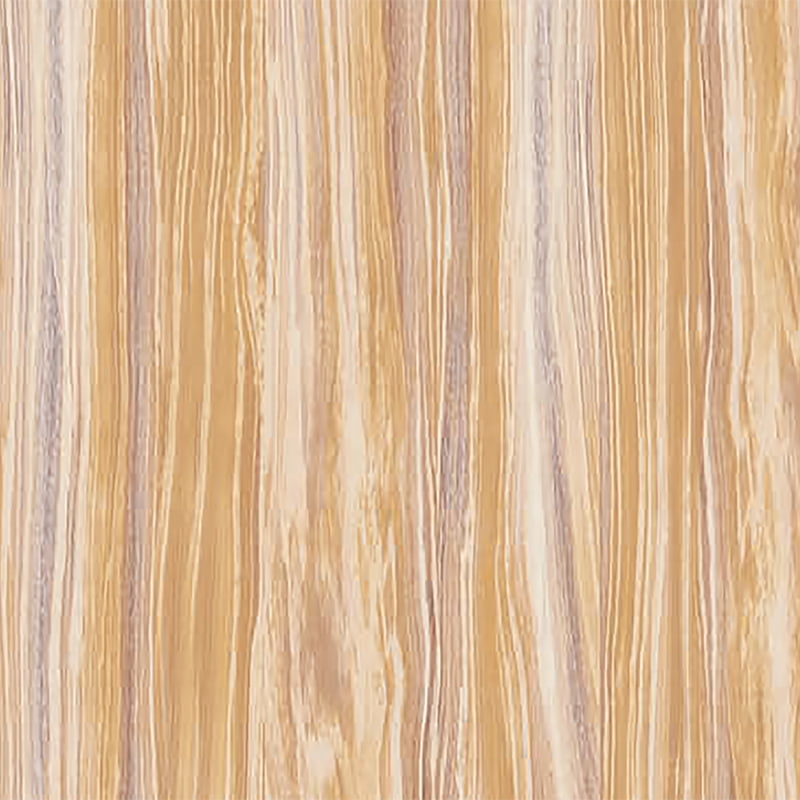
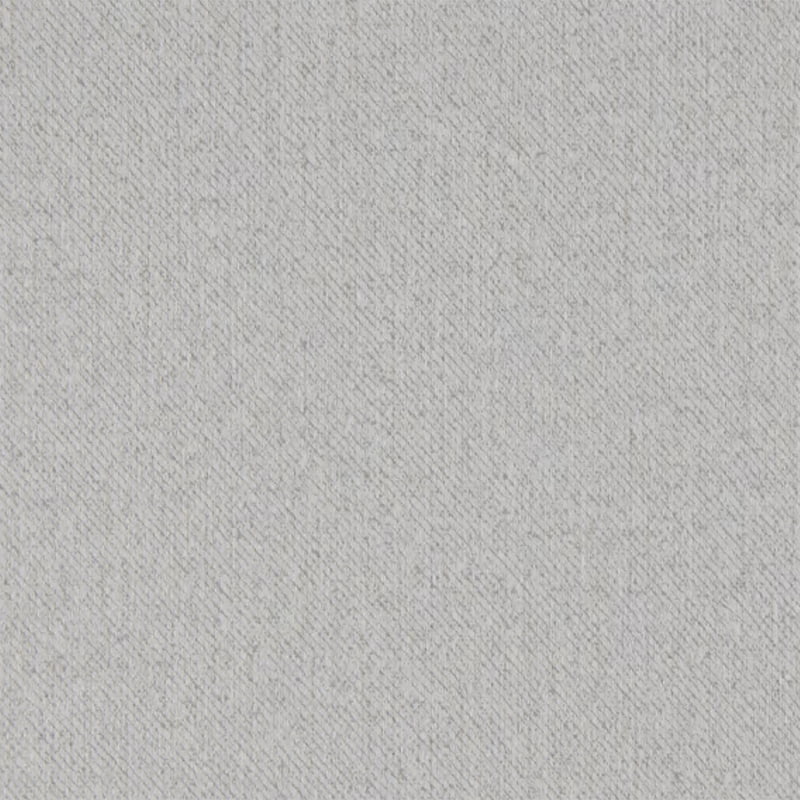
- Aesthetic Diversity: Available in an extensive catalog of designs, from realistic wood grains and stone textures to solid colors and modern metallic finishes.
- Durability and Protection: The film acts as a protective barrier against scratches, moisture, stains, and daily wear, extending the life of the underlying surface.
- Cost-Effective Renovation: Provides the look of expensive materials (like solid wood or marble) at a fraction of the cost, significantly reducing renovation budgets.
The Role of Decorative PVC Film in Interior Design
The term Decorative PVC Film places the spotlight on the product's ability to transform spaces aesthetically. For designers and architects, this material is a powerful tool. It allows for rapid prototyping of design concepts and easy updates to commercial spaces like retail stores, hotels, and restaurants without the downtime of traditional construction. The realistic replication of natural materials means a designer can achieve a warm, rustic wood look or a sleek, modern stone finish with incredible accuracy. This adaptability ensures that any design vision can be realized efficiently and sustainably.
Using PVC Wall Decoration Film for Feature Walls and More
When the goal is to make a significant visual impact on vertical surfaces, PVC Wall Decoration Film is the ideal product. It is specifically designed to cover large wall areas, creating stunning feature walls that define a room's character. Unlike traditional wallpaper, it is often more durable, easier to clean, and simpler to install, as it can be applied in large, seamless panels. It is also an excellent solution for covering imperfections on old walls or for giving a quick facelift to rented properties where permanent changes are not allowed. From a subtle textured finish to a bold, graphic pattern, this film provides endless possibilities for wall customization.
Industry Insights: Selection, Application, and Benefits
A Complete Guide to PVC Interior Film: Selection, Application, and Long-Term Maintenance
Selecting the right PVC Interior Film involves considering several key parameters to ensure optimal performance and longevity. Factors such as film thickness, which impacts durability, and adhesive type, which determines suitability for different substrates, are crucial. The surface finish, whether matte, gloss, or textured, defines the final aesthetic, while fire-rating and environmental certifications like RoHS ensure safety and sustainability. With over 20 years of manufacturing expertise, Zhejiang Highsea New Material Co., Ltd. produces films that undergo strict quality control across all these parameters, guaranteeing a product that is not only beautiful but also durable and compliant with global standards, simplifying long-term maintenance.
Elevating Interiors: How Decorative PVC Film Transforms Commercial and Residential Spaces
Decorative PVC Film is a powerful tool for transforming both commercial and residential environments. The key to its effectiveness lies in its design diversity, color fastness, and abrasion resistance. A vast library of realistic patterns allows for complete creative freedom, while high resistance to fading and wear makes it suitable for high-traffic commercial areas. Furthermore, the ability to customize designs enables businesses to reinforce their brand identity directly within their space. Zhejiang Highsea New Material Co., Ltd. specializes in developing high-quality PVC decorative materials, offering an extensive design library and customization services that help designers and architects bring any vision to life with efficiency and style.
Cost-Effective Renovation: The Economic and Practical Benefits of Using PVC Interior Film
The economic advantages of using PVC Interior Film are significant. When compared to traditional materials like solid wood or stone, the material cost per square meter is substantially lower. Installation is faster and often requires less specialized labor, reducing overall project expenses. The film is also an environmentally friendly option, generating less waste during installation. Zhejiang Highsea New Material Co., Ltd. is dedicated to delivering products that blend functionality with design, and their PVC Interior Film is a prime example. It offers an exceptional balance of cost, performance, and durability, providing clients with a high-value renovation solution that does not compromise on quality or aesthetic appeal.
Durability and Design: Why PVC Wall Decoration Film is a Superior Choice for Modern Wall Surfaces
For modern wall applications, PVC Wall Decoration Film offers superior performance over traditional coverings. Its inherent waterproof and moisture resistance make it ideal for kitchens and bathrooms. Excellent scratch and impact resistance ensure it can withstand the rigors of daily life, while its surface is exceptionally easy to clean. Available in large, seamless rolls, it minimizes unsightly joints, creating a more cohesive and high-end look. As a specialist manufacturer of PVC wall panels and films, Zhejiang Highsea New Material Co., Ltd. understands the demands of modern wall surfaces, engineering their films to provide a durable, beautiful, and practical protective layer that stands up to the challenges of any environment.
From Manufacturer to Interior: How Zhejiang Highsea New Material Co., Ltd. Ensures Quality in Every Roll of PVC Interior Film
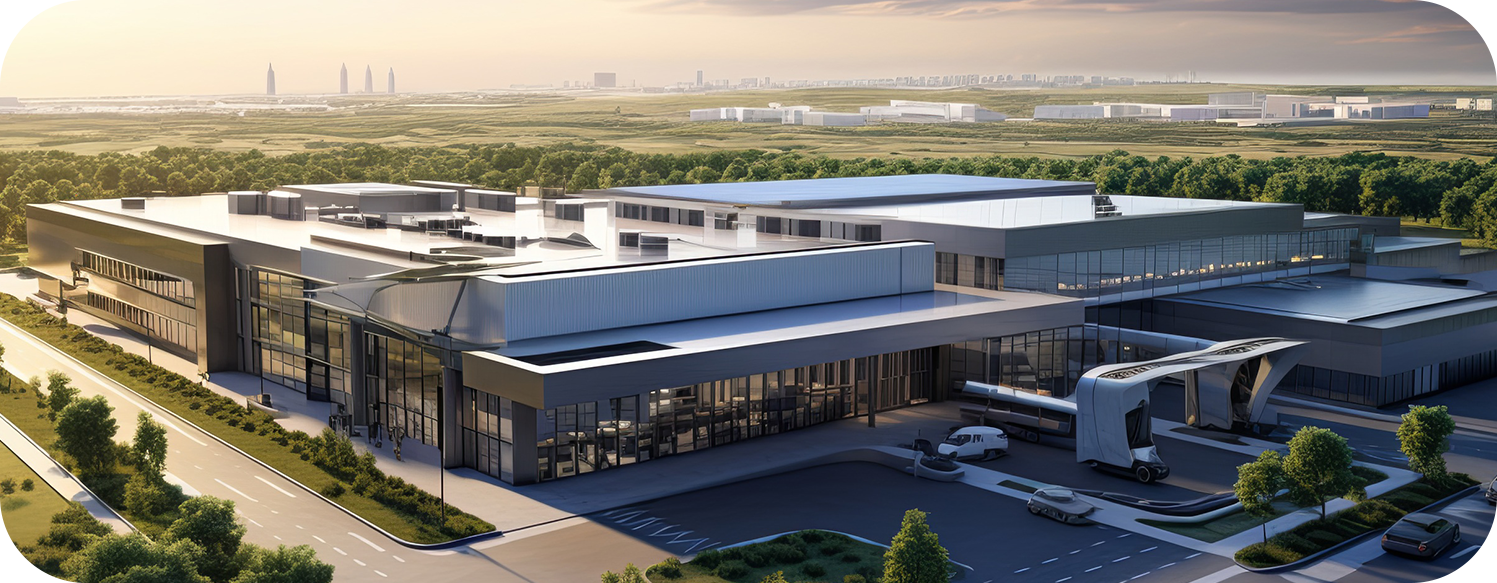
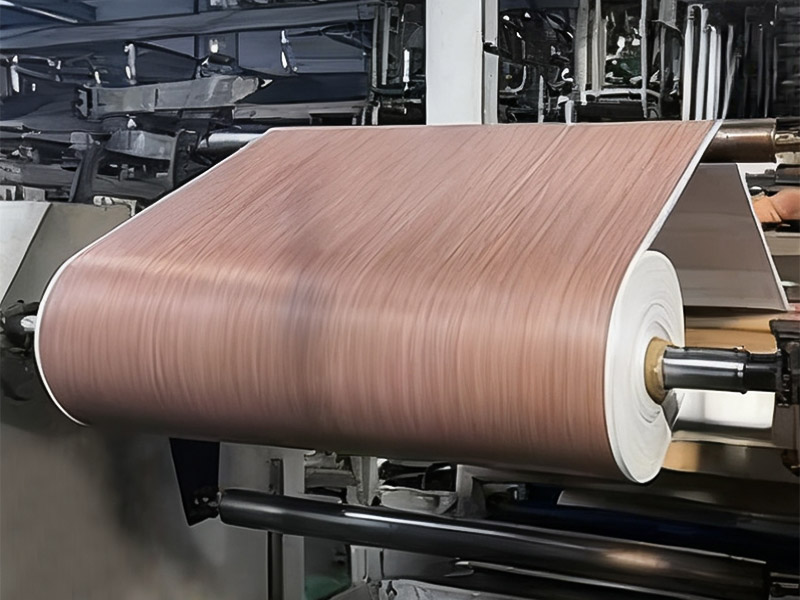
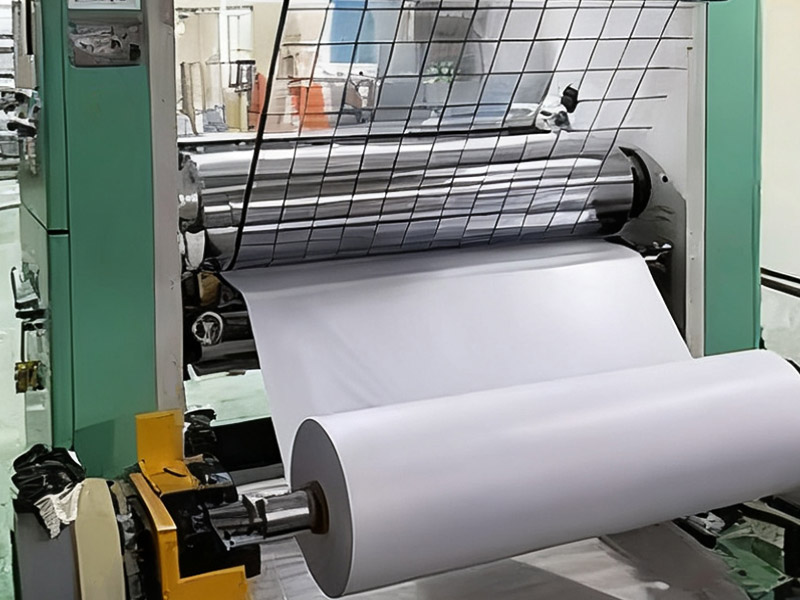
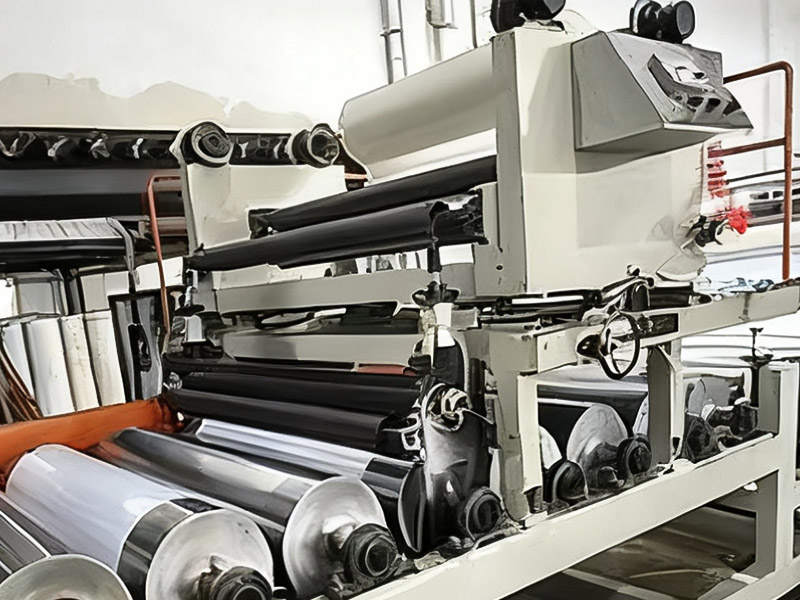
The journey of a high-quality PVC Interior Film begins at the manufacturing source. Zhejiang Highsea New Material Co., Ltd. controls every step of this process, from sourcing high-grade, environmentally friendly raw materials to implementing precise production techniques. Strict quality assurance protocols are in place at every stage, from extrusion and printing to lamination. This commitment to excellence ensures that every roll of film meets stringent global standards for durability, aesthetics, and environmental sustainability. By offering customized product recommendations tailored to specific project needs, Zhejiang Highsea bridges the gap between manufacturing excellence and practical interior application, ensuring clients receive the perfect solution for their vision.
FAQ
How long does PVC Interior Film last on furniture?
The lifespan of PVC Interior Film on furniture largely depends on the quality of the film and the level of wear and tear the furniture endures. High-quality, commercial-grade films, like those produced by manufacturers with strict quality control such as Zhejiang Highsea New Material Co., Ltd., are designed for durability. With proper application on a prepared surface, these films can last for 5 to 10 years or even longer in a residential setting. Their resistance to scratches, moisture, and UV fading helps maintain their appearance, making them a long-term solution for refreshing and protecting furniture surfaces.
Can PVC Interior Film be used in kitchens and bathrooms?
Yes, absolutely. PVC Interior Film is an excellent choice for kitchens and bathrooms due to its inherent moisture-resistant properties. The film creates a waterproof barrier that protects underlying surfaces like cabinets, drawers, and walls from humidity, steam, and occasional splashes. When selecting a film for these areas, it is advisable to choose one with a durable, easy-to-clean finish and a strong adhesive. Products from reputable manufacturers are engineered to withstand these demanding environments, providing a stylish and practical upgrade that is much simpler than a full-scale renovation.
Is PVC Interior Film easy to install for a DIY beginner?
PVC Interior Film is considered very DIY-friendly compared to traditional renovation methods. The process involves cleaning the surface, measuring and cutting the film, and then applying it using a squeegee to smooth out air bubbles. The pressure-sensitive adhesive is designed for easy repositioning during installation. While it is straightforward, achieving a perfectly seamless finish, especially around corners and edges, can require some practice. Watching tutorial videos and starting with a smaller, flatter surface can help beginners build confidence. The key is patience and proper surface preparation to ensure a long-lasting bond.
How do you remove PVC Interior Film without damaging the surface?
Removing PVC Interior Film without damaging the underlying surface is possible, especially if a removable adhesive type was used. The process typically involves gently heating the film with a heat gun or hairdryer on a low setting. This softens the adhesive, making it less aggressive. You can then slowly peel back a corner of the film, applying heat as you go. Any remaining adhesive residue can usually be removed with a gentle adhesive remover or a mixture of warm water and soap. It is always recommended to test a small, inconspicuous area first to ensure the surface and the specific film are compatible with this removal method.
What is the difference between PVC Interior Film and contact paper?
While both are adhesive films used for surface covering, there are significant differences in quality and durability. PVC Interior Film is typically a much thicker, more robust product. It features multi-layer construction with a protective wear layer, high-quality printing for realistic patterns, and a stronger, more durable adhesive. Contact paper is generally thinner, less durable, and more prone to tearing, peeling, and fading over time. PVC Interior Film is designed for long-term renovation and protection, whereas contact paper is often intended for temporary, low-traffic applications. For a lasting, professional finish, PVC Interior Film is the superior choice.
