

 EN
EN English
  русский
  Español
  عربى
عربى 
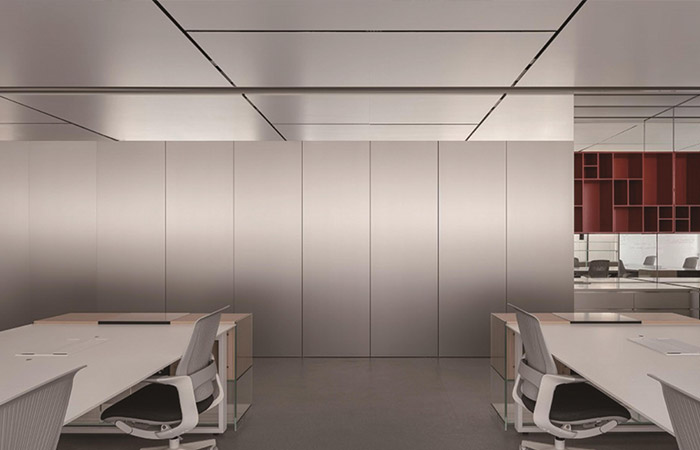
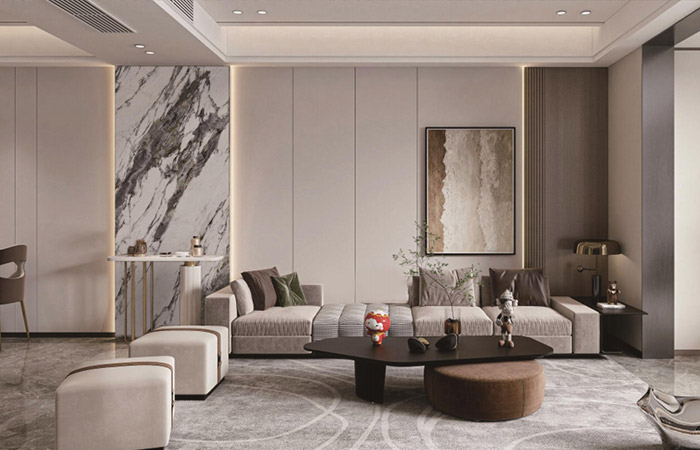
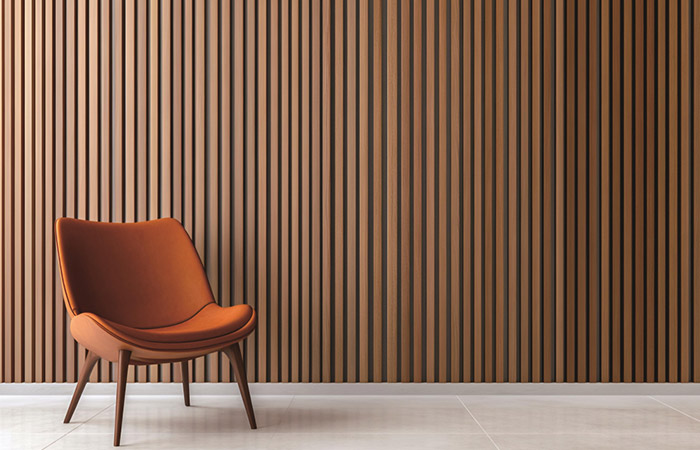
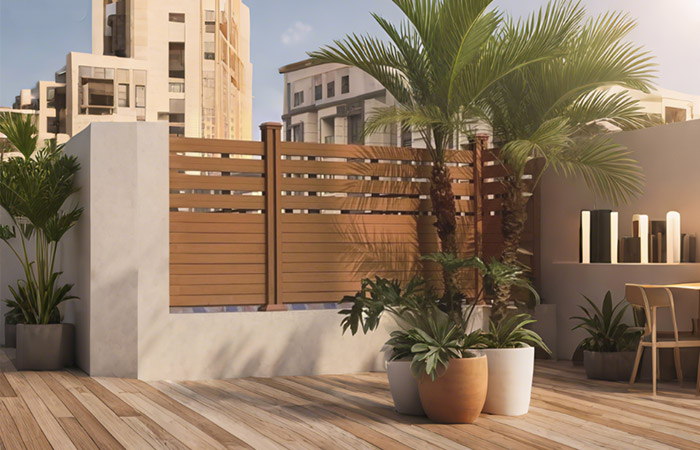
Understanding Decorative Surface Materials: The Intersection of Aesthetics and Functionality
In the world of modern architecture and interior design, the choice of Decorative Surface Materials is paramount. These materials form the visible "skin" of a space, directly influencing its character, ambiance, and perceived quality. As a crucial subset of the broader categories of Interior & Exterior Surface Materials and Decorative Building Materials, they offer a unique fusion of visual appeal and practical performance. For manufacturers and suppliers like Zhejiang Highsea New Material Co., Ltd., specializing in high-quality PVC-based solutions, understanding this classification and the evolving demands of the market is essential for providing products that truly meet the needs of builders, designers, and homeowners globally.
Core Concepts and Product Classification
The hierarchy of finishing materials can be visualized to clarify the scope and focus of each category.
| Core Category | Definition and Scope | Primary Product Examples |
| Decorative Surface Materials | The central focus. Refers specifically to the final finish layer applied to surfaces, emphasizing aesthetic effect, texture, and specialized functions like stain resistance or fire retardancy. These are the elements that directly define a space's visual style. | Decorative laminates (HPL, melamine boards), wallcoverings (vinyl, fabric), decorative paints (metallic, textured), veneers (wood, metal foil), decorative panels (PVC wall panels, acrylic sheets). |
| Interior & Exterior Surface Materials | A broader category. Encompasses all materials used for covering and treating substrate surfaces like walls and ceilings, including both decorative finishes and foundational functional materials. | Includes all Decorative Surface Materials, plus: substrate boards (gypsum, cement fiber), exterior insulation finishing systems (EIFS), exterior wall claddings, tiles, stone, and rendering plasters. |
| Decorative Building Materials | The widest industry category. Refers to all building materials that combine structural/functional roles with decorative purposes, covering nearly all non-concealed construction elements. | Includes all Interior & Exterior Surface Materials, plus: decorative doors/windows, moldings, architectural glass, feature lighting, finished staircases, decorative hardware, and flooring materials. |
Focus on the Core: Key Characteristics of Modern Decorative Surface Materials
As the key element shaping a space's aesthetics, contemporary Decorative Surface Materials are defined by several critical characteristics:
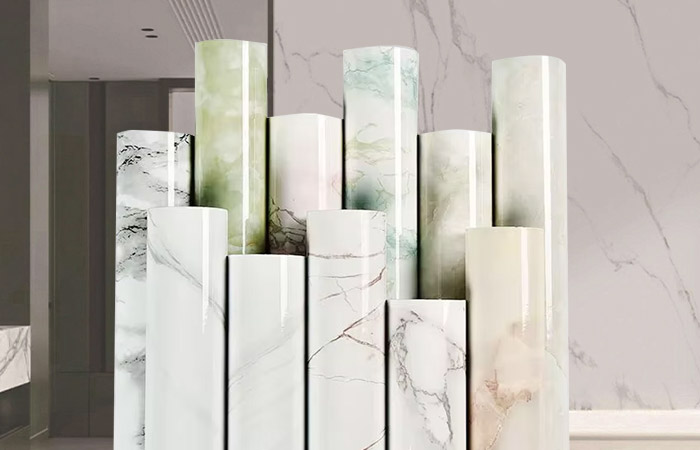
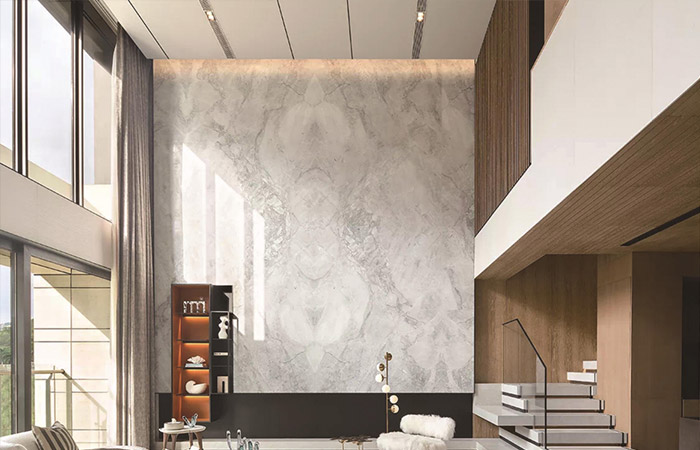
- Aesthetic Versatility: They offer limitless possibilities in colors, patterns (wood grain, stone, abstract), textures, and finishes (gloss, matte, satin), serving as the foundation for personalized design.
- Multifunctional Performance: Today's materials integrate advanced functionalities well beyond mere appearance. Key performance aspects include:
- Durability: Resistance to scratches, impact, and wear.
- Ease of Maintenance: Properties like stain resistance, moisture resistance, antibacterial features, and easy cleanability.
- Environmental Responsibility: Low VOC emissions, recyclability, and use of sustainable raw materials.
- Safety: Compliance with fire retardancy ratings and building codes.
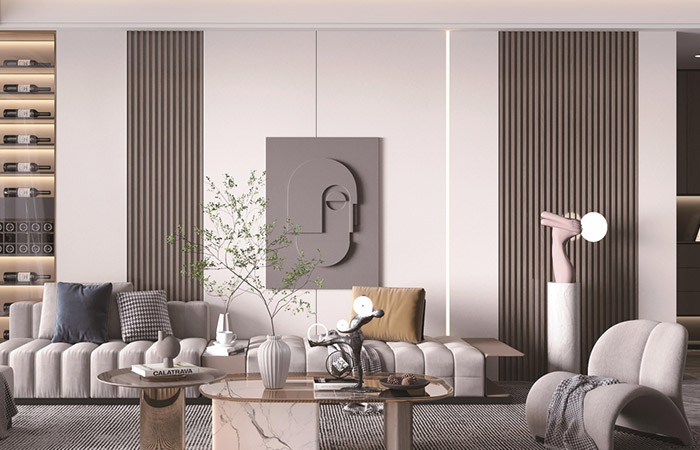
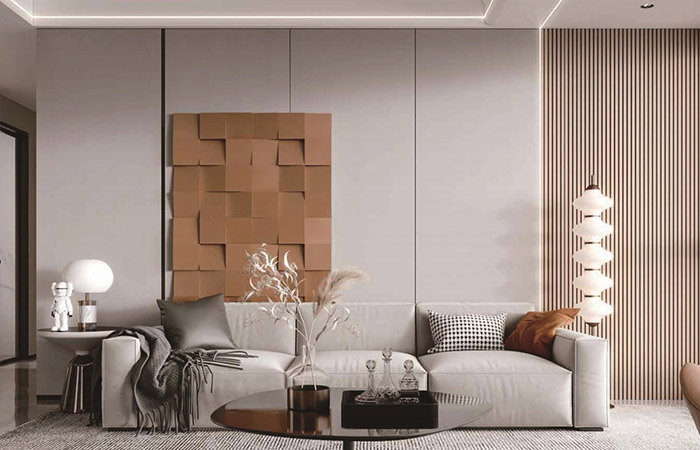
- Application Flexibility: Designed for application over various substrates (wood, drywall, concrete) using methods like adhesion, mechanical fixing, or interlocking systems, suitable for both new construction and renovation projects.
How to Choose the Right Decorative Surface Material
Selecting the optimal material requires a logical, scenario-driven approach:
- Define the Application Context: Is it for a commercial or residential space? A high-traffic area or a private room? Interior or exterior (requiring weatherability)?
- Identify Performance Requirements: What are the specific needs for fire rating, moisture resistance, abrasion resistance, or hygiene in this zone?
- Align with Design Vision: Do the color, texture, and finish harmonize with the overall design theme?
- Evaluate Budget and Installation: Consider the total cost of ownership, including material cost, installation complexity, and long-term maintenance.
In summary, Decorative Surface Materials are the essential interface between architectural function and aesthetic vision. For industry leaders providing innovative solutions like PVC-based panels and films, mastering this knowledge is key to delivering value and meeting the sophisticated demands of the global market.
FAQ
What are the most durable types of Decorative Surface Materials for high-traffic commercial areas?
For commercial environments like retail stores, hospitals, or offices, durability is critical. High-pressure laminates (HPL), solid vinyl/PVC wall panels, and certain ceramic tile or porcelain slab veneers are top choices. Materials like PVC wall panels are particularly advantageous due to their inherent resistance to impact, scratches, and moisture. They often come with robust wear layers and require minimal maintenance, making them cost-effective over their lifecycle. Always check the material's Abrasion Class (AC rating for laminates) or specific commercial-grade certifications.
How do modern PVC-based Decorative Surface Materials contribute to green building and sustainability?
Modern PVC materials have evolved significantly in sustainability. Leading manufacturers now produce PVC decorative surfaces using processes that minimize environmental impact. Key contributions include: formulations with low or zero VOC emissions, improving indoor air quality; use of recycled content in some products; and the material's long lifespan and durability, which reduces the need for replacement. Furthermore, many PVC products are fully recyclable at the end of their service life. For projects targeting LEED or WELL certification, it's essential to select products with specific environmental product declarations (EPDs) and compliance with standards like REACH.
Can Decorative Surface Materials like wall panels be used in wet rooms such as bathrooms and kitchens?
Absolutely. This is a major application area for moisture-resistant materials. Specifically designed PVC wall panels and certain waterproof laminates are excellent for wet rooms. They provide a seamless, non-porous surface that is impervious to water vapor and humidity, preventing mold and mildew growth. Unlike tiles, they have no grout lines to discolor or harbor bacteria, making them easier to clean and maintain. It is crucial to ensure the product is rated for "full immersion" or "wet area" use and that installation follows manufacturer guidelines, including proper sealing at joints.
What is the difference between decorative laminate and PVC wall panel as surface materials?
While both are popular for furniture and interiors, they differ in composition and application. Decorative laminate is a composite material made by fusing a paper layer impregnated with resins (decorative layer) to a substrate (like particleboard) under high heat and pressure. It is typically a sheet good applied to a core. A PVC wall panel is a homogeneous or multi-layered extruded solid product primarily made of polyvinyl chloride. It is a rigid panel installed directly onto wall battens or adhesive. Key differences: PVC panels offer superior moisture and impact resistance, are often used as standalone cladding, and allow for easier installation and replacement. Laminates offer a wider range of decorative prints but require a stable, dry substrate.
How can I ensure the decorative surface material I choose is fire-safe for my project?
Fire safety is non-negotiable. Always request and verify the material's fire performance test reports from the supplier. Key ratings to look for include:
- Flame Spread Index (ASTM E84 / UL 723): Class A (0-25), B (26-75), or C (76-200). Class A is the best.
- Euroclass (EN 13501-1): Ratings range from A1 (non-combustible) to F. For most interior finishes, B-s1, d0 or better is often required.
Reputable manufacturers will have their products tested and certified by independent laboratories. Ensure the product's fire rating meets or exceeds the local building code requirements for your specific application (e.g., corridor, exit path, ceiling).
