EN
 English
 русский
 Español
 عربى

Why a Smart Shopping Checklist Matters Before You Buy
Shower wall panels look remarkably similar in product photos. Glossy marble prints, soft stone textures and clean white edges all appear convincing on a screen. Once the panels are on the wall, however, differences in core density, edge finishing and surface durability become obvious. Whether you are renovating a family bathroom or supplying a hotel project, understanding these differences early prevents costly replacements later.
This guide walks through the technical points that separate a dependable PVC shower bathroom panel from a weak one. You will learn how to judge the core, verify waterproof claims, inspect the surface, plan panel sizes and joints, confirm trim availability and plan for maintenance.
1. Examine the Core Material Before Anything Else
The core is the backbone of every shower panel. It determines rigidity, dimensional stability and how the panel behaves when exposed to humidity over many years. Two families dominate the market: standard PVC panels and stone plastic composite panels often called SPC.
Standard PVC versus SPC Core
Many standard PVC panels use a lighter, partly hollow structure. They are practical and affordable, but they can feel flexible on large wall spans. SPC panels blend PVC resin with mineral stone powder, producing a denser and stiffer core. The result is a panel that resists bowing and sits flat against the wall.
| Feature | Standard PVC Core | SPC Core |
|---|---|---|
| Core structure | Lighter, often partly hollow | Dense, solid mineral blend |
| Rigidity on large spans | Moderate | High |
| Resistance to bowing | Fair | Strong |
| Typical fit | Light residential refresh | Full shower walls and commercial use |
When reviewing a spec sheet, look for a clearly stated core type and thickness. Vague wording such as premium board without a core description is a warning sign.
2. Confirm Genuine Waterproof Performance
Many shoppers use the words water-resistant and waterproof interchangeably, yet they describe very different levels of protection. A water-resistant surface can repel splashes for a while, but moisture may still seep into a porous core over time. A truly waterproof panel uses a solid, non-porous core and a sealed surface that does not absorb water.
Why Seams Matter for Water Protection
Water rarely fails a wall through the middle of a panel. It usually enters through joints. Natural stone and ceramic tile depend on grout, which absorbs water and can develop mould, discolouration and cracks. Well-designed PVC and SPC panels eliminate grout lines entirely, leaving far fewer entry points for moisture.
Clean, precisely cut panel edges reduce gaps where water could collect.
Matching corner and edge trims seal exposed boundaries at the wall ends.
Good ventilation still helps, because no material should sit in standing water for long periods.
3. Evaluate the Surface Finish and Decorative Print
The visible face of the panel decides whether the bathroom looks convincing. Print quality, texture depth and the protective top layer all affect how the wall looks after years of daily use.
Print Realism
Natural stone has uneven veining, varied tones and subtle depth. A quality print reproduces these irregularities. A low-quality print repeats a flat, identical pattern across every panel, which quickly looks artificial in a real bathroom.
Gloss Level and Light Behaviour
High-gloss finishes imitate polished marble and reflect light dramatically. Matte or soft-sheen finishes suit travertine and honed stone looks, offering a calmer appearance and hiding minor water spots better. Choose the sheen based on the atmosphere you want and the lighting in the room.
UV Coating and Wear Resistance
A UV-cured surface layer hardens quickly under ultraviolet light, creating a protective film that resists scratches, abrasion and everyday staining. When comparing products, ask for wear-cycle or abrasion test information and compare it against standard, uncoated surfaces. The difference is often significant in high-traffic commercial showers.
4. Panel Size, Seams and Interlocking Joint System
Panel dimensions have a direct effect on installation speed, appearance and the number of joints you need to manage. Larger formats reduce the number of seams across a shower wall, which creates a cleaner, more modern look and removes places where dirt can build up.
Measuring Before You Order
Measure each shower wall in width and height, noting any niche, window or valve opening. Compare these figures with the product specification table to estimate how many panels you need and where the seams will fall. Plan joints so they avoid awkward cuts around fixtures.
5. Check Interlocking Structure and Installation Logic
Tongue-and-groove panels lock directly into one another, creating a flush surface without the need for visible connecting pieces. This design keeps the wall tidy and helps the panels stay aligned during installation.
Confirm that the panels use a tongue-and-groove edge profile.
Check whether the supplier describes connector channels as optional decorative accents or as mandatory parts.
Ask for the installation guide and confirm the recommended adhesive type.
Plan a dry fit on the floor if your bathroom has an unusual layout.
6. Make Sure Matching Trim and Accessories Are Available
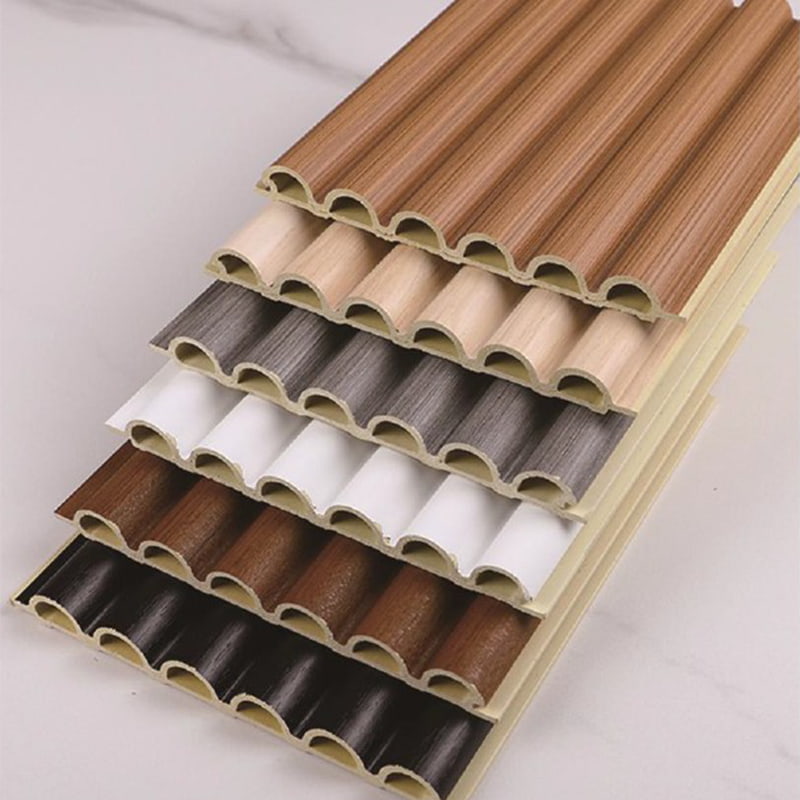
A shower wall is more than a flat surface. Internal corners, external corners and exposed edges all need finishing pieces. Mismatched trims can spoil an otherwise excellent installation, so it is worth confirming availability before ordering.
| Accessory | Purpose | Check Before Buying |
|---|---|---|
| Internal corner trim | Joins two walls at a clean inside angle | Same colour and texture as the panel |
| External corner trim | Protects outside edges | Matching profile and finish |
| Edge cap | Covers exposed panel edges | Compatible with the panel thickness |
| Adhesive | Secures panels to the wall | Suitable for PVC and SPC substrates |
7. Plan for Long-Term Maintenance
One of the strongest advantages of panel systems is low maintenance. Without grout lines to scrub, daily care is quick and simple. Even so, a little attention protects the surface and keeps edges secure for many years.
Routine Cleaning
Wipe the wall with a soft cloth and a mild, non-abrasive cleaner. Rinse afterwards and dry any visible water, especially around the shower head and valve area.
Protecting the UV Surface
Avoid hard abrasive pads, scouring powders and strong corrosive chemicals.
Dry splashes promptly to prevent residue from building up.
Avoid impacts from heavy objects to prevent dents and deep scratches.
Inspect edges and joints periodically and address any loosening early.
8. Choose a Style That Suits the Space
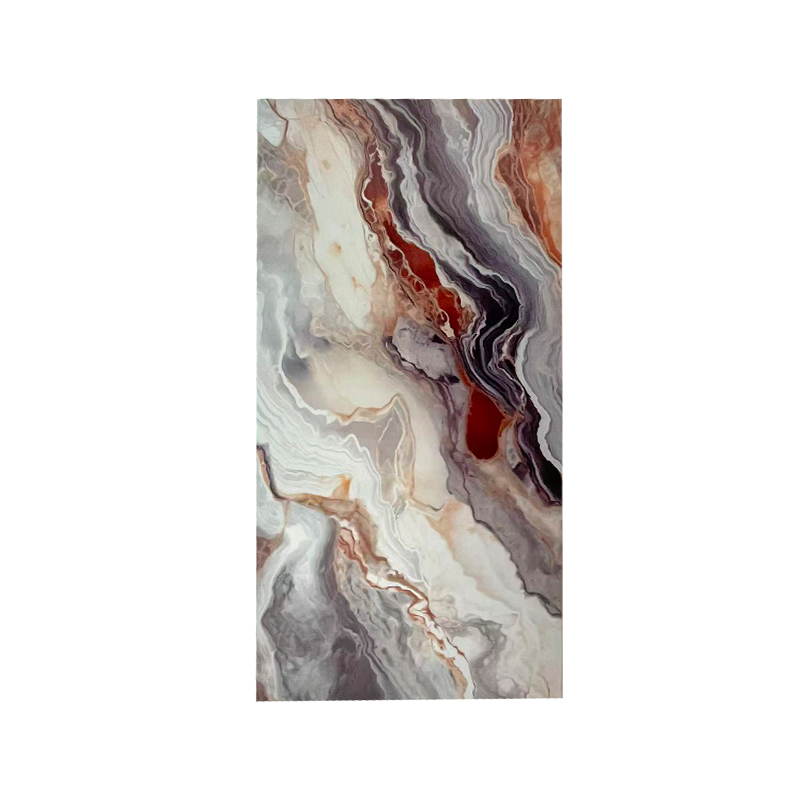
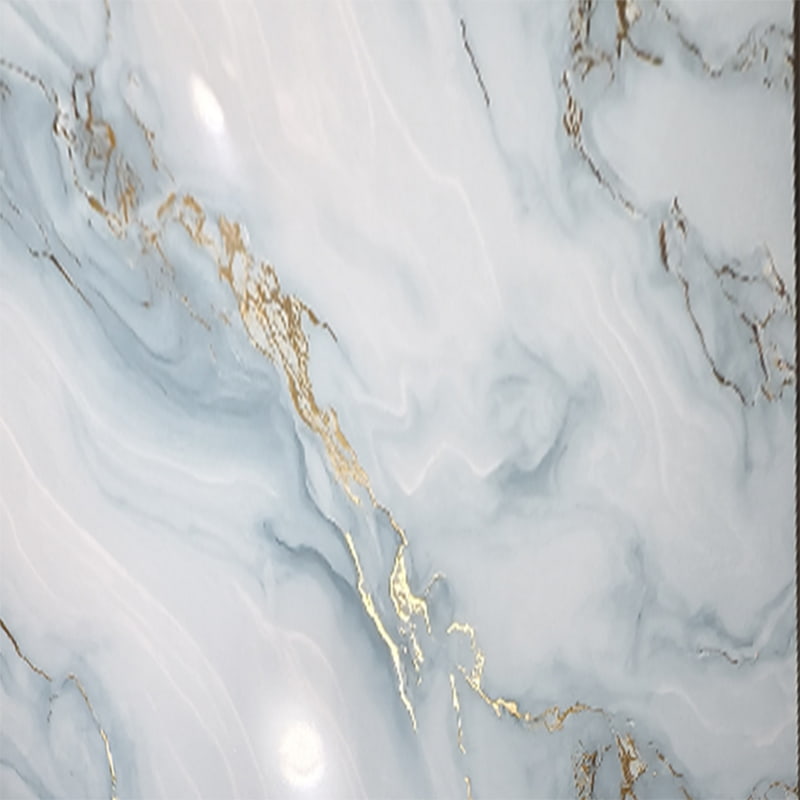
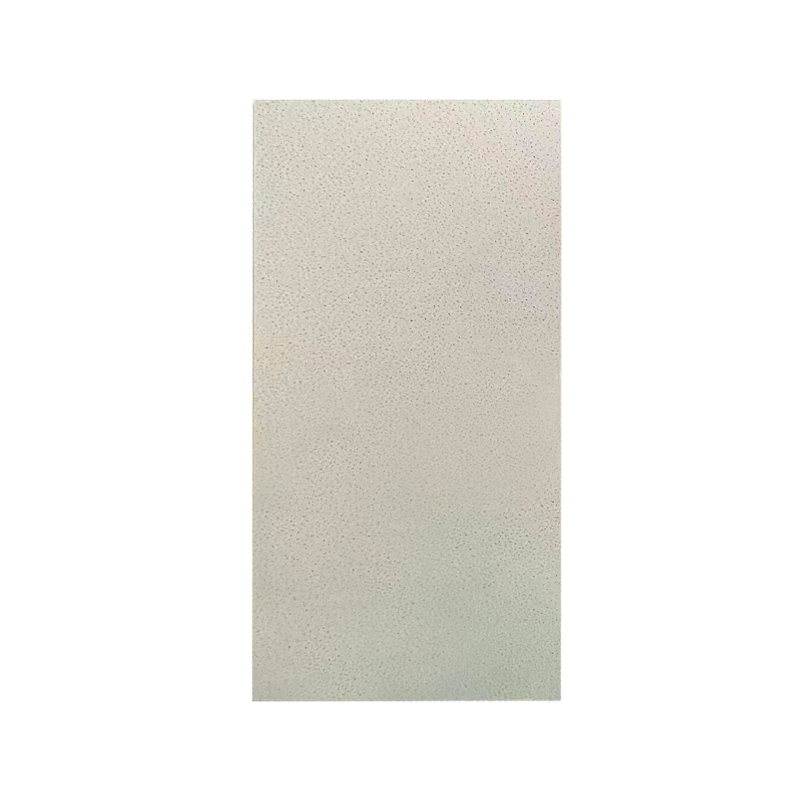
The right colour and pattern can change how large or small a bathroom feels. Dark tones create drama and a modern atmosphere, while light tones brighten compact rooms. Warm stone patterns encourage a relaxed, spa-like feeling.
Bold contrast and a modern, high-end atmosphere for master bathrooms.
Bright and clean, ideal for small bathrooms that need more light.
Soft, earthy texture that suits spa-inspired and family bathrooms.
Both residential renovations and commercial spaces such as hotels and serviced apartments benefit from this approach, because the look stays consistent and the cleaning routine stays simple.
9. Quick Buying Checklist
Use this checklist before placing an order to avoid the most common mistakes.
Is the panel built with a rigid, solid core of SPC or high-quality PVC?
Does the decorative print show realistic natural-stone detail?
Do the panel dimensions suit your measured wall sizes?
Are matching corner trims and edge caps available?
Have you reviewed a physical sample under your actual bathroom lighting?
Frequently Asked Questions
Q1: Are SPC and PVC shower wall panels the same thing?
SPC is a variant of PVC blended with mineral stone powder. It produces a denser, stiffer core than standard hollow-core PVC panels, which makes it more suitable for large shower walls.
Q2: Are shower wall panels easier to clean than tile?
Yes. Without grout lines there are fewer places for dirt and mould to collect. Most daily cleaning needs only a soft cloth and a mild cleaner.
Q3: Do I need a connector channel between panels?
For tongue-and-groove panels, connector channels are generally optional and serve mainly as decorative accents. Always confirm the installation requirements with the supplier.
Q4: Can these panels be used in high-moisture commercial bathrooms?
Solid-core PVC and SPC panels offer good moisture resistance for residential and hotel shower areas. Proper ventilation is still recommended to keep the space dry.
Q5: What maintenance does a UV-coated shower panel need?
Clean with a soft cloth and mild soap, and avoid abrasive tools or harsh chemicals. Check the edges periodically and address any minor damage promptly.
Final Thoughts on Choosing the Right Panel
A reliable shower wall depends on several factors working together: a rigid and solid core, genuine waterproof construction, a realistic UV-protected surface, well-planned panel sizes and joints, complete matching trim and straightforward maintenance. Work through the checklist above, request physical samples, and compare suppliers on these criteria rather than on appearance alone. Once you have a shortlist, explore the full range of PVC shower bathroom panel options to find a design that suits your project.