EN
EN English
  русский
  Español
  عربى
عربى 
In modern construction and interior design, wall cladding materials are no longer chosen solely for aesthetics. Durability has become a decisive factor, especially in environments exposed to moisture, temperature shifts, or physical impact. Among the most discussed options are WPC wall panel systems, PVC panels, and natural wood. Each material offers distinct advantages, but their long-term performance varies significantly.
Understanding the Three Material Classes
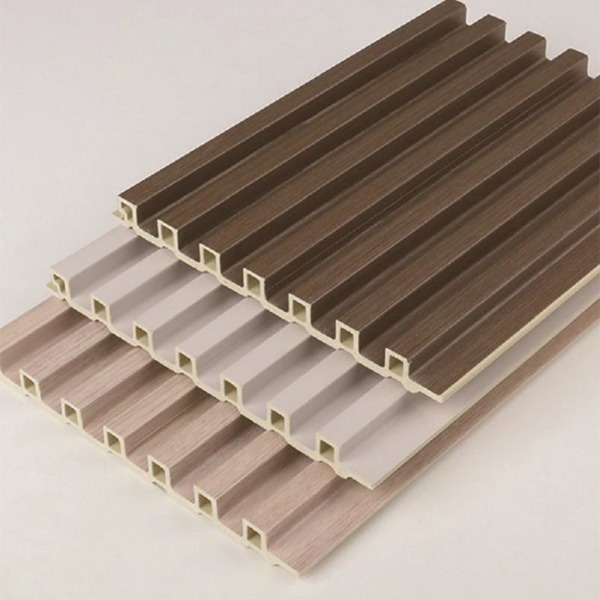
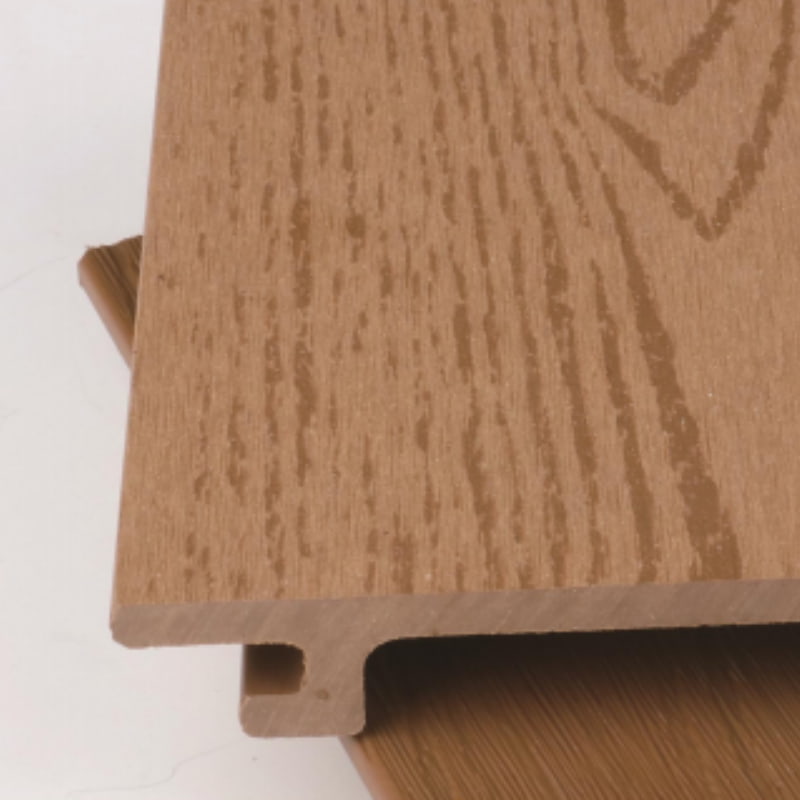
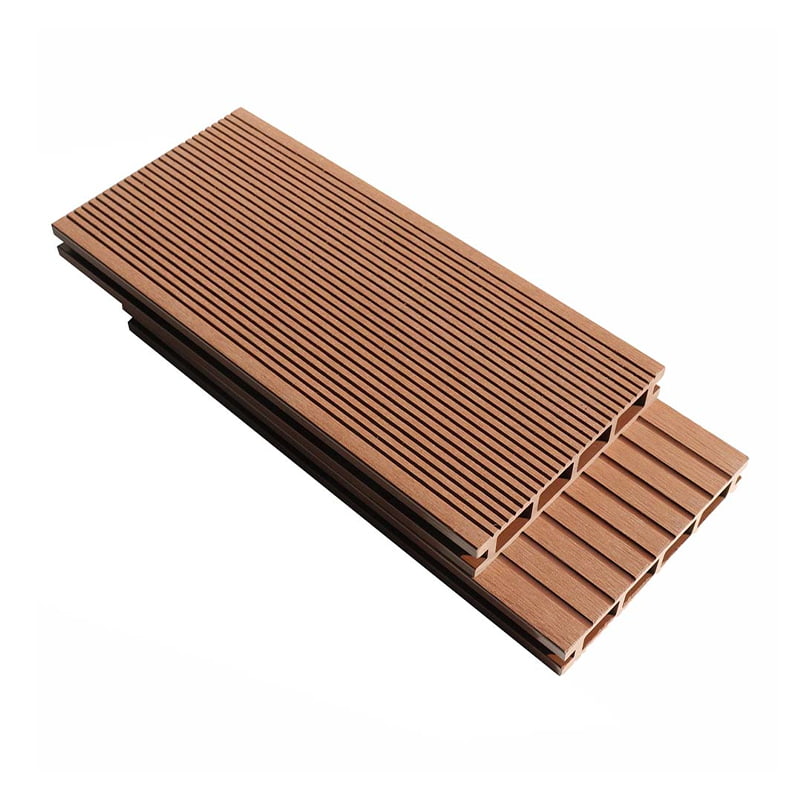
Before comparing durability, it is essential to define each material’s composition. A WPC wall panel is a wood-plastic composite, typically blending recycled wood fibers or flour with thermoplastics like polyethylene, polypropylene, or PVC, plus additives for UV stability and strength. PVC wall panels are pure polyvinyl chloride, often with plasticizers and stabilizers. Wood panels refer to solid natural timber or engineered wood like plywood, without polymer blending.
These compositional differences dictate how each material responds to water, heat, biological agents, and mechanical stress.
Moisture Resistance: The Decisive Factor
Water exposure is the single greatest threat to long-term durability in walls. Here, the WPC wall panel occupies a middle ground that often outperforms expectations.
Wood is inherently hygroscopic. It absorbs moisture, swells, warps, and cracks. Even kiln-dried or sealed wood eventually degrades if ambient humidity fluctuates or if leaks occur. Prolonged dampness leads to rot, mold, and fungal decay. In bathrooms, basements, or coastal areas, untreated wood fails within months.
PVC panels are hydrophobic. Water does not penetrate PVC, so swelling or rot is impossible. However, moisture can seep into joints or behind panels if installation is imperfect, leading to substrate damage. The panels themselves remain intact but may allow hidden mold growth on drywall or studs.
The WPC wall panel offers near-PVC water resistance but with a critical difference: the wood content is encapsulated in plastic. Water absorption rates for quality WPC are typically below 2% (though exact numbers are avoided here). This prevents swelling, delamination, or biological attack. Unlike wood, WPC does not rot. Unlike PVC, it does not rely solely on surface sealing. In continuous high-humidity tests, WPC retains dimensional stability while wood fails and PVC remains but may suffer from fastener corrosion.
Summary table – moisture durability:
| Material | Swelling/Rot | Mold on surface | Substrate protection |
|---|---|---|---|
| Wood | High risk | Moderate risk | Poor (absorbs water) |
| PVC | No | Low (on joints) | Fair (needs sealing) |
| WPC wall panel | Negligible | Low | Good (low absorption) |
Impact and Scratch Resistance
Physical durability matters for high-traffic corridors, commercial spaces, or family homes.
Wood can be scratched, dented, or gouged. Softwoods like pine mark easily; hardwoods resist better but still show wear over decades. However, wood can be sanded and refinished multiple times, which is a unique repairability advantage.
PVC panels are softer than wood or WPC. Surface scratches are common, and deep impacts can crack or puncture thin-gauge PVC. Heavy furniture or accidental tools often leave permanent marks. PVC cannot be sanded or filled seamlessly.
The WPC wall panel typically exhibits higher impact resistance than both. The plastic matrix provides flexibility without brittleness, while wood fibers add stiffness. Most WPC formulations include UV-resistant caps or textured surfaces that resist scratching. Unlike PVC, a heavy impact will dent rather than crack WPC in most cases. Unlike wood, minor scratches do not expose untreated fiber; the color runs through many WPC products, making blemishes less visible. However, WPC cannot be sanded as easily as wood—abrasive repair may remove the cap layer.
Thermal Stability and UV Durability
Temperature extremes and sunlight degrade materials unevenly.
Wood expands and contracts across the grain. Over years, this movement loosens fasteners, opens gaps, and causes finish peeling. UV light breaks down lignin, turning wood gray and promoting surface checking. Regular sealing or painting is mandatory for long life.
PVC has a high coefficient of thermal expansion. Large wall installations require expansion gaps; otherwise, panels buckle in heat or crack in cold. UV resistance is poor for non-stabilized PVC—prolonged sun causes yellowing, chalking, and embrittlement. Even UV-rated PVC degrades faster than composites in southern exposures.
A WPC wall panel is engineered for thermal stability. The plastic phase absorbs much of the expansion stress, while wood fibers reduce overall movement. Quality WPC contains UV inhibitors in the cap layer, maintaining color for many years without warping. In cold climates, PVC becomes brittle; WPC retains impact strength far longer. In hot, sunny conditions, wood fades and cracks; WPC may experience slight color shift but no structural loss.
Biological Durability: Insects and Fungi
Wood is food for termites, carpenter ants, and fungi. Ground-contact or basement installations require chemical treatment or barrier methods. Even resistant species like cedar eventually decay under persistent moisture.
PVC is not attacked by insects or fungi. Rodents may gnaw it, but no biological degradation occurs.
The WPC wall panel is likewise immune to termites and rot because the wood content is encapsulated in plastic and often mixed with borates. Fungi cannot digest the plastic fraction, and insects avoid the composite. This makes WPC ideal for tropical climates, garden walls, and ground-floor applications where wood would require replacement.
Long-Term Mechanical Integrity
Durability is not just about resisting damage but maintaining function.
Wood can last over a century if kept dry and painted. However, in real-world conditions—leaky pipes, steam, condensation—wood often fails within a decade. Fasteners loosen as wood cycles moisture; joints open.
PVC remains dimensionally stable against moisture but suffers from plasticizer migration over time (for flexible types) and UV embrittlement. Older PVC becomes chalky and cracks under light stress. Its lifespan in indoor, shaded applications exceeds 30 years, but outdoors or in high-UV areas, it may fail in 10–15 years.
The WPC wall panel offers a service life typically estimated between 25 and 50 years depending on formulation. It does not require painting, sealing, or biocides. Fasteners hold well due to consistent density. The main long-term risk is UV fading of color (not structural) for non-capped versions. Overall, WPC provides more predictable aging than wood and greater toughness than PVC in challenging environments.
Installation and Maintenance Influences on Durability
Even the most durable material fails if poorly installed.
Wood needs proper acclimation, moisture barriers, and end sealing. Once installed, wood requires periodic refinishing—every 2–5 years for exterior walls—to maintain durability.
PVC demands specific gap spacing and non-corrosive fasteners. Maintenance is low: just cleaning. However, damaged sections are difficult to patch; often full panel replacement is needed.
The WPC wall panel installation is similar to wood but with fewer precautions against moisture. Gaps for thermal expansion are smaller than PVC’s. Maintenance is minimal—soap and water clean most stains. Scratches or dents are less noticeable, and replacement of individual planks is easier than with PVC. This ease translates directly into longer effective durability, as homeowners are more likely to maintain undamaged composites.
Fire Performance Considerations
Durability also includes fire resistance, though often overlooked.
Untreated wood is combustible. Flame-spread ratings vary but generally high. Fire retardants can be applied, but they leach out over time in damp conditions.
PVC is self-extinguishing due to chlorine content but releases dense smoke and toxic hydrogen chloride gas when burning, which may be a health hazard.
A WPC wall panel typically includes fire retardants (magnesium hydroxide, aluminum trihydrate) in the plastic matrix. Performance varies by formula, but many WPC products achieve Class A or B fire ratings. While not fireproof, WPC generally offers slower flame spread than wood and less toxic smoke than PVC, contributing to safer durability in fire scenarios.
Environmental Durability: Does Green Equal Lasting?
Increasingly, specifiers ask about cradle-to-grave durability.
Wood is renewable and biodegradable, but its durability in wet conditions is poor without chemicals—those chemicals then reduce recyclability. Short life in damp environments means more frequent replacement, offsetting initial green credentials.
PVC is energy-intensive to produce and difficult to recycle. Its long life in dry interiors is good, but outdoor degradation produces microplastics. Many old PVC panels end up in landfills.
The WPC wall panel uses recycled wood and plastic, diverting waste from landfills. Its long service life (25+ years) means fewer replacements. At end of life, some WPC can be ground and re-extruded into new panels, though not universally. The durability of WPC combined with lower resource extraction makes it a resilient sustainable choice.
Direct Comparison Table – Overall Durability Factors
| Durability Factor | Wood | PVC | WPC wall panel |
|---|---|---|---|
| Water resistance | Poor | Excellent | Very good |
| Rot & mold immunity | No | Yes | Yes |
| Insect resistance | No | Yes | Yes |
| Impact resistance | Medium (hardwoods) | Low (cracks) | High (dents) |
| Scratch resistance | Medium (sanding possible) | Low (irreparable) | Medium-high |
| UV stability (uncoated) | Poor (greying) | Poor (chalking) | Good (with cap) |
| Thermal expansion | Low-moderate | High | Moderate |
| Maintenance frequency | High (sealing) | Very low | Low |
| Repairability | High (sanding/filling) | Low (replace panel) | Medium (textured fillers) |
| Typical lifespan (wet/humid) | 5–15 years | 15–30 years* | 25–50 years |
| *Indoor, shaded only. Outdoor PVC lifespan shorter. |
Conclusion: Which Offers Superior Durability?
No single material wins in every category. Wood remains suitable for dry, controlled interiors where repairability and natural aesthetics are paramount. PVC excels in wet rooms or clean environments where impact risk is low and UV exposure is absent. However, for most real-world applications—bathrooms, kitchens, basements, commercial corridors, exterior facades in temperate climates—the WPC wall panel provides the most balanced durability.
It resists moisture like PVC, handles impact better than both, and outlasts wood in challenging conditions. Its immunity to rot, insects, and moderate UV exposure reduces lifecycle costs significantly. While initial material cost may be higher than basic PVC or softwood, the extended service life and near-zero maintenance make WPC the pragmatic choice for specifiers prioritizing long-term performance.
In summary: for durability that reconciles water, wear, weather, and wildlife, the WPC wall panel stands as the most resilient option among the three.