EN
EN English
  русский
  Español
  عربى
عربى 
Decorative PVC film has become increasingly popular in both residential and commercial applications due to its versatility, durability, and aesthetic appeal. The installation of this material, however, can be tricky without the right guidance.
What is Decorative PVC Film?
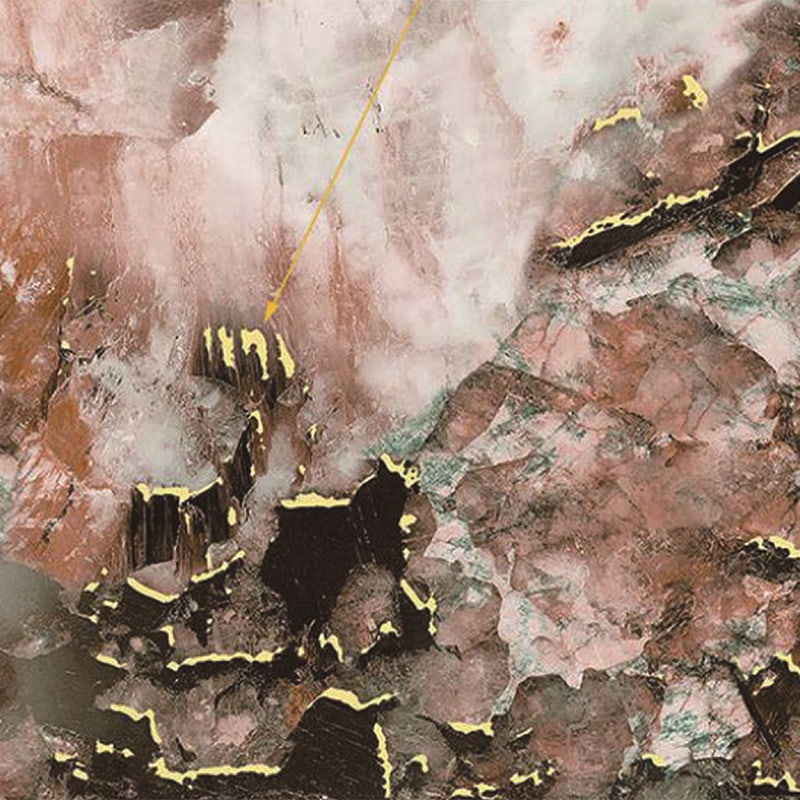
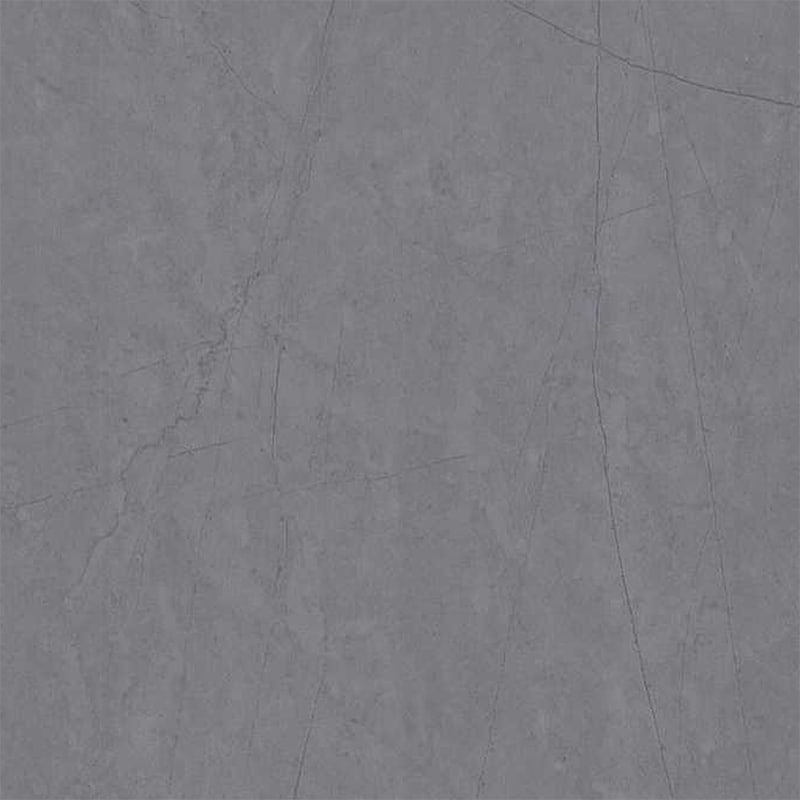
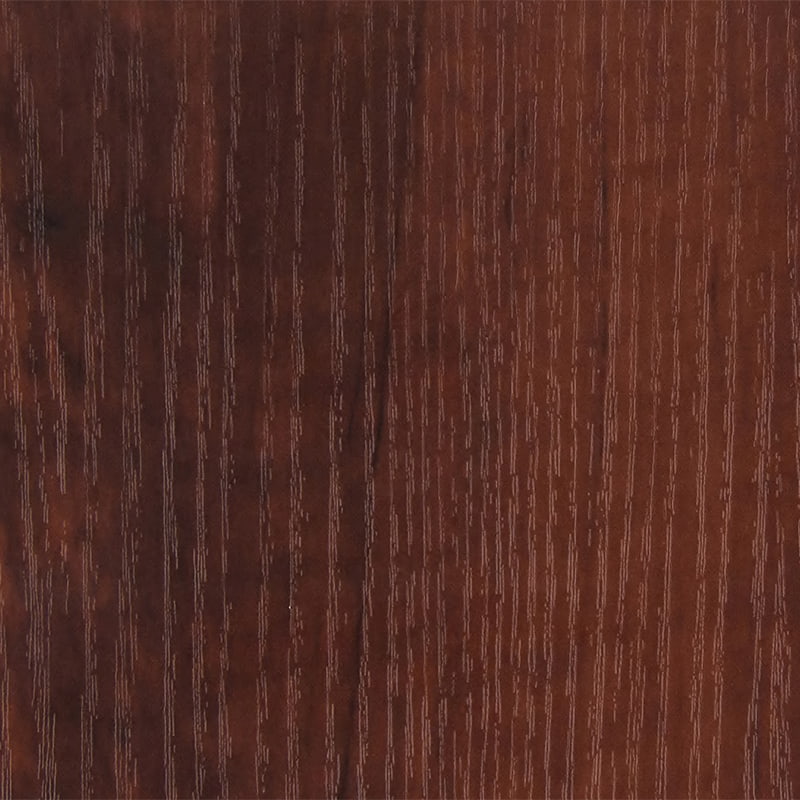
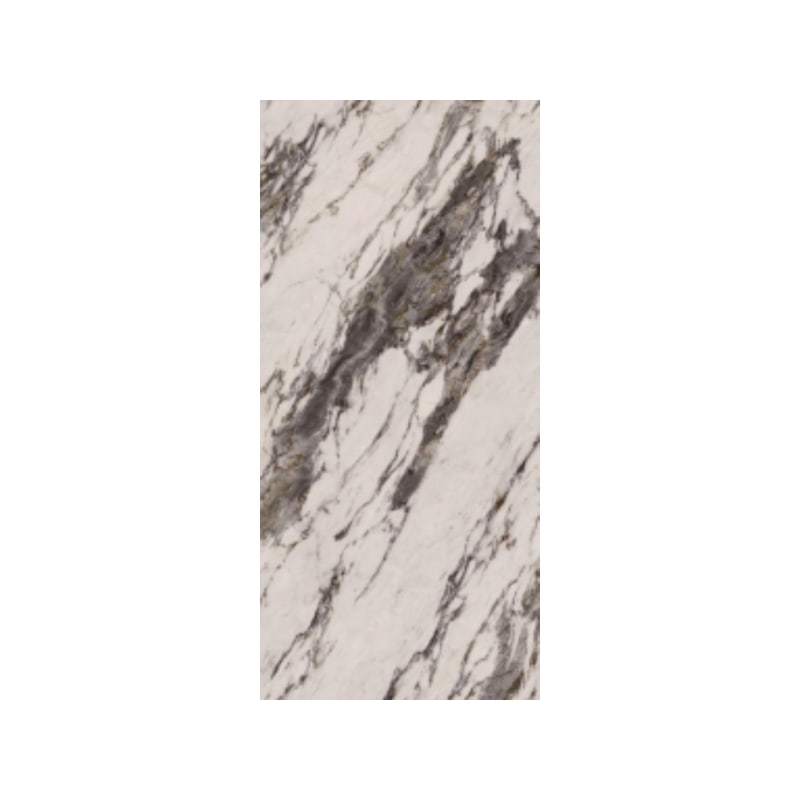
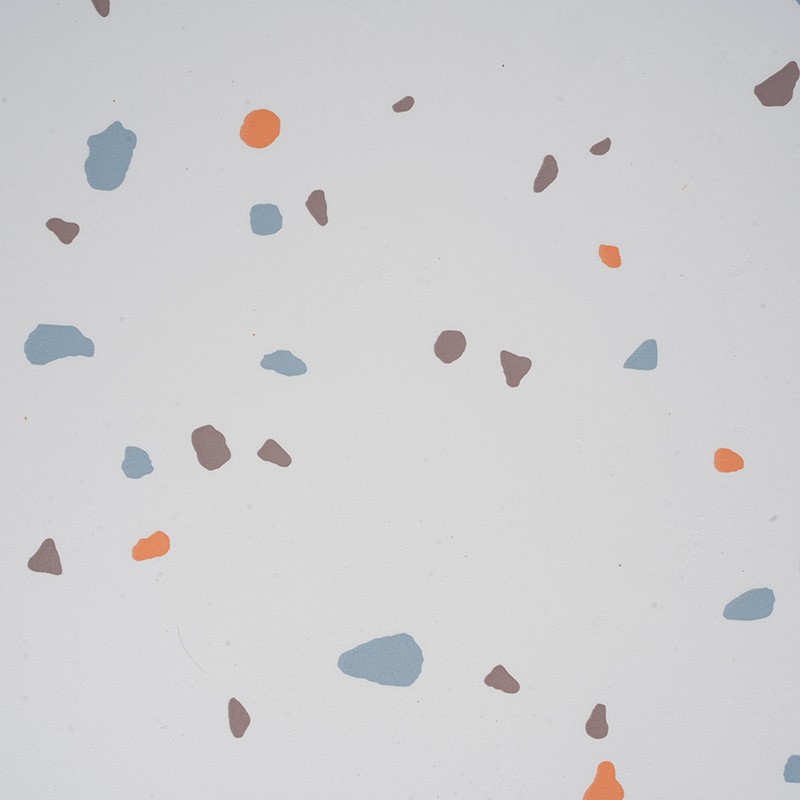
Decorative PVC film is a flexible, thin sheet made from polyvinyl chloride (PVC) that is often used for surface decoration. These films come in a variety of colors, textures, and patterns, allowing them to mimic the appearance of natural materials such as wood, marble, or fabric. They are widely used for enhancing the appearance of walls, furniture, and other surfaces in homes, offices, and retail spaces.
The film is manufactured through a specialized process that ensures its durability and adhesion to various surfaces. Decorative PVC films are often used as a cost-effective alternative to more expensive materials like wood veneer or high-end wallpapers. They can also serve as protective layers, helping to preserve the integrity of underlying surfaces while enhancing their visual appeal.
How Easy is It to Install Decorative PVC Film?
The ease of installation largely depends on the type of surface you’re applying the film to and the quality of the product. In general, installing decorative PVC film is a manageable DIY project, as long as the correct materials, tools, and techniques are used. The installation process can be broken down into several stages:
Surface Preparation: The surface to which the PVC film will be applied must be clean, smooth, and dry. Any dirt, dust, grease, or old adhesives can cause poor adhesion and uneven installation.
Measuring and Cutting: Accurate measurement is key to ensuring the PVC film fits the desired surface perfectly. Using a ruler or measuring tape and a sharp utility knife will allow for precise cuts.
Application: Begin by peeling off a small section of the film’s backing and aligning the edge with the surface. Gradually peel the backing off while smoothing the film over the surface to avoid air bubbles.
Smoothing and Trimming: After applying the film, use a smoothing tool (such as a squeegee or roller) to eliminate any bubbles or wrinkles. Trim any excess film with a sharp knife or scissors for a clean finish.
Curing Time: Allow the PVC film to adhere properly by pressing it firmly for a few minutes. Some films may require additional curing time, depending on the adhesive used.
Best Practices for Installing Decorative PVC Film
While the installation of decorative PVC film is straightforward, certain best practices can help ensure a flawless result. Below are some expert tips for achieving the best outcome:
Prepare the Surface Thoroughly: Clean the surface using a mild detergent solution to remove dust, grease, or any other contaminants. For best results, avoid using harsh chemicals or abrasive cleaners that could damage the surface.
Use the Right Tools: Having the proper tools at hand can make the process much easier. Essential tools include:
Utility knife or scissors for cutting
Ruler or measuring tape for accurate measurements
Squeegee or roller for smoothing the film and removing air bubbles
Soft cloth for wiping down the surface before application
Apply in Small Sections: If you’re installing a large piece of PVC film, it’s easier to apply the film in smaller sections rather than trying to peel the backing off in one go. This will give you better control and prevent the film from sticking to itself.
Avoid Stretching the Film: Stretching the PVC film during installation can lead to wrinkles and uneven surfaces. Be sure to apply the film gently and avoid pulling on it too much.
Trim the Edges Neatly: Once the film is applied, use a sharp utility knife to trim any excess film along the edges. This will create a clean, professional-looking finish.
Factors Affecting the Installation of Decorative PVC Film
Several factors can influence the success of your PVC film installation. These include:
Surface Type: Decorative PVC film adheres best to smooth, non-porous surfaces such as metal, glass, or plastic. Rough or porous surfaces may require additional preparation, such as sanding or priming.
Film Quality: The quality of the PVC film plays a significant role in the ease of installation and its overall appearance. Higher-quality films are typically more durable, have stronger adhesive properties, and are easier to work with.
Environmental Conditions: The installation environment should be dry and free from extreme temperatures or humidity. Installing PVC film in areas with high moisture levels may affect adhesion.
Adhesive Strength: Some PVC films come with a self-adhesive backing, while others require separate adhesive. Self-adhesive films are easier to install and remove but may not be as durable in high-traffic areas.
Troubleshooting Common Installation Problems
Even with the best preparation, some issues may arise during installation. Here are a few common problems and how to resolve them:
Bubbles Under the Film: Air bubbles are a common issue, but they can be easily smoothed out by gently lifting the film and reapplying it. Use a squeegee to remove the bubbles as you go.
Wrinkling: Wrinkles can occur if the film is stretched too tightly during installation. If this happens, carefully remove the film and reapply it slowly, ensuring that it is evenly spread.
Peeling Edges: If the edges of the film begin to peel up over time, this may indicate that the surface was not properly prepared or that the film’s adhesive is not strong enough. Re-adhesive the edges with a special adhesive designed for PVC films or use heat to activate the adhesive again.
Best Uses for Decorative PVC Film
Decorative PVC film is widely used in various applications due to its versatility. Some of the most common uses include:
| Application Area | Description |
|---|---|
| Furniture | Decorative PVC films are used to enhance the appearance of tables, cabinets, and drawers, offering a cost-effective alternative to expensive materials like wood or marble. |
| Walls and Ceilings | PVC films can be applied to walls and ceilings in residential, commercial, and retail spaces, giving them a modern, polished look. |
| Automotive Interiors | Used in car interiors, PVC film can create stylish and durable finishes on dashboards, seats, and door panels. |
| Signage | PVC films are commonly used for creating eye-catching signage, offering a wide range of color and texture options. |
FAQ
Q1: Can I install decorative PVC film on rough surfaces?
It is recommended to install PVC film on smooth, non-porous surfaces for the best results. If the surface is rough, it may need additional preparation, such as sanding or priming, to ensure the film adheres properly.
Q2: How long does decorative PVC film last?
High-quality decorative PVC film can last several years, depending on the environment in which it is installed. Proper care and maintenance, such as regular cleaning, can extend its lifespan.
Q3: Is it possible to remove and reposition PVC film after installation?
Some PVC films come with repositionable adhesive, which allows you to move the film if necessary. However, it’s best to apply the film carefully to avoid the need for repositioning.
Q4: Can decorative PVC film be used outdoors?
PVC films can be used outdoors, but it’s important to choose a product designed for outdoor use, as it will be more resistant to UV rays and weathering.
Conclusion
Installing decorative PVC film is a manageable DIY project, provided you follow the best practices for preparation, application, and care. By understanding the key factors involved and using the right tools, you can achieve a seamless and durable result that enhances the appearance of any surface. Whether you’re updating furniture, revamping walls, or adding style to automotive interiors, decorative PVC film offers a versatile and attractive solution.